The Guide to Best Ingredients for Rosacea (And Its Worst Enemies)

Health and wellness writer focused on evidence-based insights and reader-friendly guides.
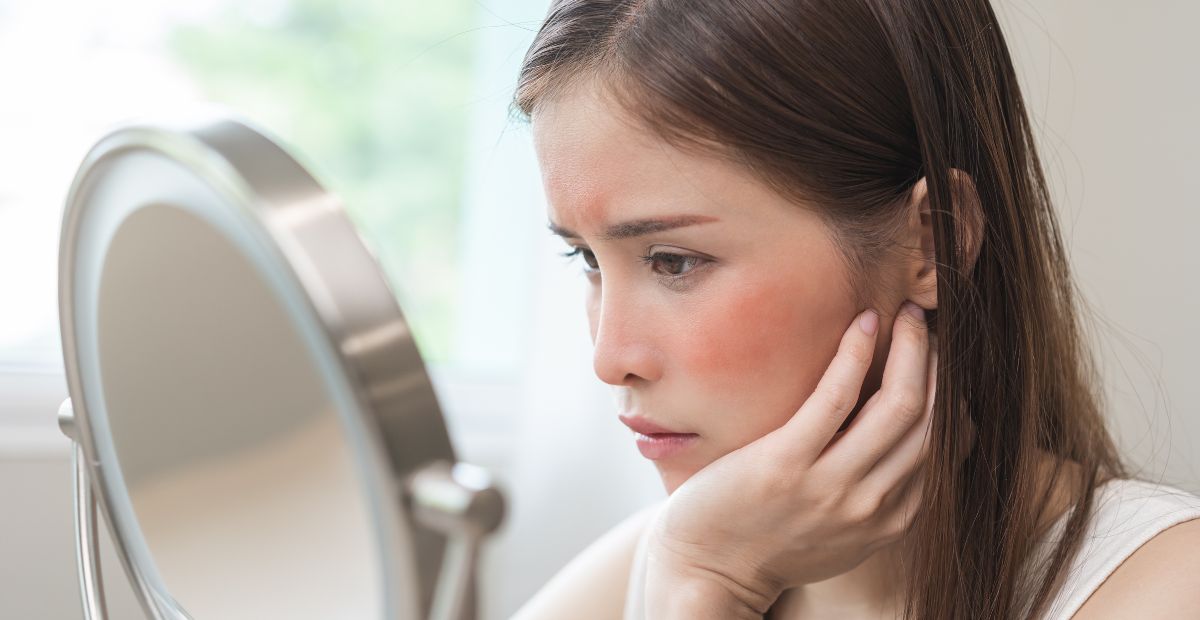
What ingredients are good for rosacea? Niacinamide and azelaic acid are among the best ingredients for rosacea, while irritants like alcohol and fragrance are better left out of your routine. Below, we’ll break down what exactly helps calm rosacea-prone skin—and the full list of triggers to steer clear of.
By now, we’ve shared plenty of tips on managing rosacea in other posts. Check out our takes on the best strategies and key dos and don’ts of rosacea skincare. Plus, OnSkin is always here to spot your skin’s allies and foes, whatever your skin type or condition.
Main Principles of Rosacea Skin Care
Rosacea is a tricky condition, and even dermatologists sometimes find it hard to pin down. What causes it is still not fully understood. So, what do we do? We focus on what we know for sure. We understand that skin with rosacea:
1. May have an impaired skin barrier.
2. May be prone to irritation and water loss.
3. May be prone to inflammation.
That means the right ingredients to address these issues can work wonders for rosacea skin care. And the best part? They do! These ingredients are exactly what rosacea-prone skin may crave.
6 Best Ingredients for Rosacea
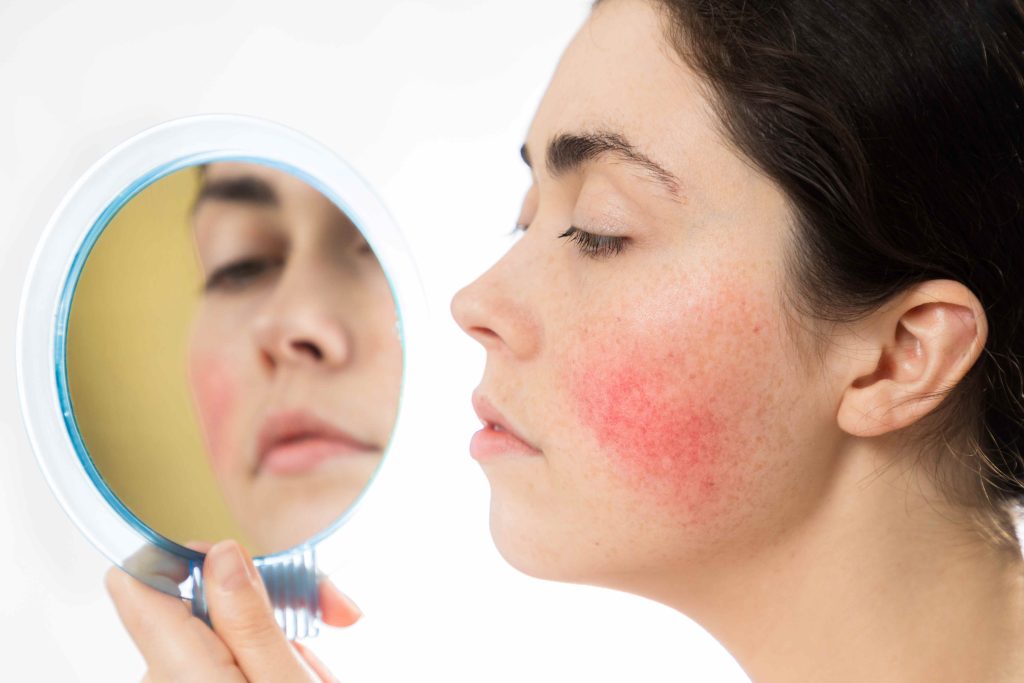
That means the right ingredients to address these issues can work wonders for rosacea skin care. And the best part? They do! Below, we explain in detail what ingredients help with rosacea, so you know precisely what your skin needs.
Azelaic Acid for Rosacea
Azelaic acid is one of the best ingredients for rosacea—it’s FDA-approved, and for good reason! With its anti-inflammatory properties, it can help reduce redness and irritation. Plus, thanks to anti-microbial benefits, it can prevent flare-ups and stop those pesky bumps and pimples (known as papules and pustules) from forming.
The proof is a review of 20 studies, which showed that azelaic acid improved skin clarity better than a vehicle (a base without active ingredients). The studies also found this superhero calms irritation from sun exposure, which is especially helpful for people with rosacea, as sunlight can trigger or worsen their condition.
All these results came from 15-20% prescription-strength formulations. Today, you can also buy 10% over-the-counter options.
In short, azelaic acid tackles two rosacea symptoms at once—helping calm redness and stop new bumps and pimples from forming.
Colloidal Oatmeal for Rosacea
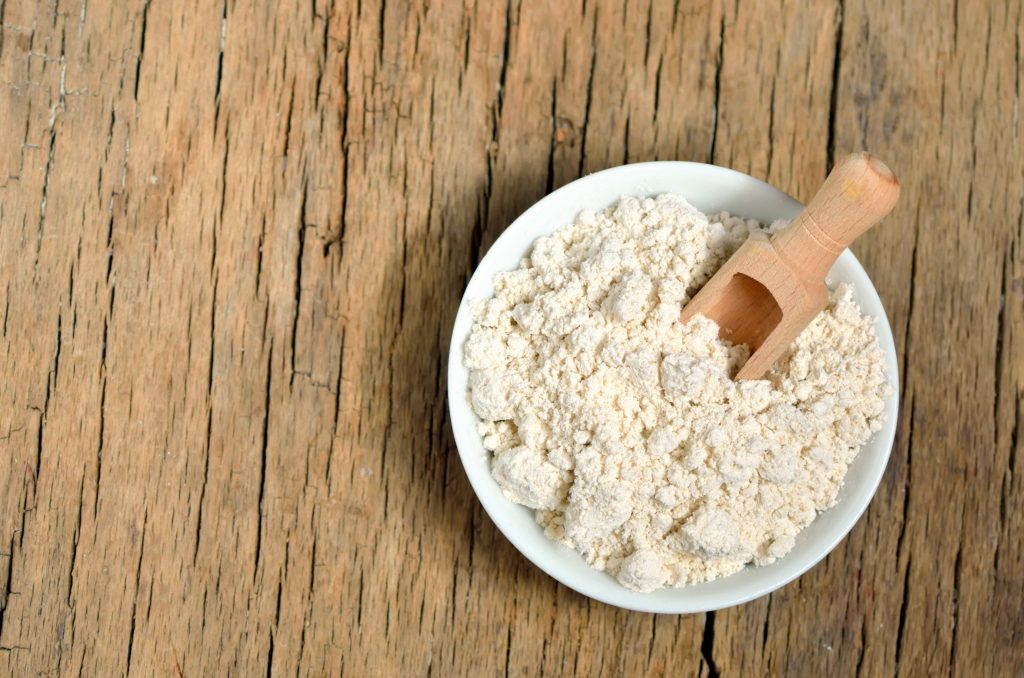
Colloidal oatmeal is just finely ground oatmeal that’s processed to form a powder so tiny, it mixes easily with water and forms a suspension. In skin care, it’s already a classic!
Research shows it can reduce inflammation, relieve itching, and help strengthen the skin barrier. That’s why it’s a go-to for conditions like atopic dermatitis. And since rosacea shares similar symptoms (like redness, irritation, and UV sensitivity) colloidal oatmeal can work just as well for rosacea skin.
Simply put, colloidal oatmeal soothes itchy skin and helps restore its natural barrier.
Niacinamide for Rosacea
Niacinamide is a great skincare ingredient, and it’s especially helpful for rosacea treatment. Not only does it help strengthen the skin’s natural barrier, but it also supports the production of ceramides and collagen. This makes your skin more hydrated and elastic and, as a result, better equipped to handle irritation.
With its anti-inflammatory properties, it can reduce redness and calm irritation (your worst enemies, if you have rosacea). Niacinamide can also help protect your skin from rosacea triggers like sunlight, wind, and temperature changes. As a result, you’ll run into fewer flare-ups.
Need evidence? Research backs niacinamide’s benefits. In one study, 50 people with rosacea used a niacinamide moisturizer on their face and one forearm twice a day. After 4 weeks, nearly all of them had less redness, dryness, and irritation. Plus, their skin was better hydrated. And the best part? All 46 participants who completed the study tolerated it well!
The takeaway: niacinamide strengthens the skin barrier and shields it from everyday triggers like sun, wind, and temperature swings.
Licorice Root for Rosacea
Licochalcone A, a powerful antioxidant from licorice root, is another best ingredient for rosacea, because it helps calm irritation and visibly reduce redness.
Research backs this up. A study with 62 people who had mild to moderate facial redness tested a skincare routine with licochalcone A for 8 weeks. The results? Redness faded and the skin of participants felt more comfortable. Plus, the products with licochalcone A were gentle and well-tolerated.
In other words, licorice root helps fade visible redness while keeping skin comfortable, even over weeks of use.
Tea Tree Oil for Rosacea
Tea tree oil is a natural powerhouse for rosacea symptoms, especially if you’re dealing with an overgrowth of Demodex mites. These microscopic mites naturally live on everyone’s skin, but people with rosacea often have more of them than usual. When their numbers increase, they can contribute to redness and itching. The good thing? Tea tree oil can help keep them in check!
One in-vitro study supports this. Researchers used skin samples from rosacea patients and tested six different concentrations of tea tree oil (ranging from 2.5% to 100%) to see how long the mites lived. The results showed that higher concentrations of tea tree oil killed the mites faster. In fact, at 25%, it worked just as well as some standard rosacea treatments like 5% permethrin.
Here’s the takeaway: tea tree oil targets Demodex mites directly, one of the factors that can contribute to itching and redness in rosacea.
Topical Sulfur for Rosacea
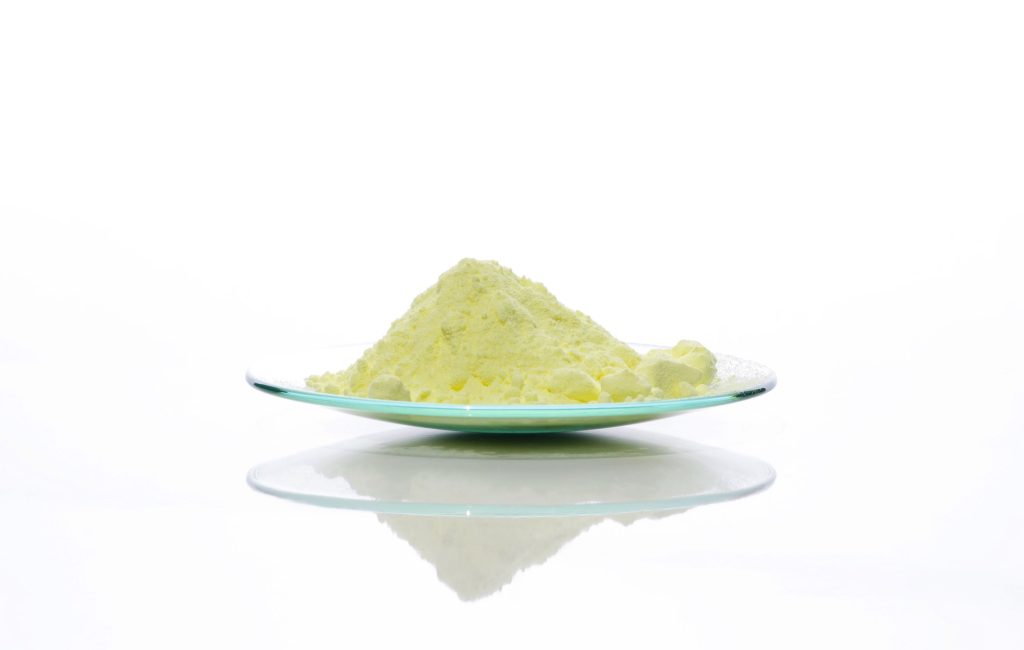
Sulfur-based products are common and easy to find—they come in creams, soaps, masks, and more. Plus, they’re usually pretty easy on the wallet.
There is a study that took a look at how well topical sulfur works for rosacea compared to topical metronidazole in actual patients, not just in the lab. Both treatments worked well, improving things like burning, flushing, and sensitivity. The only thing sulfur didn’t help much with was itching. In fact, both rosacea treatments showed no major differences in effectiveness or side effects.
Bottom line: Sulfur performs similarly to prescription metronidazole for most rosacea symptoms, but may be less effective on itching.
More Ingredients for Rosacea
If you have rosacea-prone skin, a little extra care goes a long way—and the right ingredients for rosacea can help strengthen your skin’s natural defenses. Some ingredients can fortify your skin’s barrier, while others help boost its local immunity. Look out for these:
Ceramides (Ceramide 1, 2, 3, 4, 6, 6 li, and AP). Think of ceramides as the glue that holds your skin barrier together. They help repair damage, reduce dryness, and calm irritation.
Phospholipids. These act like a hydration shield, restoring your skin barrier and keeping moisture locked in.
Squalane. A gentle, soothing ingredient that softens and restores your skin, making it feel more comfortable.
Triglycerides. These help keep your skin hydrated, smooth, and more happy.
Probiotics for Rosacea: What the Research Says
Don’t forget about probiotics—also one of the best ingredients for rosacea! They help keep your body healthy by controlling bad bacteria. The same goes for your skin. Your skin has its own microbiome (a mix of tiny organisms living on it), and when that balance is off, it can lead to skin issues (rosacea is one of them).
Probiotics in skin care help strengthen your skin barrier, making it more resilient to irritation and inflammation. They’re great for rosacea-prone skin because they restore balance and support your skin’s natural defenses. You’ll often find probiotics like Lactococcus, Lactobacillus, Saccharomyces, Bifida, and Streptococcus Thermophilus in skincare products.
And yes, there’s science to back this up! In one study, people with sensitive skin used a cream with Bifidobacterium longum (a probiotic strain) and noticed a big drop in sensitivity. Their skin also became more resistant to physical and chemical stress compared to those using a regular cream.
How to Build a Rosacea Skincare Routine Using These Ingredients
It’s not enough to know the best ingredients for rosacea—you also need to know when to use them. Here are the most common ways to combine these actives in your morning and evening routines.
| Morning | Evening | |
|---|---|---|
| Combo 1 | Niacinamide | Niacinamide |
| Combo 2 | Ceramides, squalane, triglycerides, phospholipids, and/or probiotics and niacinamide | Niacinamide |
| Combo 3 | Niacinamide | Azelaic acid |
| Combo 4 | Ceramides, squalane, triglycerides, phospholipids, and/or probiotics | Azelaic acid |
| Combo 5 | Ceramides, squalane, triglycerides, phospholipids, and/or probiotics | Tea tree oil |
| Combo 6 | Ceramides, squalane, triglycerides, phospholipids, and/or probiotics | Niacinamide and topical sulfur (a few nights a week) |
A few pairing notes:
- Niacinamide and azelaic acid can be safely used together.
- Tea tree oil and topical sulfur can both be drying, so avoid using them on the same day.
- Ingredients like ceramides, squalane, phospholipids, and triglycerides are gentle enough to pair with almost anything on this list, morning or night.
- Probiotics work well alongside barrier-repair ingredients, since both strengthen the skin’s natural defenses.
- SPF should always close your morning routine, as rosacea-prone skin is especially sensitive to the sun.
As always, introduce new ingredients one at a time and pay attention to how your skin responds.
What Ingredients to Avoid if You Have Rosacea
You may also wonder what ingredients to avoid with rosacea. Well, if you have rosacea symptoms, it’s important to steer clear of components that can irritate your skin, cause allergic reactions, or mess with your skin’s protective barrier. Here are some common ingredients to watch out for:
1. Fragrances. Ingredients like citral, coumarin, eugenol, geraniol, and others can trigger irritation and allergic reactions. Even though they might make products smell nice, they can be harsh on sensitive rosacea skin. Not sure if your cosmetics have any of these? OnSkin can help you spot them easily!
2. Preservatives. Methylchloroisothiazolinone, methylisothiazolinone, and similar preservatives are often used to prevent bacterial and fungal growth in cosmetics. Unfortunately, they can irritate your skin and cause allergic reactions. Many brands have stopped including them in leave-on products, but it’s still a good idea to check the label.
3. Alcohols. Ingredients like alcohol, alcohol denat, SD alcohol, and others (sometimes listed under different names) can dry out and irritate your skin, especially in leave-on products. These alcohols are often used as solvents or preservatives. However, they can strip your skin of moisture and weaken its protective barrier, making rosacea flare-ups even worse.
4. Formaldehyde releasers. Imidazolidinyl urea, quaternium 15, diazolidinyl urea, and similar chemicals act as preservatives to prevent microbial growth. Still, studies show they can irritate your skin and trigger allergic reactions.
Remember This
When it comes to managing rosacea, the right ingredients can make all the difference. By choosing products with these proven skincare heroes, you can help soothe and protect your skin. Just make sure to patch test first and check with your dermatologist to find what works for you. And don’t forget about SPF because sun protection is key for keeping rosacea flare-ups at bay.


-
1.
FDA approved treatments for rosacea. https://www.rosacea.org/patients/management-options/fda-approved-rosacea-treatments
-
2.
A systematic review to evaluate the efficacy of azelaic acid in the management of acne, rosacea, melasma and skin aging. (2023). https://onlinelibrary.wiley.com/doi/10.1111/jocd.15923
-
3.
Recent advances in the management of rosacea through natural compounds. (2024). https://pmc.ncbi.nlm.nih.gov/articles/PMC10892689/
-
4.
Niacinamide-containing facial moisturizer improves skin barrier and benefits subjects with rosacea. (2005). https://cdn.mdedge.com/files/s3fs-public/Document/September-2017/076020135.pdf
-
5.
Skin tolerance, efficacy, and quality of life of patients with red facial skin using a skin care regimen containing Licochalcone A. (2006). https://pubmed.ncbi.nlm.nih.gov/17177744/
-
6.
The comparative in vitro killing activity of tea tree oil versus permethrin on Demodex folliculorum of rosacea patients. (2022). https://pubmed.ncbi.nlm.nih.gov/35001487/
-
7.
Real-world evidence for the treatment of rosacea with sulfur or metronidazole preparation in Japanese patients. (2023). https://www.jmaj.jp/detail.php?id=10.31662%2Fjmaj.2023-0100
-
8.
Bifidobacterium longum lysate, a new ingredient for reactive skin. (2010). https://pubmed.ncbi.nlm.nih.gov/19624730/