
Before You Buy: Is Eye Cream Necessary?

Your guides through the skincare chaos
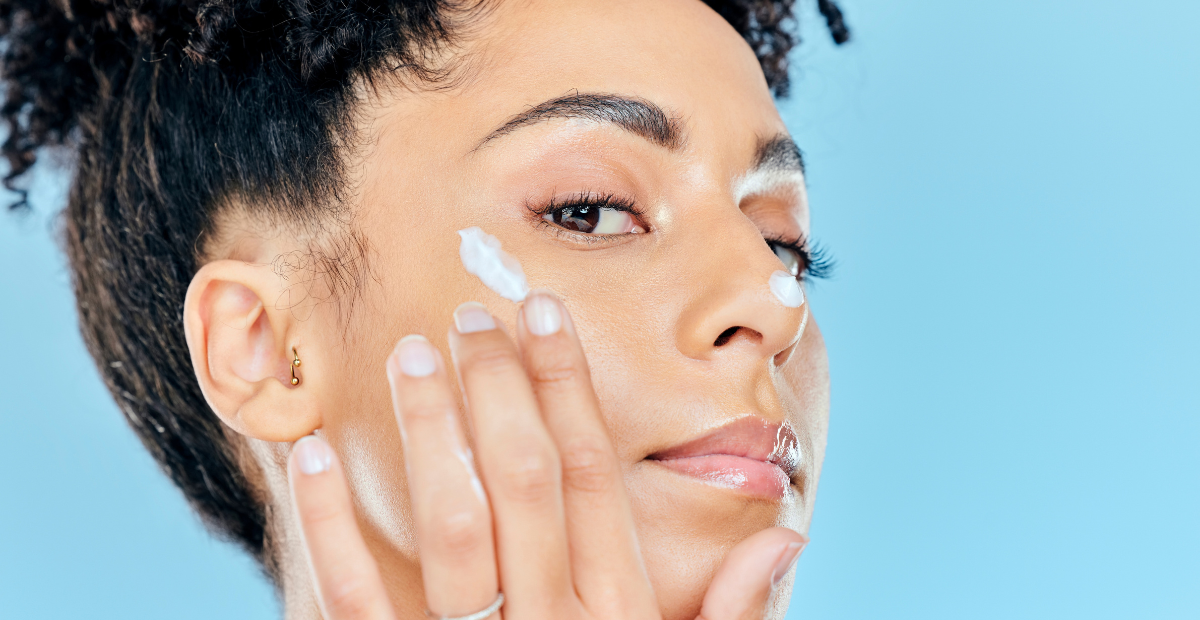
Is eye cream necessary for your beauty routine? There are some tasty benefits an eye cream can offer you, but do they justify the price tag?
Before you make a decision, let’s talk about three things. First, which of your specific concerns can under-eye products address? Second, when is a regular face moisturizer not enough? And third, how do you recognize when someone’s selling you an idea in a pretty package instead of a real solution?

Let’s get into it.
What does eye cream do?
Quality eye creams are usually stronger hydrators, lighter in texture, and formulated with ingredients that specifically target under-eye concerns.
The skin around your eyes isn’t the same as the rest of your face. It can be roughly half as thick as the skin on your cheeks! There are also fewer oil glands, which means this area can dry out faster and show signs of aging much earlier.
And it moves constantly! Think about it: you blink, you squint, you smile, you cry—that’s a lot of work for those tiny patches of skin. Is eye cream necessary to keep them in top shape?
Let’s see.
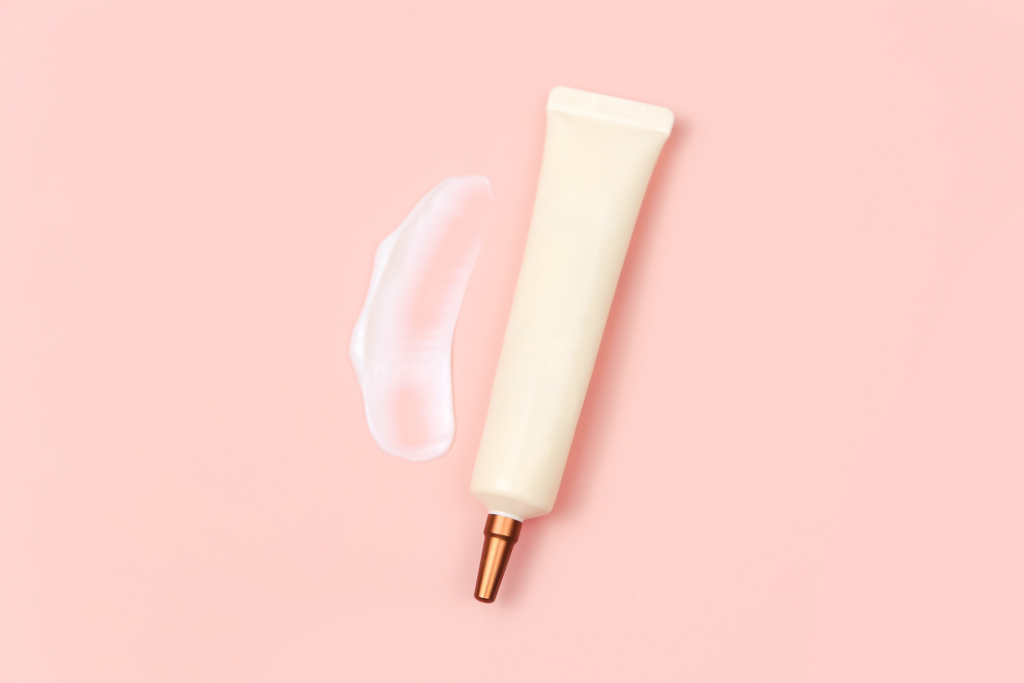
Here’s what a well-formulated eye cream offers you, point by point:
- Stronger hydrating ingredients. Think hyaluronic acid and glycerin.
- Lighter, non-clogging oils. This can help you avoid getting those little white bumps called milia.
- Targeted ingredients. We’re talking caffeine for puffiness or peptides for firmness.
Quick tip: Remember to apply eye cream to the orbital bone. That’s the bony ridge around your eye socket, not the moving part right up against your lash line!
Eye cream vs moisturizer
Does eye cream work without fail, or is a regular moisturizer sometimes enough? The answer wholly depends on your goals and concerns.
Your trusty face moisturizer is formulated for thicker skin that, even at its most sensitive, is less sensitive than your under-eye area. Moisturizers often contain heavier ingredients that work perfectly well for the rest of your face, but can clog the pores of the more delicate skin and lead to milia bumps. Some moisturizers can also contain fragrances or active ingredients that can sting if they migrate into your eyes.

Quick tip: Always check your skincare for potential irritants with a skincare scanner app.
Eye creams, on the other hand, are formulated to be gentle, fast-absorbing, and non-irritating to the eye area.
So, is eye cream worth it for you? Let’s check.
Skip eye cream if:
- You have no specific concerns around your eyes (no dryness, no puffiness, no dark circles)
- Your regular moisturizer doesn’t sting or creep into your eyes
- You’ve never gotten milia in your life
Use eye cream if:
- Your under-eyes feel dry and flaky
- You’re prone to milia, and your moisturizer worsens it
- You want to target specific concerns (puffiness, dark circles)
- You wear concealer regularly (eye cream helps it apply more smoothly)
- You think eye cream feels nice

Can you use eye cream on your face even if your moisturizer does a good enough job? Sure! Sometimes it’s a sensory issue (some moisturizers just don’t feel good on your under-eyes) or a “face cream goes on the face, eye cream goes on the under-eyes” preference. If you enjoy structuring your beauty routine that way, more power to you!
Quick tip: You don’t need to spend $120 on an eye cream. Cheaper alternatives work just as well—just check the ingredients for compatibility with your skin.
Do I need eye cream?
Is eye cream necessary for your specific concern? It could be helpful if you’re dealing with dryness, dark circles, puffiness, or fine lines.
Let’s talk about each.
Dry, flaky under-eyes
Because the under-eye area gets dry faster than the rest of your face, a good hydrating eye cream with squalane, hyaluronic acid, or ceramides can make a real difference.
Dark circles (brownish vs. bluish)
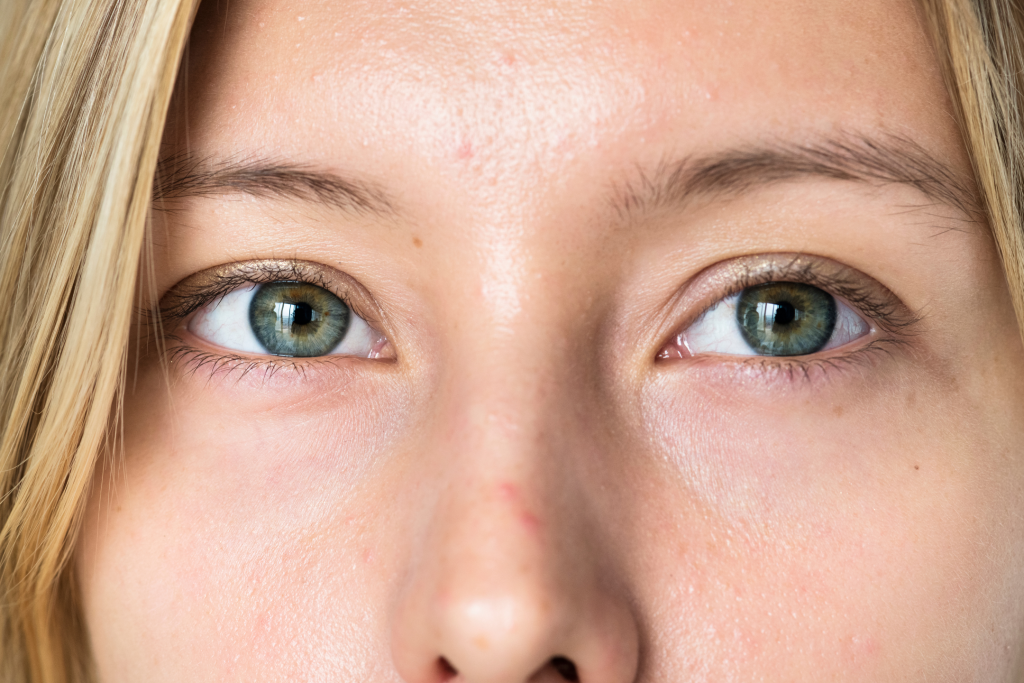
Brownish dark circles are usually hyperpigmentation, which responds well to vitamin C, niacinamide, or tranexamic acid over a few months. Bluish or purplish circles are usually the result of thin skin showing the blood vessels underneath. It can be genetic, and no cream can fully erase that. A caffeine eye cream can help temporarily improve the appearance of bluish under-eyes, but honestly? So can a good color-correcting concealer.
Morning puffiness
Caffeine is truly your friend in the morning, so you can both feel and look more awake. In a cup, it wakes you up. In an eye cream, it temporarily constricts blood vessels and reduces swelling. Is eye cream necessary here? Not really. A cold spoon or chilled eye mask, applied for two minutes, works just as well. But then again, an eye cream usually offers more than just de-puffing.
Fine lines and crepey skin
Look for low-strength retinol creams (0.1% or less), peptides, or bakuchiol (a gentler plant-based alternative). But—and it cannot be stressed enough—applying sunscreen around your eyes (and on the rest of your face, neck, and ears) every single day before leaving home is more important than any cream. UV damage is notorious for causing early under-eye wrinkles.

Quick tip: Remember that there are things even the most expensive creams can’t do. Those include erasing deep wrinkles in the course of a month, curing genetic dark circles, or—and this one’s really important—replacing eight hours of sleep. If you see an eye product promise any of that, exit the tab.
Key takeaways
- Whether you need eye cream depends on your skin and budget.
- Eye cream can help with dryness, puffiness, fine lines, and dark circles.
- Eye cream can’t erase deep wrinkles or genetic (bluish) dark circles.
- Moisturizer works fine? Skip the eye cream. Milia or persistent dryness? Get it.
- Dryness → hyaluronic acid. Puffiness → caffeine. Brown circles → vitamin C. Fine lines → retinol + SPF.


FAQ
-
Where do I start with OnSkin?
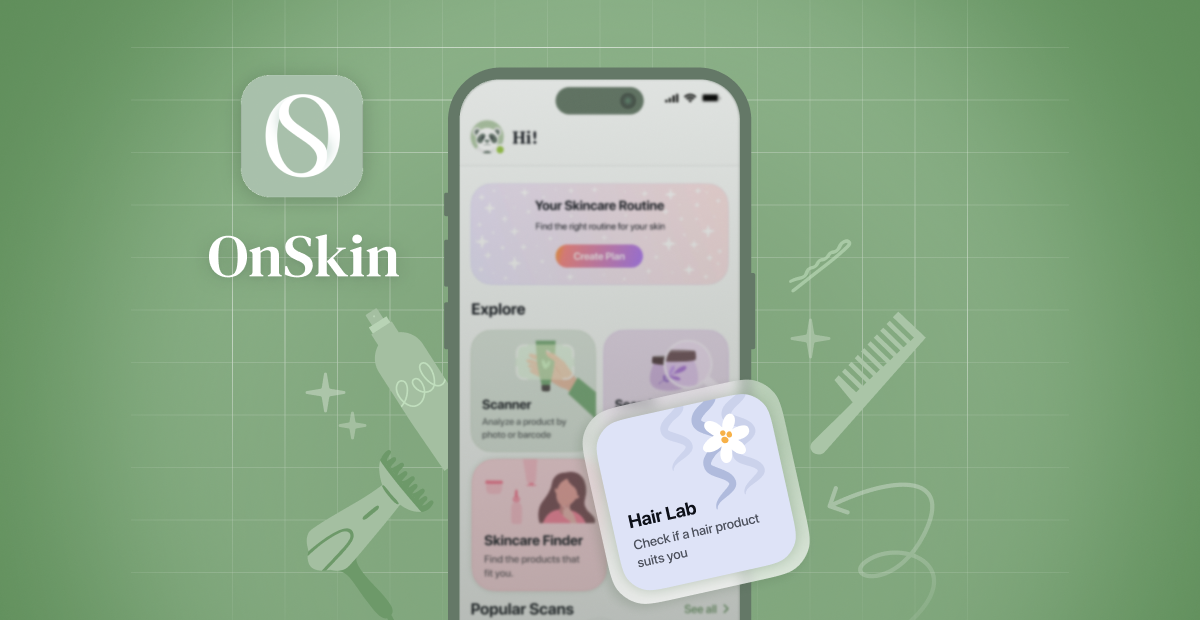
Download the app and think of a product you’d like to know more about. Then, go to the main screen and choose how you’d like to get the info —by manually looking it up in the search bar, by scanning its barcode, or by simply taking a picture of the packaging. Once you’ve done any of these, you can see how safe the product is and if it suits your skin or hair (if this analysis is available).
-
What is Safety Rating, and how is it calculated?
In OnSkin, we base product rates on ingredients. Each is closely studied by our medical team and then evaluated. This way, each product gets a score from 0 to 100, with 100 as the safest level.
Safety Levels
- Excellent (76–100)
- Good (51–75)
- Not great (26–50)
- Bad (0–25)
These scores are backed by the latest scientific studies. You can find links to the resources we’ve used on each ingredient page. To assess the safety of product ingredients, we evaluate them according to the following parameters/criteria
- Endocrine disruption risk / Reproductive toxicity
Indicates the probability of mimicking, blocking, or interfering with the body hormones.
- Сarcinogenicity
Measures the potential risk of inducing cancer.
- Allergy risk
Estimates the probability of an allergic reaction.
- High concentration alert
Determines the risk of being unsafe in certain amounts.
-
What is Skin Match?
Based on the info you input about your skin type, age, skin care goal, and other “settings,” OnSkin checks how well a product is tailored to your unique skin needs — it’s basically like a dermatologist helping you find the right products, minus the fees and the long wait. The product you’re checking might be labeled as It’s a match!, Hit-or-miss, or Not a match for you. The app also detects ingredient groups such as Anti-acne, Anti-inflammatory, Moisturizes, May be drying, Comedogenic, and others — by tapping one, you see exactly what ingredients from this or that group are in the product.
-
I seem to have a problem with using the app. Who should I contact?
Please reach out to us at [email protected], and we’ll carefully look into your issue. Your ideas for improving the app are also very welcome!
-
Do you have an Android version?
Not yet! Hey Android users, we hear you, and we're thinking about making an Android version, but we haven't started the development yet.

It’s on the way to your inbox.
Don’t forget to check your spam folder!