Lip Mask 101: Everything You Need to Know Before Buying

Your guides through the skincare chaos
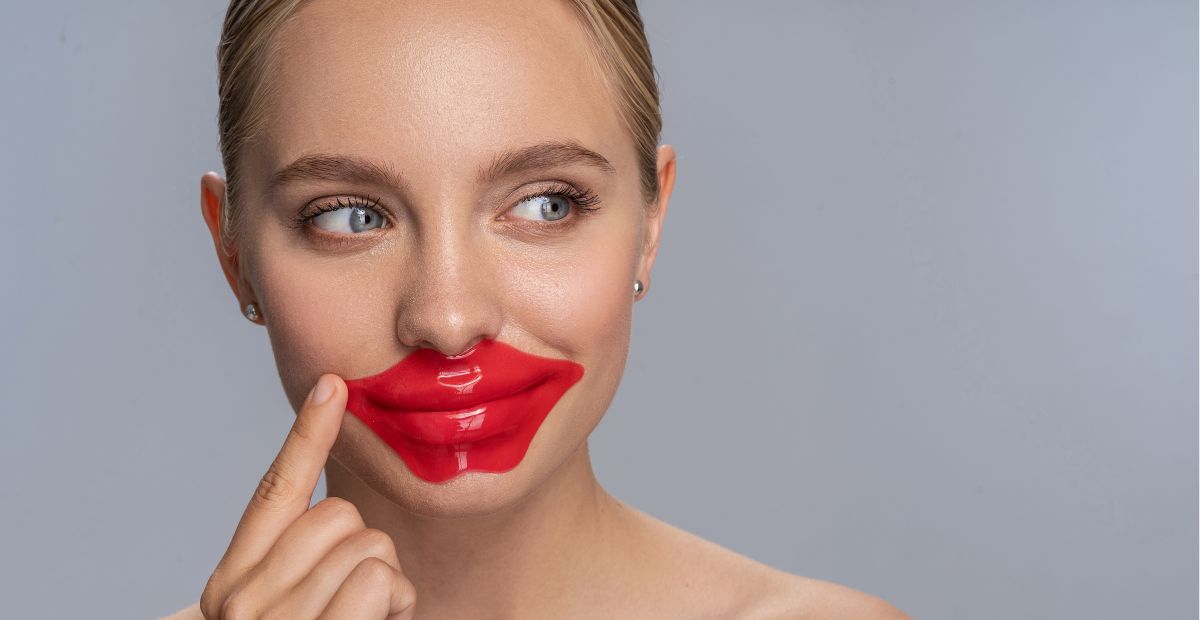
We’ve all got our face mask routine down by now. But lip masks—do we really need those too?
A lip mask follows the same idea: active ingredients need time to absorb, and keeping them on is exactly what makes them work. With lips, though, there’s even more reason for that extra attention. This guide breaks down why, which type suits you best, and what to actually look for on the label.
What Makes Lip Skin Different
Lip skin is remarkably thin—just three to five cell layers, compared to around sixteen in facial skin. It’s thin enough that blood vessels show right through and give lips their natural pink color. It also means the barrier function is significantly weaker.
Then there’s the moisture problem. Lips have no oil glands, no sweat glands, no hair follicles—nothing to support natural hydration. And water loss is nearly three times (!) higher in lips than in cheeks. Licking dry lips only makes things worse, since saliva evaporates quickly and takes whatever moisture was left with it.

Lips also contain less melanin than the rest of your skin, which translates to less natural protection against UV rays. So if you’re not applying SPF to your lips, you probably should be.
Lips, then, are thinner, drier, and more exposed than the rest of your skin. No wonder lip masks caught on.
How Did Lip Masks Even Become a Thing?
Lip masks actually have pretty humble beginnings. They started gaining traction in South Korea, where multi-step skincare routines are basically a way of life, and Korean brands pioneered the overnight lip mask format.
From there, it spread fast. TikTok and Instagram did the rest with before-and-after videos and late-night tutorials.

And the trend isn’t slowing down. If anything, it’s going mainstream. More men are getting into lip care, clean formulations are becoming a bigger priority, and products are getting more sophisticated. It’s less about “moisturizing gloss” and more about “targeted treatment” now.
Which raises the question: what would be in your best lip mask? The answer depends on the formula, and the formulas vary.
Let’s Talk Ingredients
Flip any lip mask over, and you’ll notice the ingredient lists can look pretty different from one product to the next.
You can find a lot of natural formulas out there: rosehip oil, shea butter, jojoba, beeswax, honey, and botanical extracts. That clean beauty wave hit lip care just as hard as the rest of skincare.
Synthetic formulations are still very much in the game, though—and for good reason. Lab-derived ingredients like ceramides, peptides, retinol, vitamin C, and AHAs (think glycolic acid, lactic acid, mandelic acid, and others) are designed to target specific things. We’re talking fine lines, barrier repair, and uneven texture.
So who should go for what?
If you have sensitive skin or just prefer keeping things clean, a natural formula is a solid starting point. If you’re after something more specific, like barrier repair or visible plumping, a synthetic or hybrid formula is likely going to work harder for you.

Honestly, you don’t have to choose just one. A lot of people use a gentle, natural mask daily and pick something more active when their lips need a real reset. The two approaches work pretty well together.
Pro tip: OnSkin is here to help you pick the right mask for your lips. It gives a detailed explanation of a product’s formula and safety. Just scan a barcode, take a photo, or search by product name, and the app breaks down every ingredient inside.
A Lip Mask for Every Concern
Equally important is knowing what you’re actually buying it for. Each lip mask targets something specific, and here’s what they can do:
1. They can hydrate—and plump.
These are rich, balmy formulas packed with hyaluronic acid, shea butter, and glycerin—ingredients that draw moisture in. With a hydrating lip mask, your lips can look softer and visibly fuller. Classic, the one most people picture when they think “lip mask.”

One thing to note: any plumping effect is temporary. Some masks list collagen as a boosting ingredient, though experts argue the molecules are too large to penetrate the skin. The visible fullness you get is most likely just well-hydrated lips.
2. They can exfoliate.
These masks work a bit differently. Instead of adding moisture, they first clear away the dry, flaky layer on top using sugar crystals or gentle acids. That way, your lips are smooth enough to absorb all that hydration afterward. These masks also make for satisfying before-and-after content, which is one of the reasons they blew up on social media.
3. They can be anti-aging.
Retinol and peptides in a lip mask basically make it a serum, but for your lips. It may sound a little extra until you realize the lip area is actually one of the first places to show fine lines. These work best overnight, giving the actives time to do their job. Just keep in mind that one night won’t make your lips look younger—consistency is key.
There is also a growing mix of more specific formats: tinted masks, SPF-infused ones, medicated patches. Some lip masks are designed to be worn overnight, while others are worn for a shorter period, say 15 minutes. Whatever your lips need right now, you’ll likely find something for it.
Getting the Most Out of Your Lip Mask

A few simple things make a real difference:
1. Exfoliate first. A quick scrub with a lip exfoliator or even a soft washcloth removes dry, flaky skin and lets the mask actually sink in.
2. Follow the instructions. Some masks are meant to stay on for 10 minutes, others overnight. It sounds obvious, but it actually matters.
3. Don’t stop there. A lip mask works best as part of a broader routine. Drink enough water, because hydration starts from within. Use a nourishing lip balm daily, especially before bed. And apply SPF to your lips, not just your face.
4. Avoid a couple of things. Don’t lick your lips (it makes dryness worse) and skip lip products with alcohol or artificial fragrances, which can hurt more than help.
Key Takeaways
Lips are small, but what they go through isn’t. Wind, sun, food, your expression—it all adds up. A lip mask isn’t just another fad to add to the collection. Used consistently and with the right formula, it can genuinely change how your lips both look and feel—whether that means more hydration, smoother texture, temporary plumping, or softened fine lines. Start simple, pay attention to the ingredients, and adjust from there. Your lips will thank you.


-
1.
Aging of the human lip: Current knowledge and clinical implications. (2025.) https://onlinelibrary.wiley.com/doi/10.1111/jocd.70310
-
2.
Lip mask market. (2026.) https://dataintelo.com/report/global-lip-mask-market
-
3.
Myths and facts in topical collagen. (2024.) https://cosmeticchemist.co.uk/myths-and-facts-in-topical-collagen