Everything You Want to Know about Shea Butter and Its Benefits

Your guides through the skincare chaos
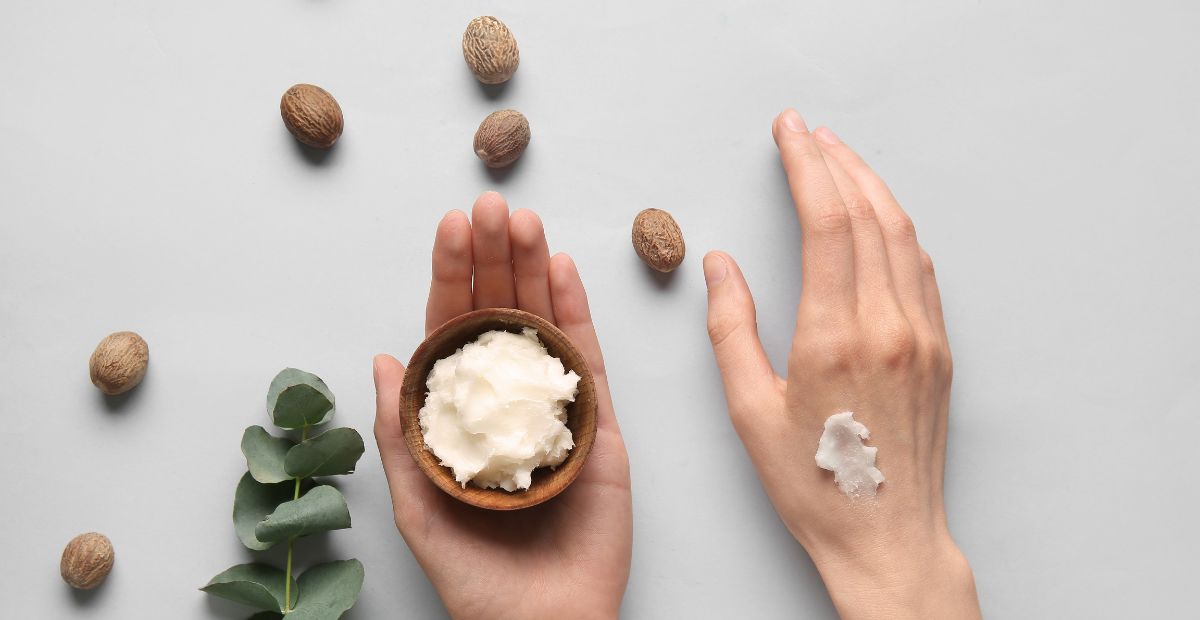
When colder days creep in and skin starts begging for extra care, shea butter quietly steps in as the hero. Velvety, rich, and endlessly soothing, it’s the kind of ingredient that turns a basic skincare routine into a small daily ritual. No wonder it’s been adored for ages.
Where Does Shea Butter Come From?
So, what is shea butter really? At its core, shea butter is a plant fat derived from the nuts of Vitellaria paradoxa, a tree that grows across the savannas of West Africa.
Women in local communities have traditionally crafted it through roasting, grinding, and separating the fat from the kernels—a method still widely used today. The result is an ivory, butter-soft substance that has found its way into modern beauty routines everywhere.
What’s Inside Shea Butter
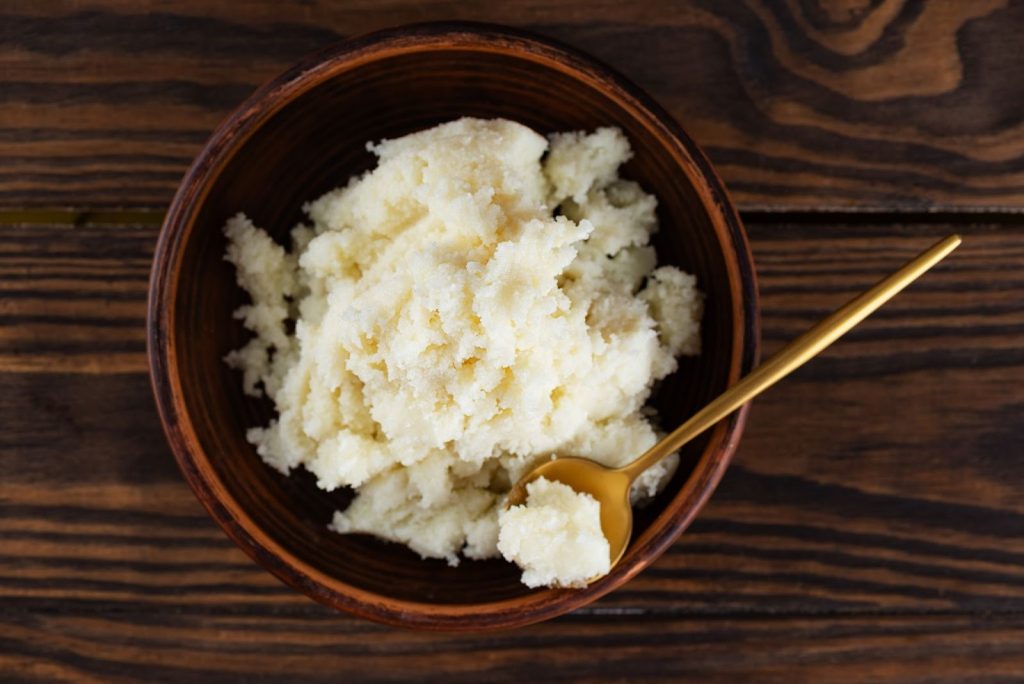
The nutrient composition behind this ingredient is one of the major reasons it has become a skincare favorite.
It contains triglycerides rich in oleic, stearic, linoleic, and palmitic acids, which help smooth and hydrate the skin. But what truly sets it apart is its unsaponifiable fraction: triterpenes, tocopherols (vitamin E), phenols, and sterols. These compounds deliver many shea butter benefits, from antioxidant protection to anti-inflammatory properties.
Does Shea Butter Suit Everyone?
If you’re wondering whether shea butter is a match for your skin type, here’s the good news. It can be a good fit for all skin types. Its soothing qualities make shea butter a favorite for those seeking gentle nourishment.
Plus, it’s generally considered non-comedogenic. Translation? It’s unlikely to clog your pores. But, as always, skin is personal—and testing a small amount first is your best bet.
What Shea Butter Does for the Skin
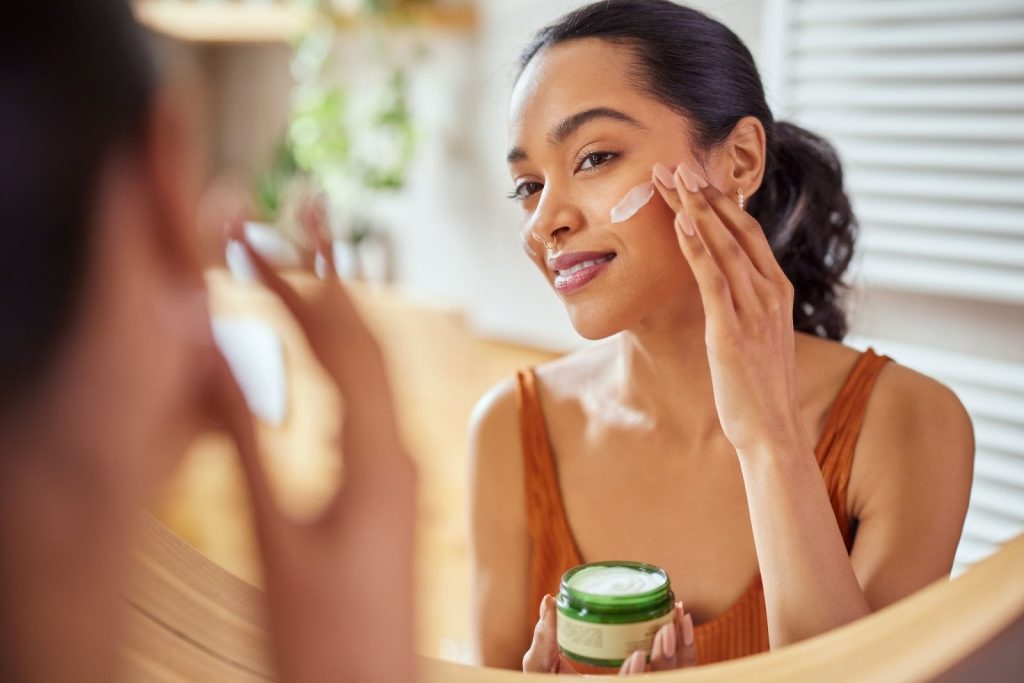
Shea butter cares for skin in a simple yet effective way. Its natural oils, vitamins, and plant compounds work together to hydrate, soothe, and support the skin’s resilience. Several studies explain why this ingredient has stayed popular for so long.
Moisturizing Properties
Shea butter melts into the skin and creates a protective layer that helps hold onto moisture and soften dry areas.
The proof is a study on children with atopic dermatitis, a condition where the skin is very dry and the barrier is fragile. For four weeks, its participants used a cream containing shea butter extract, and it worked about as well as a ceramide-precursor product, known for strengthening the skin barrier. Plus, kids who liked using the shea butter moisturizer also experienced less itching and felt more comfortable day to day.
Antioxidant Protection
Our hero contains vitamin E and plant phenols—two groups of antioxidants that help the skin defend against everyday stressors. These include free radicals generated by pollution and UV exposure.
Studies confirm that the amount of vitamin E (specifically alpha-tocopherol) in shea butter varies a lot depending on where the trees grow. Butters from hot, dry regions had especially high levels of alpha-tocopherol, giving them stronger antioxidant potential.
Anti-Inflammatory Effects
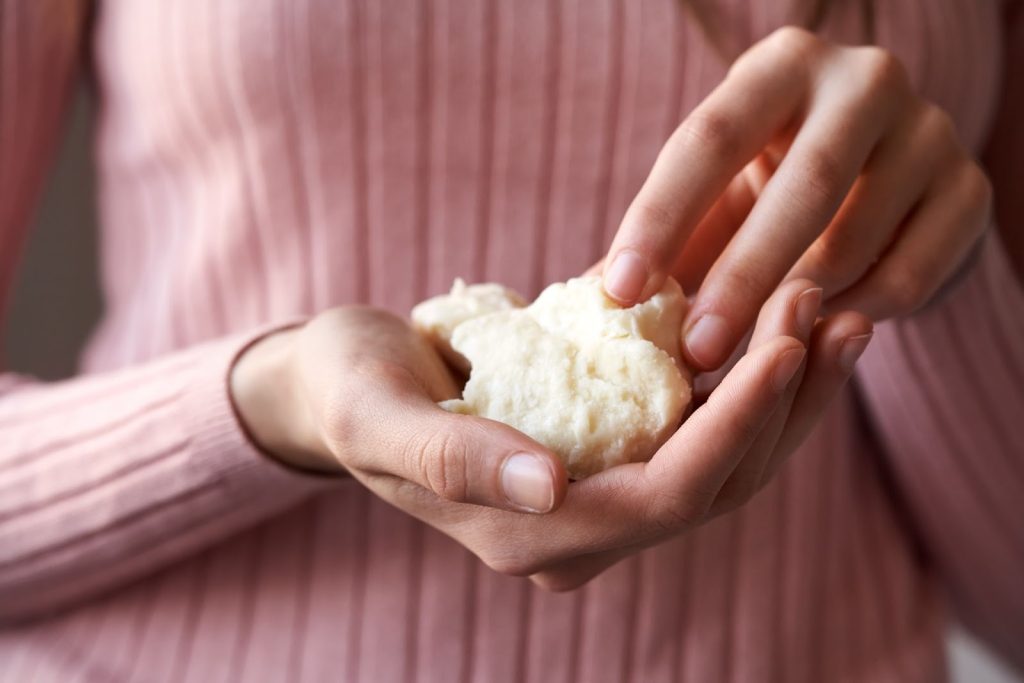
Shea butter also brings a calming touch.
One lab study showed that its extract can calm inflammatory activity in immune cells. When the cells were exposed to something that normally triggers strong inflammation, the shea extract lowered several key inflammatory signals. It also slowed down the enzymes and pathways that normally ramp up inflammation.
In even simpler terms: shea butter benefits are about toning down your skin’s “alarm system” when irritation flares. As a result, it may ease redness, inflammation, and discomfort triggered by weather, friction, or dehydration.
Antibacterial Benefits
Another surprising benefit of shea butter? It proved to help certain antibiotics work better against bacteria.
This is about fusidic acid, used to treat bacterial skin and eye infections. In this study, researchers packed fusidic acid into tiny fat-based particles called solid lipid nanoparticles, using shea butter as the main fat because it also has some antibacterial properties.
As a result, the shea-infused solution was found to be stable, gentle (it didn’t irritate the skin of treated rats), and made the antibiotic even more effective.
How to Use Shea Butter From Head to Toe

From hair to heels, this superhero is incredibly versatile. Its rich, nourishing texture makes it a go-to ingredient for soothing, protecting, and hydrating skin and hair all over the body:
1. Hair care. Shampoos, conditioners, and masks with shea butter can soften hair and protect it from breakage. At the same time, over-brushing or heat styling can weaken your strands, and these habits explain what to watch out for.
2. Dry hands. A shea butter cream is a lifesaver for hands that get dry from washing or cold weather. Its fatty acids lock in moisture, while its calming properties soothe irritation. For extra care ideas, there’s a guide for dry hands.
3. Cold-weather rescue. As the air gets colder and drier, skin tends to lose moisture faster and needs richer formulas. Products with shea butter (as well as ceramides, niacinamide, vitamin C, and plant oils) are your hydration heroes through colder days.
4. Heel repair. Cracked heels respond well to shea butter. It softens thick skin, helps repair small cracks, and keeps feet hydrated.
Why Shea Butter Lasts
Shea butter goes beyond trends. It nourishes, soothes, and protects skin from head to toe. Spread it on winter-weary cheeks, rub it into hands, or massage it onto cracked heels. Once it becomes part of your routine, you’ll see why it’s lasted for generations.


-
1.
Nutritional composition of shea products and chemical properties of shea butter: a review. (2014.) https://www.researchgate.net/publication/258826779_Nutritional_Composition_of_Shea_Products_and_Chemical_Properties_of_Shea_Butter_A_Review
-
2.
Patient acceptability, efficacy, and skin biophysiology of a cream and cleanser containing lipid complex with shea butter extract versus a ceramide product for eczema. (2015.) https://pubmed.ncbi.nlm.nih.gov/26314567/
-
3.
An overview of plant phenolic compounds and their importance in human nutrition and management of type 2 diabetes. (2016.) https://pmc.ncbi.nlm.nih.gov/articles/PMC6274266/
-
4.
Influence of climate on the tocopherol content of shea butter. (2004.) https://pubmed.ncbi.nlm.nih.gov/15137838/
-
5.
Anti-inflammatory effects of shea butter through inhibition of iNOS, COX-2, and cytokines via the Nf-κB pathway in LPS-activated J774 macrophage cells. (2012.) https://pubmed.ncbi.nlm.nih.gov/22499721/
-
6.
Shea butter potentiates the anti-bacterial activity of fusidic acid incorporated into solid lipid nanoparticle. (2022.) https://pubmed.ncbi.nlm.nih.gov/35746012/