Peptides for Skin 101: Discover Their Types, Benefits, and Best Practices

Your guides through the skincare chaos
Peptides are a skincare wonder ingredient. Touted for their anti-aging properties, they can do a lot more than just give you that youthful look.
If peptides are still not on your radar, we’re here to give you the lowdown on these tiny molecules, their numerous benefits for skin health, and actionable tips on making them part of your daily routine. Dive in!
What exactly are peptides?
Peptides are everywhere in our body cells and tissues. They’re small molecules, comprised of short chains of amino acids.
But don’t let their miniature size fool you; when hundreds or thousands of peptides come together, they form more complex structures like proteins, enzymes, and whatnot.
Peptides are the essential constituents, making up collagen, elastin, and keratin—key proteins responsible for healthy skin and hair.
While our body naturally produces peptides, they can also be synthesized in labs or even extracted from rice, soybeans, and yeast, to name a few.
What are the peptide types and their function?
With a multitude of peptides out there, it’s a real head-scratcher trying to figure out what they can offer for skin.
For the sake of simplicity, all peptides are classified into four major groups. Here’s a brief overview of each category (with examples) and its core functions in skincare:
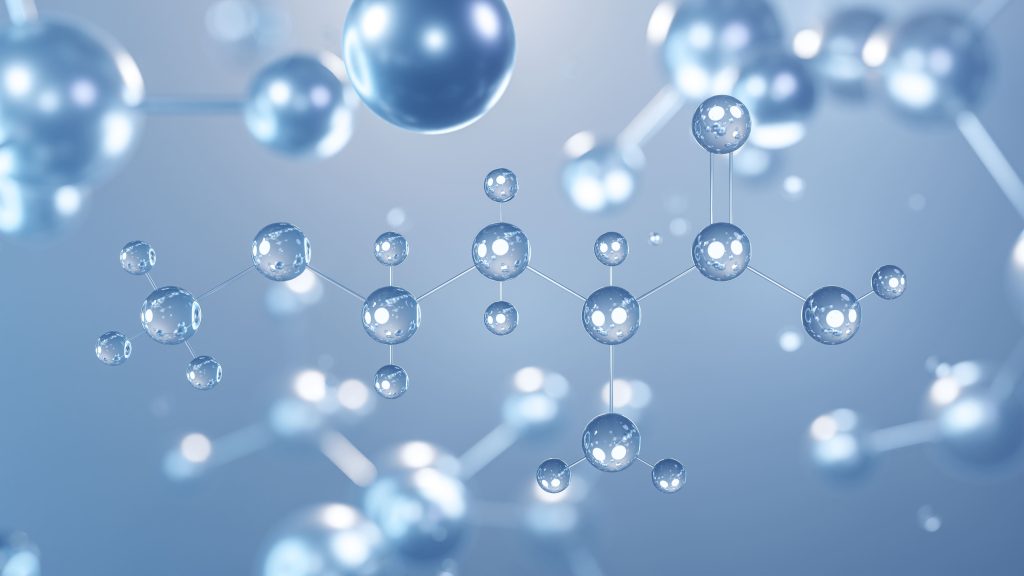
- Signal peptides: kick off certain processes and mechanisms, e.g., collagen production. They trick your skin by sending thousands of messages/signals to make more collagen, elastin, or other proteins. Signal peptides include Palmitoyl Pentapetide-4, Tripeptide-10 Citrulline, Palmitoyl Tripeptide-1, and Palmitoyl Hexapeptide-12.
- Carrier peptides: deliver specific substances, like copper and magnesium, that will benefit skin cells and their cell function. Copper Tripeptide-1 is a classic example of a carrier peptide.
- Neurotransmitter-inhibiting peptides: prevent muscles from contracting when you squint, frown, or show other facial expressions. While often marketed as “Botox in a jar,” these peptides will hardly replace injections. If you see the names Acetyl Hexapeptide-3 (Argireline®), Pentapeptide-18, or Tripeptide-3, know these are neurotransmitter-inhibiting peptides.
- Enzyme-inhibiting peptides: reduce the activity of enzymes, which accelerate aging processes. Some of the most prominent examples of these peptides include silk, soybean, and rice-derived peptides.
What are the benefits of using peptides for skin?
Peptides are pretty versatile when it comes to treating skin concerns. Wrinkles, inflammation, hyperpigmentation, or loss of skin elasticity may seem hard to tackle, but not for these tiny molecules.
Their small size gives them an edge in penetrating deep into the skin and driving great results. Let’s zero in on all the benefits of peptides for skin and what science has to say about them.
Restore photodamaged skin
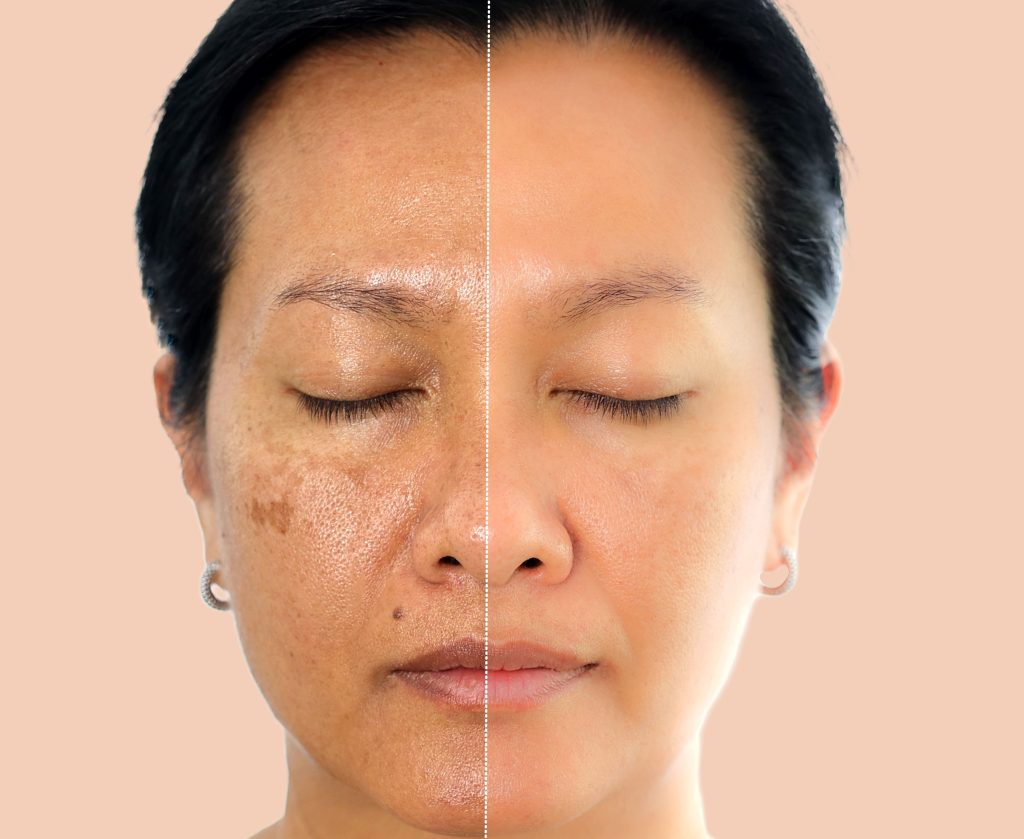
The sun can really mess with your skin, leading to numerous long-term consequences, namely:
- dark spots,
- freckles,
- saggy skin,
- wrinkles and fine lines,
- and more.
Needless to say, applying sunscreen can make a big difference.
But what if photodamaged skin is already a concern for you? Can peptides help? Definitely, and here’s a study to prove this.
17 women (aged on average 52), with slight to moderate signs of photoaging, took part in the research. For 12 weeks, they used a combination of a hyaluronic acid serum and a peptide cream twice a day.
After sticking to this routine, the participants’ skin texture and tone visibly improved, while face and neck wrinkles noticeably diminished.
Smooth out wrinkles
Peptides make wrinkles less noticeable—science supports this point.
In a dedicated research, a group of 15 women applied a cream with palmitoyl tripeptide-1 twice daily for four weeks. The result? Their skin felt smoother, while the length and depth of wrinkles reduced considerably.
Another peptide (palmitoyl hexapeptide-12) was tested in a double-blind study with 10 female volunteers, aged between 32 and 56.
For a month, the participants used either a cream with 4% of this ingredient or a placebo twice daily. The study showed that palmitoyl hexapeptide treatment improved skin tone, elasticity, and firmness, as well as reduced signs of fatigue.
Calm irritated skin
Certain peptides can be a good remedy for soothing red, inflamed skin. Synthetic ones (e.g., palmitoyl tripeptide-8, palmitoyl tripeptide-5, and acetyl hexapeptide-49) work more effectively. They’re tiny and easily absorbed, making them ideal for quickly targeting problem areas.
In contrast, natural peptides vary in size; some are quite large and may cause allergies. Moreover, they’re more costly to extract.
Help treat acne
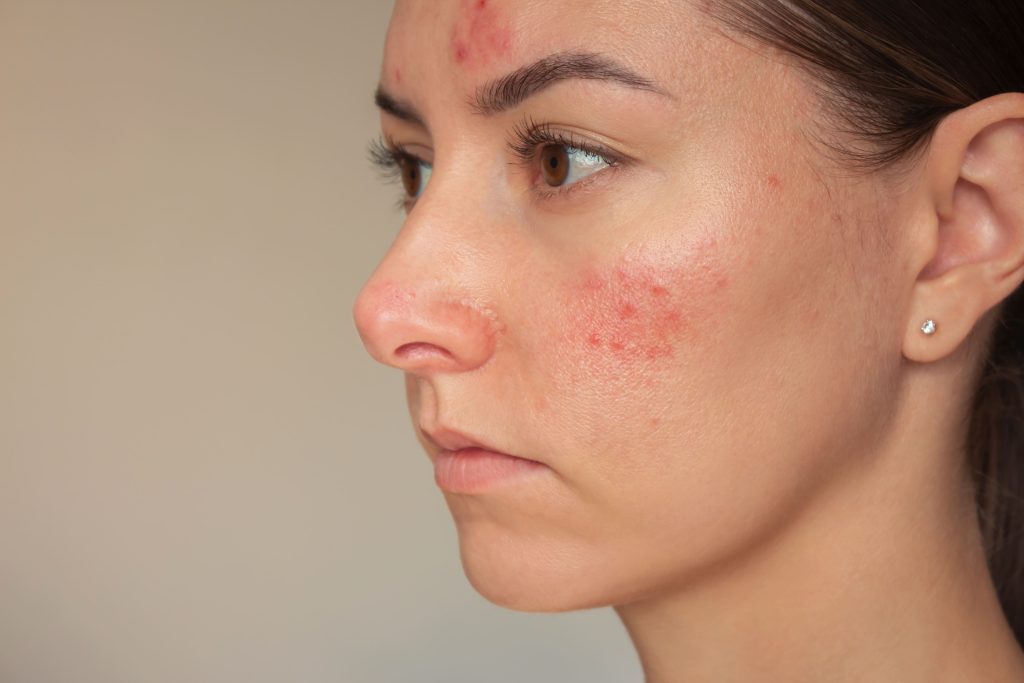
There’s a certain group of peptides, known as antimicrobial peptides, that appear to have good anti-acne potential.
Some promising trials have shown them to reduce acne bacteria and promote healing. However, further clinical research is still needed to confirm these findings.
AMPs also boast anti-inflammatory properties that can assist in reducing redness and swelling, symptoms typical of acne breakouts.
Tips on using peptides for skin
Ready to jump on the peptide bandwagon? Here are some bits of advice to help you make an informed decision while navigating the myriad of options available.
Take a moment to sift through these useful tips:
- Choose leave-on products. Peptides need time to work their magic on skin. Products designed for extended wear on your face are just spot-on. For the best results, make sure you use them consistently.
- Take heed of the concentration. If you want the product to really deliver, look for peptides at the top of the ingredients list. This ensures that the formulation has a higher concentration of active compounds.
Having trouble puzzling out the ingredients in skincare products? The OnSkin app will save you the guesswork. Simply snap the product or its barcode and get a detailed breakdown of its components. - Complement with other skincare ingredients wisely. Peptides are friendly players, so feel free to pair them with other active ingredients, like vitamin C, niacinamide, hyaluronic acid, and retinol.
- Remember to patch test first. Like with any other product, try out peptide-infused formulations on a small bit of skin first and see how it reacts. In case of any irritation, ditch the product immediately.
Peptides for skin happiness
Known for decades in the beauty industry, peptides are finally getting the kudos they’ve long been due. These skincare superheroes, though small, pack a powerful punch when it comes to boosting collagen, improving skin elasticity, and minimizing inflammatory reactions.
Research shows that peptides are particularly effective in tackling skin aging, which is why they’re often recommended for rejuvenation starting at the age of 35 to 40.
Smart use with complementary ingredients can result in healthier and more youthful skin. Just watch your skin response and enjoy the long-term benefits of this game-changing component.


-
1.
Peptides: Emerging candidates for the prevention and treatment of skin senescence: A review. (2025). https://pmc.ncbi.nlm.nih.gov/articles/PMC11762834/
-
2.
Efficacy and tolerability of a hyaluronic acid‐based serum and a peptide‐rich cream for the face and neck in subjects with photodamaged skin. (2022). https://pmc.ncbi.nlm.nih.gov/articles/PMC10286638/
-
3.
Topical peptide treatments with effective anti-aging results. (2017). https://www.mdpi.com/2079-9284/4/2/16#B13-cosmetics-04-00016
-
4.
Usage of synthetic peptides in cosmetics for sensitive skin. (2021). https://pmc.ncbi.nlm.nih.gov/articles/PMC8400021/
-
5.
Antimicrobial peptides: challenging journey to the pharmaceutical, biomedical, and cosmeceutical use. (2023). https://pmc.ncbi.nlm.nih.gov/articles/PMC10219530/#abstract1