A Guide to Choose the Right Barrier Repair Cream

Your guides through the skincare chaos

The skin barrier doesn’t get enough credit. It keeps moisture in, blocks irritants, and quietly repairs itself around the clock. But it’s more fragile than it looks, and once compromised, the effects go far beyond dryness. With a good barrier repair cream, you can turn things around.
In this guide, we break down how the barrier works, what damages it, and how to restore the skin barrier with products that actually do their job.
A Few Words about the Skin Barrier
Our skin barrier does more than just keep moisture in. It performs several tasks at once, most of which occur in the outermost layer of the skin (known as the stratum corneum). The stratum corneum is made up of dead, keratin-filled cells bound by lipids.
Together, they:
- Keep skin hydrated
- Block bacteria and allergens
- Protect skin against UV damage
- Defend skin against oxidative stress
When everything is functioning properly, you barely notice how hard the outer layer is working to protect your skin. But compromise the barrier, and all of these defenses start to break down.
When the Skin Barrier is Compromised…
…it starts losing water faster than it should. This is called transepidermal water loss (TEWL). That’s when things start to get messy: the skin can’t shed dead cells properly, loses elasticity, becomes rigid, and its outer layer starts overproducing cells to compensate.
What causes it?
Some triggers are external. Think harsh skincare products, certain medications, pollution, sun exposure, and low humidity. Others come from within. Conditions like eczema and psoriasis come with barrier weaknesses. So does aging. Stress doesn’t help either, as it lowers key lipids and proteins the barrier needs to stay intact.
When these factors combine, the damage becomes much harder for the skin to repair on its own.

How does it look?
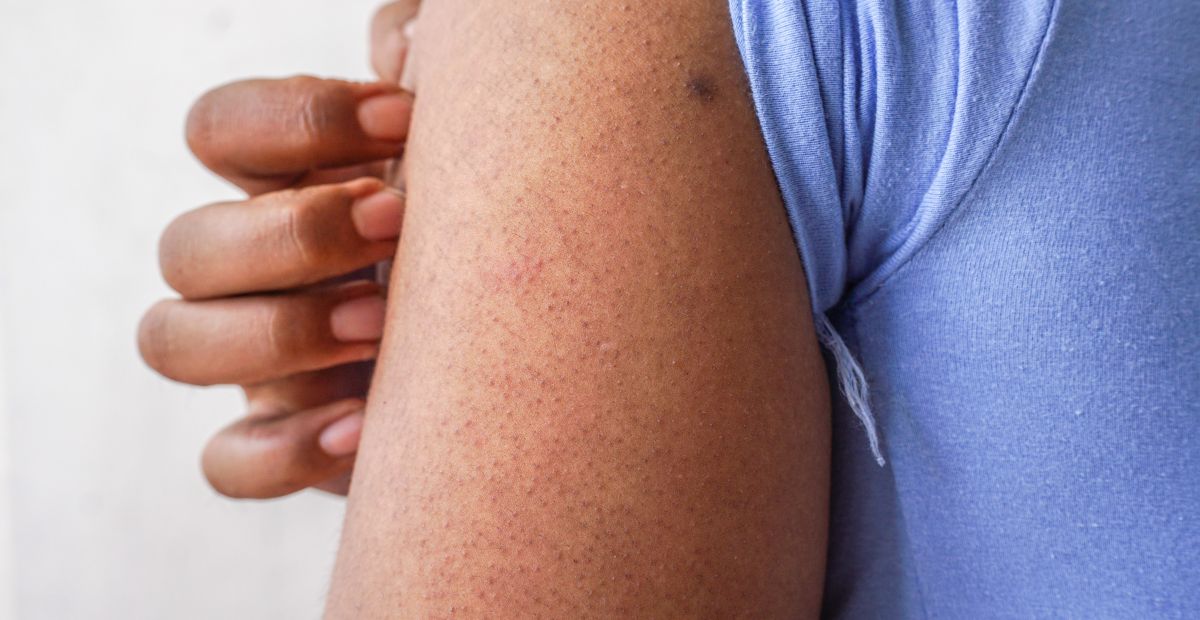
A compromised barrier doesn’t always announce itself dramatically. But over time, the signs add up. Skin starts to feel dry, tight, and itchy. Flaking and rough patches may appear. Even fine lines may become more visible.
The good news is that the right skin barrier repair products can make a real difference. Knowing what to look for on the label is already half the battle.
One thing, before we dive deeper.
You don’t have to read every label because apps like OnSkin can do it for you. Just fill in your skin profile (with concerns like “loss of skin elasticity”), scan a product, and the app will analyze the ingredients, highlight what’s safe or risky, and show if it suits your skin type and needs.
What to Look for on the Label

When it comes to barrier repair, the ingredient list tells you everything you need to know. And if you’re looking for the best barrier repair cream, keep an eye out for these ingredients:
1. Humectants. They draw water into the skin. A standout example of this is hyaluronic acid, one molecule of which can hold up to a thousand times its weight in water. Hyaluronic acid delivers deep hydration and is usually well tolerated by anyone (especially those with dry or dehydrated skin), since it occurs naturally in the body.
Glycerin does a similar job. Even though it’s not an active ingredient on its own, glycerin can help compensate for low moisture in the skin’s outer layer. A barrier repair moisturizer (as well as many other skincare products) will usually include it—and for good reason.
2. Occlusives. These are moisturizing agents that sit on the skin’s surface and seal moisture in, preventing water loss. Common examples include petrolatum and lanolin. Some moisturizers rely on occlusives alone, while others combine them with humectants.

3. Ceramides. Ceramides are lipids naturally found in the skin’s outer layer, acting as the “glue” that holds skin cells together. When ceramide levels drop (due to UV exposure or strong skincare products), your skin can feel dry, tight, or easily irritated. In a barrier repair cream, ceramides work wonders to repair that damage, prevent moisture loss, and soothe overstressed skin.
4. More barrier repair ingredients. Think ceramide precursors (like phytosphingosine) that help the skin produce its own ceramides over time, and essential fatty acids (like linoleic acid) that reinforce the lipid layer between cells. Squalane is also worth noting—it acts as an emollient, forming a light layer on the surface, relieving dryness.
Niacinamide, a form of vitamin B3, deserves a mention of its own. When included in skin barrier repair products, it not only helps restore the barrier but also regulates oil production, brightens skin, and improves skin tone.
pH Matters Too
One more thing: healthy skin is slightly acidic (around pH 4-5). This acidity helps skin heal itself and fight off bacteria. But this balance is surprisingly easy to disrupt. Even plain water raises the skin’s pH—soaps can push it even higher. And it can take hours for your skin to recover.
That’s why scientists recommend choosing skincare products formulated at pH 4-5. This is especially important for anyone with a disrupted barrier, sensitive skin, or a skin condition.
Key Takeaways
- Your skin barrier does more than retain moisture; it’s your skin’s main defence against UV damage, bacteria, and irritants.
- A compromised barrier loses water fast, leading to dryness, irritation, and sensitivity.
- The right barrier repair cream can help rebuild the barrier, not just hydrate your skin.
- When choosing skin barrier repair products, look for ceramides, humectants, occlusives, and niacinamide on the label.
- Keep in mind that pH matters too, so opt for products formulated at pH 4-5.