Keratosis Pilaris 101: Can You Get Rid of It?

Your guides through the skincare chaos
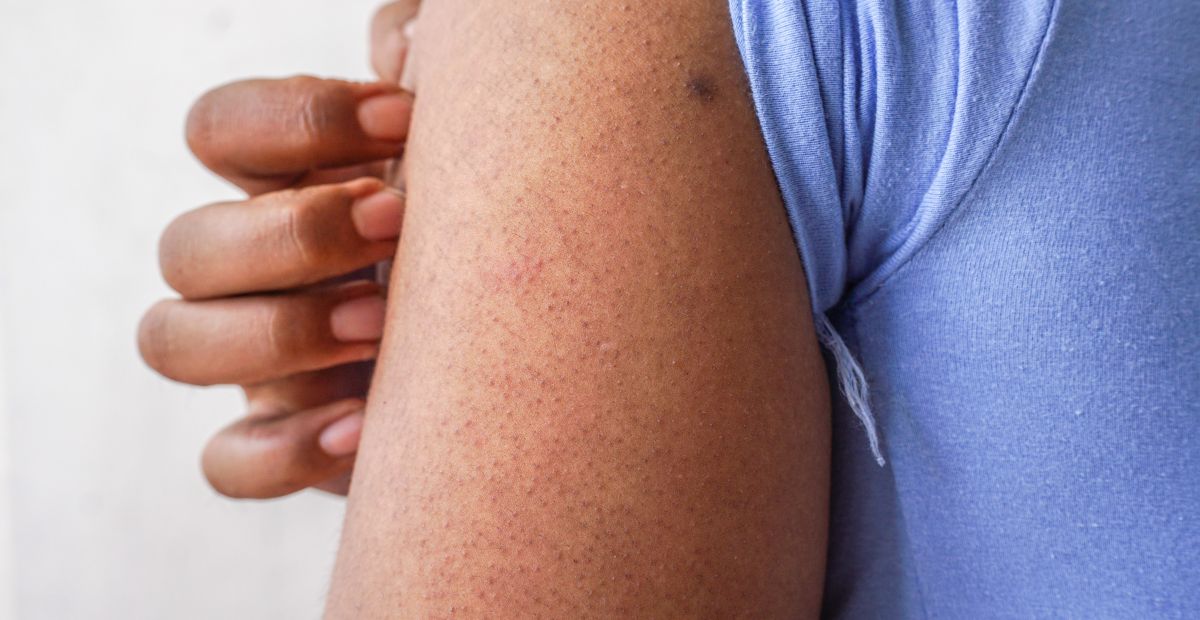
Small bumps on your arms that just won’t go away? You’re not alone: keratosis pilaris affects millions of people, and there’s no magic overnight fix. But there is a clear, science-backed path to smoother skin. This guide breaks down exactly what’s proven to help, from your bathroom cabinet to the dermatologist’s office.
What is Keratosis Pilaris?
Keratosis pilaris (often called “chicken skin”) is a common skin condition that causes tiny rough bumps to appear around hair follicles. It happens when keratin (a protein naturally found in the skin) builds up and blocks hair follicles, creating an uneven texture.
It usually appears on the upper arms, thighs, buttocks, and sometimes the cheeks. These bumps can look skin-colored, red, or slightly darker than the surrounding skin, depending on your skin tone. Some people also notice mild itching or dryness, but for most, keratosis pilaris is harmless and mainly affects appearance.
How to Get Rid of Keratosis Pilaris
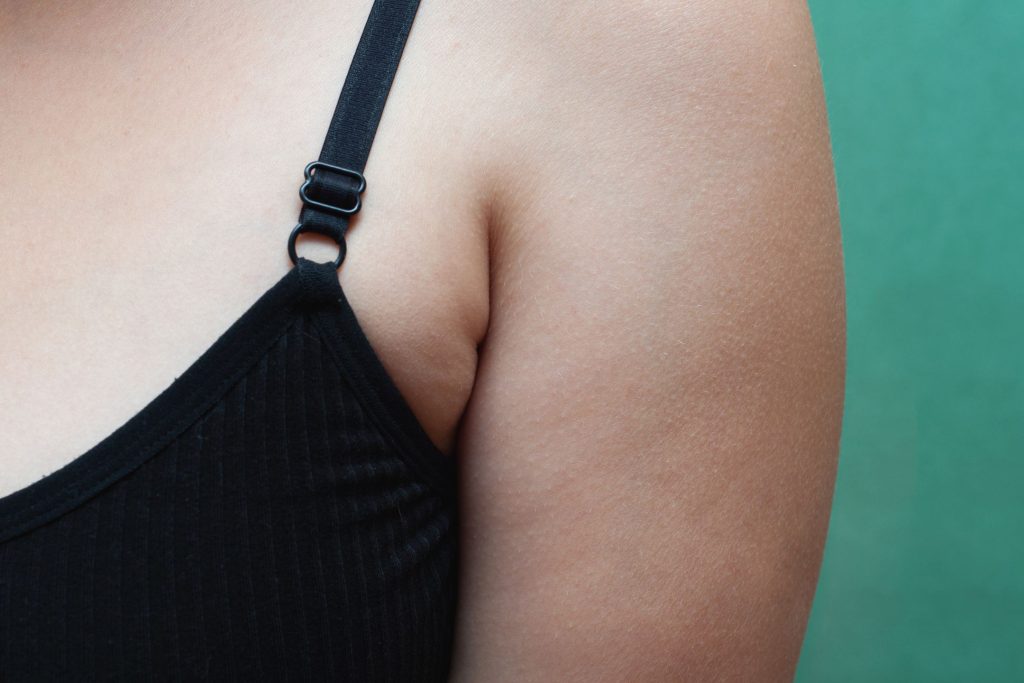
The first thing to know is that those small bumps aren’t caused by anything you’re doing wrong. Keratosis pilaris often runs in families, so genetics may be one of the reasons why some people develop it. It also usually shows up during childhood or the teenage years, becoming less noticeable as you get older.
Since keratosis pilaris is linked to the way keratin builds up around hair follicles, there’s no quick keratosis pilaris treatment that makes it disappear overnight. The good news is that the right skincare routine can smooth roughness, reduce the appearance of bumps, and keep your skin looking softer and more even over time.
How to Treat Keratosis Pilaris Right
There are several evidence-based ways to manage keratosis pilaris, from simple at-home remedies to treatments your dermatologist might suggest. Explore the options below to see what may work best for your skin.
1. Start with Moisturizing
Moisturizing is where every dermatology guide on keratosis pilaris starts, and for good reason. It won’t erase the bumps, but it softens roughness enough that everything else you try works better.
2. Remember to Exfoliate
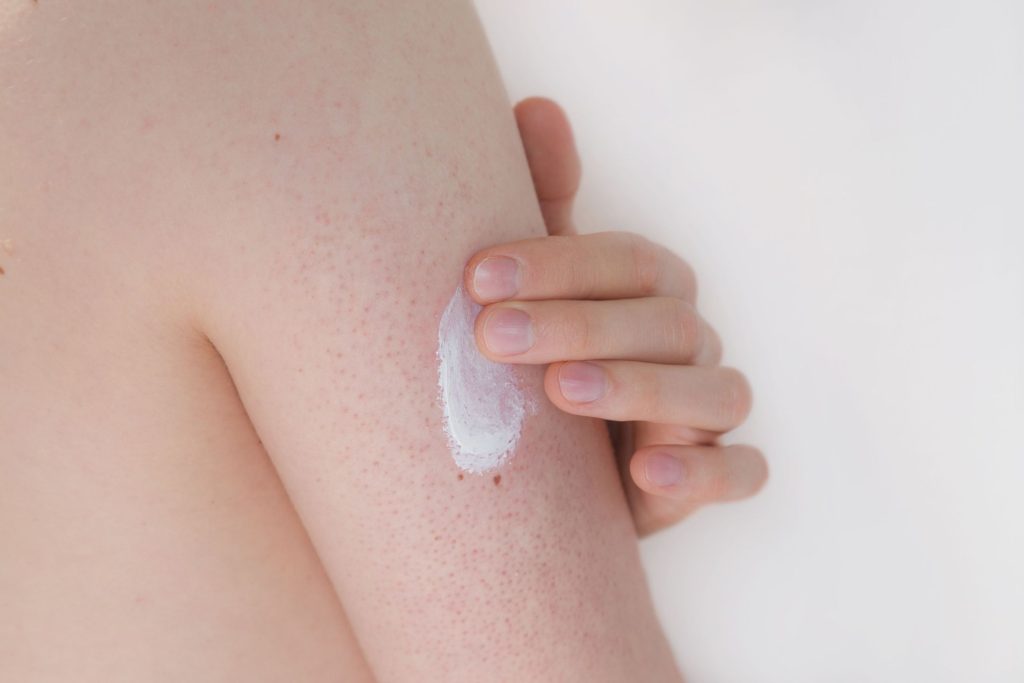
Keratosis pilaris bumps are caused by dead skin cells getting trapped in hair follicles, and that’s where exfoliating acids come in. These are the main active ingredients worth choosing from:
- Urea (20%) helps gently shed the dead skin cells clogging up hair follicles. In a 2024 study, a 20% urea cream noticeably improved skin texture in just 4 weeks, with minimal irritation.
- Azelaic acid (10-20%) is another gentle option that can help improve rough skin and redness, but in some studies it performed about the same as a plain moisturizer.
- Lactic acid is a good option for your at-home routine. A 12-week study found it (along with salicylic acid) significantly reduced bumps, especially when paired with a moisturizer.
3. Go for Retinoids and Other Prescription Options
If moisturizing and exfoliating haven’t gotten you far enough, retinoids are the next step. They work by helping normalize how skin cells form in hair follicles.
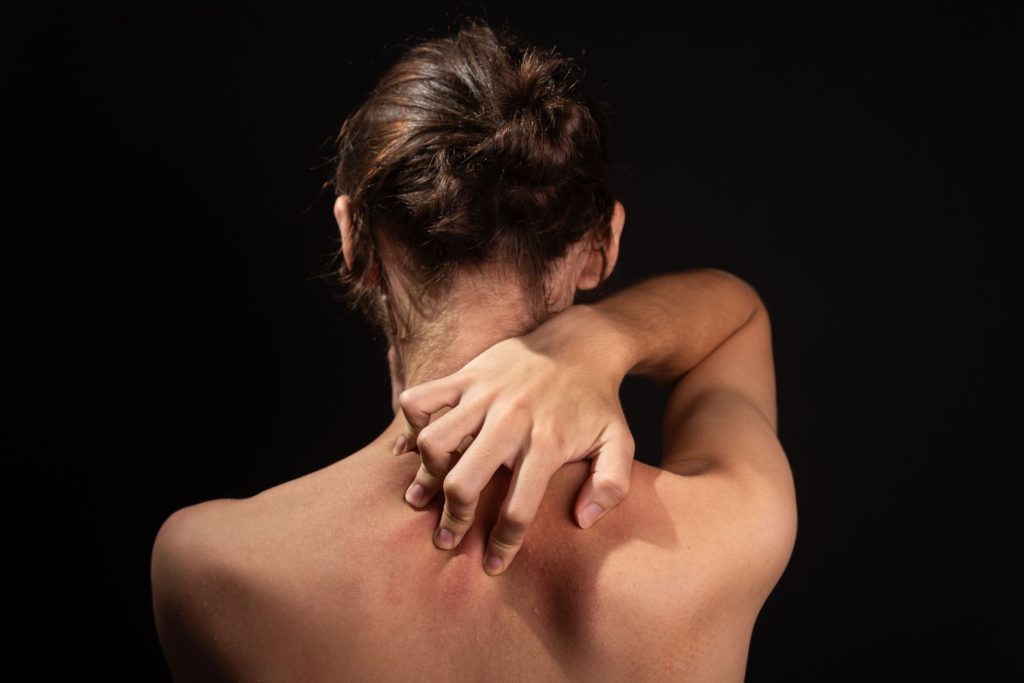
These come in prescription strength, so check with a doctor first. A dermatologist can help you pick the right concentration and make sure it’s a good fit for your skin. You may be prescribed:
- Tazarotene cream. It has the most convincing research behind it: a placebo-controlled study found it improved itching, roughness, and redness compared to a plain vehicle cream. It can be irritating, though, so it’s worth easing into it slowly, especially if your bumps are more red or inflamed.
- Tretinoin. It has helped some people with texture and pigmentation, based on individual case reports, but it tends to be more irritating and can make redness worse before it gets better.
If your case is more severe or stubborn, your doctor may suggest something even stronger, like an oral medication, which should only be used under medical supervision.
4. Think of Laser and Light Treatments
When topical treatments only get you so far, in-office laser or light therapy is where a dermatologist can offer more than the drugstore aisle. According to current research, these treatments are the most effective route when topicals haven’t done the job.
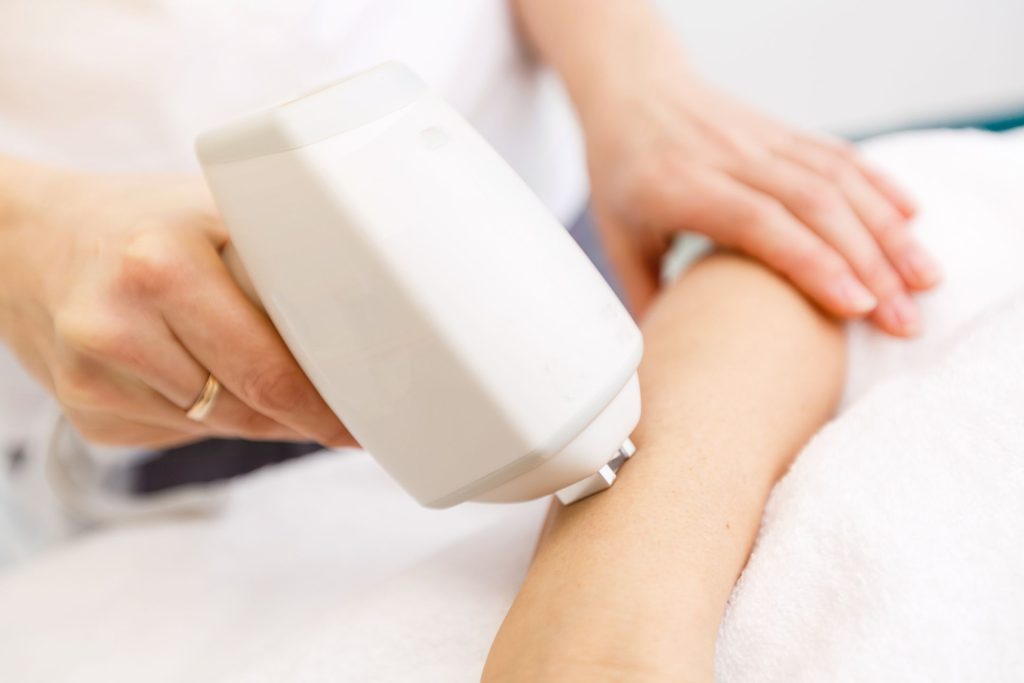
For example, the QS:Nd YAG laser currently has the best overall track record: multiple studies, including placebo-controlled ones, back it up. It tends to be safe across skin tones and can improve roughness, redness, and pigmentation. Side effects are usually mild and temporary (think redness, stinging, or small bruising).
Your dermatologist can walk you through the other options and help match one to your skin type, budget, and how much downtime you’re comfortable with.
How to Address Different Keratosis Pilaris Concerns
The best approach depends on what bothers you most.
| Keratosis pilaris сoncern | Recommended treatment approach |
|---|---|
| Uneven texture | Moisturizers, gentle exfoliation, retinoids |
| Redness and irritation | Anti-inflammatory care, laser treatments if needed |
| Dark spots and discoloration | Chemical exfoliation, targeted laser treatments |
| Scars and skin indentations | Personalized treatment plan with a dermatologist |
Key Takeaways
- What is keratosis pilaris? It’s a common skin condition where keratin builds up and blocks hair follicles, creating small, rough bumps. It’s genetic, harmless, and tends to fade with age.
- Can keratosis pilaris be cured? Not really. There’s no instant fix, but the right routine can make a real, visible difference over time.
- How do I treat keratosis pilaris at home? Over-the-counter moisturizers and exfoliants, such as products with 20% urea, lactic acid, or azelaic acid, are enough for most people and don’t require a prescription.
- What if home treatments aren’t enough? If bumps or redness persist, prescription retinoids or in-office laser treatments can offer more noticeable results, but these are best managed with a dermatologist.
- What’s the best keratosis pilaris treatment for me? It really depends on what bothers you most, whether that's texture, redness, or discoloration.


-
1.
Keratosis pilaris. (2019.) https://pubmed.ncbi.nlm.nih.gov/31692799/
-
2.
Keratosis pilaris: an update and approach to management. (2023.) https://pubmed.ncbi.nlm.nih.gov/37166753/
-
3.
Treatment of keratosis pilaris: a narrative literature review of topical, procedural, and variant-specific therapies. (2026.) https://www.researchgate.net/publication/408438084_TREATMENT_OF_KERATOSIS_PILARIS_A_NARRATIVE_LITERATURE_REVIEW_OF_TOPICAL_PROCEDURAL_AND_VARIANT-SPECIFIC_THERAPIES
-
4.
Evaluation of a moisturizing cream with 20% urea for keratosis pilaris. (2024.) https://pubmed.ncbi.nlm.nih.gov/38206153/
-
5.
Epidermal permeability barrier in the treatment of keratosis pilaris. (2015.) https://pubmed.ncbi.nlm.nih.gov/25802513/
-
6.
Treatment of keratosis pilaris and its variants: a systematic review. (2022.) https://pubmed.ncbi.nlm.nih.gov/32886029/