How to Pick a Hydrating Serum: An Expert’s Guide

Biochemist and certified cosmetologist-aesthetician; Science Team Lead at OnSkin.
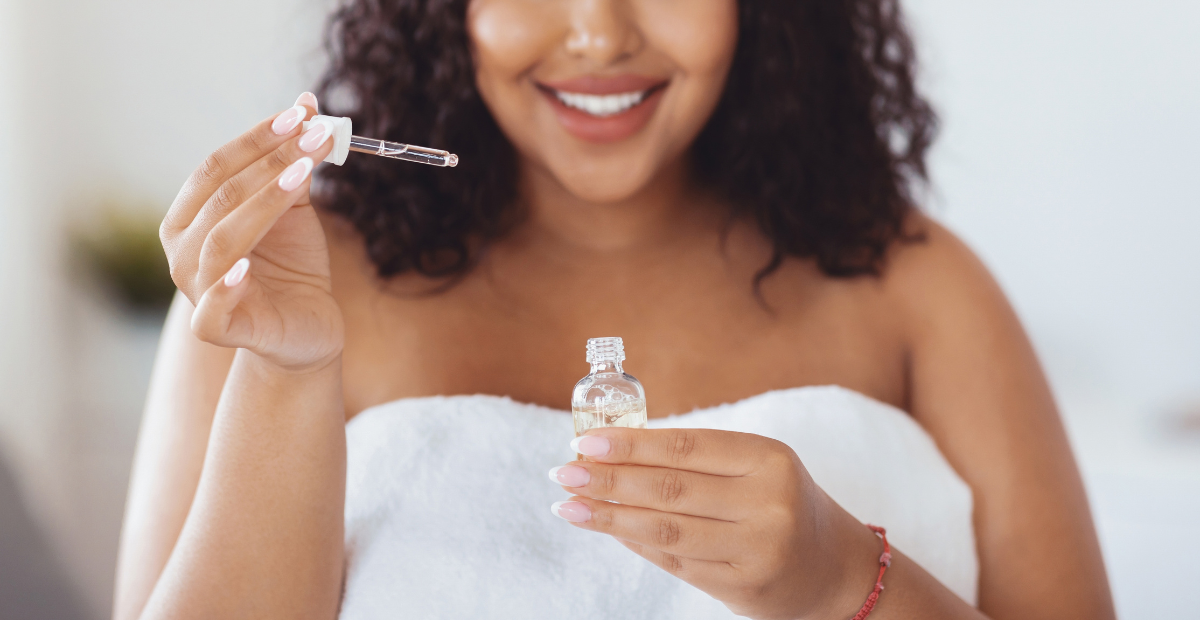
A hydrating serum is a concentrated blend of moisturizing ingredients. Its main job is to deliver moisture to your skin and help it hold on to it—and it does that through several key active ingredients.
Hydrating serums usually contain two main groups of ingredients: moisture-retaining components (humectants) and supporting substances that enhance and lock in their effects.
Quick overview
- Humectants: What they are and how they work
- Key ingredients: Hyaluronic acid, glycerin, urea
- Supporting ingredients: Panthenol, niacinamide, ceramides, plant extracts
- How to apply a hydrating serum correctly
- How often to use a hydrating serum
- Top three picks
What are humectants?
Humectants are moisture-retaining skincare ingredients that draw water from the air or deeper layers of your skin and lock it into the epidermis (the outer layer of your skin). These include hyaluronic acid (and its various forms), glycerin, urea, and others.
Hyaluronic acid
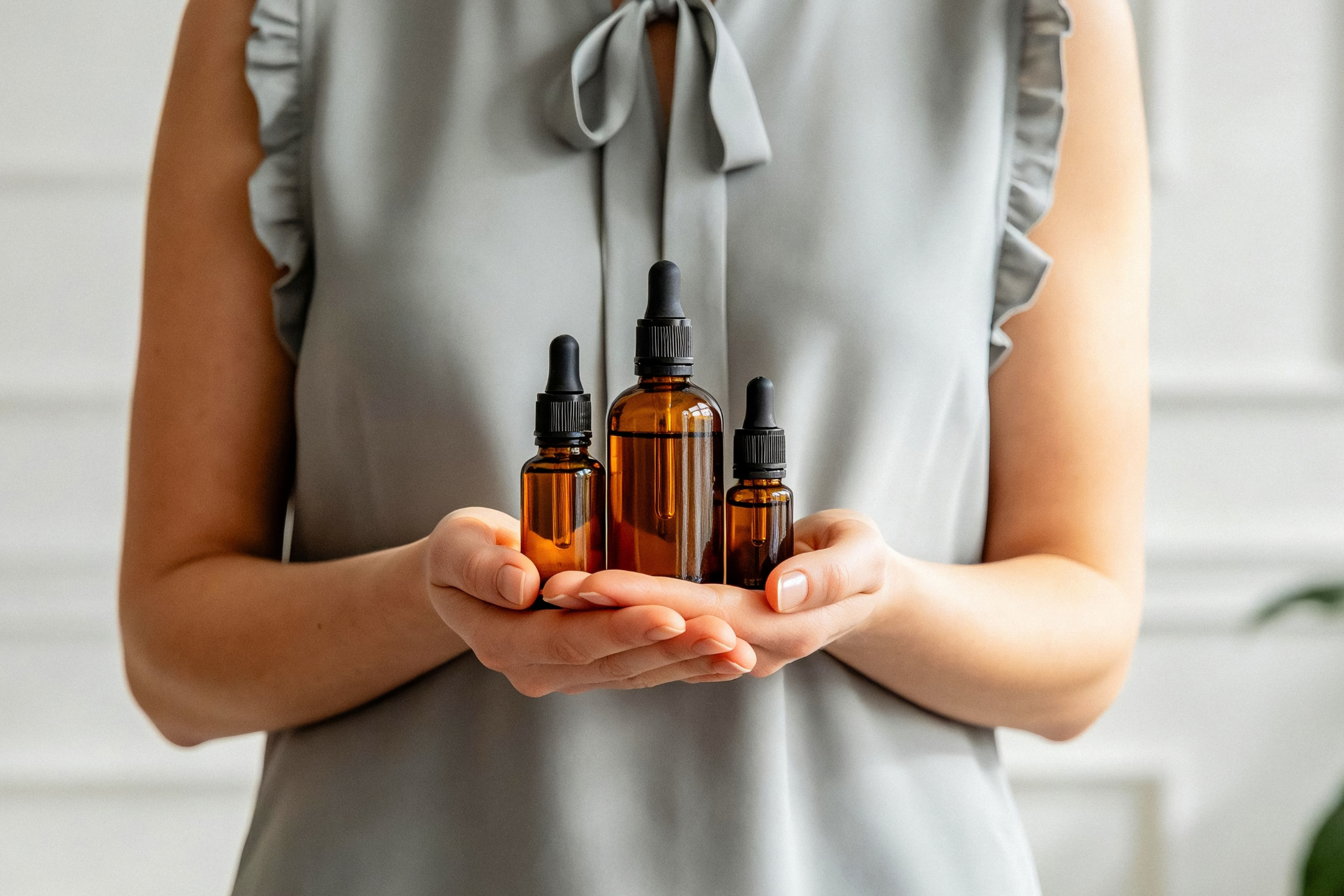
Hyaluronic acid and its various forms are among the most in-demand moisturizing ingredients in skincare. Their main jobs are to hydrate the epidermis and support repair processes in damaged tissue. The low-molecular-weight form of hyaluronic acid is especially valuable—it penetrates deeper layers and acts as a biological stimulator, boosting collagen and glycosaminoglycan synthesis to improve your skin’s structural properties. On INCI lists, you’ll find it under names like Hyaluronic Acid, Sodium Hyaluronate, Hydrolyzed Hyaluronic Acid, Sodium Hyaluronate Crosspolymer, and others.
Glycerin
Glycerin isn’t just a moisturizer—it’s a natural participant in your skin’s water balance. In the living layers of the epidermis, it travels through aquaporins: special channels in cell membranes that let water, glycerin, and urea into your cells.
It reaches the stratum corneum (the outermost layer of your skin) through a different route—sebum (the oily substance your skin naturally produces). Its triglycerides (fatty components) are broken down by enzymes, releasing glycerin, which helps retain moisture at your skin’s surface.
Important: In skincare, glycerin concentrations shouldn’t exceed 7%—usually 3–5%. Go higher, and instead of hydrating, it can start to tighten your skin.
Urea
Urea is a multifunctional moisturizer with small molecules that can penetrate deeper than the stratum corneum, retaining moisture where it matters most. It strengthens your skin’s protective barrier, preventing moisture from evaporating.
Supporting ingredients
These help your skin attract moisture and hold on to it—plus, they soothe and help restore your skin’s barrier.
Soothing and restoring
Panthenol and allantoin are powerful moisturizers with healing and calming properties.
Barrier strengthening
Niacinamide stimulates collagen production and helps reduce moisture loss, improving your skin’s protective functions. If hyaluronic acid and glycerin fill your skin with moisture, ceramides seal it in—reinforcing that barrier.
Plant extracts
They provide well-rounded care. Aloe vera moisturizes and reduces inflammation, while centella soothes sensitive, redness-prone, or acne-prone skin and helps restore its protective barrier.
How to use a hydrating serum
Using a hydrating face serum correctly isn’t just “slap it on and go.” To get the most out of it, you need the right order in your routine—and a few key rules.
Step 1: Cleansing
Use a cleansing gel, foam, or whatever suits your skin type. Serum should go on clean skin—otherwise, dirt and sebum can block the active ingredients from penetrating.
Step 2: Toning
If you use a toner in your routine, gently apply it to your face—either by misting it directly or sweeping it on with a cotton pad, depending on the formula you’re using.
Step 3: Applying the serum
Apply 2–3 drops of serum to your face, neck, and décolletage. Gently pat or stroke it in, then let it absorb until your skin feels slightly tacky or damp.
Step 4: Moisturizer
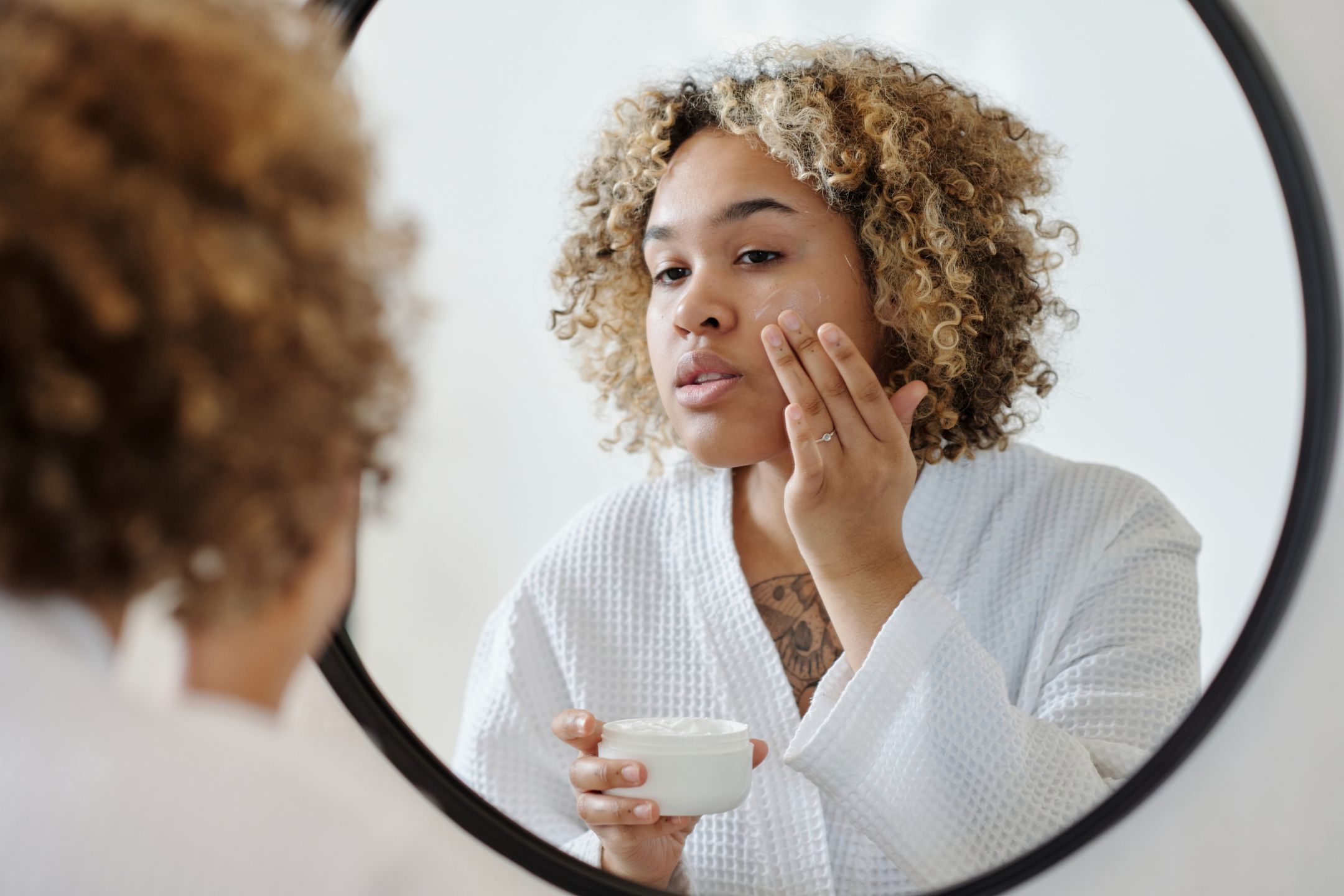
Apply a moisturizer at the end of your routine. This is the most important step. Hyaluronic acid and other humectants attract moisture—but without a cream on top to create an occlusive barrier, that moisture evaporates quickly (especially in dry air), and your skin can end up even drier.
More about hydrating serums
- Morning and/or evening: Most hydrating serums can be used twice a day—in the morning under SPF, and at night as part of your evening routine.
- Continuous vs. cyclical use: Hydrating serums are suitable for daily, long-term use.
- A hydrating serum isn’t a replacement for a moisturizing cream: A cream creates a barrier that holds in the moisture your serum attracts. Without that cream on top, a hyaluronic acid serum might make your skin look hydrated at first, but it won’t deliver deep, lasting hydration—especially if your skin is dry.
Best hydrating serums
ISNTREE Hyaluronic Acid Water Essence
This one doesn’t just moisturize the surface—it works on multiple levels: instant hydration from glycerin and multiple forms of hyaluronic acid; barrier support from niacinamide, panthenol, and beta-glucan; and antioxidant protection from Ascorbyl Propyl Hyaluronate and plant extracts.
The serum works for any skin type. It doesn’t clog pores and contains no drying ingredients. Just be sure to follow it with a moisturizing cream to lock that moisture in.
Good Molecules Hyaluronic Acid Serum
An excellent example of a minimalist formula—nothing unnecessary in it. This is a classic “clean” hydrating serum with a short, clear ingredient list. It suits any skin type and any age, and works best under a moisturizing cream.
Torriden Dive-In Low Molecular Hyaluronic Acid Serum
A smart 2-in-1 formula that combines intensive hydration with barrier restoration. This isn’t just a serum—it’s a true regenerating blend for sensitive, dehydrated, and damaged skin. Inside: several forms of hyaluronic acid, a barrier-supporting complex of ceramides, cholesterol, panthenol, and beta-glucan, soothing botanicals, and an alcohol-free preservative system. The texture feels light and comfortable—just seal it with a moisturizer. Suitable for all skin types.
All products featured in this article were selected and reviewed independently, and we are not affiliated with, sponsored by, or compensated by any of the brands mentioned.
Key takeaways
- Humectants pull water in. Moisturizers lock it in.
- Supporting ingredients reinforce your barrier and soothe irritation.
- Apply hydrating serums to clean skin, then seal with moisturizer.
- Hydrating serums are safe for daily use, AM and PM.
- They work with your moisturizer, but don’t replace it.
- Look for multiple hyaluronic acid forms plus barrier support.