Understanding Acne: Treatment Methods, Causes, and What Helps
Biochemist and certified cosmetologist-aesthetician; Science Team Lead at OnSkin.
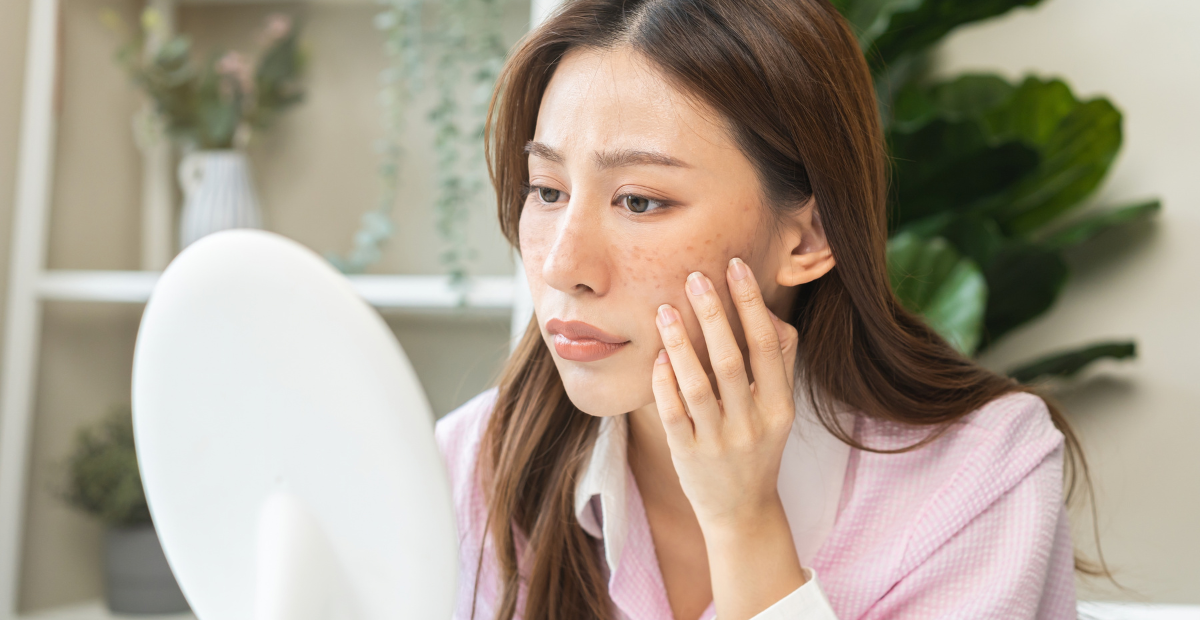
Acne is a chronic inflammatory condition of the sebaceous glands and hair follicles that calls for a multifaceted approach. According to clinical guidelines, acne treatment depends on its severity—ranging from at-home care with over-the-counter products to powerful systemic therapy prescribed by a doctor.
Quick overview
- The four key factors behind acne and common triggers
- How to build an at-home routine that actually works
- Over-the-counter actives: adapalene, benzoyl peroxide, salicylic acid, azelaic acid
- Why moisturizer and SPF are non-negotiable
- Habits that make acne worse
- The main principle behind a successful routine
Acne causes
Four key factors contribute to acne:
- Excess sebum production
- Excess follicular hyperkeratosis
- Growth of Cutibacterium acnes bacteria
- Inflammation
Triggers that can make acne worse:
- Hormonal fluctuations: Puberty, menstrual cycle, pregnancy, polycystic ovary syndrome (PCOS).
- Diet: An excess of fast carbs and dairy may worsen acne in some people.
- Stress: Raises cortisol levels, which stimulates sebum production.
- Unsuitable skincare: Products that clog pores (comedogenic).
- Dirty pillowcases and towels: Bacteria and sebum residue build up on the fabric, so it’s recommended to change them regularly.
- Certain medications: Including some corticosteroids, anabolic steroids, and B vitamins (especially B6 and B12).
- Environment: Pollution, air humidity.
- Genetics.
Everyone’s triggers are different. Keeping a diary—food, stress, menstrual cycle, breakouts—can help you spot your personal triggers and adjust your lifestyle alongside the treatment your doctor prescribes.
At-home care
Your daily skincare routine is the foundation for controlling mild acne and boosting the effectiveness of your prescribed treatment.
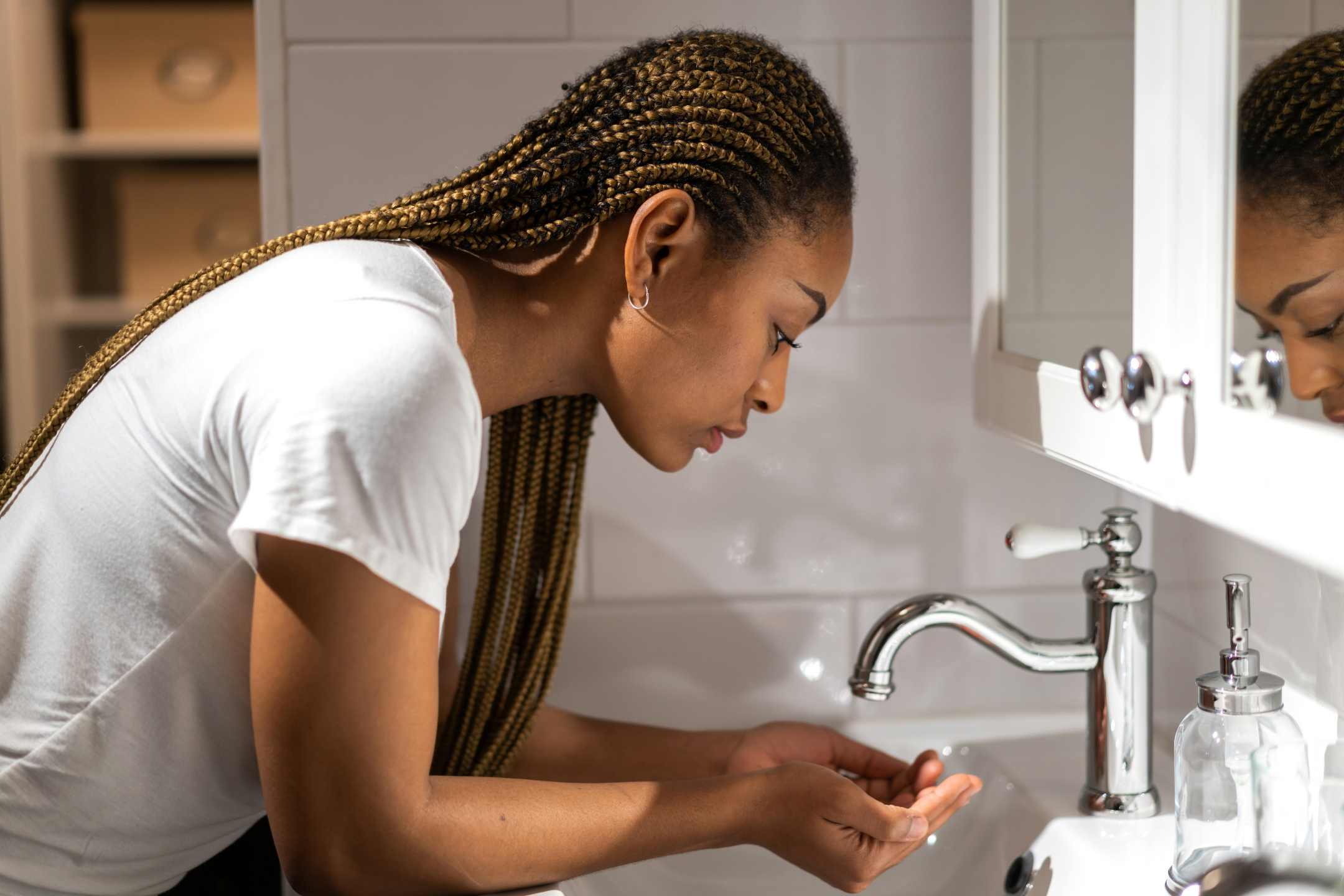
Gentle cleansing
Wash your face 1–2 times a day with warm water and a mild, soap-free, sulfate-free cleanser. Avoid aggressive scrubbing and alcohol-based toners, which can irritate skin. This kind of cleansing—clearing buildup without drying skin or clogging pores—is essential when you’re using active ingredients to fight acne.
Over-the-counter actives
Different countries have their own regulations around prescription and OTC products. Adapalene, benzoyl peroxide, azelaic acid, and salicylic acid are generally available without a prescription. But “no prescription needed” doesn’t mean “no guidance needed”—these are potent actives with their own caveats. A quick consult with a dermatologist before you start is always a smart move.
Adapalene
This retinoid was long the only one in its class available without a prescription (Differin 0.1% gel, for example). It helps clear pores and prevent new comedones from forming. It’s now also available combined with benzoyl peroxide—as Epiduo.
Benzoyl peroxide (BPO)
The most widely used acne ingredient—benzoyl peroxide kills C. acnes bacteria and reduces inflammation. OTC concentrations typically range from 2.5% to 10%.
Salicylic acid
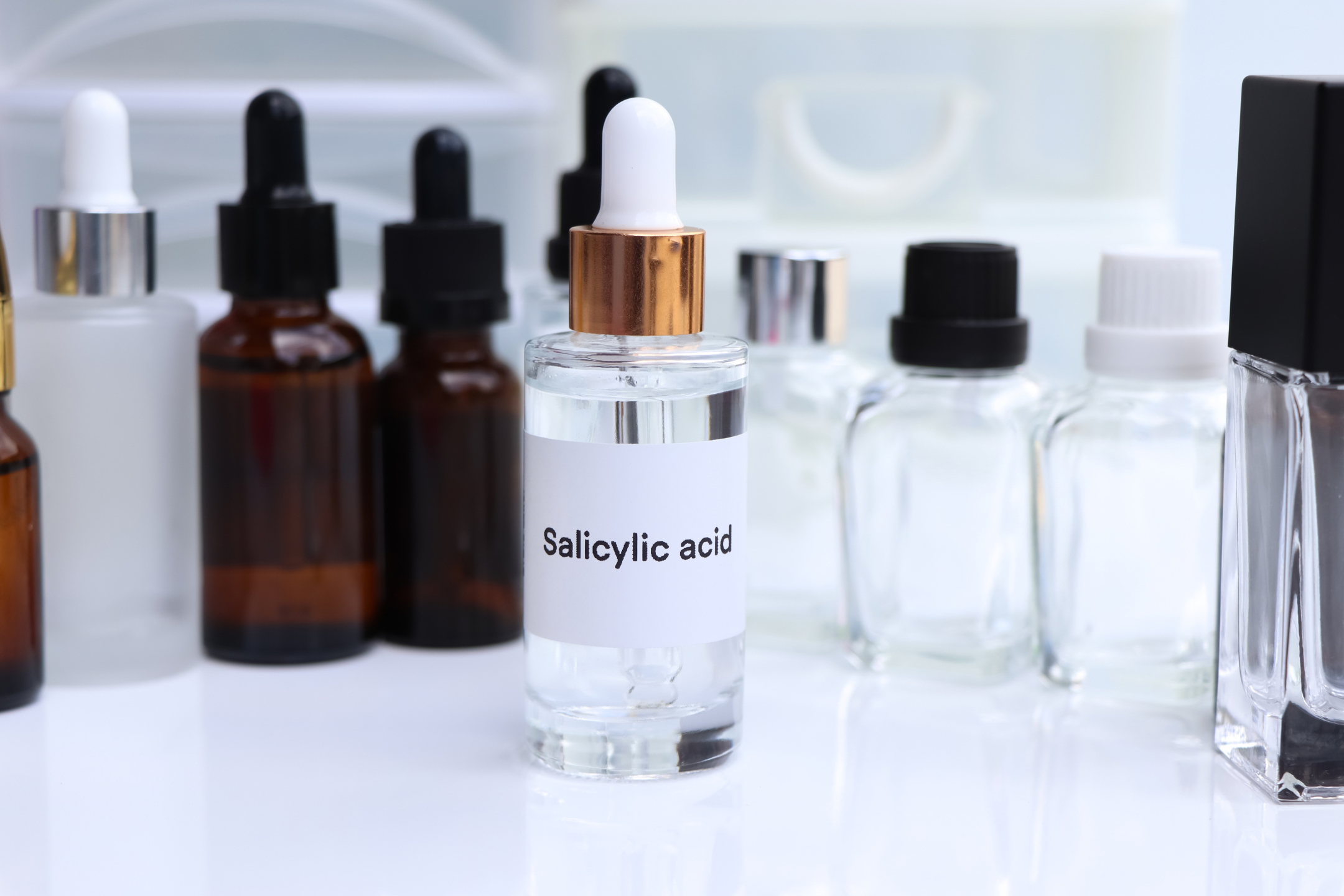
This beta-hydroxy acid (BHA) helps remove excess sebum and dead skin cells from inside the pores. It’s effective against blackheads and closed comedones.
Azelaic acid
Azelaic acid is a good alternative for sensitive skin or for anyone who can’t tolerate benzoyl peroxide and retinoids. It soothes inflammation, fights bacteria, and fades post-acne scars. In the US, it’s available OTC, usually at a concentration of 10%.
Moisturizing and protection
Moisturizer: Always use a non-comedogenic formula. Actives like BPO and salicylic acid dry out skin, and a compromised barrier can make acne worse.
Sunscreen: Use a non-comedogenic SPF 30+ daily. Some acne treatment ingredients increase sun sensitivity.
What to avoid
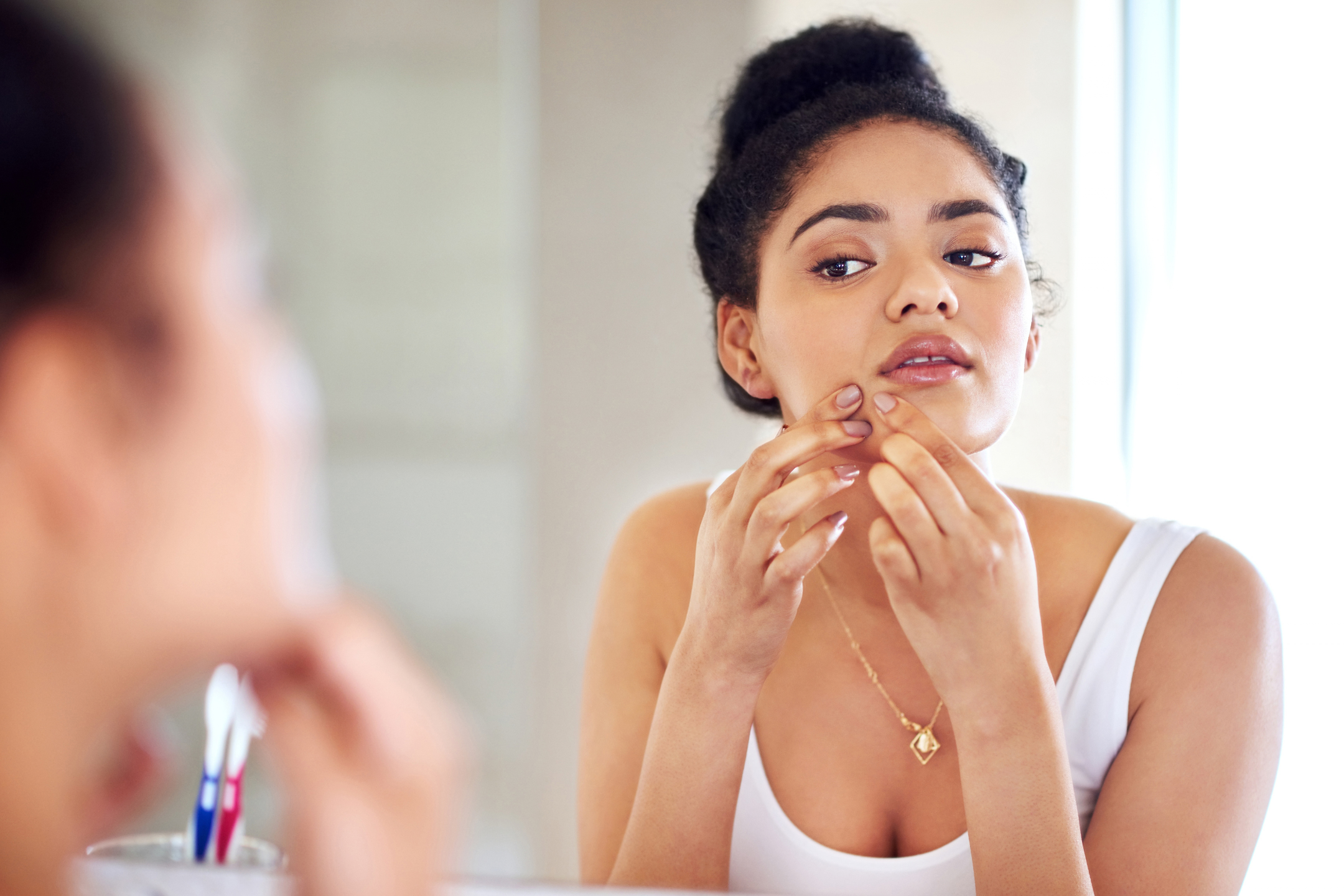
Don’t pop your pimples: This pushes inflammation deeper, increases the risk of infection, and leads to scarring.
Be wary of unverified internet advice: Using dandruff shampoo on your face may help in rare cases, but it can cause severe irritation and dryness.
Bottom line
At-home acne treatment isn’t just about washing your face more often. It’s a structured system that helps control breakouts without harming your skin—gentle cleansing, the right active ingredients, and consistent moisturizing and sun protection.
If you’re wondering how to get rid of acne, start with the basics above and give it time. When in doubt, a dermatologist can help you find the best acne treatments for your skin.
Key takeaways
- Acne has four main drivers: excess sebum, clogged pores, bacteria, and inflammation.
- Learn your triggers: keep track of your diet, stress, and menstrual cycle.
- Cleanse gently 1–2 times daily with a gentle face wash; no scrubbing
- Ask a dermatologist for a personalized care plan before using any OTC actives.
- Moisturize daily and apply sunscreen (SPF 30+) to protect your skin from sun damage.
- Never pop pimples or rely on unverified advice that didn’t come from a board-certified medical professional.


-
1.
Back acne: How to see clearer skin. (2023). https://www.aad.org/public/diseases/acne/DIY/back-acne?=___psv__p_49340417__t_a__r_www.bing.com%2f_&=___psv__p_49340417__t_a__r_www.bing.com%2f_
-
2.
Health A to Z: Acne. (2023). https://www.nhs.uk/content-widgets/health-a-to-z/acne/treatment