How to Get Healthy Hair: 10 Game-Changing Habits

Health and wellness writer focused on evidence-based insights and reader-friendly guides.
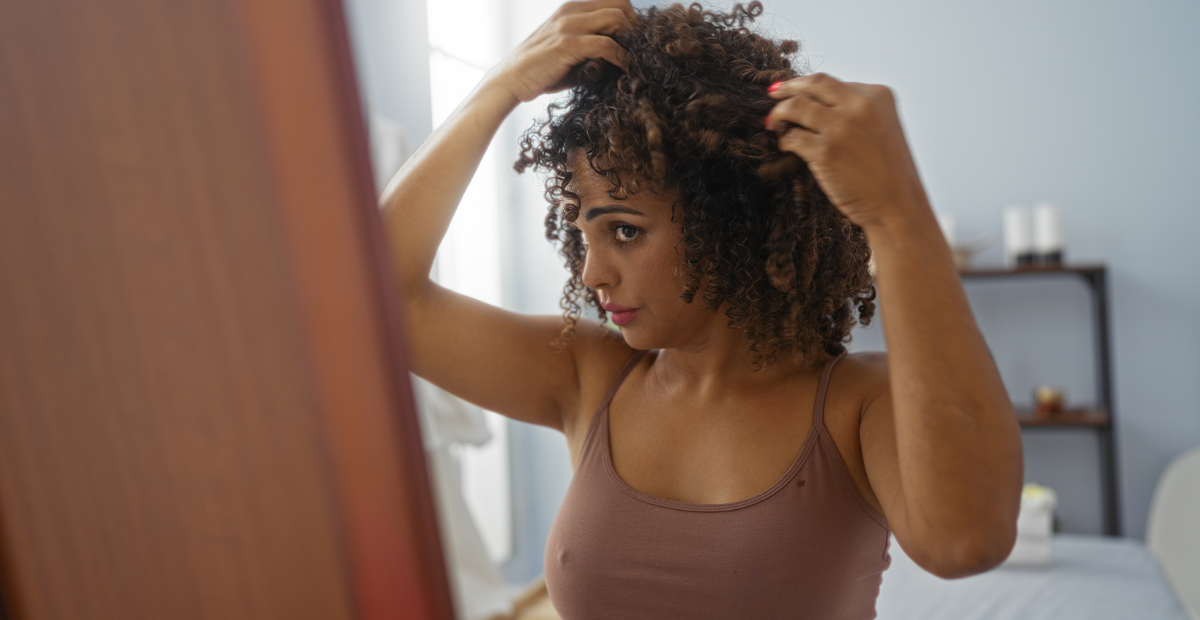
Figuring out how to get healthy hair doesn’t have to be a headache. In fact, it’s pretty straightforward: first, learn what affects how your hair looks, grows, and gets damaged. Then, figure out where in your life you can make small changes, and finally, put what you’ve learned into practice.
Or just use this convenient, all-in-one hair care cheat sheet.
Quick overview
- How often should you wash your hair?
- What foods promote hair health?
- How to minimize damage from styling tools.
- What’s the right way to detangle wet hair?
- How to protect your hair from tight styles.
- How to care for your scalp.
- How stress affects your hair’s growth cycle.
- How does sleep support your hair health?
- How often should you trim your ends?
- When it’s time to see a doctor.
Tip 1: How often should you wash your hair?
It depends on your hair type, oil levels, workout schedule, and climate, but for most people, washing 5–6 times a week is linked to higher levels of satisfaction with their scalp and hair condition.
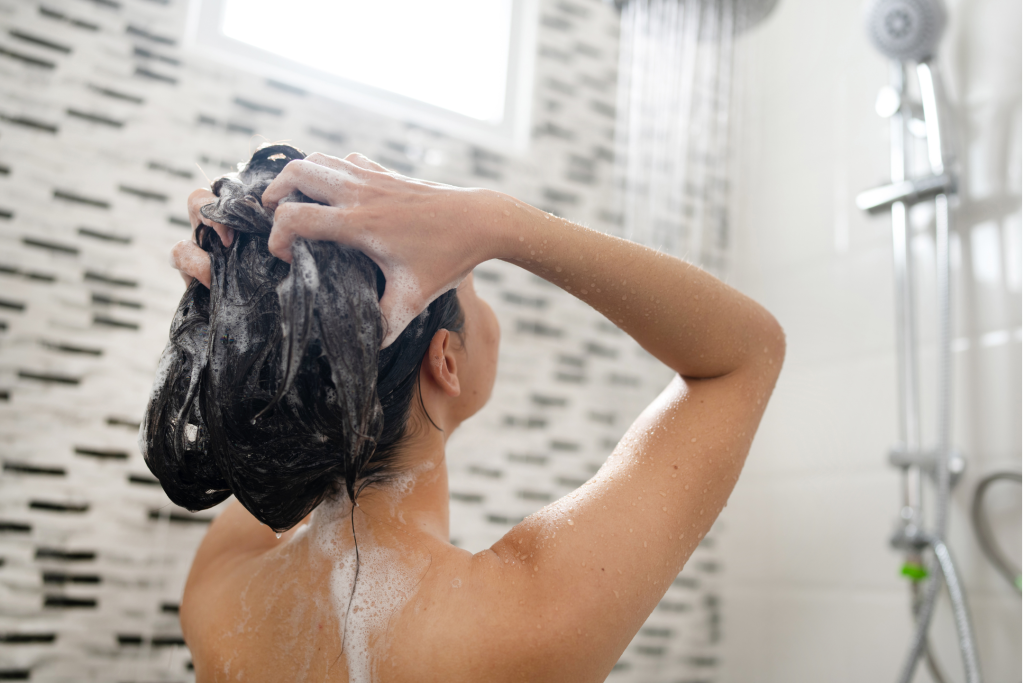
This isn’t a universal rule, but there’s a persistent belief that frequent washing ruins your hair. Total myth. In fact, some studies have linked infrequent washing to hair loss. That doesn’t mean washing daily is for everyone! But washing more often may be a better choice for you if your scalp tends to get greasy. On the flip side, if your hair is very dry—common with curly hair—you can stretch washes and focus on gentle, nourishing products.
Tip 2: What foods promote healthy hair?
Protein-rich foods are a staple of a hair-healthy diet, along with key nutrients like iron, zinc, and omega-3 for scalp health. Because your hair is mostly protein, what you eat directly affects how strong and resilient it is. If you don’t get enough nutrients, your hair follicles pay the price.
You don’t need to be super strict: just remember to get protein regularly from stuff like eggs, chicken, fish, beans, Greek yogurt, or tofu. If you’re considering supplements, make sure to get your doctor’s go-ahead first. A blood test can help identify deficiencies and determine which supplements, if any, are right for you.
Tip 3: How to minimize damage from styling tools.
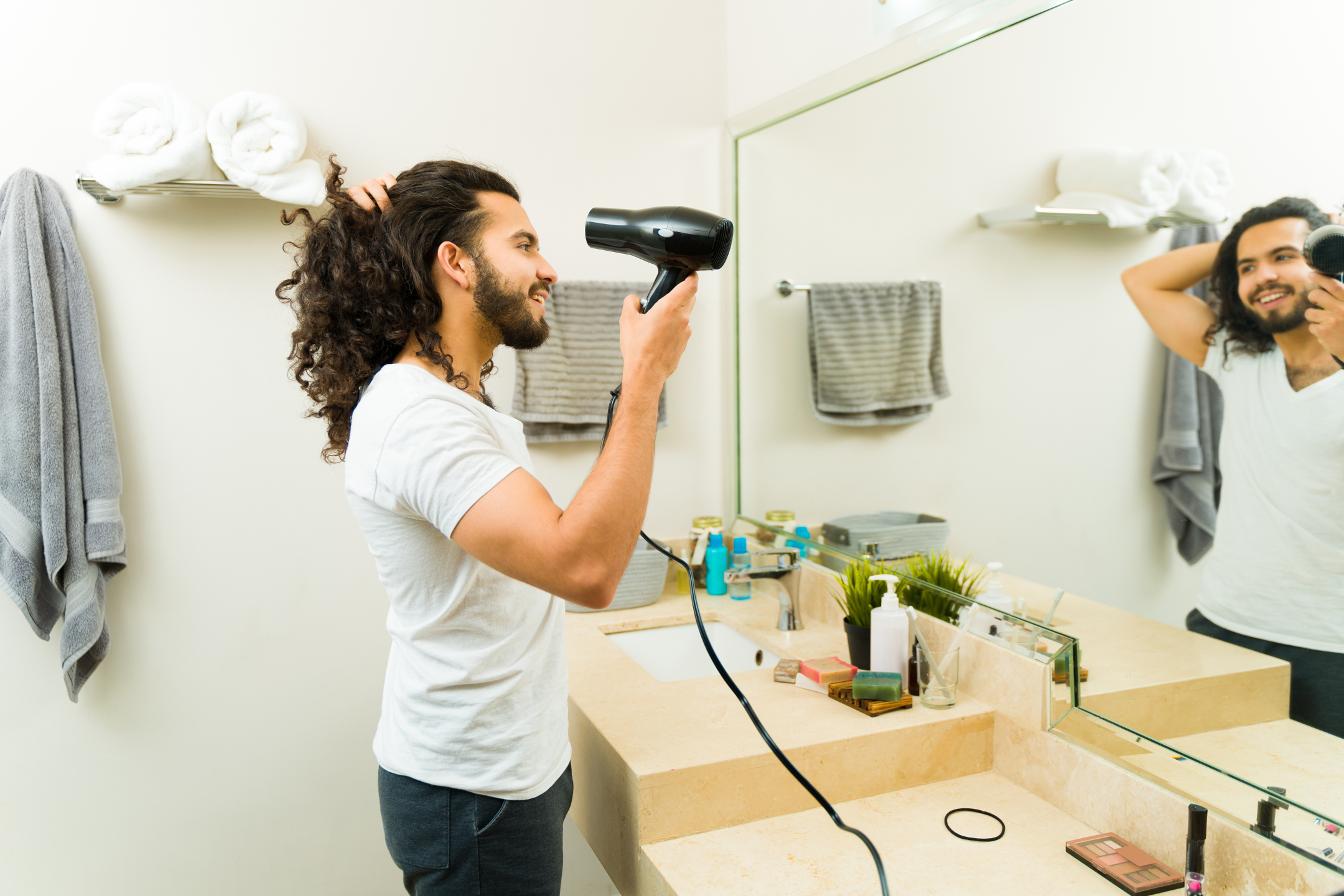
Using a heat protectant, keeping your styling tools on a lower setting, and limiting the number of passes you make are great ways to reduce breakage over time.
Heat styling can dry your hair out faster than you can say “Does someone smell burning hair?” Most studies recommend limiting your use of heat tools, since excessive heat can cause irreversible damage to the hair cuticle’s protein. That doesn’t necessarily mean you have to swear off your favorite curling iron, but you should be intentional with it. Here’s how to keep your hair healthy: keep your styling tool on a lower setting, use a quality heat protectant—make sure to scan any new product to avoid getting something that doesn’t agree with your hair type—and avoid repeat passes over the same strand or holding the tool in one spot for too long.
Bonus tip: If your hair is wet, use a hair dryer or let it air-dry fully before styling with heat tools. Wet hair is way too fragile—styling fresh out of the shower is a recipe for disaster.
Tip 4: What’s the right way to detangle wet hair?
Start at the ends with a wide-tooth comb (or your fingers) and then work your way upward in small sections—it’s a basic technique that’s way too often overlooked.
When it’s wet, your hair stretches and breaks way easier than when it’s dry. Rough brushing can snap strands before you even realize it, so starting from the ends and moving upward section by section can help you minimize accidental damage. If you hit a knot, don’t pull harder! Instead, hold the hair above the knot and gently work it loose.
Tip 5: How to protect your hair from tight styles.
You want to avoid constant tension on the same spot, so if you prefer tighter hairstyles, rotate them and remember to give your roots a break now and then. And if you have 3C curls and wear protective styles, choose a stylist who understands your hair type—they’ll know how to avoid unnecessary tension.
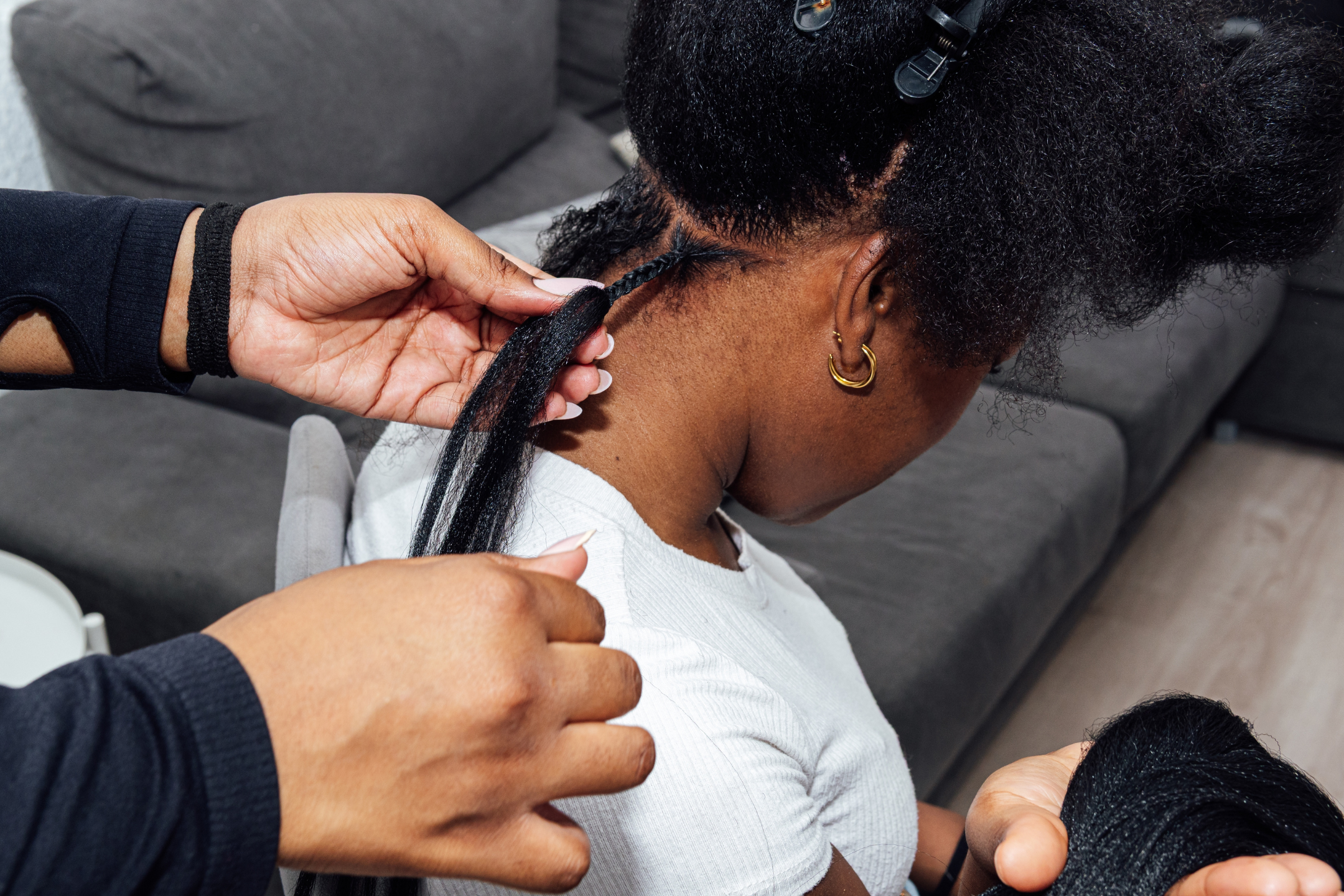
But why is this important? Over time, that tension can cause breakage and even a type of hair loss called traction alopecia—something you definitely want to avoid. So switch it up: use a claw clip to keep hair off your face, try a loose braid, or wear a low ponytail.
Tip 6: How to care for your scalp.
Here’s how to maintain healthy hair with minimal effort—a daily five-minute scalp massage. It’s one of the easiest steps to add to your routine—especially if you own one of those electric scalp massagers that really get your blood flowing.
Tip 7: How stress affects your hair’s growth cycle.
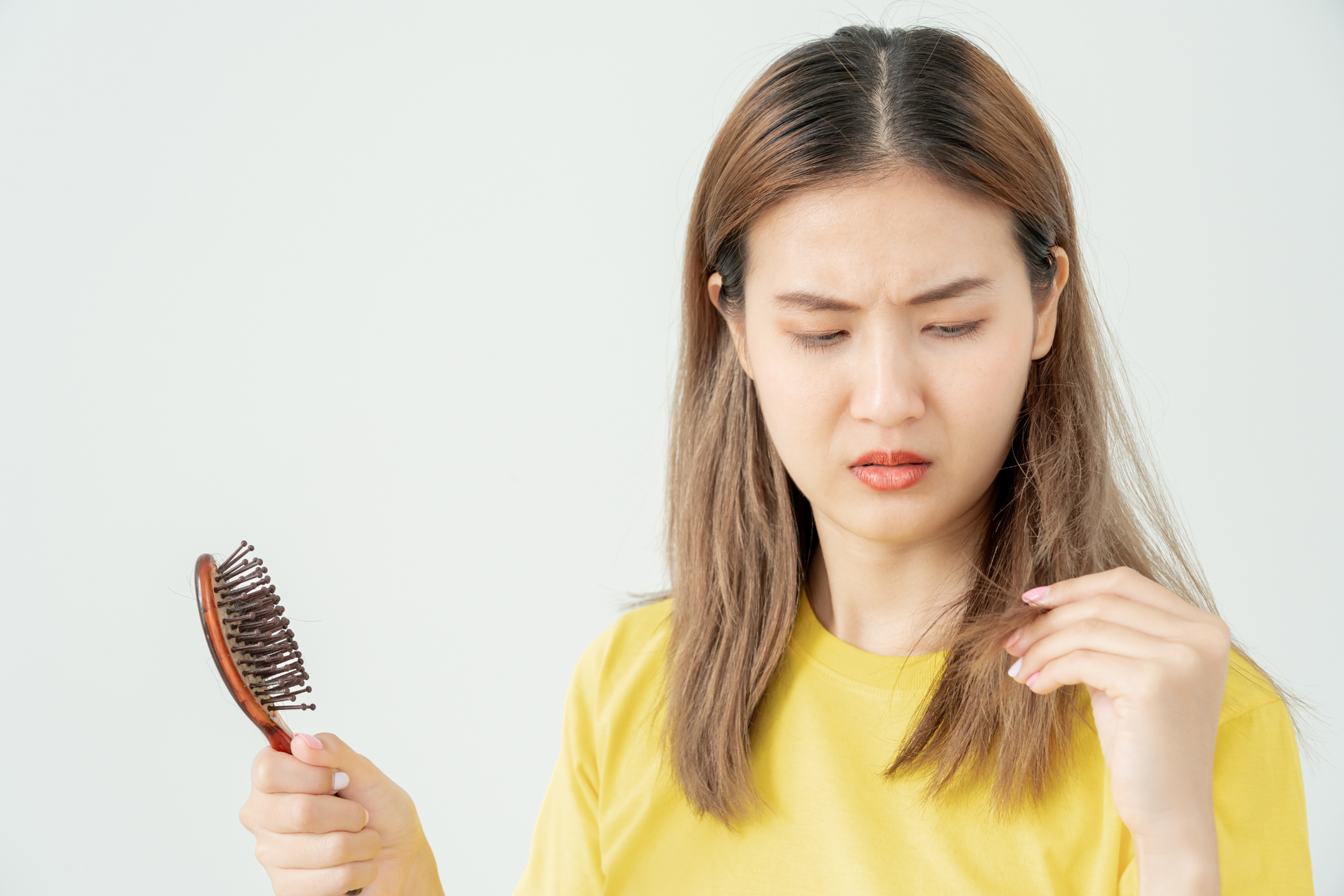
Stressful events—think illness, major life changes, or prolonged emotional strain—can cause telogen effluvium, a condition where more of your hair follicles enter the resting phase and then shed.
It doesn’t happen overnight either: the shedding often shows up two to three months after the trigger, which can make it feel like it came out of nowhere. The reassuring part is that this type of shedding is usually temporary. Once the stressor eases and your body recalibrates, hair often grows back. Still, chronic stress can keep the cycle going, so finding ways to manage it isn’t just good for your mind—it’s good for your hair, too.
Tip 8: How does sleep support your hair health?
7–9 hours of sleep a night and keeping a consistent bedtime can make a real difference to your overall health. And while sleep doesn’t directly cause hair growth, it supports the systems that do.
Think about it this way: when you’re short on sleep, stress hormones often rise, your recovery suffers, and inflammatory processes in your body can increase. Over time, that environment isn’t ideal for your hair follicles.
And hey, no one’s asking you to be perfect. A consistent bedtime, a dark room, and less screen time before bed can be enough to improve sleep quality, and in turn, your well-being.
Tip 9: How often should you trim your ends?
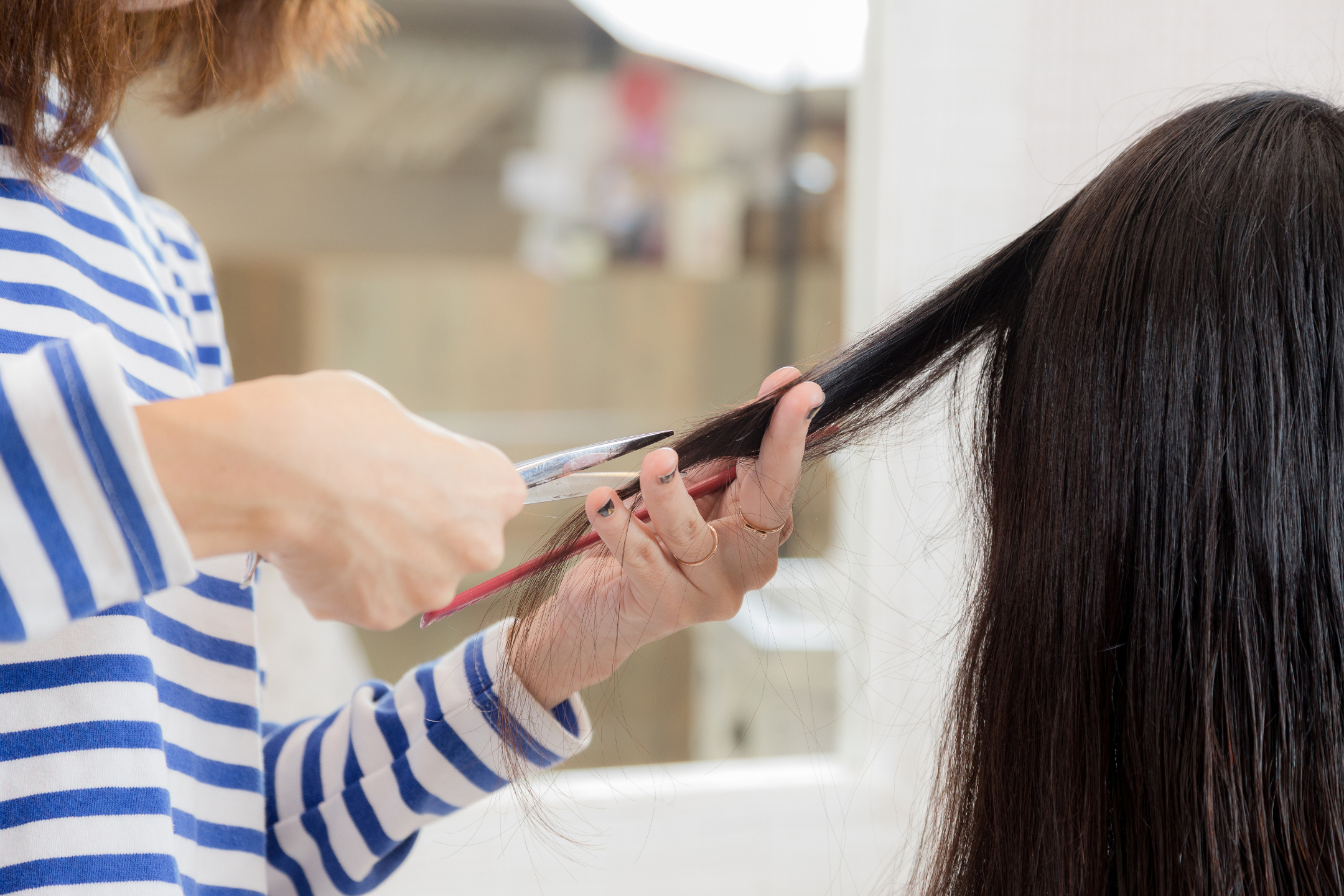
If you have split ends, every 8–12 weeks is a good rule of thumb; otherwise, just trim as needed to keep your ends looking neat.
Note that, as much as we’d like it to, trimming doesn’t make hair grow faster. What it can do is stop split ends from traveling up the strand and making your hair look thinner. Hair grows about half an inch per month on average, so regular trims can keep it looking fuller.
Tip 10: When it’s time to see a doctor.
One of the most useful healthy hair tips is to seek professional help if something seems off. Watch for persistent shedding and scalp irritation — they’re signs it’s time to schedule a doctor’s appointment.
To put that into perspective, it’s normal to lose around 100 hairs a day. But if you’re losing more than that for weeks, noticing bald patches, or dealing with persistent scalp itching, pain, or flaking, it’s time to seek help. Your doctor can run tests to get to the bottom of it, and early intervention often makes all the difference.
Try not to self-diagnose online. If something feels off, book the appointment.
Key takeaways
- Wash your hair based on your scalp’s needs, not a schedule.
- Eat protein- and nutrient-rich foods to support growth.
- Use styling tools responsibly, limit tight hairstyles, and avoid harsh detangling.
- Regularly massage your scalp unless your skin is irritated or feels sensitive.
- Try to manage your stress, get 7-9 hours of sleep, and see a doctor if something feels off.


-
1.
The impact of shampoo wash frequency on scalp and hair conditions. (2021). https://www.researchgate.net/publication/349333296_The_Impact_of_Shampoo_Wash_Frequency_on_Scalp_and_Hair_Conditions
-
2.
The relationship between the frequency of hair shampooing and the condition of hair and scalp among the population of Saudi Arabia. (2026). https://www.researchgate.net/publication/405240660_The_Relationship_Between_the_Frequency_of_Hair_Shampooing_and_the_Condition_of_Hair_and_Scalp_Among_the_Population_of_Saudi_Arabia
-
3.
Does iron deficiency cause hair loss? (2022). https://health.clevelandclinic.org/im-low-in-iron-can-this-cause-me-to-lose-my-hair
-
4.
The therapeutic effect and the changed serum zinc level after zinc supplementation in alopecia areata patients who had a low serum zinc level. (2009). https://pmc.ncbi.nlm.nih.gov/articles/PMC2861201/#sec6
-
5.
Nutritional supplements for skin health—a review of what should be chosen and why. (2023). https://pmc.ncbi.nlm.nih.gov/articles/PMC10820017/#sec15-medicina-60-00068
-
6.
Heat-damaged evaluation of virgin hair. (2019). https://pubmed.ncbi.nlm.nih.gov/30861299/
-
7.
Comparing hair tensile testing in the wet and the dry state: Possibilities and limitations for detecting changes of hair properties due to chemical and physical treatments. (2022). https://pmc.ncbi.nlm.nih.gov/articles/PMC9544838/#ics12796-sec-0015
-
8.
Traction Alopecia. (2025). https://www.ncbi.nlm.nih.gov/books/NBK470434/
-
9.
Telogen Effluvium: A review of the literature. (2020). https://pmc.ncbi.nlm.nih.gov/articles/PMC7320655/
-
10.
Recommended amount of sleep for a healthy adult: A joint consensus statement of the American Academy of Sleep Medicine and Sleep Research Society. (2015). https://pmc.ncbi.nlm.nih.gov/articles/PMC4434546/#sec2
-
11.
Hair loss in women. (2024). https://my.clevelandclinic.org/health/diseases/16921-hair-loss-in-women