For the Last Time, Is It Good to Put Toothpaste on Pimples?

Your guides through the skincare chaos
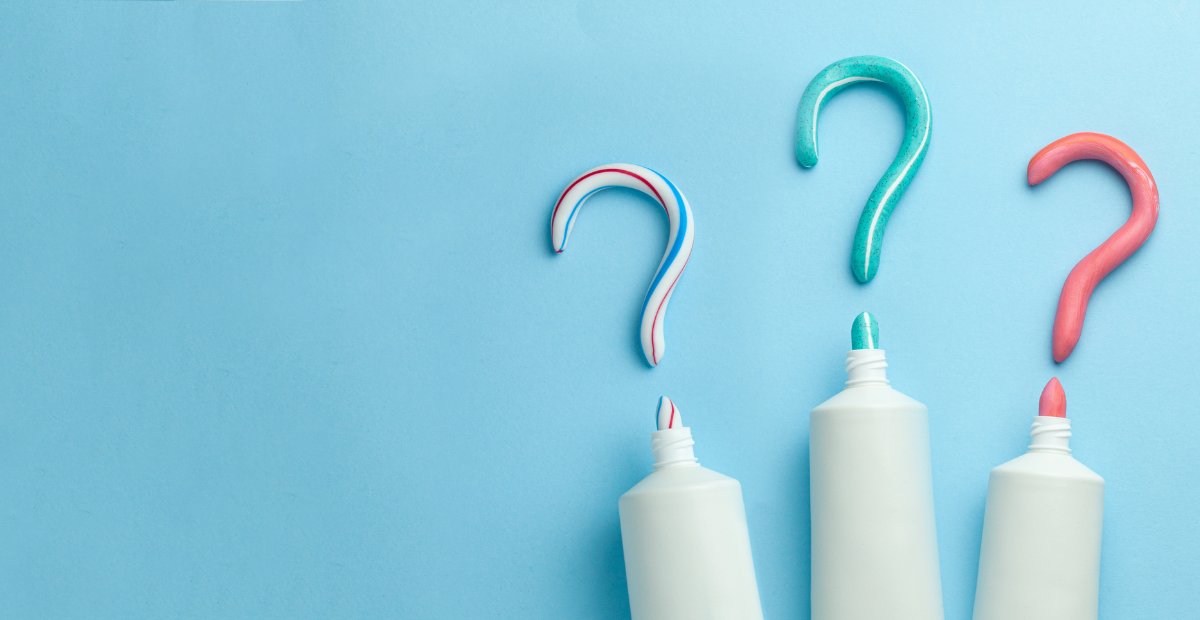
Why put toothpaste on pimples? When a big, painful zit is trying to emerge on your chin, a more honest question might be “why not?” because at that point, you’d probably try anything, as long as it doesn’t make things worse. And toothpaste stings! That means it works, right?
Not really, no. Or it does work, just not for your pimple situation.
So, before you put a product that’s formulated to go inside your mouth on your skin, let’s answer the following questions:
- What does toothpaste do to pimples?
- Does toothpaste help with acne?
- What are the risks of leaving toothpaste on pimples overnight?
- How does using toothpaste on acne compare to real skincare?
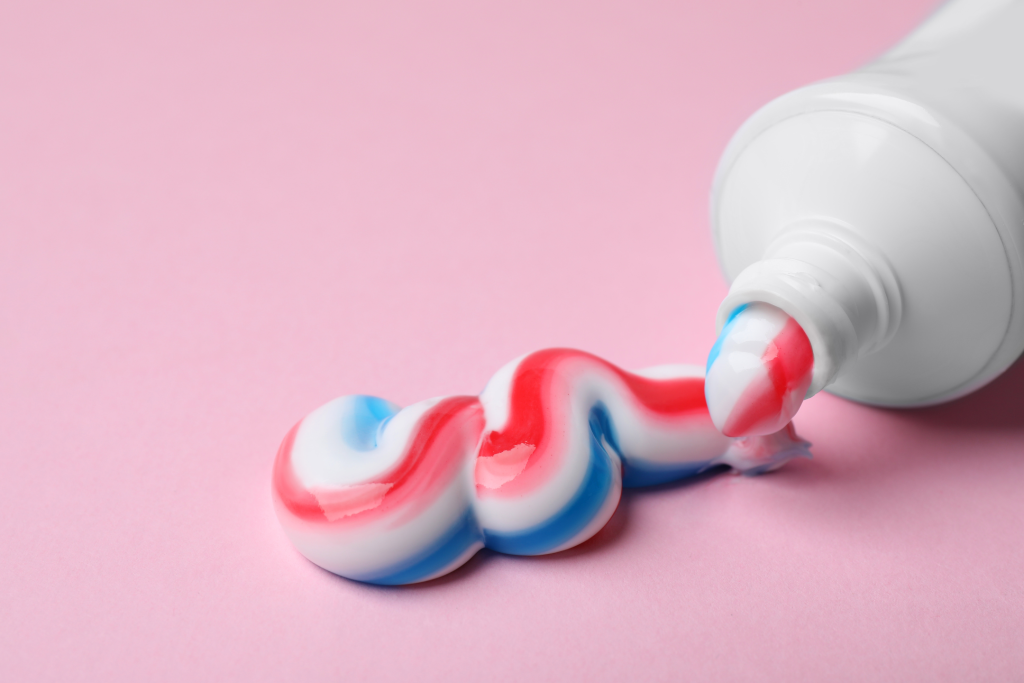
What does toothpaste do to pimples?
Toothpaste can have a drying effect on an inflamed area if you leave it on for some time. However, it’s good to remember that “drying out” isn’t the same as “healing.”
Think about where this method originates. Many modern toothpastes contain ingredients like baking soda, alcohol, and sulfates—all of which can have that “drying” effect you might instinctively seek for inflammation. Additionally, back in the day, some brands used triclosan in their formulations and marketed them as antibacterial, which furthered confusion about just how effective the toothpaste hack could be for treating breakouts.
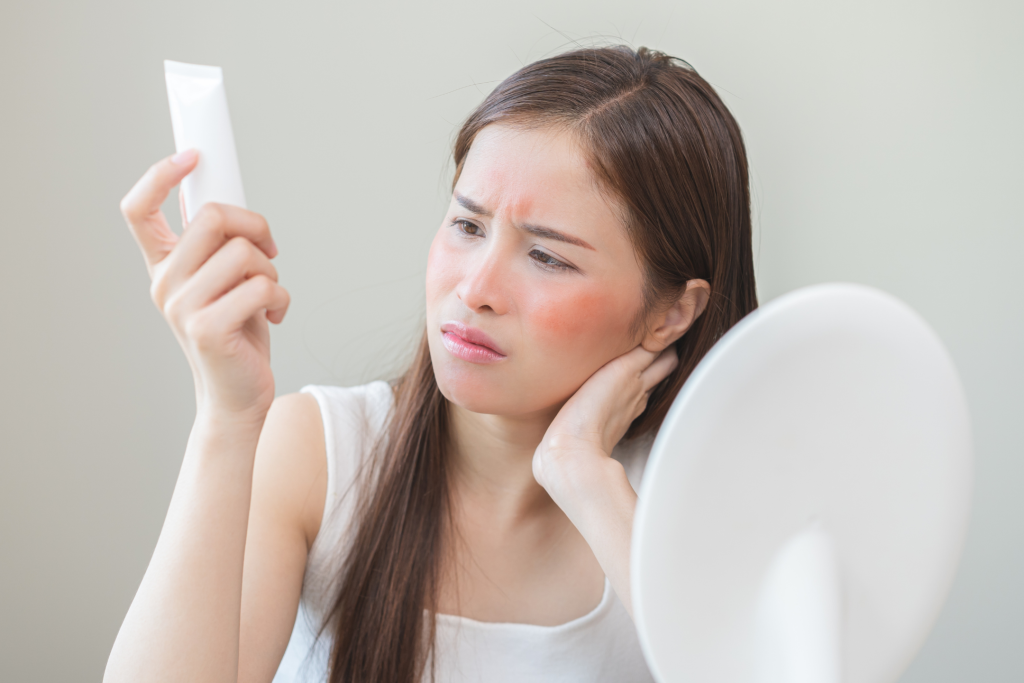
Here’s what can actually happen when you put toothpaste on a pimple: dehydration, irritation, and potential pH disruption.
Dehydration
Sulfates and alcohol are very good at stripping moisture from the top layer of skin. Your pimple might look flatter because it’s dried out now, but the inflammation underneath can often worsen.
Irritation
Most modern toothpastes contain sodium lauryl sulfate (SLS), which can disrupt your skin barrier function. The whitening agents, artificial flavors, and menthol can have a similar effect and may also trigger allergic reactions, since these ingredients (at the concentrations found in toothpastes) are designed for tooth enamel, not facial skin.
pH disruption
Your skin’s natural pH is usually around 4.7–5.5. Toothpaste is highly alkaline (pH 7–10). That imbalance can negatively affect your moisture barrier.
While using toothpaste on pimples might temporarily shrink a whitehead, you risk ending up with red, peeling skin as a trade-off.
Does toothpaste help with acne?
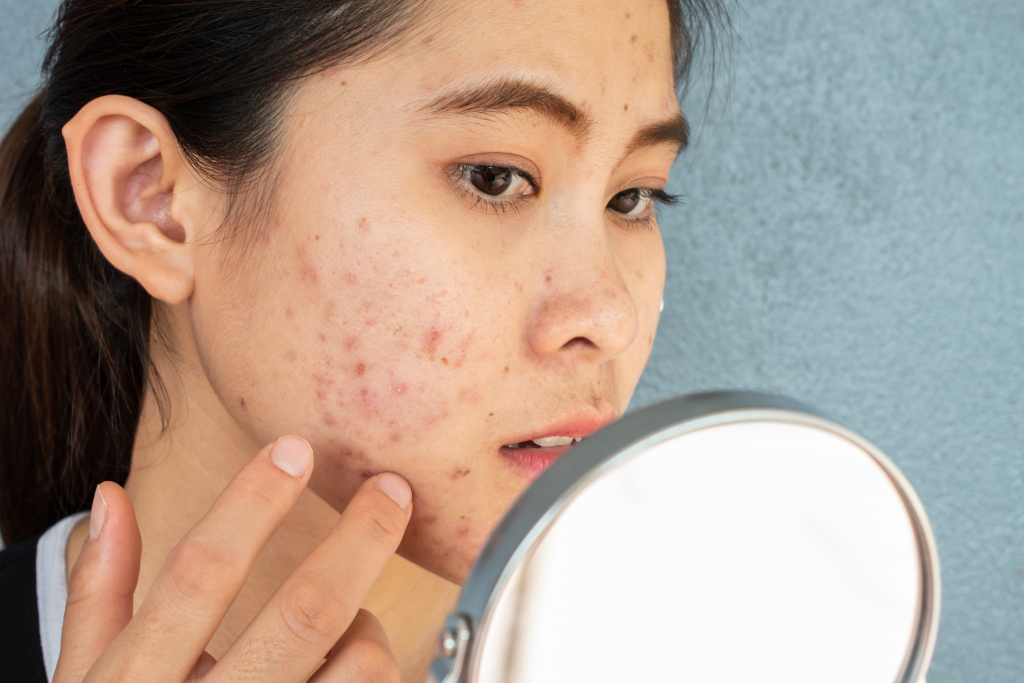
No. Acne is a chronic skin condition that, in many cases, is caused by bacteria. Putting toothpaste on acne won’t address any of the underlying causes, nor will it prevent future breakouts.
Here’s what you have to address when it comes to acne:
- Clogged pores
- Bacteria
- Inflammation
- Hormonal, genetic, and other factors
See how toothpaste addresses exactly zero of these root causes? Even if you manage to dry out a couple of zits by putting toothpaste on pimples, it won’t prevent new ones. Worse, messing with acne-compromised skin like that can trigger more breakouts.
What about toothpaste on pimples overnight?
Please don’t use toothpaste as an overnight treatment. Here’s what you risk if you do:
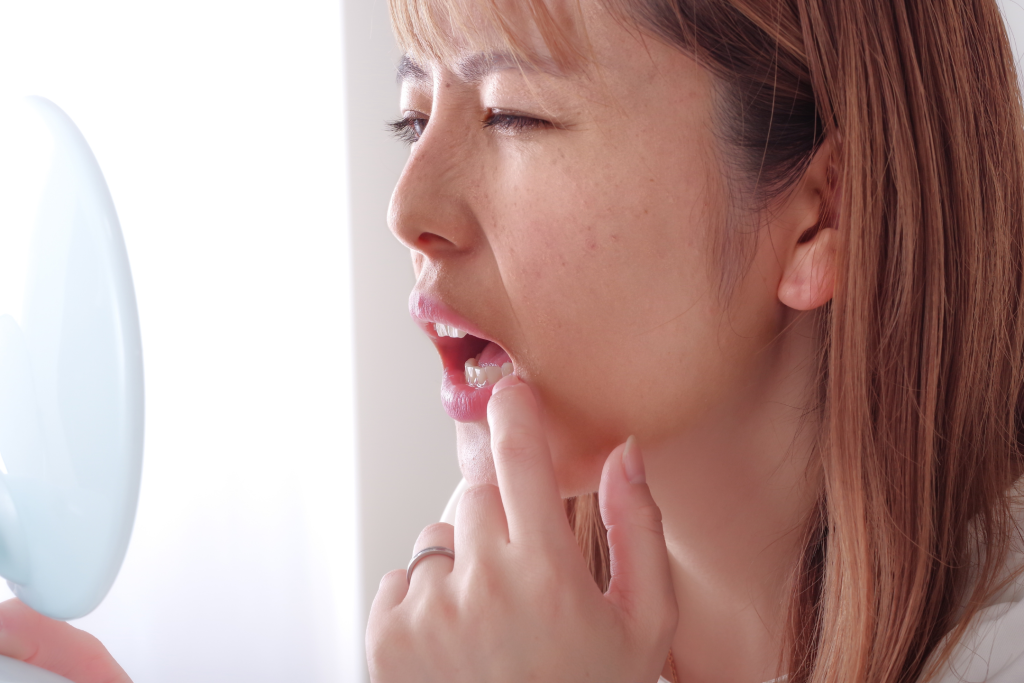
1. Contact dermatitis
Modern toothpastes contain many ingredients that may be perfectly fine for your mouth, but can cause issues after prolonged contact with your skin. Think irritation, itchiness, redness, etc.
2. Perioral dermatitis
Perioral dermatitis, unlike contact dermatitis, is a chronic condition that usually appears as small bumps, pimples, or pink scaly patches around the mouth. Some toothpastes, like fluorinated toothpaste, can trigger it when applied to the skin.
3. No antibacterial benefit for acne
Unlike ingredients like benzoyl peroxide, azelaic acid, or topical antibiotics, toothpaste doesn’t effectively kill acne bacteria. Any temporary improvement you might see in the mirror comes from the toothpaste drying out some of the zits, not fighting the bacteria.
4. Long-term damage
SLS-containing toothpaste can and will damage your skin’s moisture barrier over time if you keep applying it regularly. That means more breakouts, more redness, and slower healing.
Toothpaste on pimples vs. real skincare
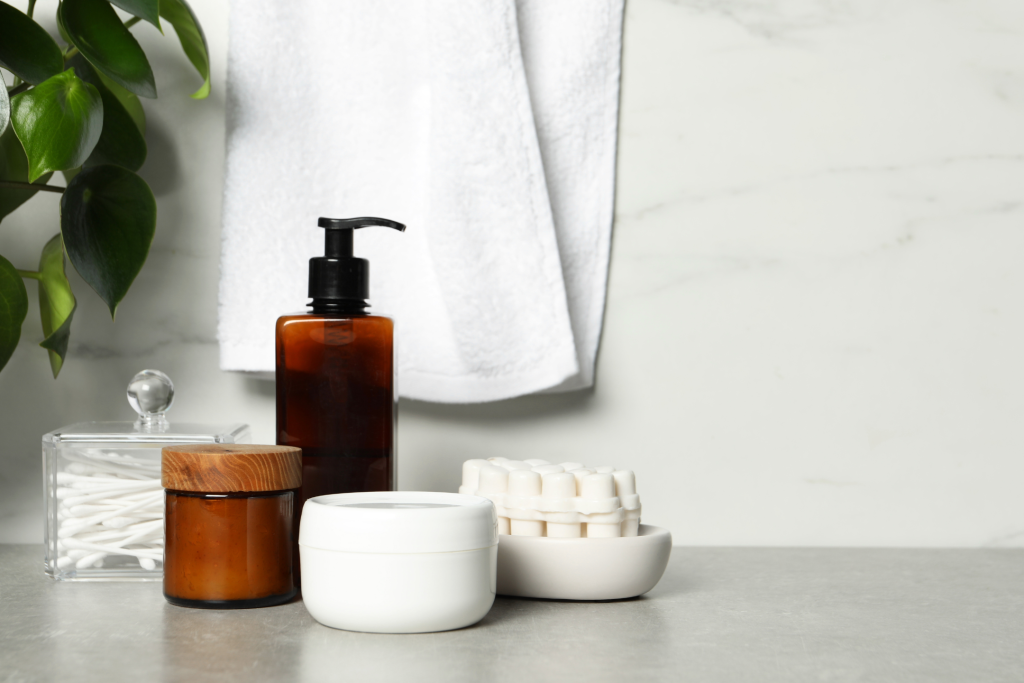
So, what ingredients can you actually use that aren’t toothpaste for acne management? Let’s get evidence-based, with treatments that have decades of research behind them.
Salicylic acid
Salicylic acid is a BHA (beta-hydroxy acid) that’s been used for years to help unclog pores and exfoliate the skin by dissolving dead cells. It can also help with inflammation, which is why it’s a go-to product for acne management.
Most effective for: blackheads, whiteheads.
Benzoyl peroxide
Benzoyl peroxide effectively reduces inflammation, kills acne-causing bacteria on your skin, and helps remove excess oil and dead skin cells. So, if you’re looking for a new face wash and have acne-prone skin, a benzoyl peroxide product is one of the best available options for you.
Most effective for: inflamed, red pimples.
Niacinamide
Niacinamide is here to strengthen your skin’s moisture barrier and improve its texture. It can reduce inflammation and redness, regulate oil production, and help fade dark spots.
Most effective for: post-acne marks.
Retinoids
It always comes back to retinoids, doesn’t it? Let’s see. Retinoids speed up your natural skin cell turnover, which is how you retain higher levels of collagen as the years go by (bye-bye early wrinkles!) They help unclog pores and fade dark spots.
Most effective for: all types of breakouts.
Sulfur
If you have extremely sensitive skin, sulfur can be a good addition to your anti-acne routine. While not a staple acne treatment in and of itself, it can assist by gently exfoliating the skin and keeping your sebum production in check.
Most effective for: oily, breakout-prone skin.
Bonus tip: Be sure to check with your doctor before adding anything new to your skincare routine, and always scan any product to ensure it works with your other stuff before you buy it.
Key takeaways
- Toothpaste on pimples is largely a myth.
- It dries pimples but risks irritation, redness, and more breakouts.
- Toothpaste doesn’t help with acne, unlike salicylic acid, benzoyl peroxide, or retinoids.
- The very few benefits don’t outweigh the many risks, so it’s better to skip this method.


-
1.
Triclosan. (2022). https://my.clevelandclinic.org/health/articles/24280-triclosan
-
2.
Effect of sodium lauryl sulfate (SLS) applied as a patch on human skin physiology and its microbiota. (2021). https://www.mdpi.com/2079-9284/8/1/6
-
3.
Toothpaste allergy diagnosis and management. (2010). https://pmc.ncbi.nlm.nih.gov/articles/PMC2922711/#sec6
-
4.
Perioral dermatitis. (2025). https://www.ncbi.nlm.nih.gov/books/NBK525968/#article-26998.s3
-
5.
Minimum contact time of 1.25%, 2.5%, 5%, and 10% benzoyl peroxide for a bactericidal effect against Cutibacterium acnes. (2022). https://pmc.ncbi.nlm.nih.gov/articles/PMC8922035/#S0002

You May Be Interested In
View All