What Is Perioral Dermatitis, What Causes It, and How to Treat It

Your guides through the skincare chaos
What if you were told that toothpaste could be behind a rash appearing around your mouth? Sounds odd, right? And what about chewing gum? Believe it or not, both can provoke a condition called perioral dermatitis—and there are plenty of other triggers too. Let’s figure out what perioral dermatitis is, how to recognize it, and what’s just as important, how to treat it.
What Is Perioral Dermatitis?
If you notice a rash around your mouth, there’s a good chance it could be perioral dermatitis. This condition often shows as small bumps, pimples, or pink scaly patches and mostly affects young women, though anyone can face it.
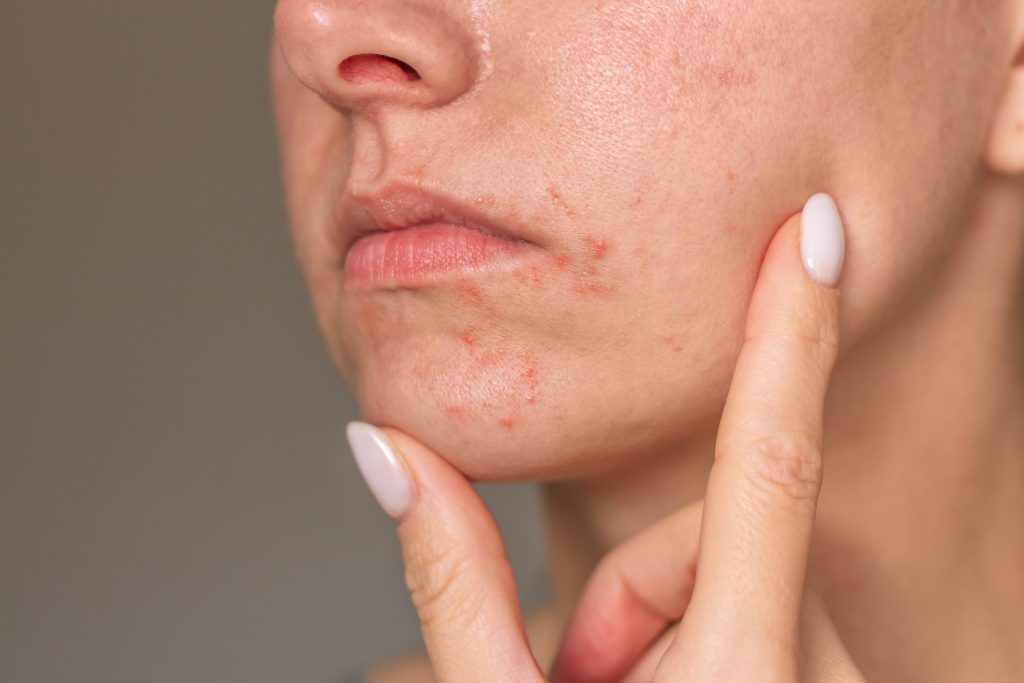
Apart from the mouth, it can also appear around the eyes and nose. That’s why it’s sometimes called periorificial dermatitis, which means it affects the areas around the openings of the face.
What Are the Causes of Perioral Dermatitis?
Science isn’t exactly sure what exactly causes perioral dermatitis. However, there’s evidence that some factors can trigger it:
Topical corticosteroids
Topical corticosteroids are medications that doctors usually prescribe to reduce inflammation or redness on the skin. They can be found in various products like creams, ointments, lotions, and even tapes.
In general, these medications are used to treat conditions like eczema, psoriasis, allergic reactions, rashes, and other inflammatory skin problems. They are effective at reducing swelling, redness, and irritation.
However, instead of fixing skin issues, using strong steroid creams on your face for a long time can actually backfire, causing a rash that looks like rosacea or perioral dermatitis.
Fluoridated toothpaste
Some studies show that fluoride toothpaste can also trigger or worsen perioral dermatitis. However, we still don’t know exactly why fluoride might cause this reaction.
Chewing gum and some types of dental fillings can also play a role, either by directly irritating the skin (through contact with saliva) or because certain chemicals in these materials trigger sensitivity in some people.
Cosmetics
In general, makeup doesn’t trigger perioral dermatitis, but under certain circumstances, it can. One study in Australia found that people who used several face products together (foundation + moisturizer + night cream) had a much higher chance of developing perioral dermatitis than those who didn’t. Using foundation with moisturizer also increased the risk, though not as much.
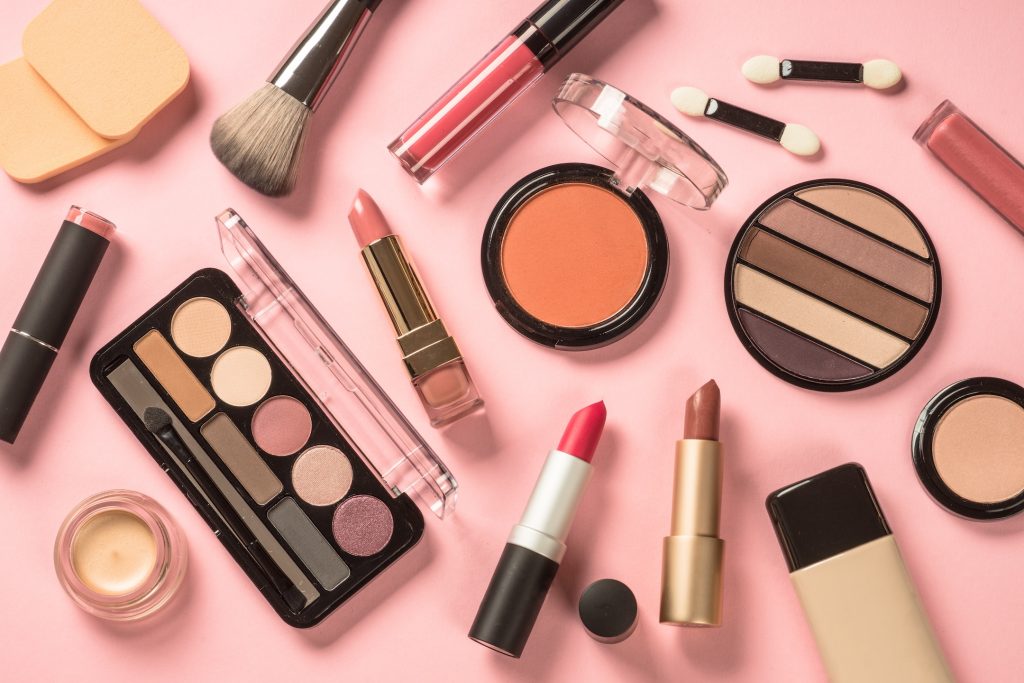
At the same time, applying moisturizer alone didn’t cause any problems.
Wearing face masks for long periods
Now let’s travel a bit and take a look at a study from the Northern Hemisphere. In Milan, Italy, scientists compared the number of perioral dermatitis cases before and during COVID-19. The average number of patients increased from 14 cases per month to 24–32 cases, depending on the exact period.
Two things made scientists think it wasn’t just a coincidence. First, about a quarter of the patients had never had perioral dermatitis before. Second, the rash appeared mainly in the areas covered by the mask.
One possible explanation is that masks create a warm, humid environment on the skin. This can irritate it, disrupt its natural balance, and weaken its protective barrier.
Perioral Dermatitis Treatment
The good news is that even though we can’t be sure what causes it, there are treatments that actually work. Here are a few things you can do to get rid of perioral dermatitis:
Reconsider your skincare routine
If you suspect you have perioral dermatitis, the first step is to adjust your skincare routine. Overusing creams and cosmetics, as well as fragranced or harsh products, can worsen irritation. A sound decision is to simplify your routine and use gentle, fragrance-free, and non-comedogenic products that won’t clog pores or disturb your skin’s natural balance.
To be sure a product is safe for your skin type and issues, check its formula in OnSkin. You can take a picture of the product, its barcode, or simply type its name in the search bar to check it out. All the ingredient insights are based on reputable dermatology and toxicology sources.
Stop applying steroid products
If you’ve been using topical corticosteroids, it’s important to gradually stop or replace them under a doctor’s supervision. After you stop applying these products, the skin might get worse for a while before it starts to improve. That’s why, for people using strong steroids, doctors sometimes suggest reducing their strength and switching to a milder cream before stopping completely (though even in this case, the rash can get worse for one or two weeks).
Opt for non-fluoridated toothpaste
If you suspect oral hygiene products are to blame for the rash around your mouth, consider changing the type of toothpaste or ask your dentist to switch to different dental fillings.

Pay your dermatologist a visit
Visiting your dermatologist won’t hurt. The doctor will check your condition and likely recommend a treatment plan. Usually, they prescribe topical creams and gels with azelaic acid, clindamycin, metronidazole, erythromycin, or sulfur. Other options may include non-steroid anti-inflammatory creams and ointments like tacrolimus or pimecrolimus.
If none of those work, doctors may switch to oral antibiotics to reduce inflammation and clear the skin.
Key Takeaways
Perioral dermatitis is a skin condition that causes small bumps, pimples, or pink scaly patches around the mouth, but it sometimes can even appear around the eyes or nose. The exact cause is still unknown, but scientists say there are at least a few triggers that may contribute to it.
These include long-term use of topical corticosteroids, cosmetic products (especially when multiple layers are used together), fluoridated toothpaste, chewing gum, and dental materials that may irritate sensitive skin around the mouth. Another possible trigger, though less relevant now, is wearing face masks for long periods, which can disrupt the skin’s natural barrier and increase irritation.
As for treatment, try to eliminate the triggers mentioned above, pay attention to the safety of skincare product formulas (you can check them at any time with the OnSkin app), and don’t forget to consult a dermatologist. The best treatment is always the one planned by a professional.


-
1.
Perioral dermatitis. (2025) https://www.ncbi.nlm.nih.gov/books/NBK525968/
-
2.
Perioral dermatitis. (2013) https://www.sciencedirect.com/science/article/abs/pii/S0738081X13001016?via%3Dihub
-
3.
Topical corticosteroids. (2025) https://www.ncbi.nlm.nih.gov/books/NBK532940/
-
4.
Topical steroid-induced perioral dermatitis (top striped): case report of a man who developed topical steroid-induced rosacea-like dermatitis (top side red) https://pmc.ncbi.nlm.nih.gov/articles/PMC8115187/
-
5.
Perioral dermatitis: clinical considerations for dental, pharmacy, and nursing professionals. (2025) https://www.researchgate.net/publication/397448676_Perioral_Dermatitis_Clinical_Considerations_for_Dental_Pharmacy_and_Nursing_Professionals
-
6.
Topical applications and perioral dermatitis. (2000) https://pubmed.ncbi.nlm.nih.gov/10715898/
-
7.
Effect of oral inhibitors of ovulation in treatment of rosacea and dermatitis perioralis in women. () https://pubmed.ncbi.nlm.nih.gov/12305771/

You May Be Interested In
View All