Sulfur for Acne: Does Your Skin Type and Routine Need It?

Your guides through the skincare chaos
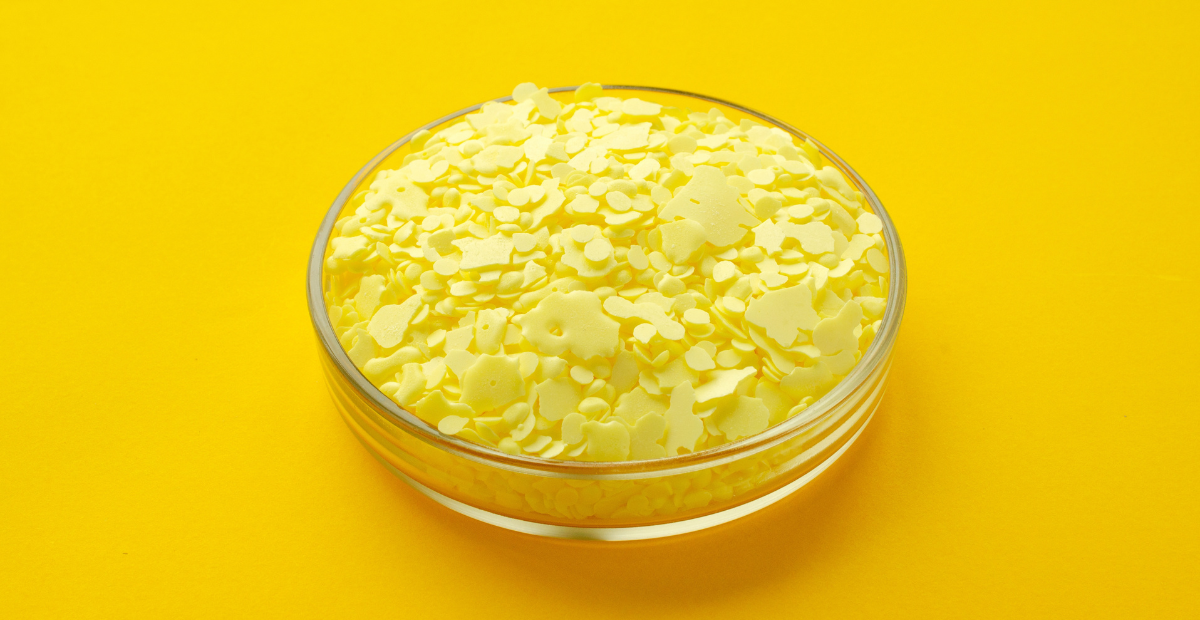
Sulfur for acne-prone skin is probably one of the most underrated treatments in the beauty world. Its unpopularity can at least partly be blamed on the smell that most sulfur products have. Other than that, though, sulfur has many benefits that—if used correctly—can improve the state of your skin, especially if you’re prone to sensitivity.
Face, chest, or back—let’s talk about what sulfur does to acne-prone areas of your body, how it fits with your existing beauty rituals, and why it might suit you more than its more popular alternatives.
What does sulfur do for acne?
Sulfur targets the root causes of breakouts through effective absorption, gentle exfoliation, and antimicrobial action. Its keratolytic (skin-shedding) properties make it a well-tolerated option for mild to moderate acne, especially if you find traditional treatments too harsh.
Let’s go one by one.
Effective absorption
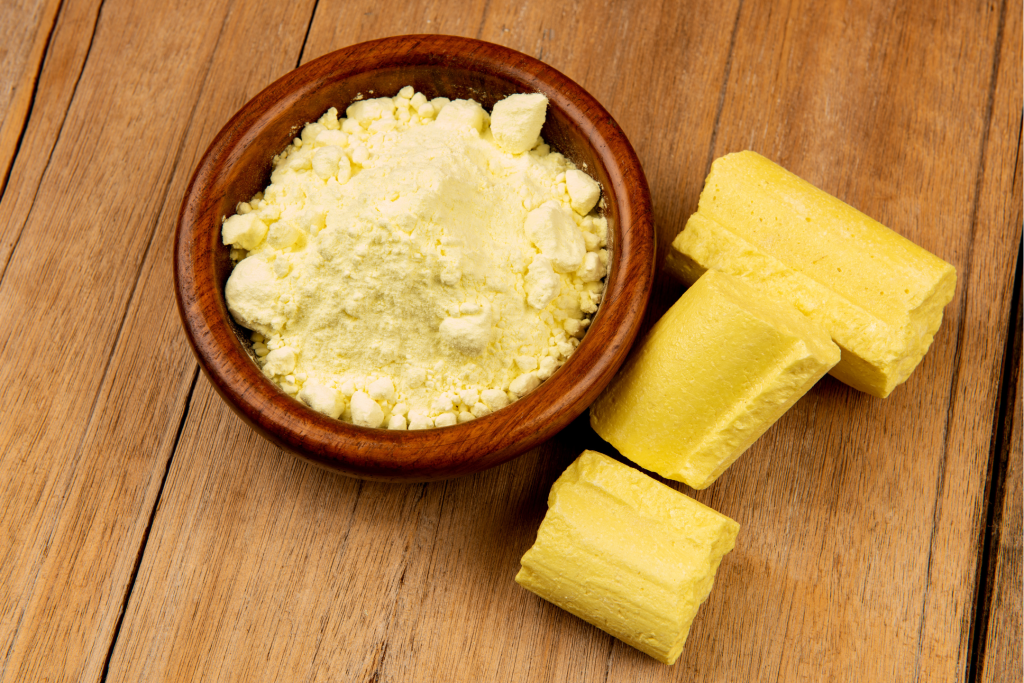
Sulfur is incredibly absorbent. It pulls excess sebum (oil) out of the pore, which is the primary “food source” for acne-causing bacteria.
Gentle exfoliation
Sulfur helps break down dead skin cells. When those dead skin cells build up, they start clogging your pores and forming comedones (blackheads and whiteheads). Using sulfur for acne helps by gently loosening the bonds that hold those cells together.
Antimicrobial action
While not as harsh as something like benzoyl peroxide, sulfur has natural antibacterial properties that can help cut down on harmful bacteria without messing with your skin’s natural microbiome.
Sulfur vs. other acne treatments
Sulfur for acne isn’t usually the first thing that comes to mind—most people think of retinoids, salicylic acid, or benzoyl peroxide. But it actually has some real benefits, especially if your skin is acne-prone. Whether it’s a good fit for you really comes down to what your skin can handle and what kind of acne you’re dealing with.
Note: Make sure to check with your doctor before adding any sulfur products to your routine!
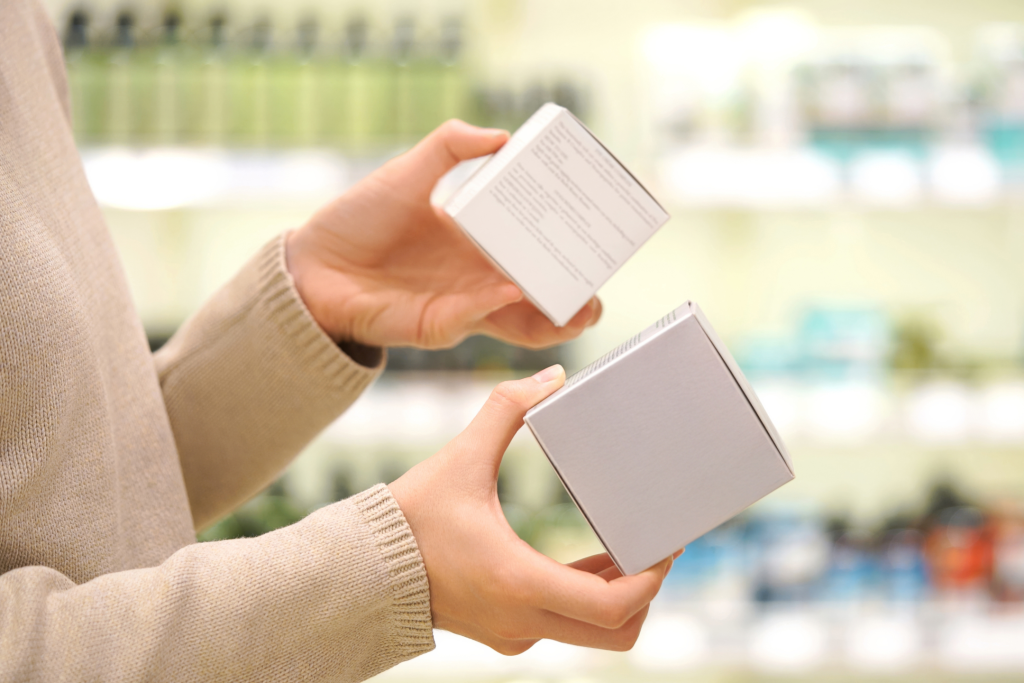
Let’s see how the most popular acne treatments you might see in your local drugstore compare to sulfur.
#1 Retinoids
These are great for cell turnover, but they often come with a “purging” phase and increased sun sensitivity. Sulfur, on the other hand, doesn’t usually cause purging and can be used as a spot treatment in case of emergency.
#2 Benzoyl Peroxide
It would usually be your first choice, but keep in mind that while extremely effective, benzoyl peroxide can also be very drying or irritating. If you struggle with redness and peeling, using sulfur for acne is generally considered a gentler option.
#3 Salicylic Acid (BHA)
This oil-soluble acid can dive deep into the pores to clear out everything you don’t want to be there. Sulfur works similarly but gentler. If you’re having an active breakout and your skin can’t tolerate salicylic acid, giving sulfur a go might be a good choice.
Pro tip: Always patch-test any new products, especially if you’re in the midst of an active breakout! Remember to check the formulation to ensure there are no ingredients that may exacerbate the situation.

You don’t have to look at sulfur as a replacement for your favorite acne treatment—it can just as well be a complementary tool. For instance, you might use a salicylic acid toner in the morning, but rely on a sulfur spot treatment before bed to calm a sudden flare-up.
How to use sulfur based on skin type
The one-size-fits-all principle has never applied to skincare. Here is how to safely use sulfur for acne based on your skin type.
For oily skin
If most of your face gets shiny by noon, sulfur is your new best friend. You can likely tolerate both a sulfur face wash in the morning and a leave-on cream in the evening (but remember to patch-test!)
- Your routine: Start your day with a sulfur cleanser, followed by a lightweight, non-comedogenic moisturizer. At night, use a sulfur spot treatment on any active breakouts.
- Why it works: This method can help you keep the sebum production in check all day and prevent clogged pores.
For dry and sensitive skin
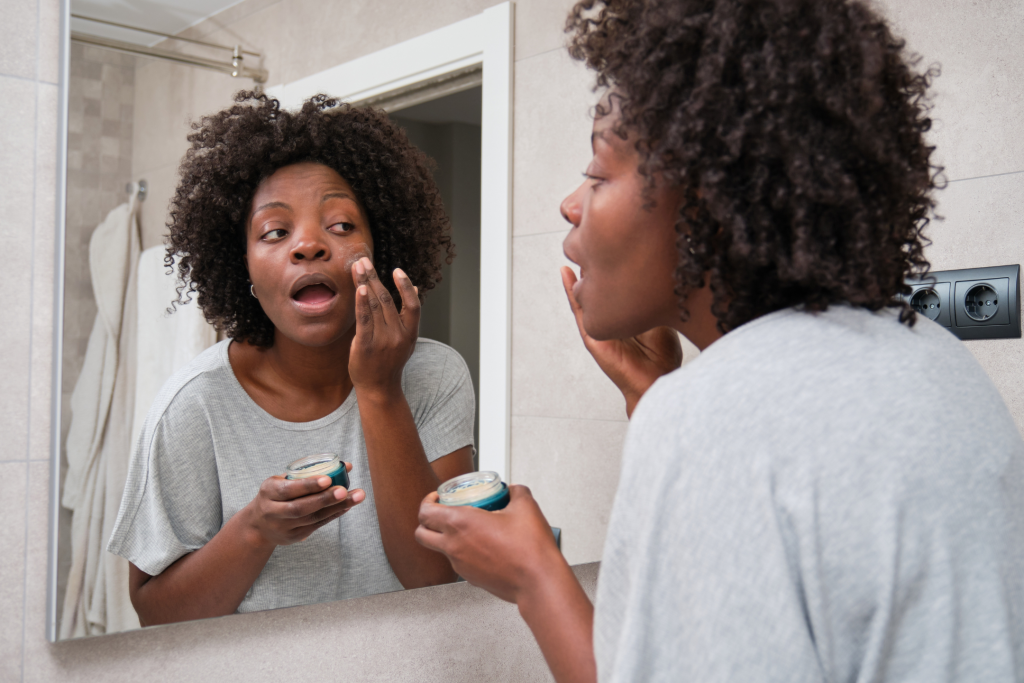
This is where you need to be cautious. Sulfur can be drying, and the last thing you want is to overdo it. If your skin is dry, sensitive, or both, niacinamide is probably your best bet. It can help calm inflammation and lower the risk of future breakouts.
For combination skin
Here you can try several things.
- Your routine: Use a gentle hydrating cleanser on your entire face, but apply a sulfur cream for acne only to your T-zone (forehead, nose, chin) where breakouts typically happen. Use a richer moisturizer on your cheeks.
- Why it works: This approach ensures you aren’t drying out areas that won’t benefit from the treatment.
For normal skin
If you rarely break out but get occasional hormonal pimples, you don’t need to use sulfur all over your face.
- Your routine: Don’t overcomplicate it. Keep a sulfur spot treatment for acne in your medicine cabinet and apply it at the first sign of a red bump.
- Why it works: Early intervention with sulfur can often stop a pimple in its tracks before it becomes a full-blown cyst.
Quick Tip: Regardless of skin type, always follow up with sunscreen.
How to layer sulfur with other skincare
Unless your whole skincare routine consists of washing your face with tap water twice a day, you need to understand what plays well with sulfur and what doesn’t. Layering beauty products incorrectly can lead to dryness, peeling, or, in rare cases, chemical burns.
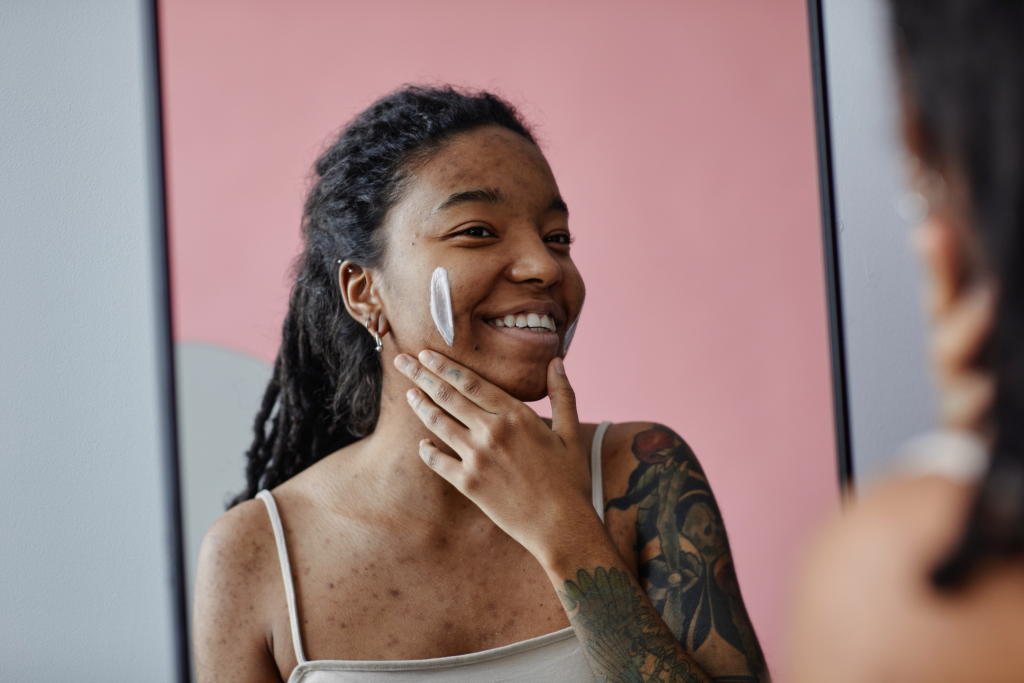
Safe to layer:
- Hydrating serums: Think hyaluronic acid and ceramides. Pairing them with sulfur can help your skin maintain moisture.
- Niacinamide: This is a good match. Niacinamide prevents moisture loss and overproduction of sebum, complementing sulfur’s effects.
- Sunscreen: Non-negotiable under any circumstances. Always apply SPF 50 as the last step of your morning routine.
Avoid layering:
- Other strong exfoliants: Avoid using a sulfur cream for acne on the same night as glycolic acid or a strong retinol. If you want to use both, separate them—either by applying one in the morning and the other at night, or by using them on different days of the week.
- Benzoyl Peroxide: It’s one or the other. While some can tolerate this combination, it’s generally way too drying.
Quick Tip: When you start using sulfur, start slow. Use it every other day for the first week to see how your skin reacts. Should you notice unusual tightness or flaking, scale back the frequency or switch to a wash-off formula.
Key Takeaways
- Sulfur absorbs oil, exfoliates, and fights bacteria—effective for surface acne.
- Gentler than benzoyl peroxide or salicylic acid.
- Sulfur acne spot treatment for occasional pimples; face wash for oily skin.
- Oily skin: frequent use is okay. Dry/sensitive: better stick to alternatives to avoid irritation.
- Don’t mix with benzoyl peroxide or strong exfoliants. Hydrate and use SPF.
- Use the OnSkin app to scan products and check compatibility scores.


-
1.
Sulfur and its derivatives in dermatology: Insights into therapeutic applications—a narrative review. (2025). https://pmc.ncbi.nlm.nih.gov/articles/PMC12355337/#jocd70402-sec-0008
-
2.
Sulfur treatment with niacinamide provides fast-acting inflammatory acne benefits in subjects with mild to moderate acne vulgaris. (2023). https://www.jaad.org/article/S0190-9622(23)02265-X/fulltext
-
3.
Antimicrobial activities encountered by sulfur nanoparticles combating Staphylococcal species harboring sccmecA recovered from acne vulgaris. (2021). https://pmc.ncbi.nlm.nih.gov/articles/PMC8712535/#s5
-
4.
Do retinoids really reduce wrinkles? (2025). https://www.health.harvard.edu/healthy-aging-and-longevity/do-retinoids-really-reduce-wrinkles
-
5.
Safety and efficacy of a novel three-step anti-acne regimen formulated specifically for women. (2020). https://pmc.ncbi.nlm.nih.gov/articles/PMC8060657/#s0005