
Top 4 Non-Comedogenic Oils That Won’t Mess With Your Pores

Onskin Content Team
Your guides through the skincare chaos
For years, the rule of thumb was clear: if your skin breaks out, skip ALL oils. In theory, that makes sense. But the truth is a bit messier. While some oils can irritate or clog pores, others can actually hydrate, calm, and protect your skin. All without causing breakouts.
This article is a guide to non-comedogenic oils, your skin’s quiet little allies that can genuinely play nice with your pores. Especially handy if your skin is oily, combination, or acne-prone.
Let’s dive in.
Meet the Comedogenicity Scale
First, what does comedogenic actually mean? Promise: it won’t be a chemistry lecture! Plus, we already have a guide to comedogenic ingredients for those who want to go deeper.
As you might know, acne often starts with clogged pores (also known as comedones). So when an ingredient is called comedogenic, it means it might block pores and trigger breakouts. Is your skin oily or combination? Prone to acne? This is definitely something to keep in mind when choosing a new bottle for your beauty bag.
Researchers developed the comedogenicity scale to label ingredients according to their pore-clogging potential. It ranks ingredients from 0 to 5 depending on how likely they are to clog pores. On this scale, 0 means not at all, while 5 is “hello, breakouts!” Ratings of 2-3? Borderline. They might cause trouble. Or they might not. Skin is personal like that.
One important thing: many studies used very high concentrations of single ingredients (sometimes 10% or more). In real skincare formulas, the amounts are often much lower. On top of that, the formula, concentration (only the manufacturer exactly knows it), and your skin’s reactions all matter.
That’s why questions like “What oils are non-comedogenic?” may not always have universal answers.
So, Do Non-Comedogenic Oils Exist?
People with oily, combination, or acne-prone skin often skip oils altogether. To be honest, that’s totally understandable.
In real life, oils can be our allies that can effectively hydrate the skin. Hydration is something every skin type needs, even the one prone to those annoying breakouts.
And if you thought before that your goal was to dry it out completely, you’ve probably been doing it wrong. Why? Because dehydrated skin can overproduce sebum to compensate. It’s like your face saying, “Fine, I’ll do it myself.”
Instead, it can be a good idea to choose non-comedogenic oils. The key is picking wisely (and we already have a study-proven list of such heroes, so you don’t have to stress about searching.) So keep reading to meet them!
A Word on Comedogenic Oils
Before we name the top non-comedogenic oils for face, here’s a quick heads up. Not all natural oils are halo-wearing angels. Especially if you’re prone to acne.
Coconut oil, for example, is a famous enemy for many people with oily and combination skin. Others like soybean, seed, wheat germ, and some ester oils (hello, isopropyl myristate) can also trigger congestion. Even cocoa butter, an oily substance (but chemically a fat extracted from cocoa beans), can be too heavy for breakout-prone skin.
Honestly, you don’t need to memorize all that. You can just trust OnSkin. It checks comedogenicity for you and flags if a product has considered comedogenic ingredients (the usual pore-cloggers) or probably comedogenic ones (might clog depending on formula and concentration). You’ll always see if either is present.
Top 4 Non-Comedogenic Oils (and Why They’re Worth It)
Now to specifics—because not all oils behave the same.
Your Skin’s Ally #1: Castor Oil
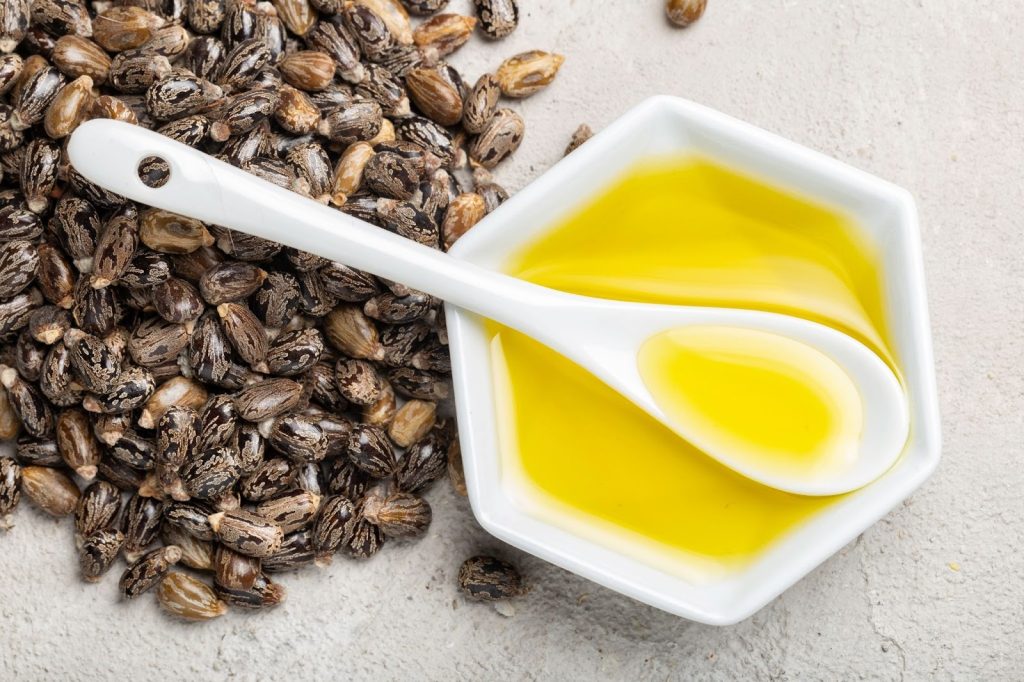
Castor oil has a reputation for being thick, and it is. But that doesn’t mean it’s a pore-clogging villain. In fact, castor oil ranks low on the comedogenic scale. So consider it a legitimate contender on the list of non-comedogenic oils.
One reason it stands out is its lipid-rich profile. Castor oil is packed with ricinoleic acid, known for its antibacterial and anti-inflammatory properties.
It’s also deeply moisturizing. Feeling your skin barrier is off? Castor oil can help give it some gentle TLC. Many people use it to condition hair, too.
On top of that, you’ve probably seen it in lash serums and treatments that help make eyebrows thicker.
Yes, the texture is heavy. But when it’s properly diluted or blended into a formula, castor oil can hydrate the skin. Without clogging pores, for sure.
Your Skin’s Ally #2: Squalane

If oils had a minimalist queen, squalane would be it. It’s lightweight. Absorbs fast. Almost invisible on the skin. In other words, it’s a perfect match for those with oily or combination skin. Yet it does a ton of work.
Squalane is the stable cousin of squalene, the lipid your skin naturally produces. Today, it’s mostly plant-derived—from olives, rice bran, or wheat germ. Do ethical and skin-friendly choices matter to you? Squalane checks both boxes.
Why do people love this ingredient? First of all, because it’s super-hydrating. Squalane soothes and softens the skin, smooths rough patches, and leaves behind a subtle glow. All without feeling heavy.
Sensitive, acne-prone, and even compromised skin can usually handle it. Plus, clinical studies confirm it’s gentle enough for such serious skin conditions as dermatitis or eczema.
At the end of the day, squalane can be the “starter oil” for anyone nervous about oils in general. Among non-comedogenic oils for oily skin, it’s basically vanilla ice cream: almost everyone loves it.
Your Skin’s Ally #3: Sunflower Oil

Light, thin, and surprisingly powerful, sunflower seed oil is one of those oils that quietly does its job without drama.
It’s packed with linoleic acid and high in beta-carotene, vitamin E, and fatty acids. They help keep hydration locked in and are a great support for your skin barrier.
Research backs it up. A 2002 study found that sunflower oil improved skin barrier function in newborns with compromised skin. In another comparison, olive oil actually damaged the skin barrier, while sunflower oil kept it intact and boosted hydration. That’s pretty impressive for such a simple, affordable oil.
Sunflower oil equally works as a carrier oil for essential oils or on its own. Non-fragrant (which means it won’t be the culprit behind any redness or irritation). Lightweight. Easy to use. No surprise that it’s often listed among the top non-comedogenic oils worth trying.
Your Skin’s Ally #4: Hemp Seed Oil
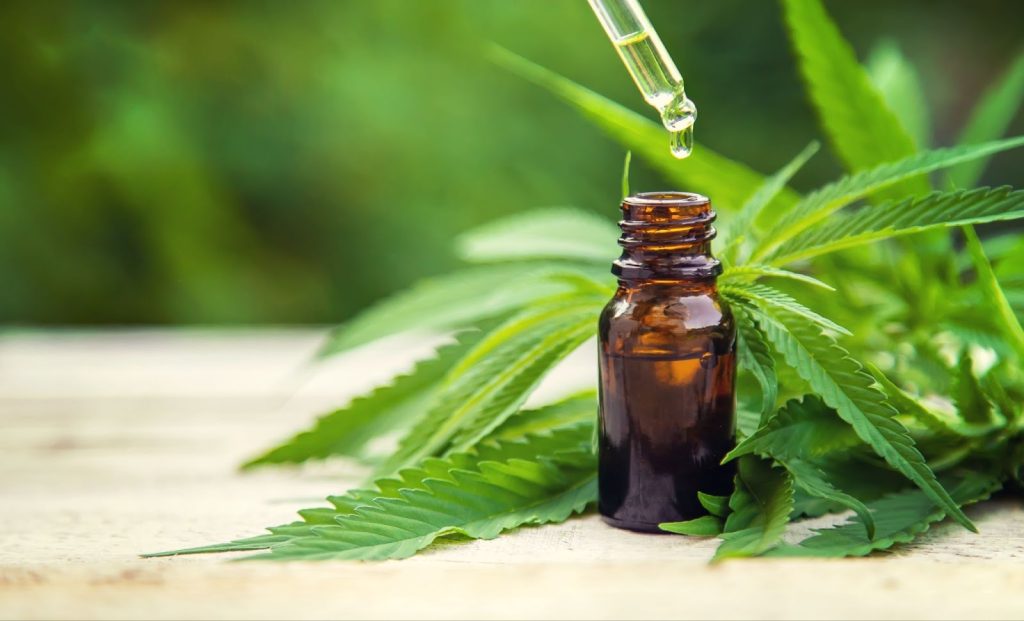
Let’s address the FAQ directly: is hemp oil non-comedogenic? We’d say a confident yes. Want to know the exact hemp seed oil comedogenic rating? It’s typically around 0. That’s as low as it gets.
Cold-pressed hemp seed oil (you might also see it called just “hemp oil”) is packed with omega-6 and omega-3 fatty acids. Research highlights its anti-inflammatory and antibacterial properties, plus its ability to boost moisture. And no clogged pores afterwards!
In one study on a skin model and human skin, patches with hemp oil increased skin moisture by up to 25%. The study was focused on atopic dermatitis: people with this skin condition often struggle with very dry skin (among other symptoms).
Where Can You Use Such Oils?
The obvious choice is face serums, but that’s not the only stage for oil.
A thoughtfully chosen non-comedogenic oil can work for facial massage, gua sha, and even body treatments, without leaving you worried about chest breakouts or bacne (yes, there is a separate term for annoying back zits!)
They can also act as carrier oils for essential oils.
Take sunflower oil, for example; it’s a popular base. There are special rules on how to use them. Carrier oils usually make up most of a formula—10%, 30%, even 100%. Essential oils are a whole different story. They’re super concentrated, so you only need a tiny bit (usually 0.5-2.5% of the formula, which is 3-15 drops per one ounce of base oil). Warning: even a small amount can have strong effects!
All in all, oil can be a great addition to your at-home spa day routine! And this guide will show you how to organize it step by step.
Do This Before Using Any Oil Topically
Even the most promising non-comedogenic oils can misbehave on the wrong skin. Hormones, medications, acne treatments—they all play a role.
That’s why, before slathering anything all over your face, always do a proper patch test.
Don’t worry, it’s easy! Apply a small amount to a discreet area of skin and wait 24 hours to monitor for any reaction. No shortcuts. If you notice redness, itching, or bumps, it’s not the right fit.
And if you’re unsure which oils are suitable for your skin, it’s wise to check with a dermatologist, especially if you’re acne-prone, pregnant, or using prescription skincare. A little caution upfront can save you weeks of irritation later.
Key Takeaways
Not all oils are pore-clogging villains. Some non-comedogenic oils can hydrate, support the skin barrier, and even calm inflammation. All without triggering breakouts.
The comedogenic scale is very helpful, but not gospel. Formulation, concentration, and your unique skin chemistry matter just as much. OnSkin, in turn, is here to pinpoint your best friends and enemies, depending on skin needs and goals.
If you’re acne-prone, you don’t have to fear oils. You just need to choose smartly. Start with options like squalane, sunflower, castor, or hemp seed oil.
And always remember: skincare isn’t about avoiding every risk. It’s about understanding your skin well enough to make informed choices.


FAQ
-
Where do I start with OnSkin?
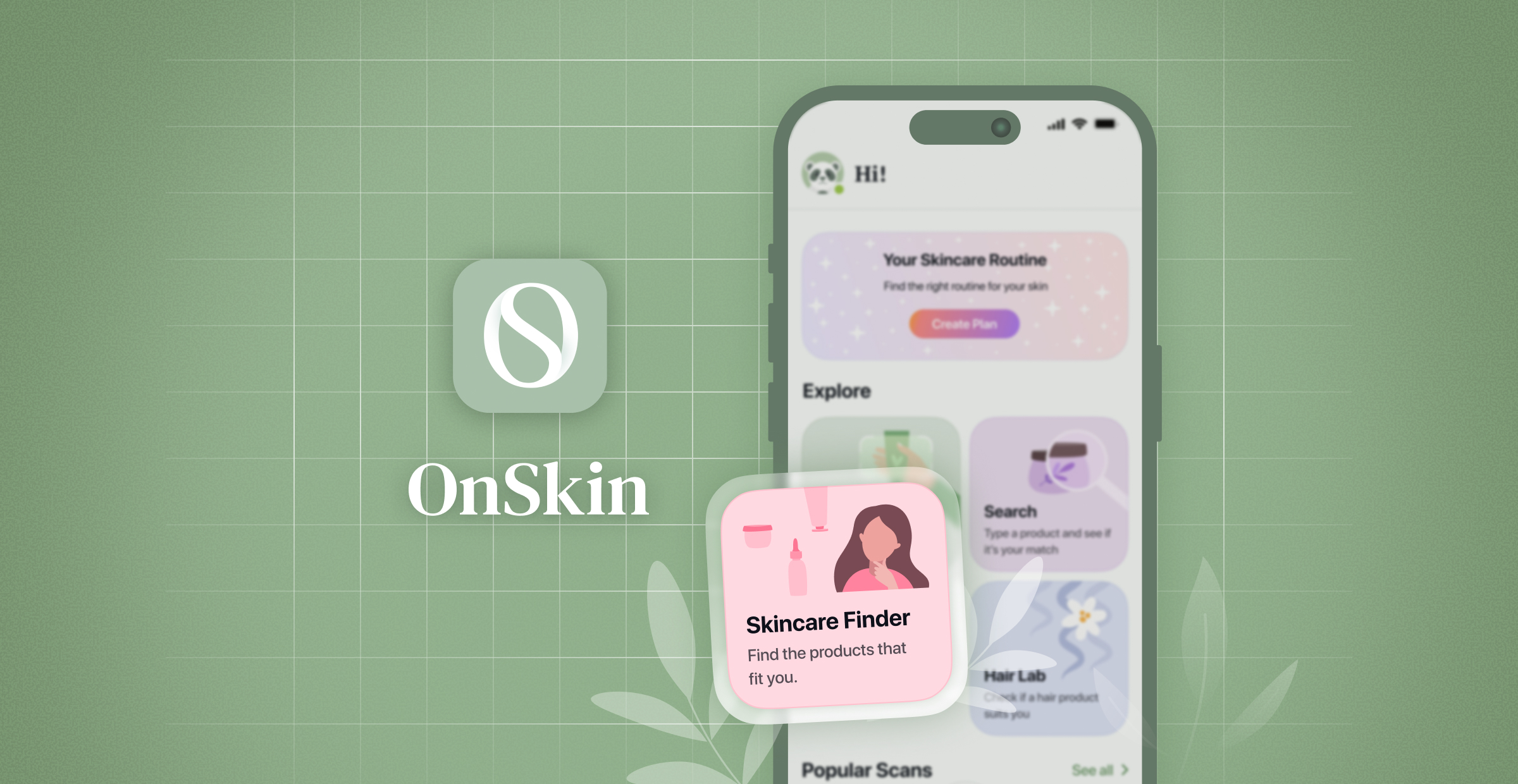
Download the app and think of a product you’d like to know more about. Then, go to the main screen and choose how you’d like to get the info —by manually looking it up in the search bar, by scanning its barcode, or by simply taking a picture of the packaging. Once you’ve done any of these, you can see how safe the product is and if it suits your skin or hair (if this analysis is available).
-
What is Safety Rating, and how is it calculated?
In OnSkin, we base product rates on ingredients. Each is closely studied by our medical team and then evaluated. This way, each product gets a score from 0 to 100, with 100 as the safest level.
Safety Levels
- Excellent (76–100)
- Good (51–75)
- Not great (26–50)
- Bad (0–25)
These scores are backed by the latest scientific studies. You can find links to the resources we’ve used on each ingredient page. To assess the safety of product ingredients, we evaluate them according to the following parameters/criteria
- Endocrine disruption risk / Reproductive toxicity
Indicates the probability of mimicking, blocking, or interfering with the body hormones.
- Сarcinogenicity
Measures the potential risk of inducing cancer.
- Allergy risk
Estimates the probability of an allergic reaction.
- High concentration alert
Determines the risk of being unsafe in certain amounts.
-
What is Skin Match?
Based on the info you input about your skin type, age, skin care goal, and other “settings,” OnSkin checks how well a product is tailored to your unique skin needs — it’s basically like a dermatologist helping you find the right products, minus the fees and the long wait. The product you’re checking might be labeled as It’s a match!, Hit-or-miss, or Not a match for you. The app also detects ingredient groups such as Anti-acne, Anti-inflammatory, Moisturizes, May be drying, Comedogenic, and others — by tapping one, you see exactly what ingredients from this or that group are in the product.
-
I seem to have a problem with using the app. Who should I contact?
Please reach out to us at [email protected], and we’ll carefully look into your issue. Your ideas for improving the app are also very welcome!
-
Do you have an Android version?
Not yet! Hey Android users, we hear you, and we're thinking about making an Android version, but we haven't started the development yet.

Tracker Sent!
It’s on the way to your inbox.