The Ultimate Guide to Glass Skin: Try This Easy Routine for That “Oh, Wow!” Glow

Your guides through the skincare chaos

Korean trends are very long-living, and glass skin? Might be the liveliest of them all! It originated around 10 years ago, and beauty enthusiasts are still fascinated with the almost reflective, oh-so-smooth, seemingly poreless complexion. “Give me that?” you say. You’re in the right place!
In this post, you’ll get a multistep routine (not a 10-step, we promise) that Korean influencers and thousands around the world follow for sporting the glass skin effect. You’ll also learn more about why it may seem unrealistic and why the trend goes beyond just aesthetics.
What Is Glass Skin Exactly?

If you had to describe glass skin, what words would come to mind? Probably “poreless,” “ideal,” “luminous,” or “dewy”… Well, something only an immortal elf could pull off.
In fact, one of the Korean beauty moguls who popularized the concept of glass skin mentioned that it’s not about achieving flawless skin or just focusing on selfie aesthetics—it’s about prioritizing skin health and hydration to achieve your best skin possible. So, glass skin shouldn’t be an intimidating ideal that feels out of reach—it’s a glow that’s totally achievable.
How to Achieve Glass Skin: Daily Routine
Moisturize, moisturize, moisturize—that must be the mantra for this look—but it goes beyond just hydration. It takes a balanced routine that you’re willing to follow, even when you’re too beat to brush your teeth. Basically, glass skin is a… habit!
Before we dive into the routine steps…
Nobody’s skin is retouched in real life, right? Zits, post-acne marks, fine lines, under-eye circles, or other concerns—you can still recreate a glass-like effect, even if you have them.
Set a clean base: Double cleansing
🔆 and 🌚
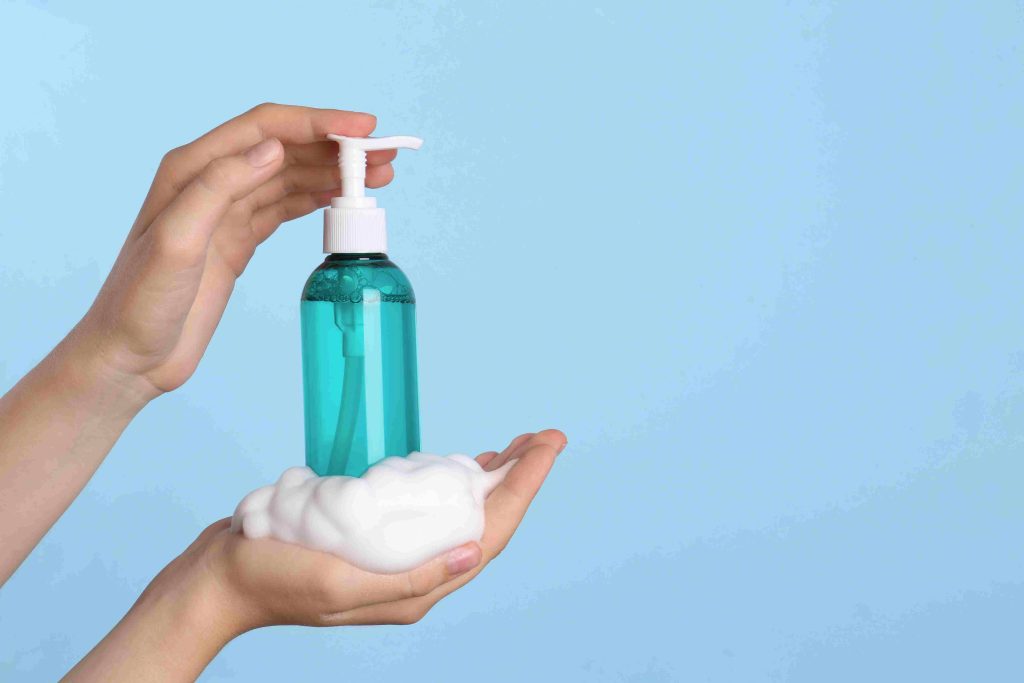
Start with a hydrophilic oil that matches your skin type and apply it to dry skin. Then, follow up with a gel or foam cleanser that suits your skin as well. Some say cleanser formulas don’t matter since they don’t stay on the skin for long. However, if they’re packed with irritating, oil-stripping ingredients or simply not right for you, even brief contact may leave your skin begging for help.
To check the formula of your current cleanser or when shopping for a new one, you can try the OnSkin app—it breaks down the ingredient list and shows if it’s a good fit for you with just a scan.
Balance things out: Hydrating toner (optional)
🔆 and 🌚
Toners are great for balancing your skin’s PH levels after cleansing. They also help all the following steps absorb better, so it’s worth a minute of your routine.
Let’s start the moisturizing party: Hydrating serum (or even a few of them!)
🔆 and/or 🌚
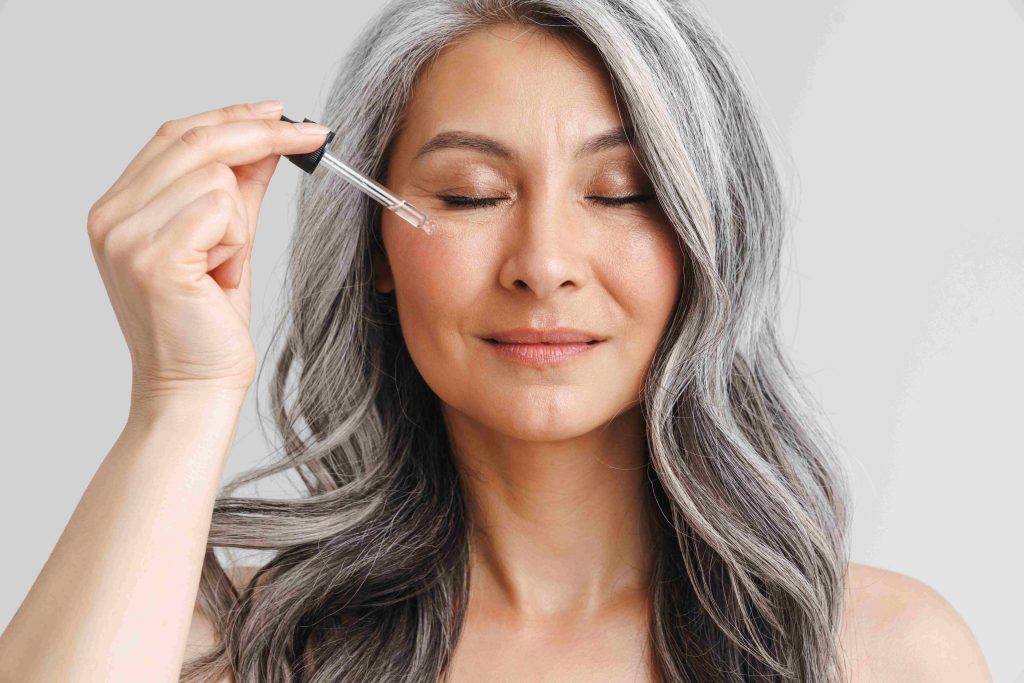
Focus on ingredients like hyaluronic acid, niacinamide, squalane, plant extracts, and vitamin C, but remember that mixing too much is very likely to backfire.
Keep on hydrating: Moisturizer
🔆 and 🌚

Now that you’ve treated your skin to all that hydration goodness, a quality moisturizer will help all the ingredients sink in. Even if you have oily skin, it’s a must—but make sure the product fits your skin type, of course.
Sun Protection: Sunscreen cream
🔆
If your moisturizer doesn’t include SPF (sun protection factor), then it’s essential to apply it, especially if the UV index is high (you can check it online for your location). A perfect sunscreen combines physical and mineral filters for maximum protection. Remember to reapply it regularly, as most sunscreens are only effective for about four hours.
What Else to Add to Your Glass Skin Menu 🧴
- Exfoliation: once a week
Exfoliation helps remove dead skin cells, encourages skin cell turnover, combat pigmentation, and helps other skincare products penetrate deeper. Sounds cool? Two things are king here:
- Not overdoing it
- Minding your skin type
For dry, sensitive skin, mechanical exfoliation (like scrubs) often leads to microtears, so chemical peels with AHAs and PHAs (gluconolactone, lactobionic acid) will be a better choice. Oily, combination, and acne-prone skin may have an extra layer of buildup on the surface, and peels with AHAs (lactic, glycolic, mandelic, citric, and malic acids) or BHAs (salicylic acid) help remove it.
- Hydration support during the day
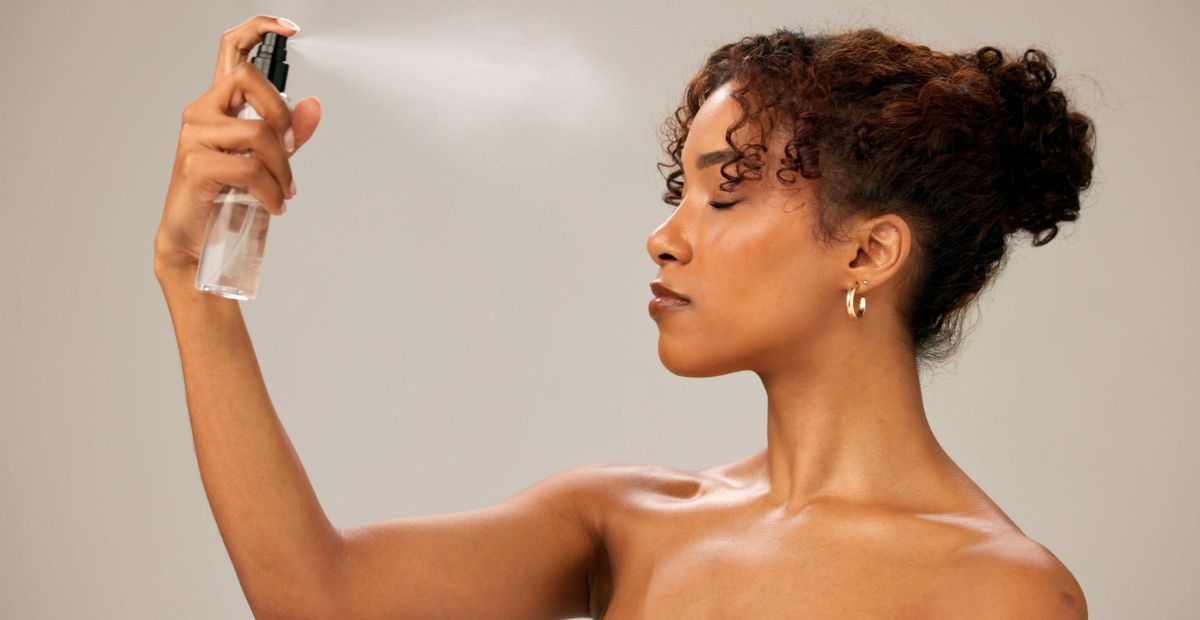
Go for a facial mist for quick rehydration on the go.
- Sheet masks: once or twice a week

First, they’re great for giving your skin an extra hydration punch. Secondly, the choice is enormous—you can find masks tailored to different skin types and concerns (but let’s be honest, sometimes the packaging is just too tempting no matter the formula). And finally, they make for a great me-time ritual!
How To Get Glass Skin with Makeup
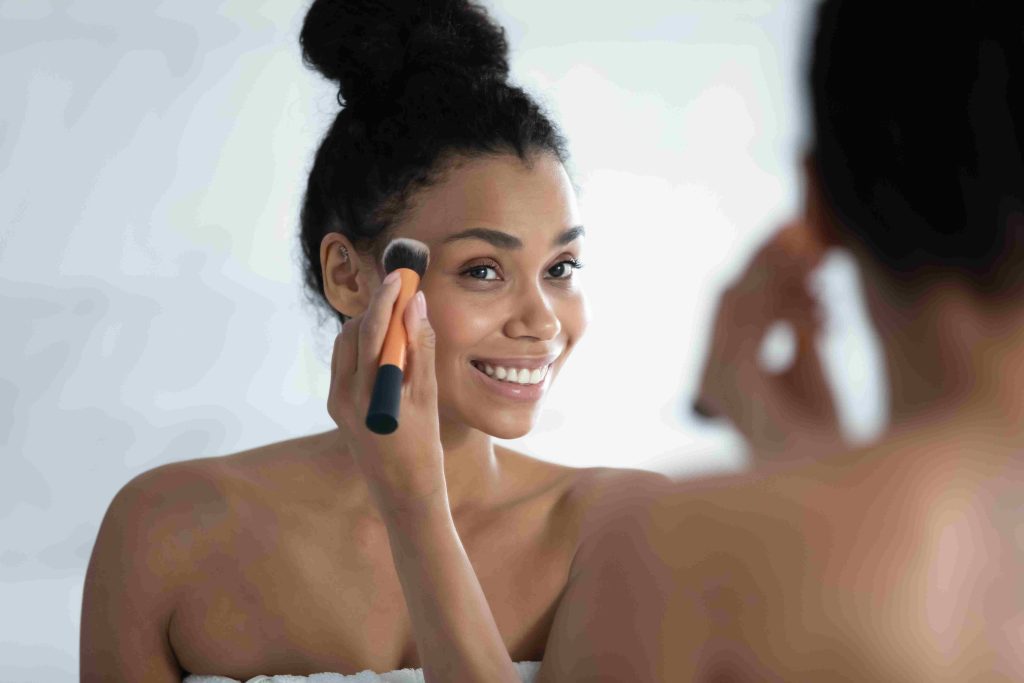
Skincare for glass skin takes time, and its benefits build up—but if you want just the surface results and need them ASAP, these tips might be helpful:
- Cleanse and moisturize before starting your makeup, and allow the moisturizer to set in.
- Use a foundation with a dewy finish.
- Apply a glowy highlighter to your cheekbones, the bridge of your nose, your cupid’s bow, or anywhere else you’d like a bit of extra radiance.
- Finish with a setting spray (some even claim to give that luminous glow right on the label!).
Quick Recap
Hands down, we agree the glass skin effect is gorgeous—and a consistent care routine can help you achieve it! Along with the topicals mentioned, make sure to drink plenty of water and avoid going overboard with pastries. After all, no matter which trend you’re following or look you’re trying to replicate, nourished, healthy skin is always in.