
The Gentle Guide to Skincare for Sensitive Skin and Products That Care

Onskin Content Team
Your guides through the skincare chaos

Sensitive skin has a way of making itself known. One minute everything feels fine, the next—redness, stinging, tightness. It’s like that friend who seems calm until the music gets too loud. So how do you live with it? Skincare for sensitive skin isn’t about fixing something “wrong.” It’s about learning how to keep things peaceful.
Let’s talk about how to make that happen.
What Is Sensitive Skin, Really?
Sensitive skin is often treated as a separate category, but technically, it’s not a skin type. Any skin type—dry, oily, combination, or normal—can be sensitive. In fact, sensitivity describes how skin reacts, not how much oil it produces.
Signs usually show up early and often (and you can hardly miss them!). Skin flushes easily. Cosmetic products burn or sting. Itchiness appears without warning. Breakouts happen even when routines seem “clean.”

Triggers vary widely and often overlap. Sudden temperature changes, prolonged UV exposure, pollution, humidity shifts, and emotional stress can all place strain on the skin. Genetics can play its role, too. Some people can have sensitive skin because of conditions like rosacea or seborrheic dermatitis, while others may feel stinging from certain skincare products.
Believe it or not, sensitivity is common. Very common. Studies suggest that around 60-70% of women and up to 60% of men report having some degree of sensitive skin.
Why the Skin Barrier Matters
Very often, though, sensitivity is linked to a weakened skin barrier. This invisible shield keeps moisture in and irritants out.
The skin barrier is made of three essential components working together. Natural moisturizing factors attract and bind water. Skin lipids (especially ceramides and fatty acids) seal moisture inside. Skin cells form a physical wall against external aggressors.
Damage to this system can lead to increased water loss, dryness, itchiness, and visible irritation. That’s why protecting and repairing the barrier isn’t optional for sensitive skin—it’s essential.
Building a Routine for Sensitive Skin
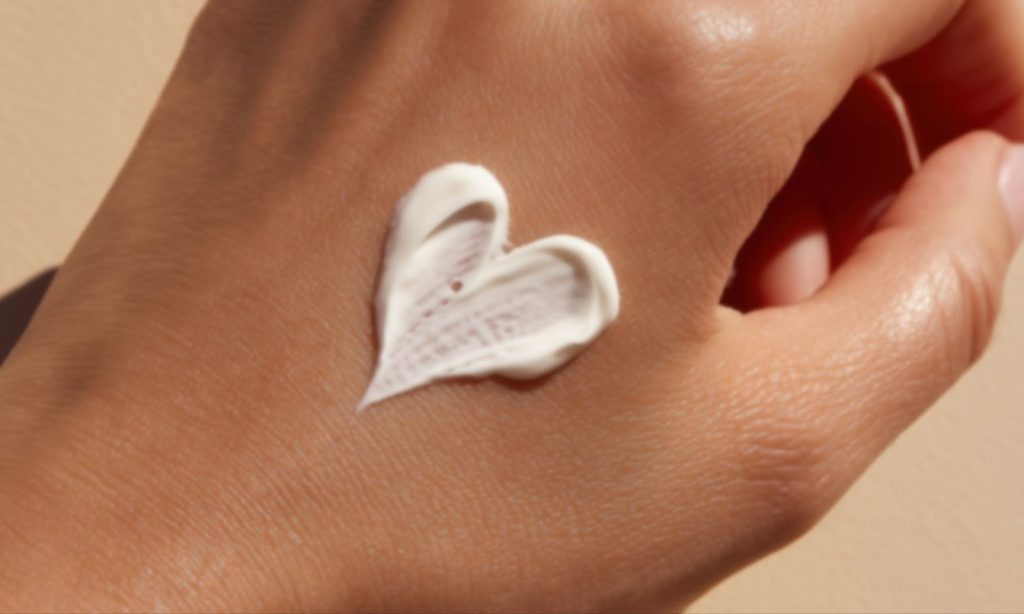
When skin is sensitive, every product choice matters. And skincare for sensitive skin works best when it’s simple. That means fewer products, fewer steps, and formulas that work quietly in the background. Instead, overloading the routine often backfires.
In general, the best skincare for sensitive skin comes down to three things:
- cleansing gently,
- supporting the skin with the right products,
- and protecting it throughout the day.
1. Cleanse Without Stripping
Cleansing sets the mood for the rest of the routine. Foaming or strongly scented cleansers can wash away natural oils, leaving your skin tight and reactive. Try cream or balm cleansers instead. They are usually a better choice, especially for dry or easily irritated skin.
Water temperature plays a surprisingly important role. Even though hot water might feel soothing (especially after a long day), it’s not doing your skin any favors. In fact, it can weaken the skin barrier by stripping protective lipids. Simply stick to lukewarm water instead: it cleanses just as well while keeping skin calm.
Exfoliation? Optional. And only when your skin feels strong. Over-exfoliating is one of the fastest ways to irritate sensitive skin.
2. Choose Gentle Actives
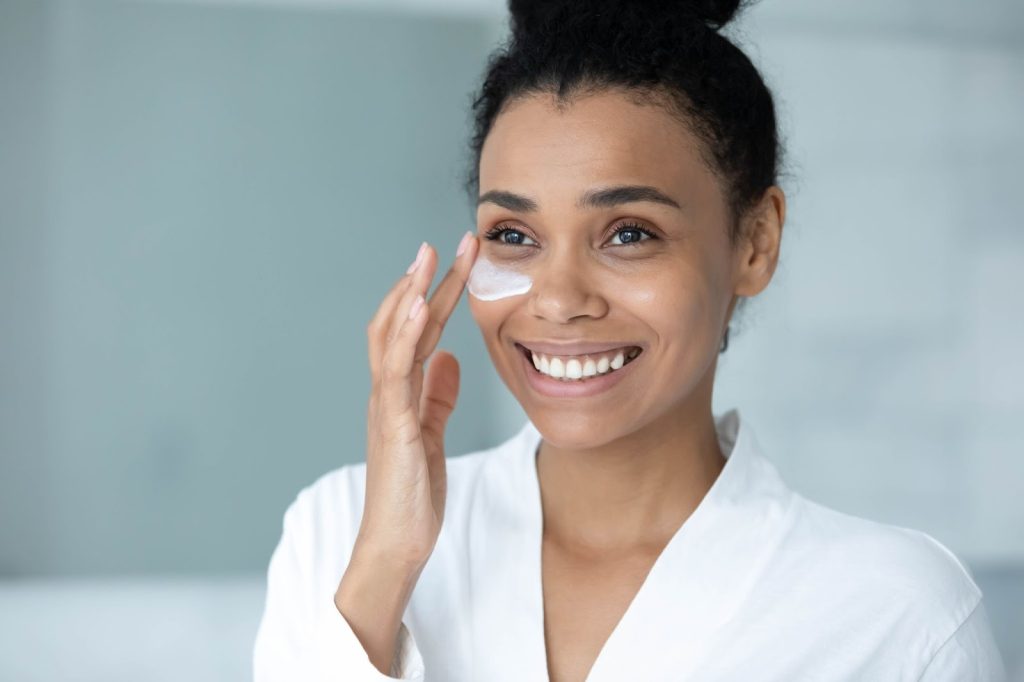
Not every routine needs layers of serums. For sensitive skin, simple and consistent usually works best. However, treating sensitive skin doesn’t mean skipping actives entirely. It means choosing wisely. That’s where a few skincare superheroes come in:
1. Niacinamide is a standout ingredient in skincare for sensitive skin that’s mildly acne-prone. It’s calming, antioxidant-rich, and helps improve uneven tone and texture. Keep concentrations under 7% if you don’t want to make your skin angry (and consult with your dermatologist if you have any hesitations).
2. Hyaluronic acid is another hero. One molecule can hold up to a thousand times its weight in water, making it deeply hydrating without heaviness. Because it naturally exists in skin, it’s usually well tolerated. Even if you have the most sensitive complexion.
3. Squalane deserves its own applause. Lightweight, non-irritating, and barrier-friendly, it works beautifully in face products for sensitive skin. It restores softness without clogging pores or triggering flare-ups.
4. Ceramides complete the lineup. These natural lipids make up a large part of the outer skin layer and act like the “glue” that holds skin cells together. When ceramide levels drop (due to harsh weather, sun exposure, strong products, or age), the skin can feel dry, tight, or easily irritated. Ceramides, in turn, help repair that damage, reduce water loss, and calm overstressed skin.
In general, skincare products for sensitive skin should focus on hydration and barrier support rather than strong correction.
3. Moisturize and Protect
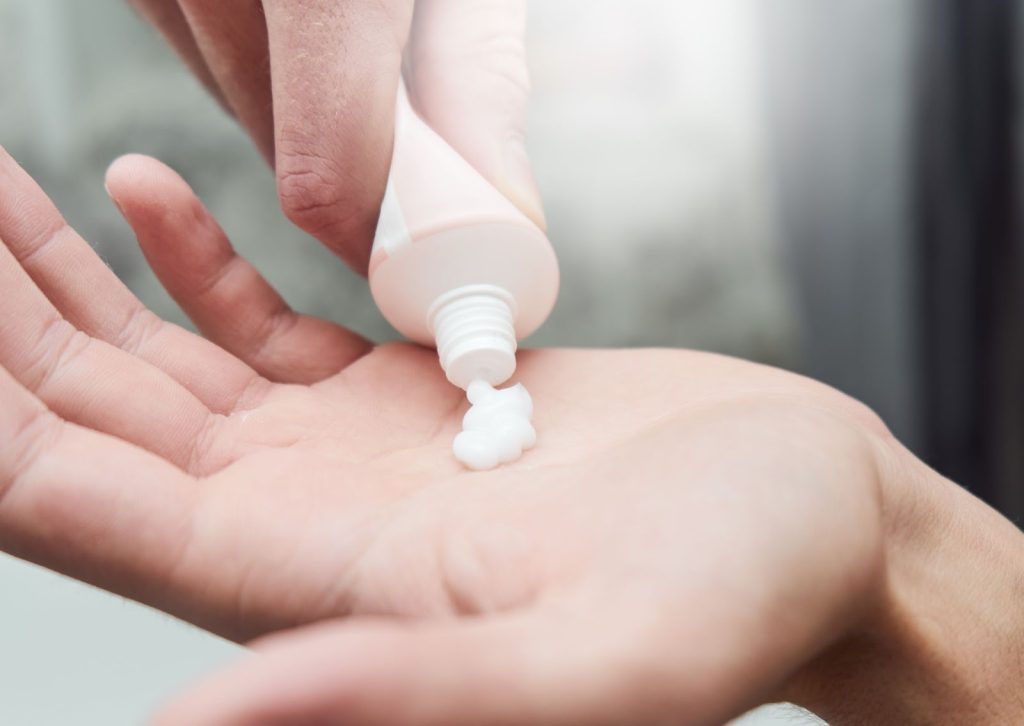
Moisturizing is the core of any routine, and isn’t optional for sensitive skin, too. What does a good sensitive skin cream look like? Well, it should nourish, strengthen the barrier, reduce water loss, and keep irritation at bay. That’s why it’s usually advised to look for formulas with glycerin, hyaluronic acid, ceramides, and gentle occlusives. These ingredients work together to support skin comfort and overall health.
Tools like OnSkin make it easy to check ingredients, weigh the pros and cons, and see if a product is right for your skin before you even try it.
And then there’s SPF. Daily. No exceptions. UV exposure can trigger redness and irritation, so protection is key. Many people with sensitive skin prefer mineral sunscreens containing zinc oxide or titanium dioxide, as they’re often better tolerated. Still, we have a guide that helps find out which sunscreen filters will keep your skin both glowing and protected.
4 Mistakes That Keep Skin Stuck
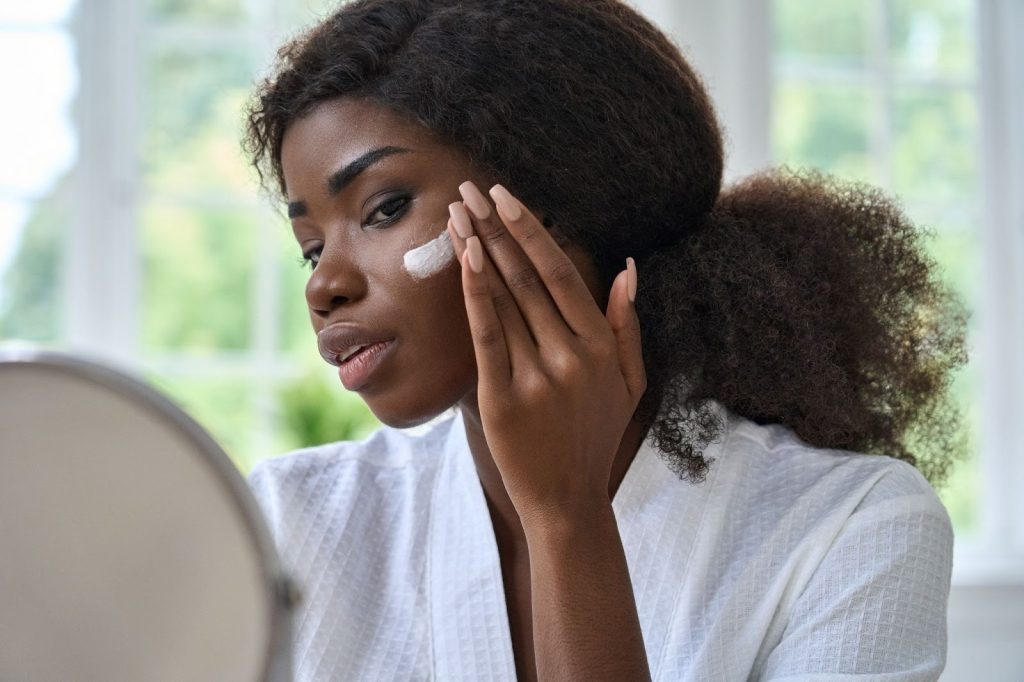
Even with the best intentions, skincare for sensitive skin can be sabotaged by a few common habits. Know these “enemies” in person:
1. Over-exfoliating is a big one. Removing dead skin cells too often damages the very barrier you’re trying to protect. If your skin feels tight, itchy, or inflamed, pause exfoliation and focus on repair.
2. Harsh actives can also be problematic. Retinol and vitamin C have their place, but not when your skin barrier is compromised. Introduce them slowly (or not at all) depending on how your skin responds. And consult with a skincare professional first.
3. Fragrance is another sneaky irritant. Even natural scents can cause reactions over time. Fragrance-free skincare products for sensitive skin are usually the safer bet.
4. And again, skipping sunscreen. UV damage doesn’t just age skin: it worsens sensitivity and increases water loss.
Living Well With Sensitive Skin
Sensitive skin can be unpredictable, but it isn’t impossible to manage. It simply requires attention, patience, and the right support. Skincare for sensitive skin works best when it prioritizes barrier health, hydration, and calm over trends and intensity. And once it feels good, everything else falls into place.


FAQ
-
Where do I start with OnSkin?
Download the app and think of a product you’d like to know more about. Then, go to the main screen and choose how you’d like to get the info —by manually looking it up in the search bar, by scanning its barcode, or by simply taking a picture of the packaging. Once you’ve done any of these, you can see how safe the product is and if it suits your skin or hair (if this analysis is available).
-
What is Safety Rating, and how is it calculated?
In OnSkin, we base product rates on ingredients. Each is closely studied by our medical team and then evaluated. This way, each product gets a score from 0 to 100, with 100 as the safest level.
Safety Levels
- Excellent (76–100)
- Good (51–75)
- Not great (26–50)
- Bad (0–25)
These scores are backed by the latest scientific studies. You can find links to the resources we’ve used on each ingredient page. To assess the safety of product ingredients, we evaluate them according to the following parameters/criteria
- Endocrine disruption risk / Reproductive toxicity
Indicates the probability of mimicking, blocking, or interfering with the body hormones.
- Сarcinogenicity
Measures the potential risk of inducing cancer.
- Allergy risk
Estimates the probability of an allergic reaction.
- High concentration alert
Determines the risk of being unsafe in certain amounts.
-
What is Skin Match?
Based on the info you input about your skin type, age, skin care goal, and other “settings,” OnSkin checks how well a product is tailored to your unique skin needs — it’s basically like a dermatologist helping you find the right products, minus the fees and the long wait. The product you’re checking might be labeled as It’s a match!, Hit-or-miss, or Not a match for you. The app also detects ingredient groups such as Anti-acne, Anti-inflammatory, Moisturizes, May be drying, Comedogenic, and others — by tapping one, you see exactly what ingredients from this or that group are in the product.
-
I seem to have a problem with using the app. Who should I contact?
Please reach out to us at [email protected], and we’ll carefully look into your issue. Your ideas for improving the app are also very welcome!
-
Do you have an Android version?
Not yet! Hey Android users, we hear you, and we're thinking about making an Android version, but we haven't started the development yet.

Tracker Sent!
It’s on the way to your inbox.