How and When to Use Toner: Everything You Need to Know

Your guides through the skincare chaos

Toner can feel like a mystery step. A clear liquid that promises to “prep your skin,” but for what exactly? And when to use toner so it actually works? Morning? Night? Every day? Good news: the answer is simpler than it seems.
Toner sits between cleansing and everything else. It can refresh the skin, add a touch of hydration, and help your serums and moisturizers work more smoothly. But let’s break it down step by step.
What Is a Toner?
A toner is a lightweight, water-based product designed to refresh skin after cleansing. Treat it as the bridge between cleansing and everything that follows. Want to remove leftover impurities? Balance the skin? Prep it to absorb serums and moisturizer? Toner is here to assist you.
Old-school toners were often harsh, stripping the skin and leaving it tight. Modern versions prioritize hydration, gentle exfoliation, and skin barrier support. Not too heavy. Not too fancy. Just a gentle, supportive step that makes the rest of your routine work better.
What Does Toner Do to Your Face?
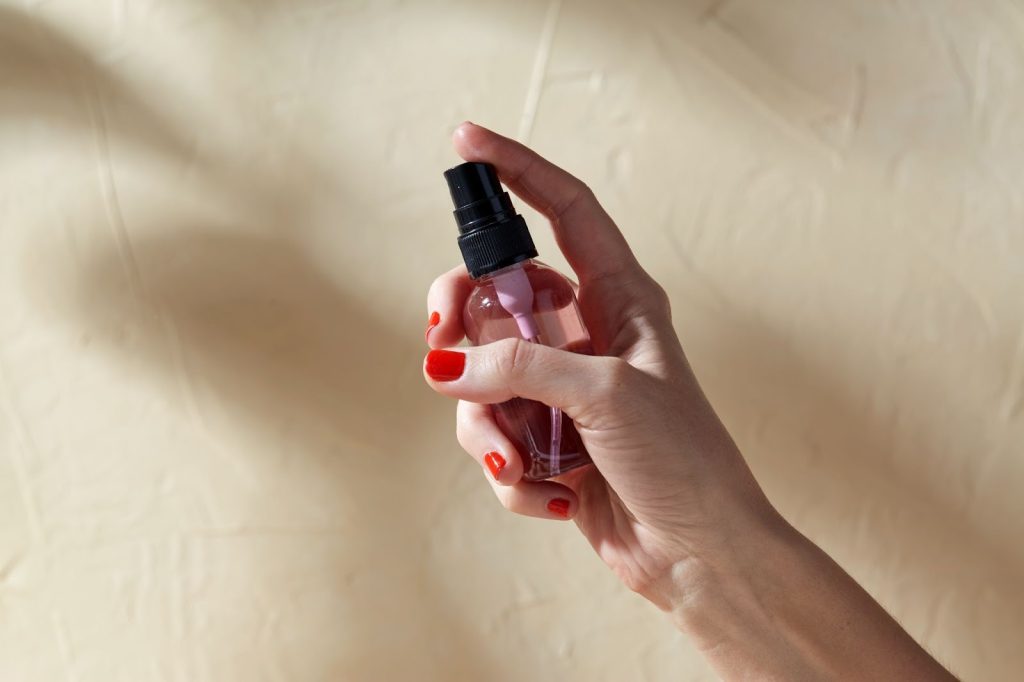
Before we dive into how and when to use toner, let’s take a closer look at what it actually does. Well, it has a big reputation for doing small things that add up. When you apply it, it can remove lingering oil, sunscreen, and makeup that your cleanser missed. (Let’s be honest, cleansers don’t always catch everything!)
But toners do a lot more than tidy up. Depending on the type, they can exfoliate, hydrate, and even calm irritation. Certain toners brighten. Others shrink the look of pores. Some plump your skin after cleansing, leaving it feeling tight.
There are two main categories—acid-based toners and hydrating toners. Let’s break them down.
Acid-Based Toners

These are the exfoliating toners. They use AHAs like glycolic, lactic, or mandelic acid—or BHAs like salicylic acid—to gently remove dead skin cells. As a result, your skin gets a smoother texture, brighter tone, and pores that look less congested. Our guide to skin acids will help you spot the superhero your skin’s been waiting for.
Thus, acid-based toners are perfect if you deal with:
- Dullness
- Clogged pores
- Uneven texture
- Acne or oil buildup
Acid toners are powerful, which means they should be used thoughtfully (more on that later).
Hydrating Toners
If acid toners are the polishers, hydrating toners are the comfort blankets. They can be packed with humectants like hyaluronic acid, which draw water into the skin, squalane, which locks in moisture, and niacinamide, which helps the skin retain hydration by strengthening its protective barrier.
Use a hydrating toner if your skin:
- Feels tight or dry after cleansing
- Is sensitive
- Looks flaky or dull
- Needs extra plumpness
How to Choose Your Hero

Your toner should fit your skin type, your skin goals, and any ingredients your skin loves—or hates.
Skin feeling dry or tight? Pick a hydrating toner. Look for soothing, moisture-locking ingredients. Avoid alcohol-heavy formulas, menthol, witch hazel, artificial fragrance, or essential oils.
Battling breakouts or excessive oil? Look for exfoliating toners with salicylic acid or glycolic acid. These help reduce excess oil, clear pores, and improve texture.
Combo skin? You can alternate between hydrating and exfoliating. Many people use a hydrating toner daily and an acid toner 2–3 times a week.
Normal skin? You’re the golden child—pretty much any well-formulated toner works for you. Choose based on your goals: brightness, hydration, clarity, and glow.
Not sure if a toner is a 100% fit for you? Use OnSkin to scan the product or its barcode before buying, and the app will give all the details on its ingredients, safety, and whether it suits your skin type and its conditions.
And if you’ve been wondering when to use toner in skincare routine, the answer is coming right up.
When to Use Toner—Day, Night, or Both?

Here’s the golden rule: it always goes after cleansing. That’s the non-negotiable part. But when to use toner—as in what time of day—depends on your product type and your skin’s needs.
Morning. A hydrating toner is perfect in the morning to refresh your skin and prep it for serums and sunscreen.
Night. You can use hydrating toner again—or introduce your exfoliating toner here. Acids pair best with nighttime routines, since your skin repairs itself as you sleep.
Both. Should you use toner twice a day? The general answer is yes: hydrating toners are usually fine twice a day. But exfoliating toners? Not so fast.
How to Apply Toner Correctly
This is where people get confused—but it’s actually super easy. Here’s your toner-focused routine, step by step.
Step 1: Cleanse. Start with a gentle cleanser. Remove makeup, sunscreen, pollutants—everything. Your toner will work better on clean skin.
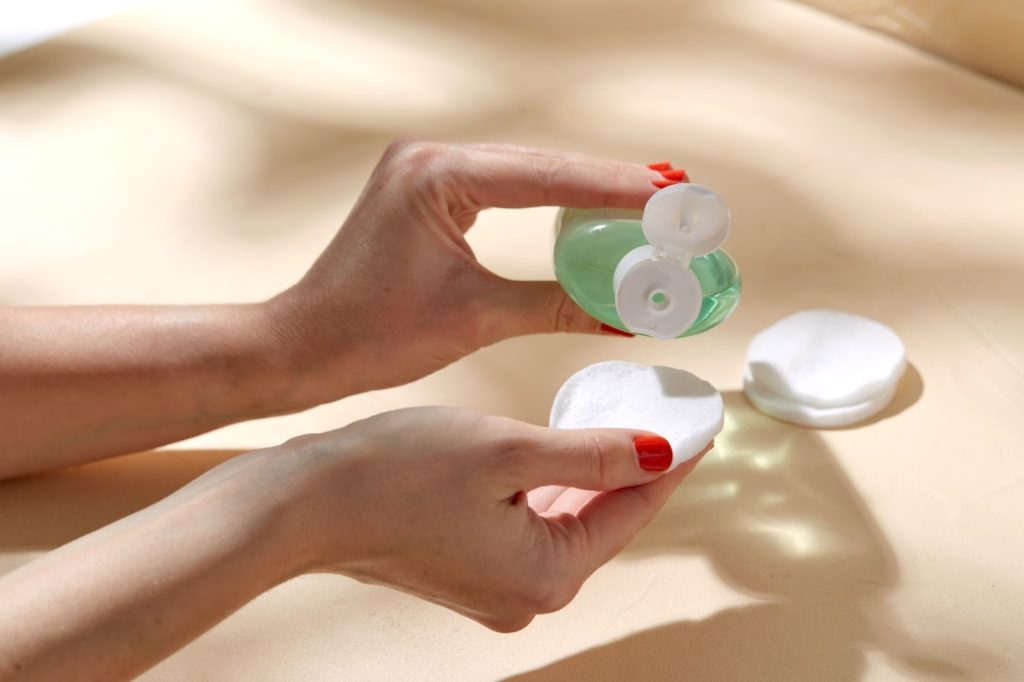
Step 2: Apply Toner. This is your moment. Pour a few drops (3-5 is enough) into your palms or onto a cotton pad. If you use your hands, pat like you’re giving your cheeks tiny affirmations. If you’re a cotton pad person, swipe gently—don’t scrub like you’re cleaning a countertop. Let your product sit for a few seconds to fully absorb. And never rinse it off.
Step 3: Serum. While your skin is still slightly damp, apply your serum. A little goes a long way—2 to 3 drops. Pat, don’t rub. We have a guide on everything you need to know to apply serum like a pro.
Step 4: Moisturizer. After the serum absorbs, lock everything in with moisturizer. And don’t forget your neck and chest.
Step 5: Sunscreen (morning only). Any active ingredients, especially acids, make your skin more sensitive to the sun. SPF 30+ is a must, but you might want to see which number works best for you—see our SPF guide.
The Final Pat
Toner isn’t essential, but it can elevate your routine. It prepares skin for the next steps of your routine, restores balance after cleansing, and adds an extra layer of nourishment. Introduce it slowly, listen to your skin, and give new products 6–12 weeks to show results.
Knowing when to use toner and how to pick the right formula makes the difference. And toner becomes more than a bottle on the counter, but a small moment of care that sets the tone for your whole skincare ritual.