Glycolic Acid vs. Salicylic Acid: Which One Is Better?

Your guides through the skincare chaos
The glycolic acid vs. salicylic acid debate is a common thing among skincare enthusiasts. While each side has its own arguments, both ingredients can take your exfoliation up a notch. Meanwhile, glycolic and salicylic acids have a bunch of other unique benefits, as well as some precautions, that are sometimes overlooked.
Let’s settle this debate once and for all and give both ingredients the credit they deserve.
What Is Glycolic Acid?
Glycolic acid is a type of alpha-hydroxy acid (AHA)—a group of acids that dissolve in water. Together with lactic acid, it’s one of the most widely used types in this category. What makes glycolic acid especially unique is that it has the smallest molecular size, which means it can go deeper into the skin than other AHAs.
You can find glycolic acid in a wide range of products: anti-aging creams, exfoliating peels, everyday serums, and more. This popularity isn’t just about marketing—glycolic acid truly deserves the praise it receives, though there are some precautions to keep in mind. Let’s take it step by step and explore its benefits first.
Pro Tip: To be 100% sure about the safety of all ingredients and how well they match your skin type and concerns, use the OnSkin app. With it, you can get all the essential info about any skincare product, without even reading its formula.
Why Use Glycolic Acid
It’s a good exfoliant.
The ability to penetrate deeper into the skin makes glycolic acid a viable option for exfoliation. It gently removes the outermost layer of skin by loosening the bonds between dead skin cells and bolstering fresh cell turnover.
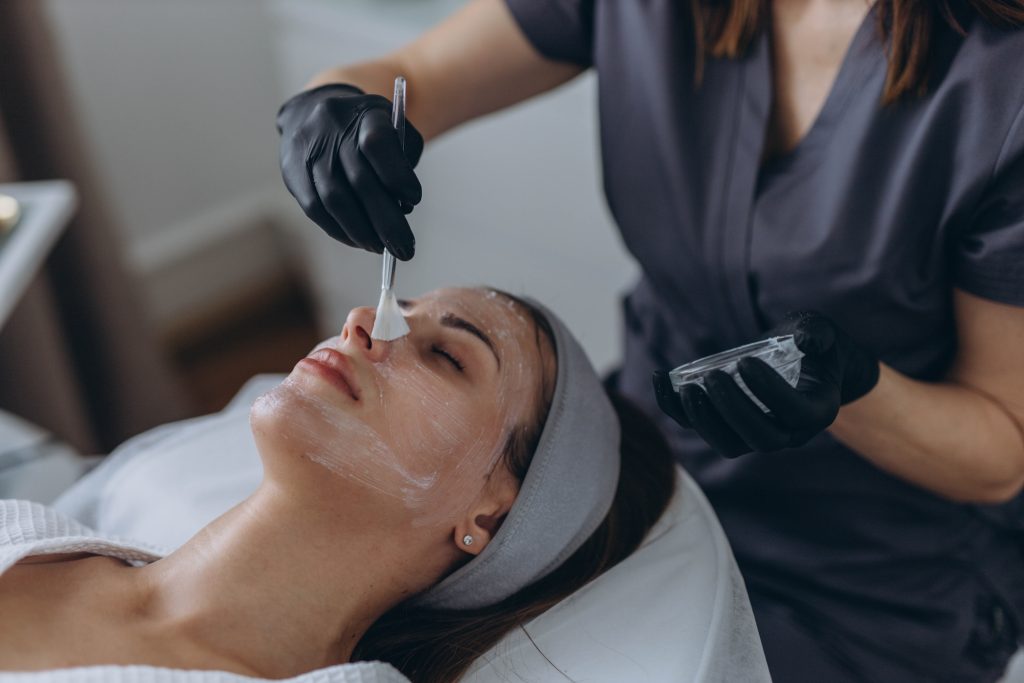
The effectiveness of the routine depends on the concentration of the ingredient. In one study, scientists tested gels and creams containing 8%, 10%, 15%, and 25% glycolic acid, all adjusted to a gentle pH of 4 to be suitable for daily home use. All concentrations helped shed dead skin cells and stimulated collagen production, a protein in charge of skin firmness and elasticity. In general, higher concentrations produced stronger effects. However, with one important exception.
When testing the highest concentration, researchers noticed that the outer layer, instead of becoming thinner, was actually thicker. They called it a “rebound effect”: when exposed to intense exfoliation, skin built up extra layers to protect itself.
In short, it means that very high concentrations can be too aggressive, even with a gentle level of pH. But a more moderate level can be quite effective for daily use.
It may improve signs of photoaging.
Another science-backed benefit of GA is its ability to improve wrinkles and even out skin tone caused by sun exposure.
As part of another experiment, 74 women aged 40–70 with moderate sun damage applied two creams twice a day for 22 weeks: one containing 8% glycolic acid and one without AHAs. The results speak for themselves. On the face, 76% of glycolic acid users saw visible improvements, compared to only 40% of the control group. On the forearms, glycolic acid also improved overall photodamage and skin dullness better than the control cream.
It may help treat acne.
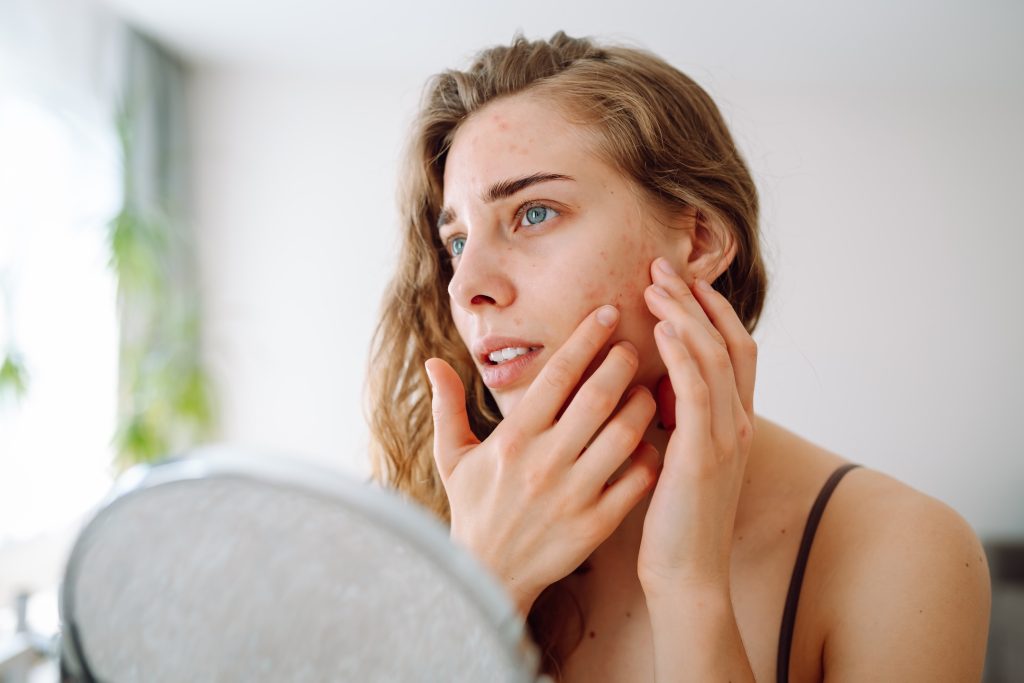
Both lower and higher concentrations of glycolic acid may help treat acne, though in different ways. To better understand how different strengths treat the condition, researchers divided participants into two groups: one group used a 5% GA complex (containing skin barrier-repairing ingredients) daily at home, the other group received four biweekly in-clinic treatments with a 20% concentration.
Both treatments improved acne and reduced the number and severity of lesions. However, there were some important differences. The 5% complex was more effective at reducing inflammatory lesions and improving skin hydration, making it a better option for people with inflammatory acne or sensitive skin. In contrast, 20% GA was more effective at shrinking large pores, which may make it more suitable for patients with enlarged pores and skin texture issues.
When to Be Careful with Glycolic Acid
If the concentration is above 10%. The CIR Expert Panel says that glycolic acid is safe in skincare products when used at up to 10% and at a pH of 3.5 or higher, as long as the product doesn’t make your skin more sensitive to the sun. For salon treatments, the acid is considered safe at concentrations up to 30% and a pH of 3.0 or higher, but only when it’s:
- applied briefly by trained professionals
- thoroughly rinsed off afterwards
- used with daily sun protection
If you’re exposed to the sun. Glycolic acid, like any other AHAs, can make your skin more sensitive to UV rays. And since it happens every day, even when it’s cloudy, it’s important to always apply a broad-spectrum SPF when using these products.
One experiment even compared the effects of 10% glycolic acid and 2% salicylic acid on sun sensitivity. As a result, the areas treated with glycolic acid showed more redness, more DNA damage, and more sunburn cells. Salicylic acid, on the contrary, “didn’t produce significant changes.”
If you have sensitive or dry skin. A more gentle lactic acid might be a better option.
If you notice any side effects. Stop using the product if you observe burning, rash, swelling, itching, irritation, or any other adverse reactions.
What Is Salicylic Acid?
Salicylic acid belongs to the group of beta-hydroxy acids (BHAs). Unlike glycolic acid, salicylic acid is oil-soluble. In simple words, it can penetrate into pores and dissolve excess oil and dead skin cells inside them.
Chemically speaking, the U.S. Food and Drug Administration says salicylic acid isn’t a true BHA. However, hundreds of skincare manufacturers refer to it exactly like that, so we’ll leave that debate for another time. 🙂
Salicylic Acid Benefits
It may help with acne.
And several studies prove this fact. In one of them, scientists tested salicylic acid gel on 42 people with mild-to-moderate acne. They used the gel twice a day for three weeks. The first improvements were already seen starting the second day of the research, and acne severity eventually decreased by nearly 24% at the end of the experiment.
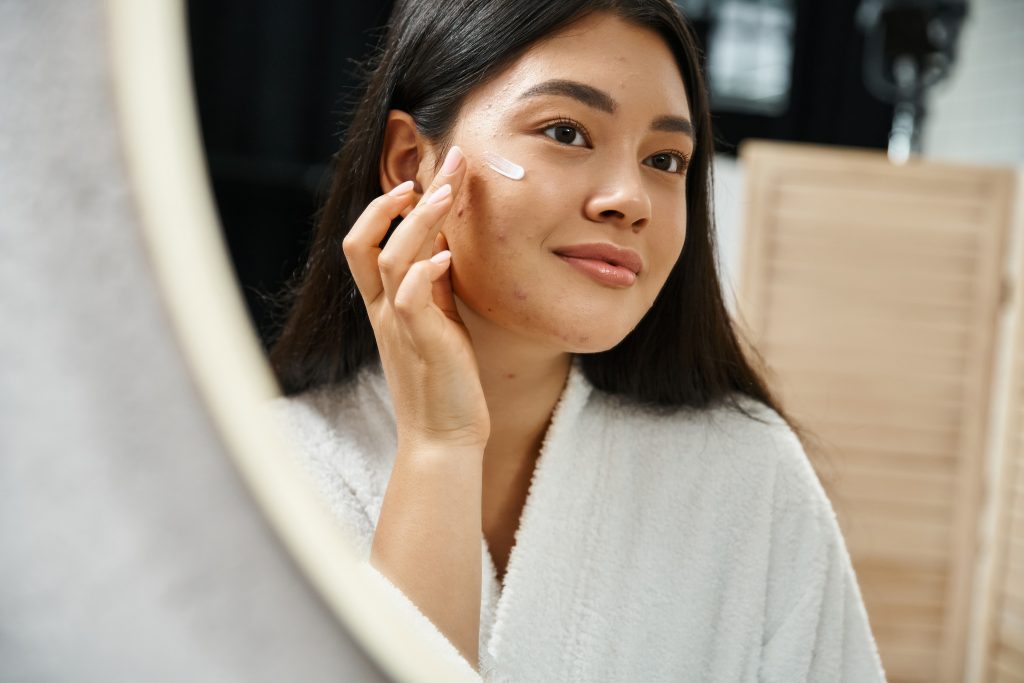
In a different study, three salicylic-based products were used to treat patients with blackheads and small, inflamed pimples for eight weeks. By the end of the experiment, patients’ skin looked clearer—they observed a noticeable reduction in acne lesions.
It’s a good exfoliant too.
Salicylic acid also helps remove dead skin cells from the surface of the skin, which supports skin renewal. When healthier skin cells replace older ones, your skin will look smoother and fresher. And over time, this process may also help soften fine lines and shallow scars.
It can control oily skin.
Due to the fact that SA is oil-soluble, it allows it to penetrate effectively into oily pores and break down sebum and dead skin cells inside them—in other words, unclog pores. With regular use, it can reduce excess sebum and help regulate oil production over time.
It can help rejuvenate aging skin.
As one study shows, salicylic acid can also improve the signs of photoaging. Supramolecular SA, which was applied to patients’ skin for four months, increased collagen density and skin elasticity, thickened the dermis, and reduced melanin and water loss.
It can treat warts
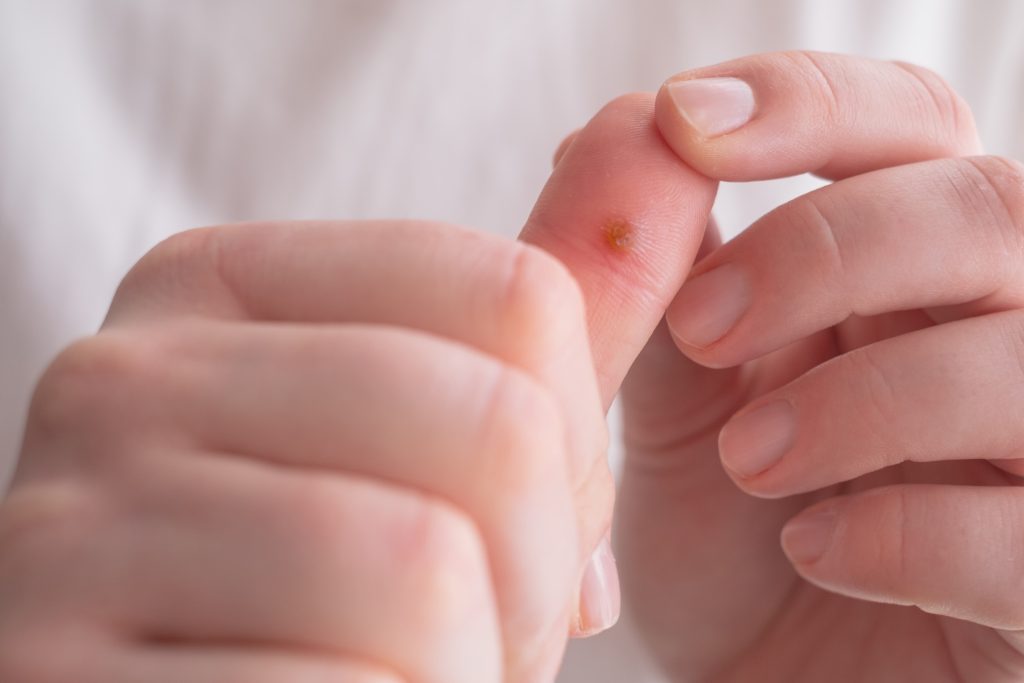
Salicylic acid is one of the most common and effective at-home treatments for warts. It works by slowly peeling away the layers of thickened, infected skin that make up the wart. Over time, the wart gradually softens, shrinks, and eventually disappears.
Does the Concentration of Salicylic Acid Matter?
Yes, it really does. Too low, and it might not be effective at all; too high, and it could potentially be harmful. Generally, concentrations go from up to 0.5% in body lotions to around 30% for chemical peels performed by professional dermatologists.
You can find a full breakdown of concentrations for different products in our complete guide to salicylic acid.
Salicylic Acid Side Effects
Despite its impressive benefits, salicylic acid can sometimes cause side effects. These may include:
- contact dermatitis
- swelling
- erythema
- allergic reactions
- itching, and more
Salicylic acid is generally considered safe, but it’s always a good idea to do a patch test before you apply a new product.
Glycolic Acid vs. Salicylic Acid: Key Takeaways
As you see, the glycolic acid vs. salicylic acid debate isn’t about which one is better; it’s more about which of them will suit you personally.
Glycolic acid is an alpha-hydroxy acid. It’s water-soluble and works mainly on the skin’s surface, gently exfoliating dead skin cells to improve texture, brightness, and fine lines. It’s ideal for dry, sun-damaged, or aging skin because it helps smooth and rejuvenate the epidermis. However, GA can also make skin more sensitive to the sun and may cause redness or irritation, especially at higher concentrations. That’s why it’s essential to use daily sunscreen with SPF 30 minimum.
Salicylic acid, on the other hand, is a beta-hydroxy acid. It’s oil-soluble, which allows it to penetrate deep into pores, dissolving excess sebum and preventing blackheads and breakouts. It’s best suited for oily or acne-prone skin, as it helps control oil and keeps pores clear. As far as side effects are concerned, SA is usually well-tolerated but can still cause dryness, peeling, or mild irritation. If you experience any of these, it’s best to stop using the product and consult a professional dermatologist.


-
1.
Effect of 5% glycolic acid complex and 20% glycolic acid on mild-to-moderate facial acne vulgaris. (2022) https://pmc.ncbi.nlm.nih.gov/articles/PMC9943832/
-
2.
Guidance for industry: labeling for cosmetics containing alpha hydroxy acids. (2005) https://www.fda.gov/regulatory-information/search-fda-guidance-documents/guidance-industry-labeling-cosmetics-containing-alpha-hydroxy-acids
-
3.
The effects of topically applied glycolic acid and salicylic acid on ultraviolet radiation-induced erythema, DNA damage and sunburn cell formation in human skin. (2010) https://pmc.ncbi.nlm.nih.gov/articles/PMC2791365/
-
4.
Dual effects of alpha-hydroxy acids on the skin. (2018) https://www.mdpi.com/1420-3049/23/4/863
-
5.
Beta hydroxy acids. (2022) https://www.fda.gov/cosmetics/cosmetic-ingredients/beta-hydroxy-acids
-
6.
Clinical efficacy of a salicylic acid–containing gel on acne management and skin barrier function: a 21‐day prospective study. (2025) https://pmc.ncbi.nlm.nih.gov/articles/PMC12274963/
-
7.
Effectiveness of a combination of salicylic acid-based products for the treatment of mild comedonal-papular acne: a multicenter prospective observational study. (2020) https://pubmed.ncbi.nlm.nih.gov/33070577/
-
8.
Salicylic acid and its use in cosmetology. (2023) https://www.researchgate.net/publication/371794163_Salicylic_acid_and_its_use_in_cosmetology
-
9.
Supramolecular salicylic acid alleviates skin photoaging by increasing collagen density and elasticity. (2025) https://pubmed.ncbi.nlm.nih.gov/38926250/
-
10.
Warts: dermatologists’ tips for at-home treatment. https://www.aad.org/public/diseases/a-z/warts-self-care
-
11.
An antiaging skin care system containing alpha hydroxy acids and vitamins improves the biomechanical parameters of facial skin. (2014) https://pmc.ncbi.nlm.nih.gov/articles/PMC4277239/
-
12.
Topical 8% glycolic acid and 8% L-lactic acid creams for the treatment of photodamaged skin. A double-blind vehicle-controlled clinical trial. (1996) https://pubmed.ncbi.nlm.nih.gov/8651713/