Ferulic Acid: Antioxidant That Brightens and Boosts Your Skin

Your guides through the skincare chaos
Think of ferulic acid as your skin’s bodyguard. With strong antioxidant powers, it can fight off unwelcome aging, dark spots, and sun damage. This underrated hero might be the secret weapon your skincare routine’s been missing, and we’re here to tell you everything you need to know about it.
What Is Ferulic Acid?
Ferulic acid is a natural substance found in lots of plants like rice, wheat, oats, pineapple, coffee, peanuts, and even spinach. Plants use it to stay strong and healthy. Like glue, it helps hold their cells together and acts as a shield to protect them from damage or infections.
Ferulic acid is usually locked inside plant cell walls, attached to sugars and other components. Scientists extract it by breaking these bonds through a process called hydrolysis, making ferulic acid available for use in skincare. Why do they do that? First of all, because ferulic acid is a good antioxidant.
What Are Antioxidants?
Our skin naturally creates molecules called free radicals through sun exposure, pollution, and simply living. These unstable molecules are missing an electron, so they take one from others and cause damage. To prevent it, our body has its own defense system that helps keep things in balance and protect the skin. But if this balance is disturbed, let’s say, by too much sun, stress, or pollution, it can eventually lead to skin issues like irritation or aging.
That’s exactly where antioxidants come in. They help neutralize those harmful molecules and keep the balance. You can get antioxidants from your diet and skincare products.
What Other Ferulic Acid Skin Benefits Are Known?
Apart from its antioxidant properties,
It improves signs of skin aging
One study looked at how ferulic acid peels could benefit photoaged skin. It involved 20 women aged 45 to 60, all showing signs of sun-related skin aging. Each participant received a facial peel with 14% ferulic acid once a week for eight weeks. Scientists measured skin hydration, texture, pigmentation (melanin), and redness.
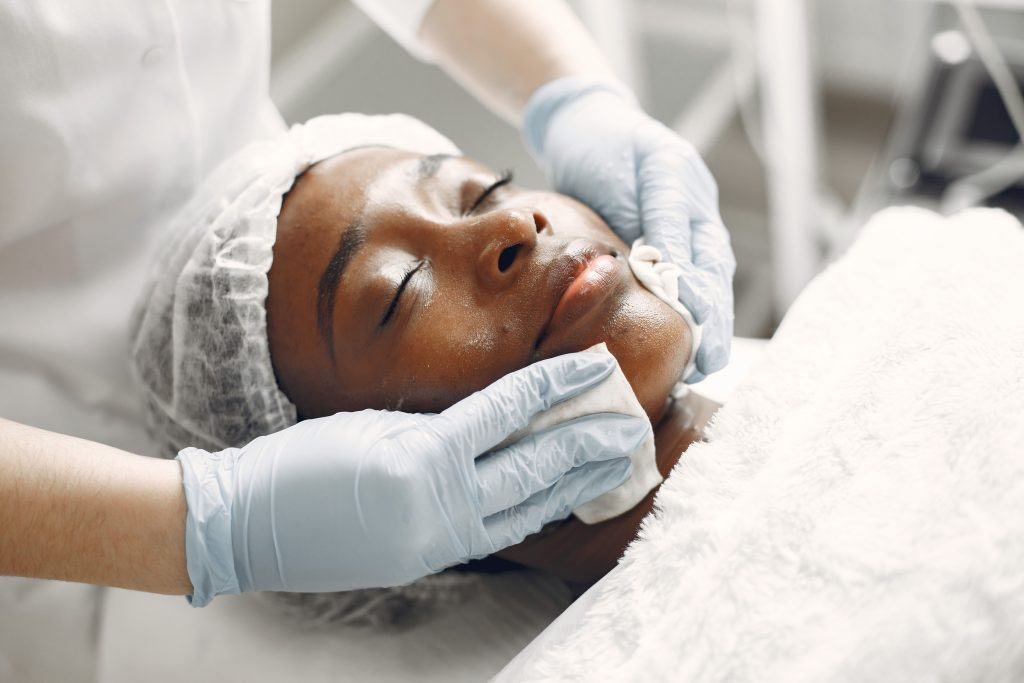
All skin parameters showed improvement. The most noticeable changes, such as increased moisture and fading of dark spots, appeared right after the treatment. Redness continued to improve even a month after the final peel. At the same time, untreated areas of skin remained without any improvements.
To cut it short, the experiment showed that ferulic acid peels are effective in reducing dark spots, calming redness, boosting moisture, and improving skin texture.
In another experiment, scientists took it a step further and compared the effectiveness of ferulic acid to ascorbic acid (vitamin C). Both significantly reduced visible signs of sun damage and made the skin more even-toned, hydrated, and firm.
However, these are scientific studies. In the market, just because a product contains ferulic acid or vitamin C doesn’t necessarily mean it’s effective. It might contain other ingredients that could clog pores, cause irritation, dryness, or other skin issues. To be 100% sure about a product before using or buying it, try the OnSkin app. It analyzes the ingredient list, checks their safety, and tells you if the product suits your skin type and issues.
It provides extra protection against sun exposure
We’ve said it a bunch of times, but let’s do it once again. If you want healthy, glowing skin, wearing sunscreen is a must, especially when you spend a lot of time in the sun. However, sunscreens stay on the surface of your skin and can be easily wiped off. Plus, they vary, especially when it comes to such vital factors as SPF.
Antioxidants like ferulic acid, on the other hand, can’t be easily wiped off since they soak into the skin and keep working for days. Scientists also say that the best protection comes from using both sunscreen and a serum that contains ferulic acid.
It boosts the effectiveness of vitamins C and E
To be more exact, it doubles it! In one study, scientists tested how well vitamin C, vitamin E, and ferulic acid protect the skin from sun damage when applied topically for a few days. Ferulic acid on its own, and vitamins C and E together, gave about four times more sun protection. But when all three were combined, the protection jumped to 8x.
Another benefit is that these ingredients also block DNA damage, especially thymine dimers, which are mutations linked to skin cancer.
So, combining vitamin C, vitamin E, and ferulic acid gives your skin powerful protection from sun damage, even better than using sunscreen alone.
It improves microneedling treatment
Microneedling is a skin treatment that uses tiny needles to create very small injuries on the skin. These tiny injuries trigger the skin’s natural healing process, which helps it look and feel better.
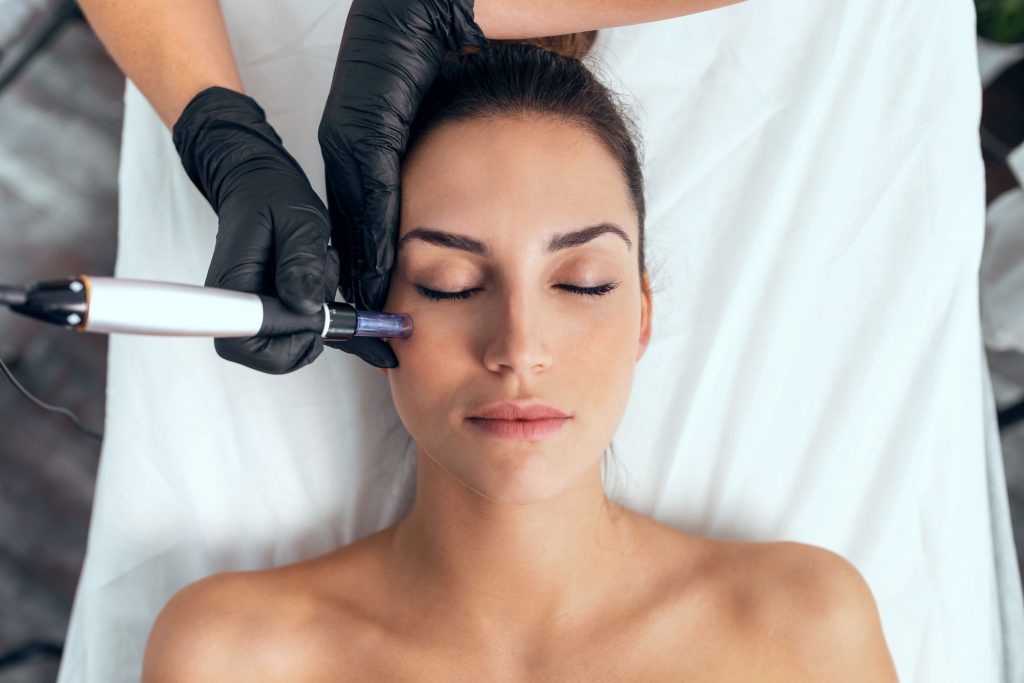
In one study, 16 women aged 45 to 60 received eight weekly treatments with a 14% ferulic acid peel. Microneedling was added after the peel only on one side of the face. Both treatments improved the skin, but the side with microneedling showed even better results, especially in terms of skin elasticity.
Ferulic Acid Side Effects
Ferulic acid works well with most skincare ingredients, including retinol, peptides, and hyaluronic acid. But like with any antioxidant, it’s best not to mix it with strong exfoliants or harsh acids in the same routine. Using too many active ingredients at once can overwhelm your skin and cause irritation or sensitivity.
Most people can use ferulic acid without any issues at all. Its calming and anti-inflammatory properties make it a good option for daily use, even for those with sensitive skin.
Still, it’s always smart to do a patch test of a new product before fully adding it into your routine. Though ferulic acid is considered safe, some people with very sensitive skin may experience mild irritation. In rare cases, it could trigger an allergic reaction. If you notice any symptoms like redness, itching, or swelling, stop using the product and consult your dermatologist.
In a Nutshell
Ferulic acid is a powerful skincare ingredient that helps reduce signs of aging, protects your skin from ultraviolet damage, improves the effects of microneedling, and boosts the performance of vitamins C and E in your skincare routine. The cherry on the cake is that, in comparison with other anti-aging ingredients (like retinol, for instance), ferulic acid is generally considered safe.


-
1.
Ferulic acid from plant biomass: a phytochemical with promising antiviral properties. (2022). https://www.frontiersin.org/journals/nutrition/articles/10.3389/fnut.2021.777576/full
-
2.
Antioxidant properties of ferulic acid and Its possible application. (2018). https://pubmed.ncbi.nlm.nih.gov/30235459/
-
3.
Antioxidants in dermatology. (2017). https://pmc.ncbi.nlm.nih.gov/articles/PMC5514576/
-
4.
Ferulic acid - A novel topical agent in reducing signs of photoaging. (2022). https://pubmed.ncbi.nlm.nih.gov/35486440/
-
5.
Two superior antioxidants: Ferulic acid and ascorbic acid in reducing signs of photoaging-a split-face comparative study. (2022). https://pubmed.ncbi.nlm.nih.gov/34877760/
-
6.
Ferulic acid stabilizes a solution of vitamins C and E and doubles its photoprotection of skin. (2005). https://www.jidonline.org/article/S0022-202X(15)32491-X/fulltext
-
7.
Review of applications of microneedling in dermatology. (2017). https://www.dovepress.com/review-of-applications-of-microneedling-in-dermatology-peer-reviewed-fulltext-article-CCID
-
8.
The effectiveness of ferulic acid and microneedling in reducing signs of photoaging: a split-face comparative study. (2020). https://onlinelibrary.wiley.com/doi/10.1111/dth.14000