
Jojoba Oil for Skin and Hair: Benefits You Can’t Ignore

Onskin Content Team
Your guides through the skincare chaos
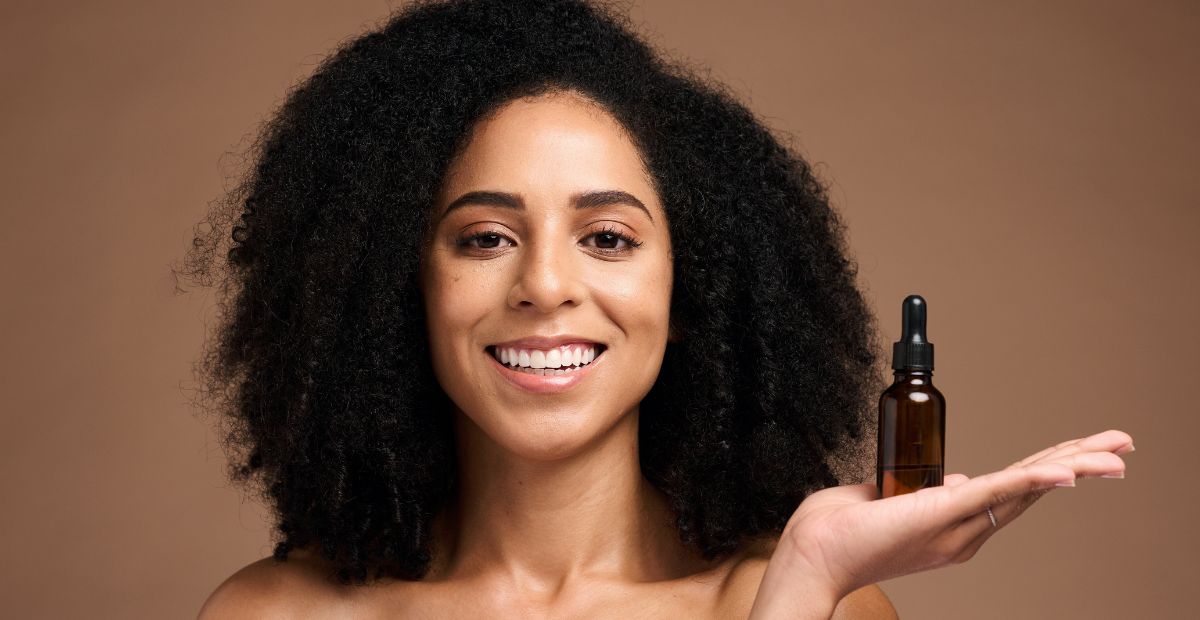
Ever wonder why a single drop can feel like magic? This guide explains how jojoba oil works wonders—in more ways than one. Jojoba oil for skin hydrates and soothes, while jojoba oil for hair protects and conditions. Lightweight and multitasking, this ingredient has earned a spot in beauty routines everywhere. What about yours?
What’s Inside This Golden Drop?
So, what is jojoba oil exactly? It comes from the seeds of the jojoba shrub (Simmondsia chinensis), a hardy desert plant native to the southwestern United States and northern Mexico. Because its seeds are naturally rich in wax esters, jojoba oil isn’t technically an oil at all—it’s about 98% wax esters.
Researchers often call this oil, which is golden or light yellow in color, a “liquid wax,” and for good reason. These wax esters closely resemble human sebum, our skin’s natural moisturizer.
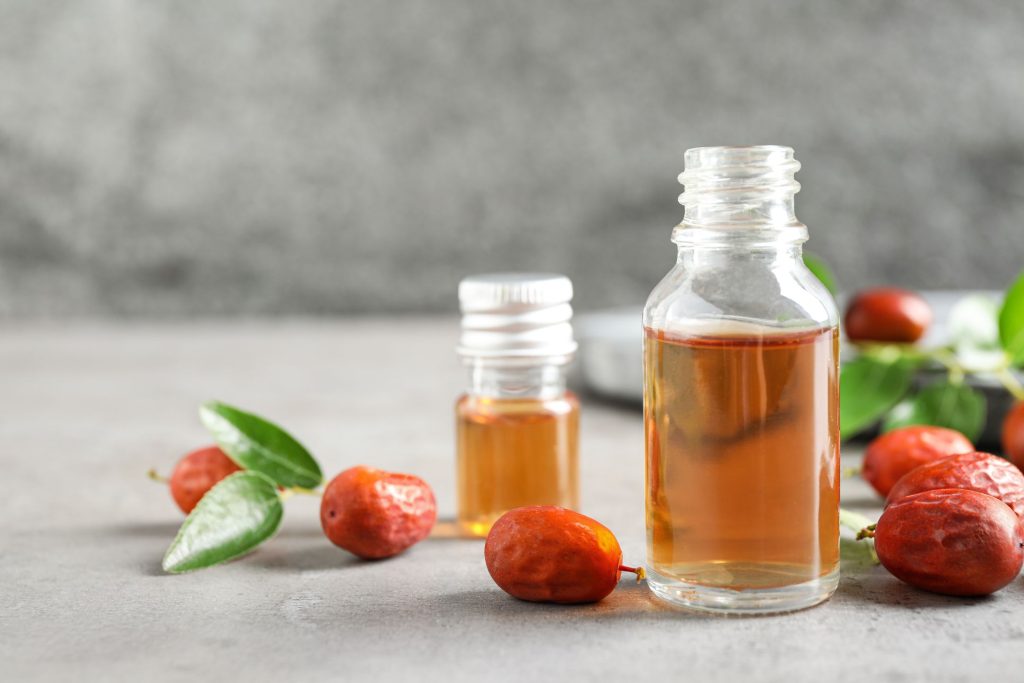
But jojoba oil is more than wax: it contains fatty acids, alcohols, sterols, antioxidants, and vitamins, with a hefty 79% vitamin E—a superhero squad, protecting skin from environmental stressors. All these bioactive compounds make jojoba oil for skin or hair a real multitasker.
No surprise you’ll find this golden liquid in bath oils, body oils, cleansing creams, makeup removers, facial oils, hair conditioners, and even shaving creams.
And if your bathroom looks like a mini Sephora haul, chances are a drop of this oil is already part of your life. And if it’s not? Well, it’s time to consider an upgrade.
6 Benefits of Jojoba Oil for Skin
The hype around the benefits of jojoba oil for skin isn’t just talk. It hydrates, soothes inflammation, aids acne-prone skin, and supports wound healing. Its versatility is the real story—like a friend who brings snacks, comfort, and advice all at once.
But let’s break down what jojoba oil uses actually look like in real life.
Hydration Hero

If your skin could speak, it would probably sigh in relief when it meets jojoba oil for skin. Because its molecular structure mimics sebum, it absorbs without leaving a greasy sheen. Research shows that natural oils (including jojoba oil) boost hydration like a pro.
In a randomized pilot study on dry skin, jojoba oil improved hydration levels over two weeks, performing as well as white petrolatum. The best part? People preferred the feel of natural oils, meaning you’re more likely to stick with them.
Another study found that combining hydrolyzed jojoba esters with glycerol can keep skin hydrated for a full 24 hours. That’s impressive longevity for something derived from a shrub.
So if you’ve ever wondered, “What does jojoba oil do for your skin?”—hydration is one of its star acts.
Inflammation Soother
Red, irritated skin? Jojoba oil has your back.
Research shows that jojoba liquid wax can decrease the level of key inflammation markers like prostaglandin E2, nitric oxide, and TNF-alpha, and reduce swelling—in lab studies on rats’ ears.
Translated from lab-speak: jojoba oil for skin helps calm things down.
This makes it perfect for sensitive, stressed, or reactive skin. So next time your face feels like it’s having a dramatic day, a little liquid gold might help calm the storm.
Acne Helper (or Maybe Not?)

Here’s the twist: jojoba oil benefits for skin include acne support, but its comedogenicity may vary.
On the comedogenity scale, jojoba oil rates 0-2 (with 0 being non-comedogenic and 5 being most likely to clog pores). At OnSkin, we place jojoba oil in the “probably comedogenic” category for oily or combination skin types. Not guaranteed to clog pores, but not guaranteed not to. Context matters.
But there’s good news, too. As per one pilot study, jojoba oil may treat mild acne and improve skin lesions. Participants used clay masks with jojoba oil for six weeks. The result? Acne lesions dropped by 54%, cysts by 69%, papules by 57%, and comedones by 39%. Impressive, right? But this doesn’t mean every jojoba-containing product is acne-proof. It depends on the percentage, formulation, and your skin’s personal quirks.
And when in doubt? Patch test, observe your skin, and use apps like OnSkin to reveal the full ingredient list. This app will help you instantly find out whether that miracle cream you want to buy actually suits you.
Wound Healer
Here’s where jojoba oil benefits for skin shine: wound healing.
Lab studies show jojoba liquid may help speed up wound healing. It accelerates “scratch closure” in human keratinocytes and fibroblasts—skin-repairing cell types. It also increases collagen type I, the protein that supports tissue repair.
Because sunburn is an injury to the skin caused by overexposure to UV rays from the sun, jojoba oil may also soothe sunburnt skin. But mostly in a supportive way. It doesn’t “cure” the burn. However, if someone asks, “Is jojoba oil good for sunburn?” the answer will be “Yes.”
Sun Saver
Here’s where jojoba oil for skin gets futuristic.
Researchers used it to create non-permeating sunscreens (NPSUNs). These innovative sunscreens attach traditional UV filters to the chemical backbone of jojoba oil, so the molecules can stay on the outermost skin layer.
Why does that matter? Sunscreens can sometimes irritate because they penetrate too deeply. NPSUNs stay put—exactly where UV protection is needed. In lab tests, they showed no skin penetration over 24 hours!
Pair that with vitamin E delivered in special carriers, as researchers did, and you’ll protect deeper skin tissues and cells. A tiny golden drop becomes a superhero in the sun.
Anti-Aging Ally
Jojoba oil benefits for skin extend to anti-aging, too.
Photoaging (the kind caused by long-term sun exposure) increases collagen breakdown and reduces new collagen production. One small study looked at whether formulas containing jojoba oil as well as vitamins, phytosterols, and ceramides may prevent this. Ten people used four different creams for 10 days:
- A basic cream with jojoba oil
- The basic cream plus vitamins
- The basic cream plus phytosterols and ceramides
- The basic cream with all three added (vitamins, phytosterols, and ceramides)
The result? All the creams, including a simple cream with jojoba oil, helped prevent collagen breakdown. Still, only the creams containing phytosterols and ceramides supported new collagen production.
Yes, the strongest anti-aging effects came from certain blends, but jojoba oil for skin still played its role. Consider it a supportive team player in the fight against premature wrinkles.
When Jojoba Oil for Hair Works Best
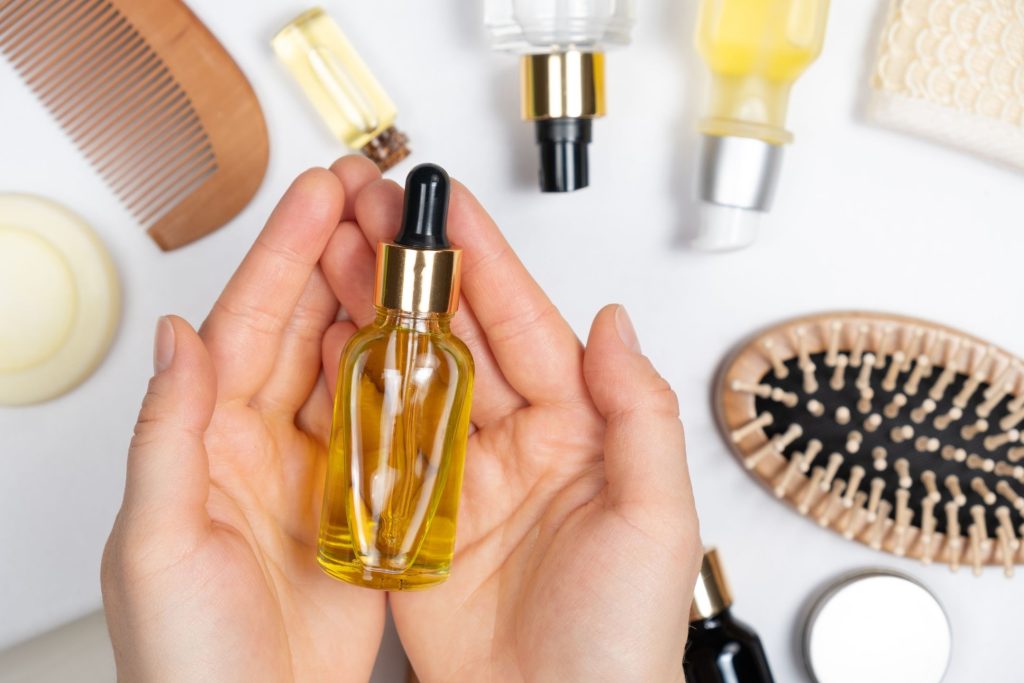
If you’ve ever Googled “Is jojoba oil good for hair,” you already know the vibe: it’s a solid yes. Its emollient properties make it an excellent conditioner, and when added to hair-straightening formulas, jojoba oil helps protect the hair instead of letting it dry out.
The sad truth is that harsh chemical straightening can leave strands brittle and weak. But when researchers added conditioning ingredients like jojoba oil to straightening emulsions, hair fibers behaved differently. In tests on Afro-textured hair, jojoba oil for hair was one of the strongest performers and helped:
- Reduce protein loss
- Protect hair fiber structure
- Improve resistance to breakage
No wonder jojoba oil benefits for hair show up in so many masks, conditioners, and leave-ins. It works.
Jojoba Oil in Action
From hydration to acne support, wound healing to sun protection, anti-aging to haircare, jojoba oil uses stretch impressively far. It’s gentle and remarkably versatile. Whether you’re asking “Is jojoba oil good for skin?” or “Is jojoba oil good for hair?”—the answer stays the same: absolutely.
Golden, antioxidant-rich, and naturally in sync with your skin, this liquid wax has earned its loyal following. Sometimes a single drop of jojoba oil for skin or hair is enough to remind you why it’s a classic.


FAQ
-
Where do I start with OnSkin?
Download the app and think of a product you’d like to know more about. Then, go to the main screen and choose how you’d like to get the info —by manually looking it up in the search bar, by scanning its barcode, or by simply taking a picture of the packaging. Once you’ve done any of these, you can see how safe the product is and if it suits your skin or hair (if this analysis is available).
-
What is Safety Rating, and how is it calculated?
In OnSkin, we base product rates on ingredients. Each is closely studied by our medical team and then evaluated. This way, each product gets a score from 0 to 100, with 100 as the safest level.
Safety Levels
- Excellent (76–100)
- Good (51–75)
- Not great (26–50)
- Bad (0–25)
These scores are backed by the latest scientific studies. You can find links to the resources we’ve used on each ingredient page. To assess the safety of product ingredients, we evaluate them according to the following parameters/criteria
- Endocrine disruption risk / Reproductive toxicity
Indicates the probability of mimicking, blocking, or interfering with the body hormones.
- Сarcinogenicity
Measures the potential risk of inducing cancer.
- Allergy risk
Estimates the probability of an allergic reaction.
- High concentration alert
Determines the risk of being unsafe in certain amounts.
-
What is Skin Match?
Based on the info you input about your skin type, age, skin care goal, and other “settings,” OnSkin checks how well a product is tailored to your unique skin needs — it’s basically like a dermatologist helping you find the right products, minus the fees and the long wait. The product you’re checking might be labeled as It’s a match!, Hit-or-miss, or Not a match for you. The app also detects ingredient groups such as Anti-acne, Anti-inflammatory, Moisturizes, May be drying, Comedogenic, and others — by tapping one, you see exactly what ingredients from this or that group are in the product.
-
I seem to have a problem with using the app. Who should I contact?
Please reach out to us at [email protected], and we’ll carefully look into your issue. Your ideas for improving the app are also very welcome!
-
Do you have an Android version?
Not yet! Hey Android users, we hear you, and we're thinking about making an Android version, but we haven't started the development yet.

Tracker Sent!
It’s on the way to your inbox.