
How to Remove Makeup Without Damaging Skin

Onskin Content Team
Your guides through the skincare chaos
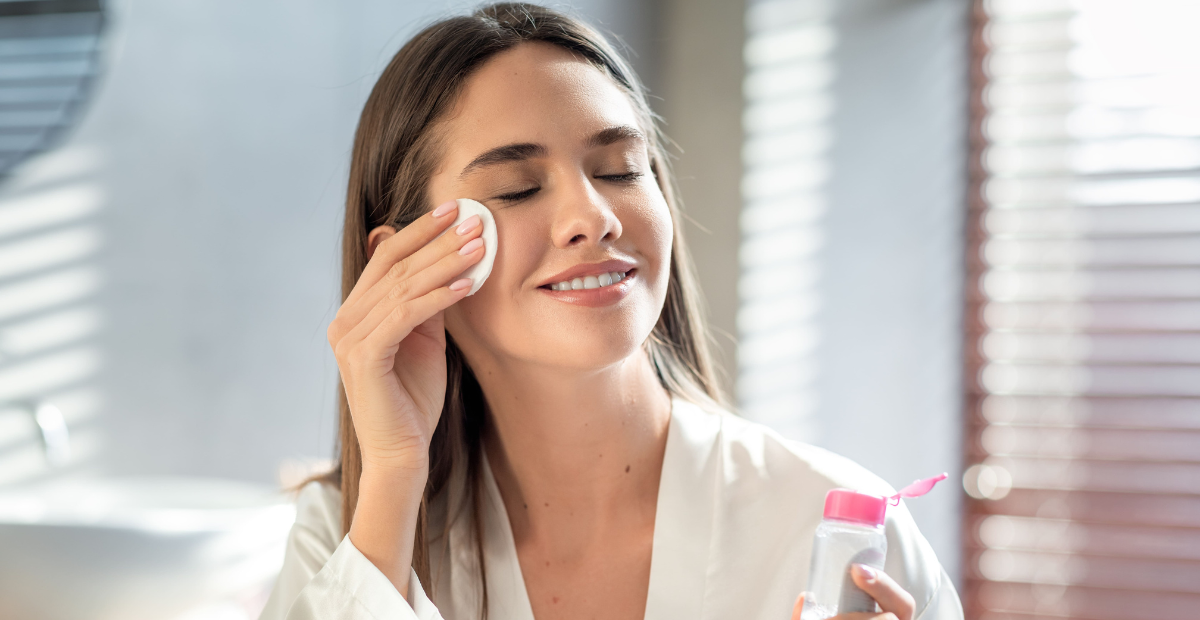
Removing makeup isn’t the most glamorous part of the day. It can be quite tempting to quickly swipe a wipe across your face or even leave it till morning, especially after a long night out at a party or concert. And if you do that, you risk waking up with dry, irritated skin.
But here’s the catch: doing too much can be just as harmful as doing nothing. Over-cleansing or scrubbing too hard can lead to a range of skin issues, so let’s figure out how to remove makeup the right way.
Why Is It Important to Remove Makeup Before Bed?
First, your cosmetics can often include potentially harmful ingredients. Fragrances, preservatives, and some dyes can irritate your skin and cause redness, itching, or even allergic reactions.
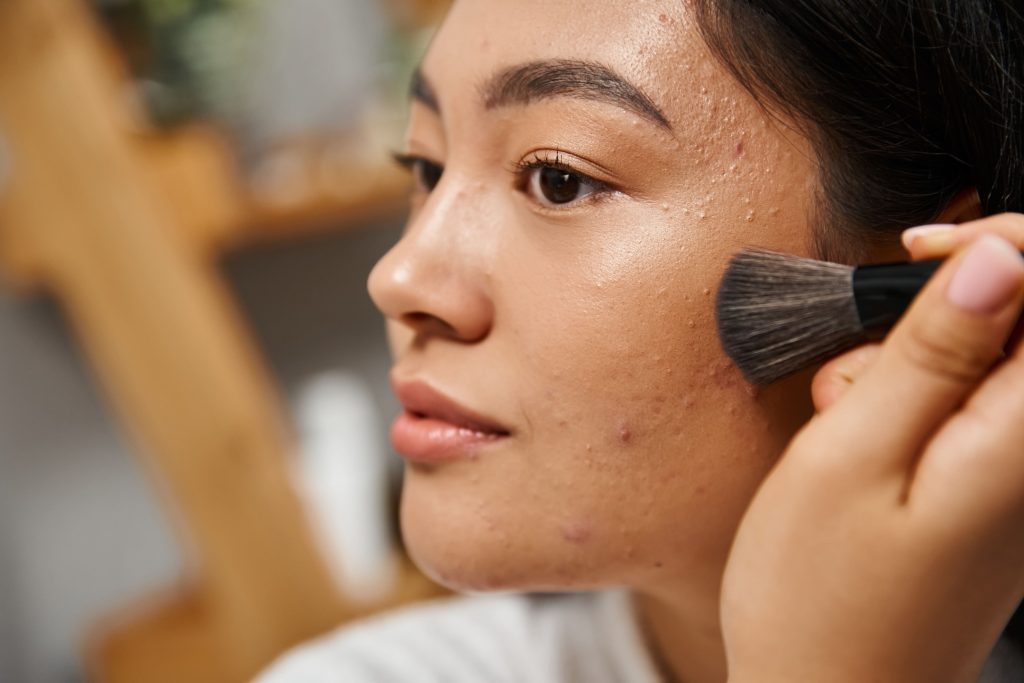
Second, if you leave your makeup on, you’re inviting clogged pores and skin irritation. Throughout the day, makeup mixes with oil, sweat, and airborne pollutants, which can easily lead to breakouts and cause acne.
Long story short, makeup is an integral part of our daily lives. But knowing how to remove it is just as important.
How to Remove Makeup Properly: 4 Essential Steps
Fortunately, we no longer scrape our skin with bones to cleanse it, as people did centuries ago. Today’s approach is much more refined, but there are still a few things to keep in mind.
1. Wash your hands before removing makeup.
It might seem obvious, but here’s a quick reminder just in case: washing your hands gets rid of dirt and bacteria and prevents them from spreading to your face. This simple step will help keep your skincare routine clean and hygienic.
2. Remove your makeup.
There are three main options that are considered the best when it comes to makeup removers: micellar water, cleansing balms, and oil-based cleansers.
Micellar water is a more gentle option that can work for all skin types. It contains tiny molecules called micelles that attract and lift makeup, dirt, and excess oil from the skin. All you need is a cotton pad—feel free to skip facial brushes or washcloths that can harbor germs and bacteria.
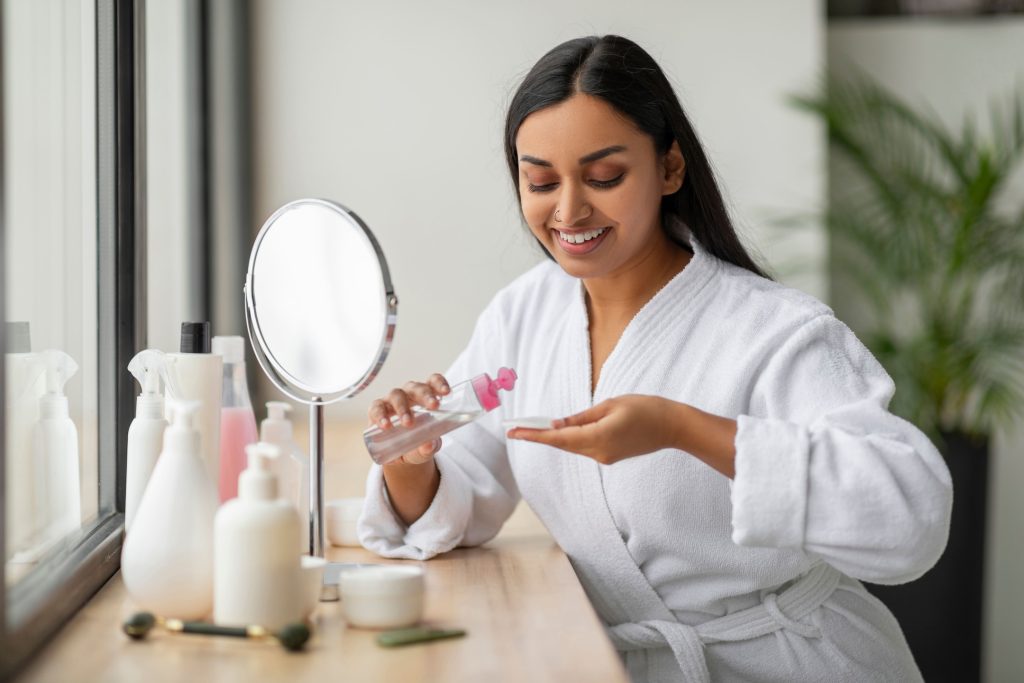
Cleansing balms and oil-based cleansers, on the other hand, are richer and more nourishing. They can contend with even stubborn, waterproof makeup and sunscreen. Simply massage the balm onto dry skin, then rinse or wipe it off, and you’re all set!
However, if you have sensitive or acne-prone skin, an oil-based product might not be the best option. Some oils, like coconut and wheat germ oils, are considered comedogenic and can clog pores. So before using or buying a product, it’s always good to check its formula. The OnSkin app, for instance, can analyze every ingredient in the product you’re considering and let you know whether or not it’s suitable for your skin type and concerns. Just take a picture of the product or its barcode, and the app will tell you whether it’s worth a shot.
3. Remove your eye makeup.
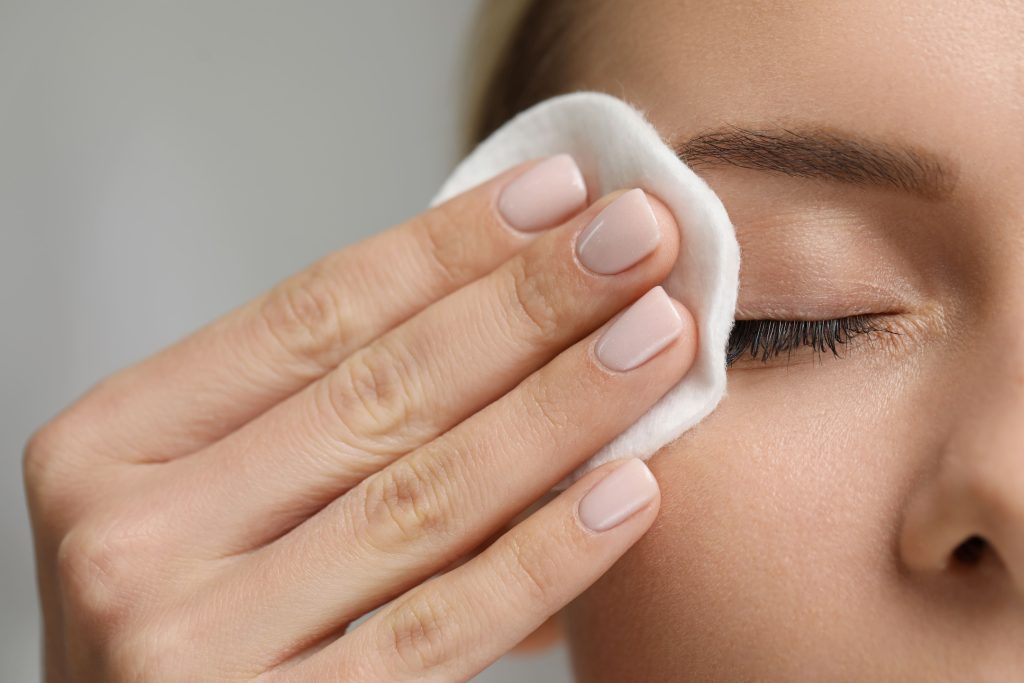
Now it’s time to take off your eye makeup. A few drops of micellar water or cleansing oil on a cotton pad should be enough. Place the soaked pad over your eyes for about 20 seconds to dissolve the makeup, then gently wipe it away.
4. Follow up with a second cleanse.
Double cleansing isn’t just a trend, at least not when it comes to makeup removal. This second step isn’t about taking off your makeup; it’s about actually cleansing your skin.
So, after breaking down what’s on your face, follow up with a gentle water-based cleanser. It washes away sweat, excess oil, and any leftover residue, helping to prevent clogged pores and leaving your face clean and refreshed.
What to Do After Cleansing?
Congrats! You’ve finished removing your makeup. There are just a few small steps left to unlock your fully cleansed glow.
- Use a toner to refresh your skin. Think of it as the gateway from cleansing to the rest of your routine. It balances your skin and prepares it to absorb serum and moisturizer more effectively.
- Apply a serum if it’s part of your routine. A hyaluronic acid serum, for example, will hydrate your skin and help maintain its elasticity and smoothness. Gently press a couple of drops onto your face while your skin is still slightly damp.
- Finish with a moisturizer to lock in hydration.
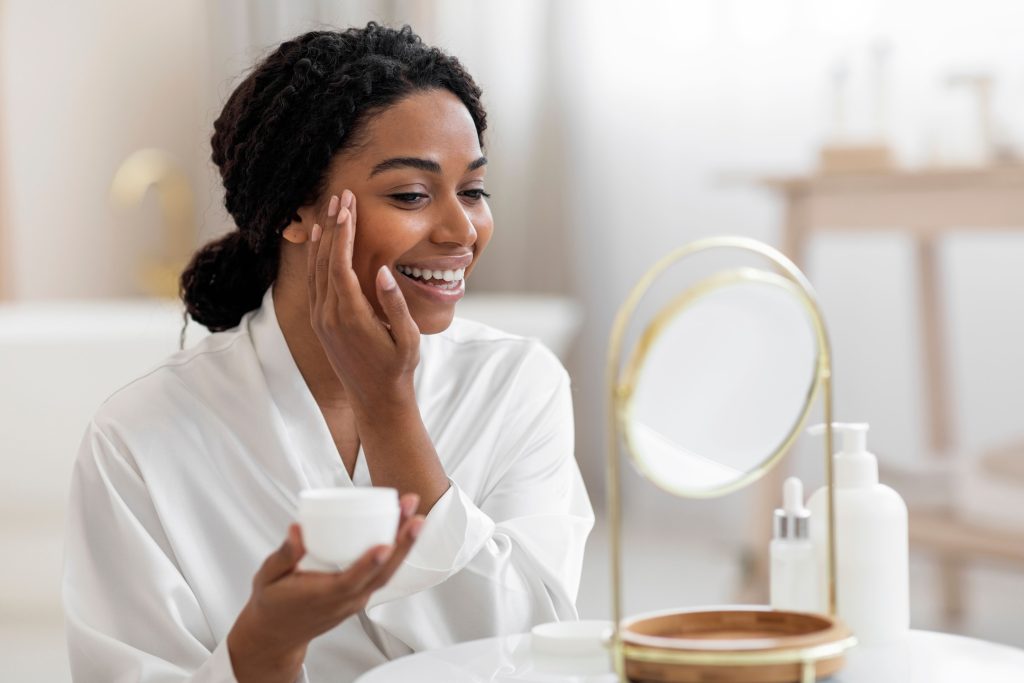
Mistakes to Avoid When Removing Makeup
- Don’t rub your face, especially if you have atopic dermatitis.
- Don’t scrub too hard or cleanse too often. It can harm your skin’s natural barrier and cause dryness, irritation, or even breakouts. Instead, be gentle–use your fingertips to massage the cleanser in soft, circular motions.
- Don’t use harsh cleansers. An alcohol-free and non-abrasive product is what the American Academy of Dermatology recommends.
- Don’t rely on cleansing wipes too often. They can be handy, but they often include ingredients you’ll want to avoid, like fragrances and alcohol.
TL;DR
Understanding how to remove makeup properly is essential for maintaining healthy skin.
Start by washing your hands, then use micellar water, a cleansing balm, or an oil-based cleanser to break down makeup. Gently remove your eye makeup with a soaked cotton pad, then follow with a second, water-based cleanser to eliminate residue. Finally, apply toner, serum, and moisturizer to restore hydration.
Avoid harsh products, excessive scrubbing, and relying too much on wipes to keep your skin calm and balanced.


FAQ
-
Where do I start with OnSkin?
Download the app and think of a product you’d like to know more about. Then, go to the main screen and choose how you’d like to get the info —by manually looking it up in the search bar, by scanning its barcode, or by simply taking a picture of the packaging. Once you’ve done any of these, you can see how safe the product is and if it suits your skin or hair (if this analysis is available).
-
What is Safety Rating, and how is it calculated?
In OnSkin, we base product rates on ingredients. Each is closely studied by our medical team and then evaluated. This way, each product gets a score from 0 to 100, with 100 as the safest level.
Safety Levels
- Excellent (76–100)
- Good (51–75)
- Not great (26–50)
- Bad (0–25)
These scores are backed by the latest scientific studies. You can find links to the resources we’ve used on each ingredient page. To assess the safety of product ingredients, we evaluate them according to the following parameters/criteria
- Endocrine disruption risk / Reproductive toxicity
Indicates the probability of mimicking, blocking, or interfering with the body hormones.
- Сarcinogenicity
Measures the potential risk of inducing cancer.
- Allergy risk
Estimates the probability of an allergic reaction.
- High concentration alert
Determines the risk of being unsafe in certain amounts.
-
What is Skin Match?
Based on the info you input about your skin type, age, skin care goal, and other “settings,” OnSkin checks how well a product is tailored to your unique skin needs — it’s basically like a dermatologist helping you find the right products, minus the fees and the long wait. The product you’re checking might be labeled as It’s a match!, Hit-or-miss, or Not a match for you. The app also detects ingredient groups such as Anti-acne, Anti-inflammatory, Moisturizes, May be drying, Comedogenic, and others — by tapping one, you see exactly what ingredients from this or that group are in the product.
-
I seem to have a problem with using the app. Who should I contact?
Please reach out to us at [email protected], and we’ll carefully look into your issue. Your ideas for improving the app are also very welcome!
-
Do you have an Android version?
Not yet! Hey Android users, we hear you, and we're thinking about making an Android version, but we haven't started the development yet.

Tracker Sent!
It’s on the way to your inbox.