
Dry vs. Dehydrated Skin: Causes, Symptoms, and Treatment

Onskin Content Team
Your guides through the skincare chaos
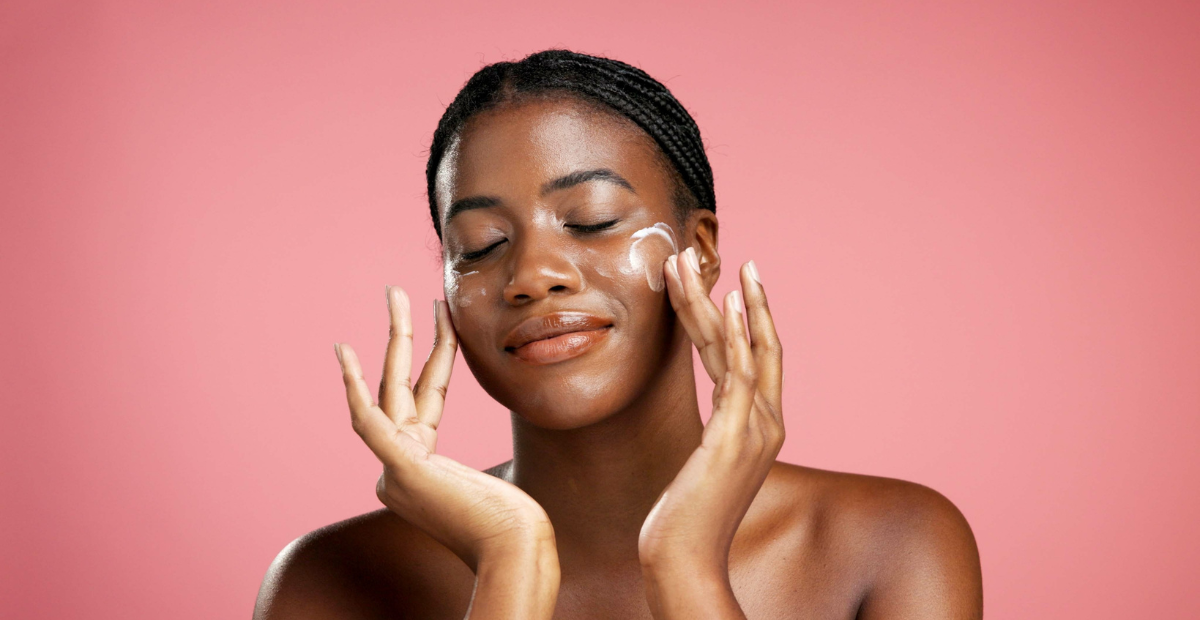
Apart from thousands of products, the skincare world is scattered with various terms, which can be a bit challenging to understand, especially if you’re just starting to explore. AHAs and BHAs, comedogenic and noncomedogenic, niacinamide and ceramides… The list goes on. Dry vs. dehydrated skin doesn’t make things any simpler, as these terms are also often misinterpreted. Being able to tell the difference will help you learn how to treat them. And we’re here to help you out. Let’s get started!
What Is Dry Skin?
Dry skin is a type of skin, along with normal, oily, and combination types. Each of them describes how much sebum your skin produces—a waxy substance that helps protect it from drying out. And as you might have already guessed, dry skin produces less sebum, which makes it harder for the skin to retain moisture. The thing is, sebum mixes with lipids and sweat on our skin and forms a thin protective layer that reduces water loss. When less sebum is produced, this protective layer becomes weaker, letting water evaporate more easily.
Sebum production can decrease due to several factors:
- Aging
- Inflammatory skin conditions
- Certain medications
- Environment
- Hot water
- Smoking
Check our complete guide on dry skin to find out more about it.
Dry skin isn’t something you’re necessarily born with. Anyone can experience it, no matter their age or gender.
What Does Dry Skin Look Like?
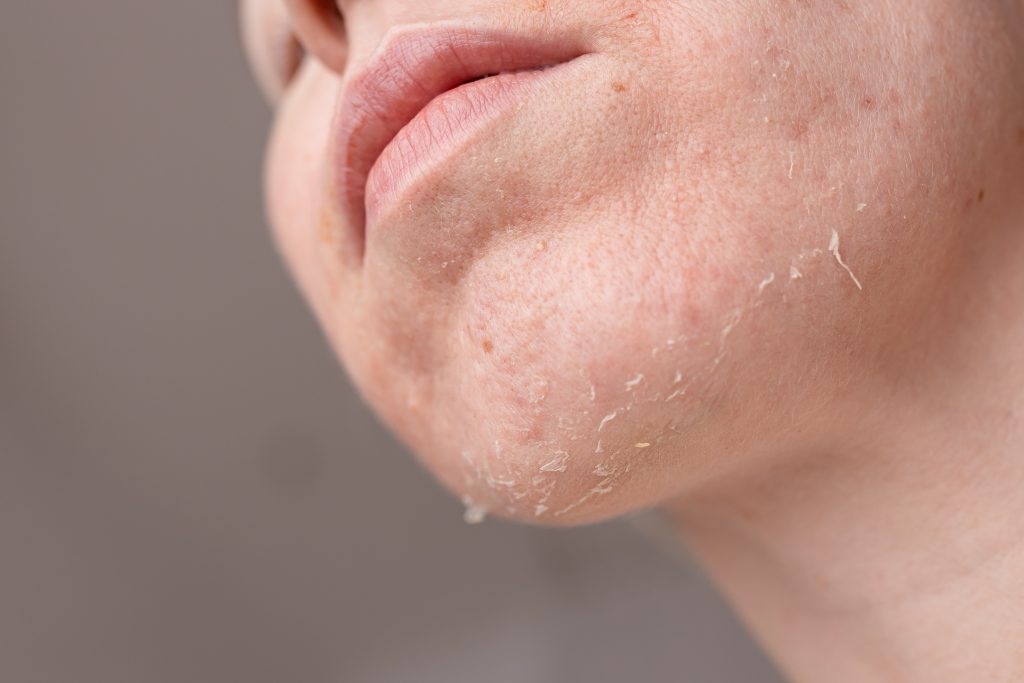
Symptoms include scaling, flaking, or peeling, a rough or tight feeling (especially after bathing), itching, and sometimes cracks that may bleed.
How to Treat Dry Skin
- Opt for lukewarm water and reduce the time you spend showering. Hot water can strip your skin of its natural oils.
- Apply a moisturizer right after you wash your face to prevent evaporation. To be 100% sure a product doesn’t contain any harmful ingredients, check it with the OnSkin app.
- Apply SPF 30 or higher every time you go outside and avoid the most common sunscreen mistakes along the way. Your skin will thank you.
- Limit very spicy foods and alcohol.
What Is Dehydrated Skin?
Dehydrated skin is a temporary skin condition, not a skin type. It happens when the skin loses water through its outer layer faster than it can retain it. This process is known as transepidermal water loss, or TEWL (yes, one more term for our list). Any skin type can become dehydrated, even oily skin.
As for the reasons, there’s a bunch of them:
Environmental factors
- UV exposure. Spending too much time in the sun doesn’t just give you a beautiful tan. UVB rays damage the skin’s barrier by breaking down lipids and the tiny structures that hold skin cells together.
- Winter season. Studies show that during winter, the skin’s lipid levels drop compared to spring and summer. Less lipid means a weaker barrier, which makes the skin more prone to dryness, flakiness, and irritation.
- Lack of humidity. When the air is very dry, your skin has to work super hard to keep moisture in, eventually becoming thicker and heavier. However, as experiments show, TEWL still increases, which puts the skin at risk of dehydration.
Nutrition
- Shortage of calcium. This nutrient helps certain skin cells (keratinocytes) differentiate and form the layers that make up the outermost barrier. Without enough calcium, the barrier can become less effective and lead to increased water loss.
- Lack of healthy fats. Polyunsaturated fatty acids (PUFAs), found in fish and vegetable oils, help support skin hydration and strengthen the skin’s barrier. A deficiency in these fats can lead to problems. For example, a lack of linoleic acid, the most abundant type of PUFA, may cause scaly, dry skin and increased water loss, as one study shows.
- Diet. Scientists found that people who ate a lot of cereals, potatoes, sugar, fish, and shellfish tended to have less moisture in the skin on their foreheads. However, it’s still not clear how exactly diet affects hydration, so more research is needed to figure it out.
Aging
With age, our skin naturally becomes drier. The amount of lipids goes down, which makes the skin barrier weaker and less effective at retaining water. At the same time, older skin has less hyaluronic acid—a substance that holds water in the skin.
Glycation
Glycation is the process that happens when sugar in the body sticks to proteins and fats and changes their structure. As a result, it can make skin less elastic and reduce its ability to hold water.
People with diabetes often experience this more frequently. One study found that those with higher fasting blood sugar levels had lower skin hydration compared to the group with normal levels.
Biological rhythms
It might seem a bit unusual, but your skin is also influenced by biological clocks that are in charge of many other processes in your body. Studies show that skin hydration and water loss also follow a daily rhythm, so their characteristics aren’t constant. For instance, in the evenings, your skin loses more water than in the morning, when hydration levels are usually higher.
Atopic dermatitis
Atopic dermatitis is a skin condition that causes itching, inflammation, and a weak skin barrier.
Psoriasis
Psoriasis is another condition in which the skin’s protective barrier doesn’t work properly. In this case, keratinocytes grow too quickly and don’t mature properly, leading to the red, scaly patches. This abnormal growth damages the skin’s structure and weakens its barrier, making it harder for the skin to retain moisture.
What Does Dehydrated Skin Look Like?
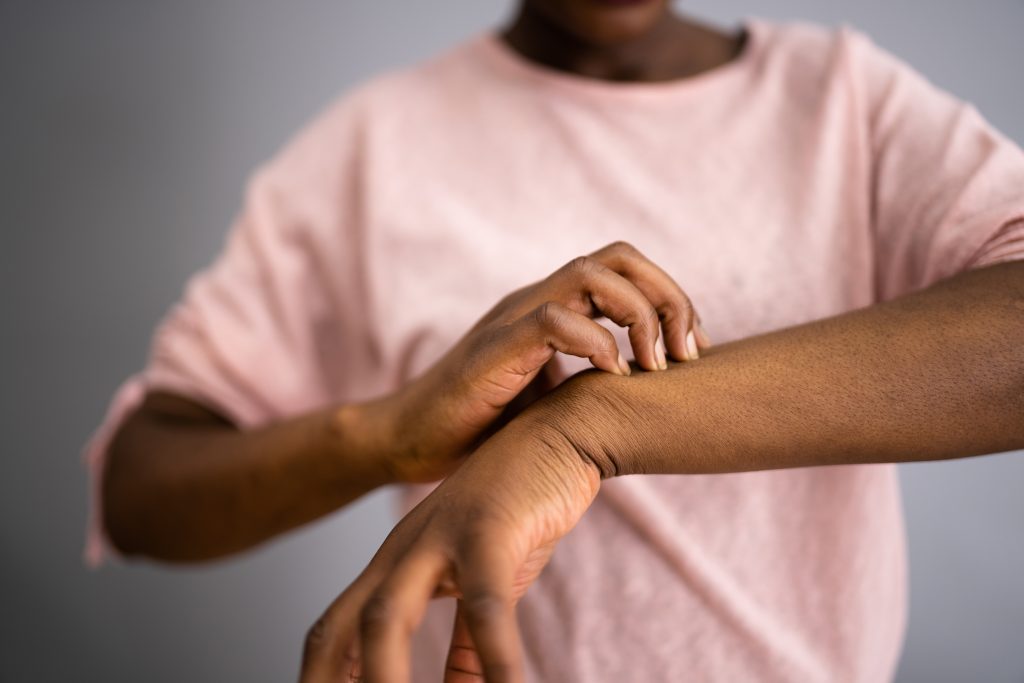
Symptoms usually include dull skin, sunken eyes, very fine lines, itching, and under-eye bags.
Pro Tip: A simple way to check if you’re dehydrated is the “pinch test.” Gently grab a small patch of skin on your arm between your thumb and finger and lift it. If your skin snaps back quickly, you’re well hydrated. If it takes a while to return, it’s a sign you might need to drink more water.
How to Treat Dehydrated Skin
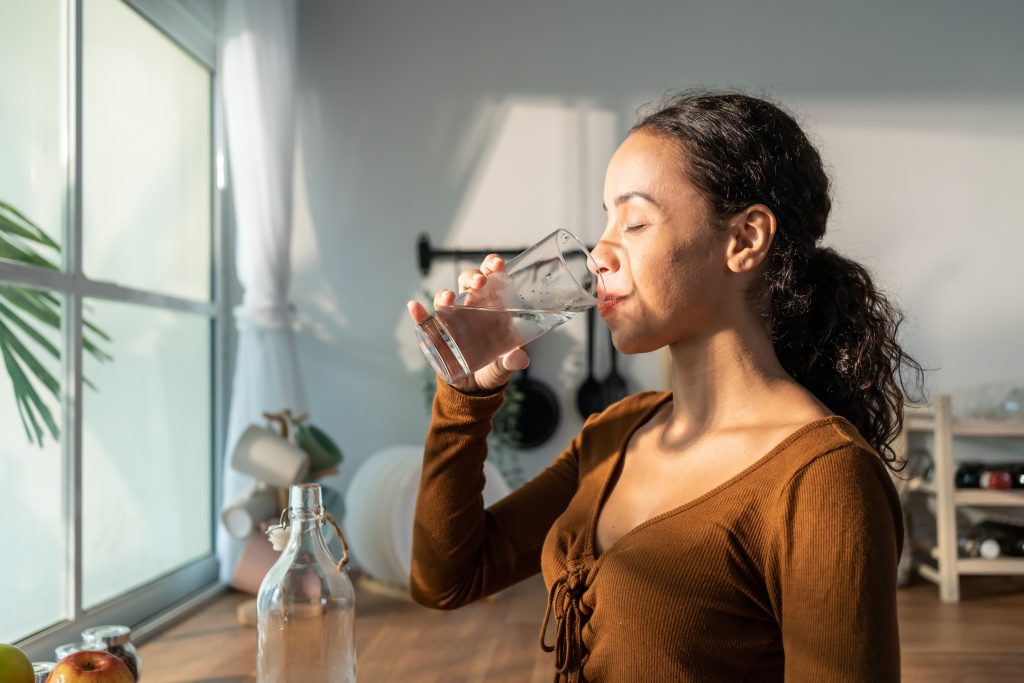
- Drink more water. This one is obvious: the more you lose, the more you need to replenish. There’s no scientific consensus regarding the amount of water to drink daily, but some studies say you have nine cups of water (a cup is around eight ounces) to support the level of moisture in your skin.
- Opt for ingredients that keep your skin hydrated. Apply your moisturizer while your skin is still a bit damp after a shower. Look for products containing niacinamide, hyaluronic acid, and ceramides. They help lock in moisture and keep your skin hydrated.
- Use OnSkin to avoid harsh, comedogenic, or fragranced products. The app asks about your current skin concerns and then analyzes each ingredient in a formula to find out whether it can help your dehydrated skin. You can take a picture of the product or its barcode to get results, or simply type the product into the search bar in the app.
- Sleep enough. One study shows that adults who sleep around six hours per night are more likely to experience dehydration than those who sleep around eight hours.
- As with dry skin, avoid hot water, which can dry out and irritate your skin.
Key Takeaways: Dry vs. Dehydrated Skin
The difference between dry and dehydrated skin can be explained by two simple formulas:
- Dry skin = lack of oil (sebum)
- Dehydrated skin = lack of water.
Dry skin is a skin type. It develops when our skin starts to produce less sebum, which makes skin feel tight, rough, or flaky. It’s more permanent than dehydrated skin and is usually caused by aging, environmental factors, medications, and lifestyle choices.
Dehydrated skin, on the other hand, is a temporary condition that occurs when the skin loses water more quickly than it can replenish it. Signs include dullness, fine lines, and tightness. UV exposure, unhealthy diet, change of seasons, insufficient sleep, and certain skin issues like psoriasis or atopic dermatitis can all contribute to that.


FAQ
-
Where do I start with OnSkin?
Download the app and think of a product you’d like to know more about. Then, go to the main screen and choose how you’d like to get the info —by manually looking it up in the search bar, by scanning its barcode, or by simply taking a picture of the packaging. Once you’ve done any of these, you can see how safe the product is and if it suits your skin or hair (if this analysis is available).
-
What is Safety Rating, and how is it calculated?
In OnSkin, we base product rates on ingredients. Each is closely studied by our medical team and then evaluated. This way, each product gets a score from 0 to 100, with 100 as the safest level.
Safety Levels
- Excellent (76–100)
- Good (51–75)
- Not great (26–50)
- Bad (0–25)
These scores are backed by the latest scientific studies. You can find links to the resources we’ve used on each ingredient page. To assess the safety of product ingredients, we evaluate them according to the following parameters/criteria
- Endocrine disruption risk / Reproductive toxicity
Indicates the probability of mimicking, blocking, or interfering with the body hormones.
- Сarcinogenicity
Measures the potential risk of inducing cancer.
- Allergy risk
Estimates the probability of an allergic reaction.
- High concentration alert
Determines the risk of being unsafe in certain amounts.
-
What is Skin Match?
Based on the info you input about your skin type, age, skin care goal, and other “settings,” OnSkin checks how well a product is tailored to your unique skin needs — it’s basically like a dermatologist helping you find the right products, minus the fees and the long wait. The product you’re checking might be labeled as It’s a match!, Hit-or-miss, or Not a match for you. The app also detects ingredient groups such as Anti-acne, Anti-inflammatory, Moisturizes, May be drying, Comedogenic, and others — by tapping one, you see exactly what ingredients from this or that group are in the product.
-
I seem to have a problem with using the app. Who should I contact?
Please reach out to us at [email protected], and we’ll carefully look into your issue. Your ideas for improving the app are also very welcome!
-
Do you have an Android version?
Not yet! Hey Android users, we hear you, and we're thinking about making an Android version, but we haven't started the development yet.

Tracker Sent!
It’s on the way to your inbox.