Why Use Adenosine in Skincare: Key Science-Based Benefits

Your guides through the skincare chaos
Are you on the lookout for an active ingredient to fight wrinkles? Don’t miss out on adenosine. It’s a heavy hitter in the anti-aging skincare space.
This component works its magic toward a firmer, smoother, and more youthful complexion. But that’s not all of its powers.
Let’s give a detailed breakdown of adenosine in skincare, highlight its benefits, and learn if there are any risks of using it.
What should you know about adenosine in skincare?
A brief biology lesson to fill you in—adenosine is part and parcel of our cells. When our body’s low on oxygen, stressed out, or gets hurt, this omnipresent molecule kicks in to help clear away harmful agents and support healing.
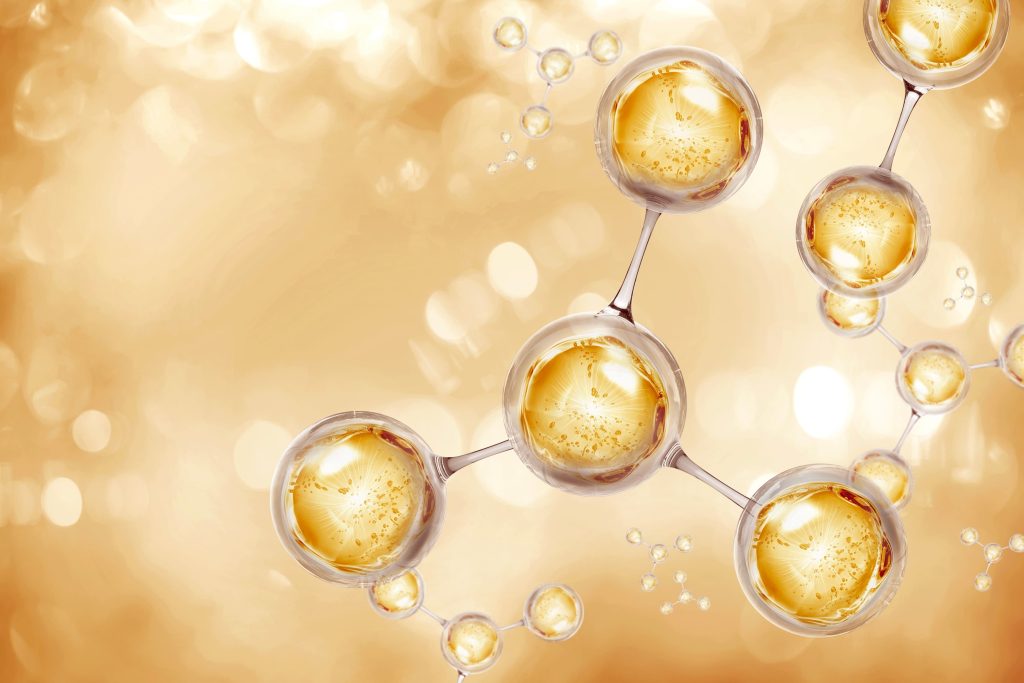
Great! We have adenosine naturally. But how do they get it in skincare? As a rule, this compound is safely sourced from yeast and appears as a white, crystalline powder in its pure form.
Typically used in low concentrations, adenosine is a go-to ingredient for many cosmetic brands. Similar to peptides, it’s highly valued for boosting a healthy and wrinkle-free complexion.
Though anti-aging properties rank on top, adenosine is also good at improving overall hydration. Time to spell out its benefits backed by science.
Why does your skin need adenosine?
Initially used in clinical treatments, adenosine started to catch on in skincare in the early 2000s. Today, it’s an all-time favorite in K-beauty and beyond. Here’s why this ingredient is worth your while.
Efficient anti-wrinkle agent
Adenosine is a star component in improving skin texture and minimizing visible signs of aging. There’s enough scientific proof behind this.
One blind, placebo-controlled study evaluated adenosine formulations for reducing eye wrinkles and frown lines.
More than a hundred female participants (126 to be exact), aged 45 to 65, were to apply either a cream or a dissolvable film with adenosine or a placebo twice daily for two months.
After just three weeks, the three-dimensional analysis of the skin surface revealed amazing results for the participants using adenosine products. Those pesky crow’s feet and worry lines started to iron out.
Still not convinced? Here’s another study supporting adenosine’s anti-aging power. A group of women aged between 30 and 50, all showing wrinkles around the eyes, freckles, and dark spots, used a product containing both niacinamide and adenosine for 28 days.
Interestingly, the volunteers were split into two groups: one was instructed to dab on the sample with their hands, while the other was told to use an airbrush.
Following the treatment, both groups enjoyed brighter skin (niacinamide is to thank). Meanwhile, the size, depth, and width of their most noticeable wrinkles considerably decreased—shout out to adenosine.
Notably, participants using the hands-free method saw somewhat better results. Clearly, the airbrush proved to be a useful skincare tool.
Hydration booster
Dry skin is part of an aging package deal. The outer layer thins out over time, becoming more prone to moisture loss and external damage. Adenosine can get your skin more hydrated.
Several clinical studies have revealed the efficacy of adenosine for boosting hydration. In addition to fighting wrinkles, this component may help moisturize your face. Sounds cool, but more research is needed to add weight to this point.
What are the risks of adenosine in skincare?
You may come across adenosine in various skincare products, like moisturizers, toners, eye creams, and more. But how safe is it?
A 2024 report from the Cosmetic Ingredient Review Expert Panel confirms that adenosine is a skin-friendly component. It poses no harm when used in its current form—concentrations in leave-on formulas may range between 0.04 and 1%.
Even though it’s present in small amounts in cosmetics, allergic reactions are still possible. To play it safe, we advise doing a patch test of an adenosine product on a small area first. If no irritation occurs within 24 hours, go ahead and use it as directed.
Who should give adenosine a shot?
Given its rejuvenating properties, adenosine is a top pick for anyone craving a plumper and more youthful look. People with oily, combination, dry, or sensitive skin may also want to add it to their skincare ritual.
Plus, adenosine hardly ever goes solo in anti-aging products. It’s commonly mixed with peptides, vitamin C, resveratrol, and other ingredients for better results.
With so many ingredients in skincare formulations, making sense of them all can be tricky. Let the OnSkin app do the heavy lifting for you. Just snap the product or its barcode, and you’ll instantly know if that’s what your skin needs.
Adenosine in skincare: The future is bright
Smart skincare is all about the ingredients you choose. If you’re keen on getting firm and healthy-looking skin, look out for products featuring adenosine.
It’s a pro at taking down wrinkles and replenishing skin moisture. With no adverse effects, this powerful component will complement the routine of many, even those who are on the sensitive side.


-
1.
The possible role of the nucleoside adenosine in countering skin aging: A review. (2022). https://pmc.ncbi.nlm.nih.gov/articles/PMC9804842/#biof1881-sec-0002
-
2.
Evaluation of anti-wrinkle efficacy of adenosine-containing products using the FOITS technique. (2006). https://pubmed.ncbi.nlm.nih.gov/18489289/
-
3.
Verification of air brush effectiveness using cosmeceutical ingredients. (2018). https://biomeddermatol.biomedcentral.com/articles/10.1186/s41702-018-0034-7
-
4.
Adenosine-loaded dissolving microneedle patches to improve skin wrinkles, dermal density, elasticity and hydration. (2018). https://pubmed.ncbi.nlm.nih.gov/29574973/
-
5.
Safety assessment of adenosine as used in cosmetics. (2024). https://cir-reports.cir-safety.org/view-attachment/?id=cd3b62ad-1279-3043-bf9f-58ee259b08ba