What to Know About Chemical Peel: FAQ

Your guides through the skincare chaos
Are you thinking about a chemical face peel but not sure what to expect? Whether done by a doctor or at home, this treatment can help with acne scars, sun damage, and uneven skin tone. From its benefits and potential side effects to tips on how to do it yourself, we’ve got all your questions answered.
What Is a Chemical Peel?
Roughly speaking, it’s a procedure when you burn your skin… to improve it. Sounds a bit strange, but that’s exactly how it works. Chemical substances remove the outer layer of skin and reveal smoother skin underneath, making you look younger and refreshed.
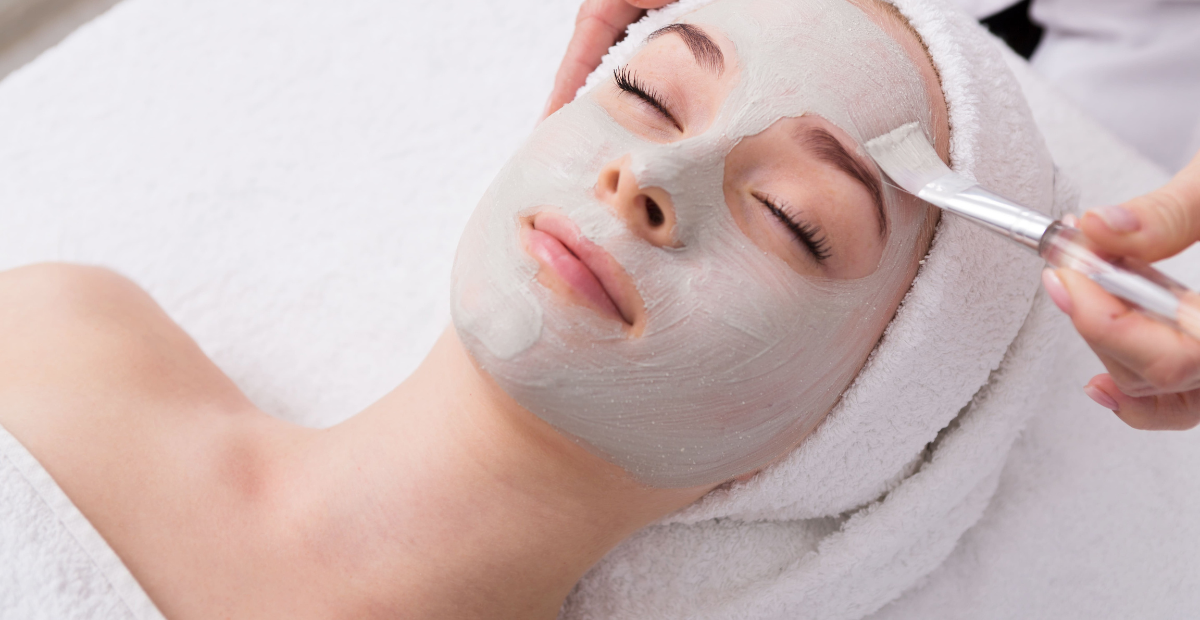
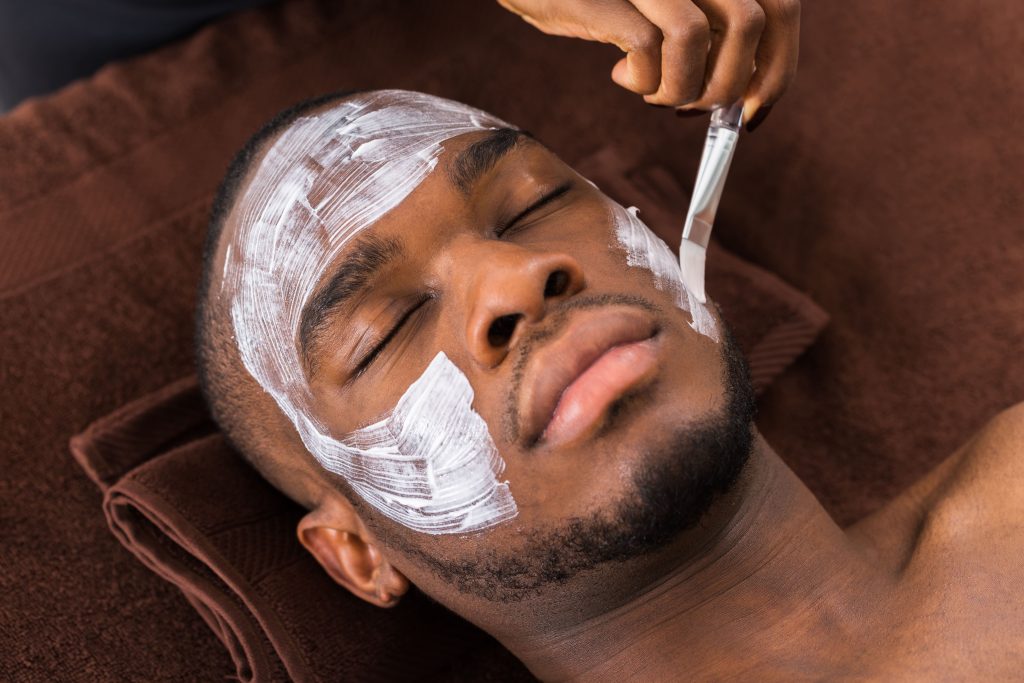
There are two ways to do a chemical peel. The first is a professional treatment performed by a doctor. To start with, your skin will be carefully cleansed to remove excess oil. Then, a specialist will apply a chemical solution, which may include glycolic, trichloroacetic, salicylic, lactic acid, and more. These chemicals create controlled exfoliation, penetrating different layers of the skin.
The second option is doing it yourself at home, without a doctor’s supervision. Chemical products are also used in this case, but there are some important precautions to be aware of. We’ll talk about them a bit later.
What Are the Types of Chemical Peels?
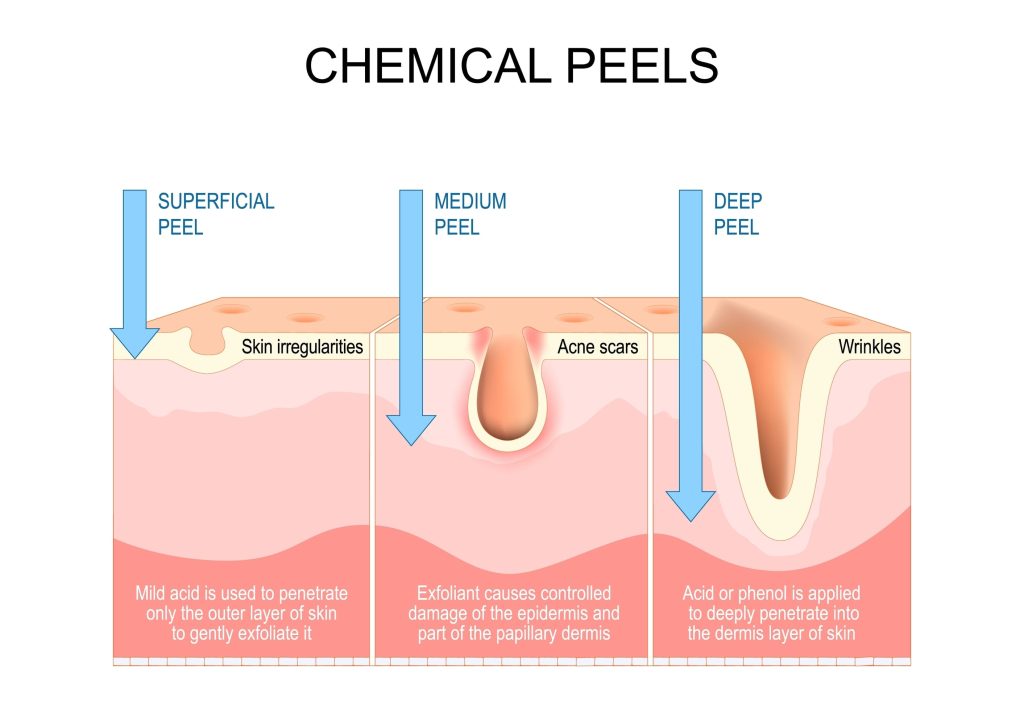
There are three types, each varying in depth and strength.
- Light. With a quick recovery time, light peels provide gentle exfoliation and light penetration. They are great for fighting acne, hyperpigmentation, and uneven texture.
- Medium. These peels go deeper than light ones. They may help reduce scars, even out moderate hyperpigmentation, and minimize signs of UV damage.
- Deep. A deep chemical peel reaches the lower middle layer of the skin, but it also takes more time to recover. It may help those with uneven skin tone, deep wrinkles, and acne scars. However, due to its long-term rehabilitation and significant discomfort during the process, it’s not a popular option. Moreover, a deep chemical peel almost always requires anesthesia.
Benefits of a Chemical Peel
Chemical peels can help with acne, scars, UV damage, and melasma.
Acne Scars
Chemical peels help improve mild-to-moderate acne scars by exfoliating the top layers of skin, which encourages new skin to grow. Some common types of peels include tretinoin peel, salicylic acid, glycolic acid, trichloroacetic acid, lipo-hydroxy acid, and Jessner’s solution (a blend of 14% resorcinol, 14% salicylic acid, and usually 14% lactic acid in ethanol).
Sun-Damaged Skin
Too much sun can leave your skin with wrinkles, dark spots, and rough texture, and can even cause actinic keratoses (scaly patches) on your face, scalp, hands, or arms.
Chemical peels will remove damaged layers and boost collagen production. For instance, glycolic and lactic acids offer gentle exfoliation for mild UV damage, salicylic acid helps with texture and pigmentation, and trichloroacetic acid targets deeper damage.
Melasma
Melasma is a skin condition that leads to dark patches on the face, usually caused by sun exposure. There are several common treatment options available. Salicylic acid works well for darker skin tones.
Trichloroacetic acid is one more option. One study has shown that it works faster and gives better results than glycolic acid, but at the same time, melasma is more likely to come back after TCA treatment.
Another study has also found that using a 20% TCA peel along with 5% ascorbic acid gave better results than just using the TCA peel alone.
How to Do a Chemical Peel on Your Own
First and foremost, it’s always a good idea to consult your dermatologist, especially if you’d like to do the peeling yourself. A specialist will tell you about the options and instruct you on how to do it properly.
The OnSkin app can also assist you here. If you’re in a store choosing a product, simply snap a picture of it in the app, and it’ll provide you with all the information you need—from the safety of its ingredients to whether it matches your current skin issues.
Anyway, before starting the peel, carefully study the instructions for the product, as each has its own unique combination of acids, pH levels, and guidelines. Peeling should be performed no more than once a week, only after thoroughly cleansing the skin, and always on dry skin. Pay attention to the recommended application time and your skin’s reaction. Don’t forget to use sunscreen during the daytime. And always avoid moles while peeling. The same goes for traumatized skin and the delicate skin around the eyes.
It’s always a good idea to do a patch test before using a new product. Apply a tiny amount of product to your skin and wait for two days to check if any issues arise. To be 100% sure, you can wait two days more to check the product for any delayed reactions.
How Soon Will You See Results of a Chemical Peel?
As soon as your skin heals. The recovery time of a procedure done by a professional depends on the type of peel—from just a day for a light one to around two weeks for a medium one.
At-home chemical peels are usually gentler and target mild skin issues. That’s why recovery usually takes less time.
What Are the Side Effects of a Chemical Peel?
Chemical peels are usually safe, especially when done by a professional. But some side effects still can happen:
- Redness that can last for months.
- Temporary dark spots.
- Lighter skin tone, especially with deeper peels.
- Scarring (very rare when the peeling is performed by a dermatologist).
More serious issues can happen if you don’t take care of your skin after the peel. Your risk of infection or scarring goes up if you:
- Don’t protect your skin from the sun;
- Skip proper wound care;
- Pick at your skin;
- Wear makeup before your skin fully heals;
- Use tanning beds or indoor tanning.
In a Nutshell
To sum it up, chemical peels are effective skincare treatments that can help with post-acne scars, sun damage, and melasma. You can get the procedure done by a doctor or do it yourself at home using peeling skincare products.
If you choose to do it yourself, carefully read and follow the instructions each time, as products vary in ingredients and pH levels, which can affect the process. For the safest and best results, always consult a doctor beforehand. No one can explain your options and guide you better than a specialist.
And don’t forget to install OnSkin to quickly access its ingredients safety checker. It’s helpful not just for peeling products but for all your skincare needs and issues.


-
1.
Chemical Peels for Skin Resurfacing. (2023). https://www.ncbi.nlm.nih.gov/books/NBK547752/
-
2.
Evidence and considerations in the application of chemical peels in skin disorders and aesthetic resurfacing. (2010). https://pmc.ncbi.nlm.nih.gov/articles/PMC2921757/