
What Foods Have Collagen? From Chicken Soup to Citrus, Here’s What Really Works

Your guides through the skincare chaos
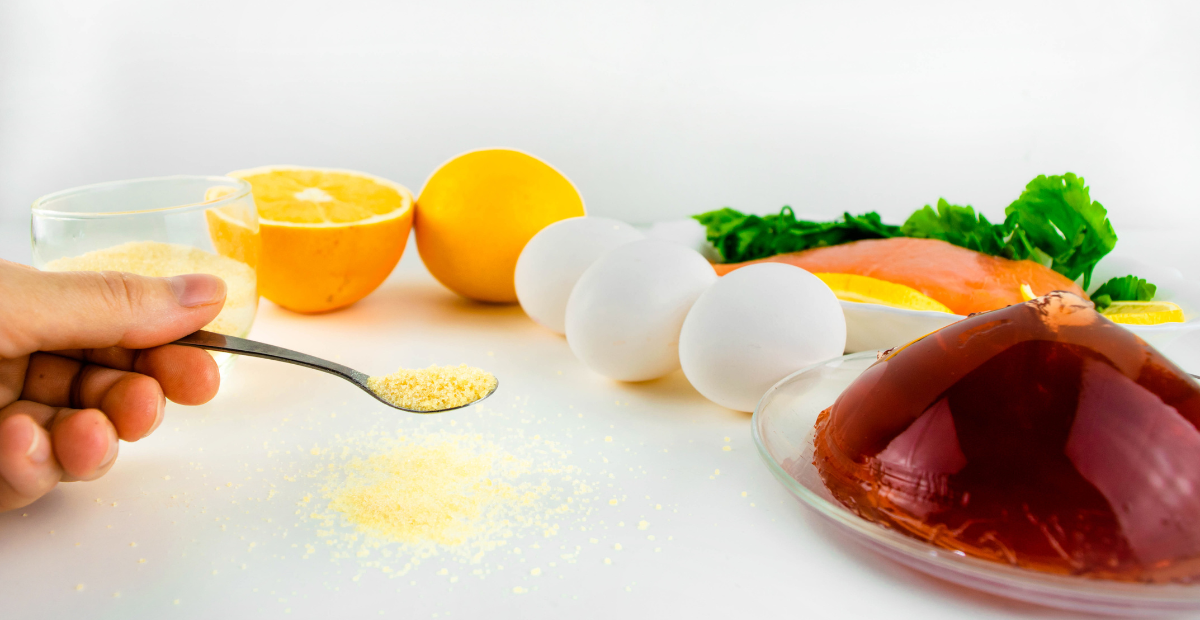
Collagen has become the star of skincare—and for good reason. It keeps our skin smooth and elastic, joints flexible, and bones resilient. However, as we age, our natural collagen production declines. But how can we slow down that process? The answer might surprise you: beauty really does begin in the kitchen! So, what foods have collagen, and how can we help our bodies make more of it naturally?
Here’s a guide to collagen-rich foods and foods that boost collagen production, all backed by science. So pull up a chair and let’s dig in.
What Is Collagen?
Collagen makes up the largest share of proteins in your body. It’s basically the glue that holds everything together. It gives structure and strength to skin, bones, muscles, tendons, and cartilage.
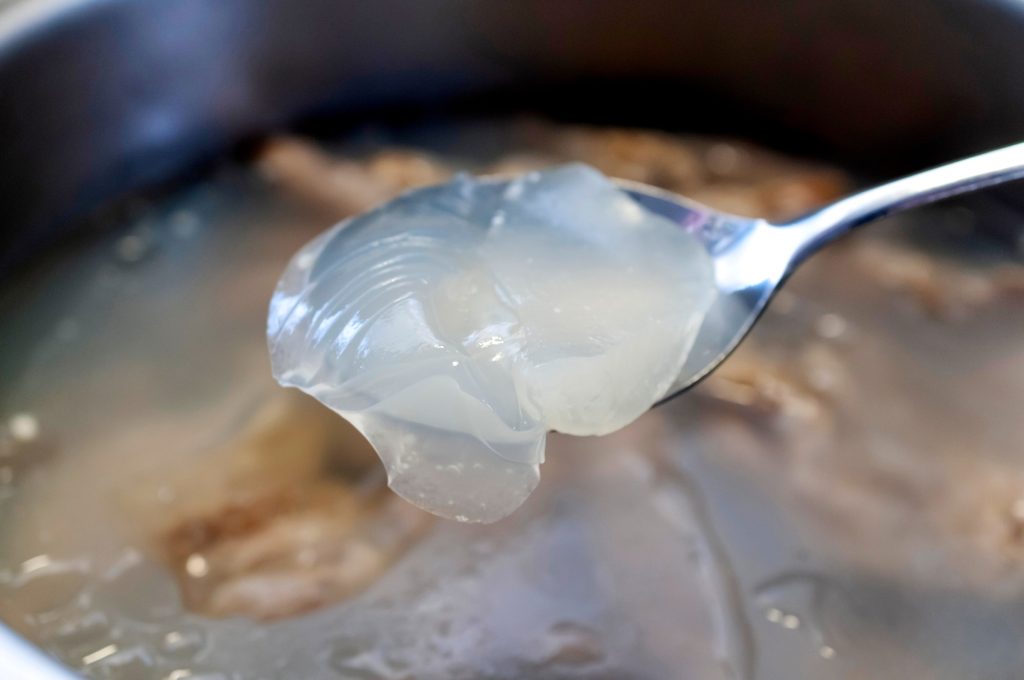
As The Nutrition Source explains, collagen keeps tissues resilient and helps them stretch without breaking. Unfortunately, production naturally declines with age—especially if you spend too much time in the sun, smoke, drink, or skip sleep. That’s when skin, in particular, starts losing its firmness and elasticity, leading to more wrinkles and fine lines.
Is Collagen Good for Skin?
Yes—and the science backs it up. A 2023 meta-analysis that reviewed 26 studies with over 1,700 participants found that taking collagen (particularly hydrolyzed collagen) significantly improved skin hydration and elasticity compared with a placebo.
But here’s the good news: you don’t have to rely on supplements alone. You can support your glow from the inside out by eating foods that boost collagen, like chicken, fish, and vitamin C–rich fruits, and more on that below.
And to care for your skin on the outside, you can use OnSkin to find safe skincare products that truly match your skin type.
Other Collagen Benefits

Collagen doesn’t just enhance beauty—it supports overall health. Here’s what increasing collagen foods in your diet can do:
- Support joint health: Collagen cushions and strengthens cartilage, easing joint pain.
- Help build muscle: It provides amino acids that support creatine production for workouts.
- Improve bone strength: Collagen makes up much of your bone matrix, keeping it dense and resilient.
In short, collagen doesn’t just help you look good—it helps you feel good, too. So, it’s important to know what foods have collagen and help your body produce it naturally.
What Foods Have Collagen?
Let’s break it down: some foods contain collagen (because it’s found in animal connective tissue), while others help your body produce collagen naturally.
Here’s your ultimate guide to foods that contain collagen and foods that boost collagen—both essential for youthful, healthy skin.
1. Bone Broth
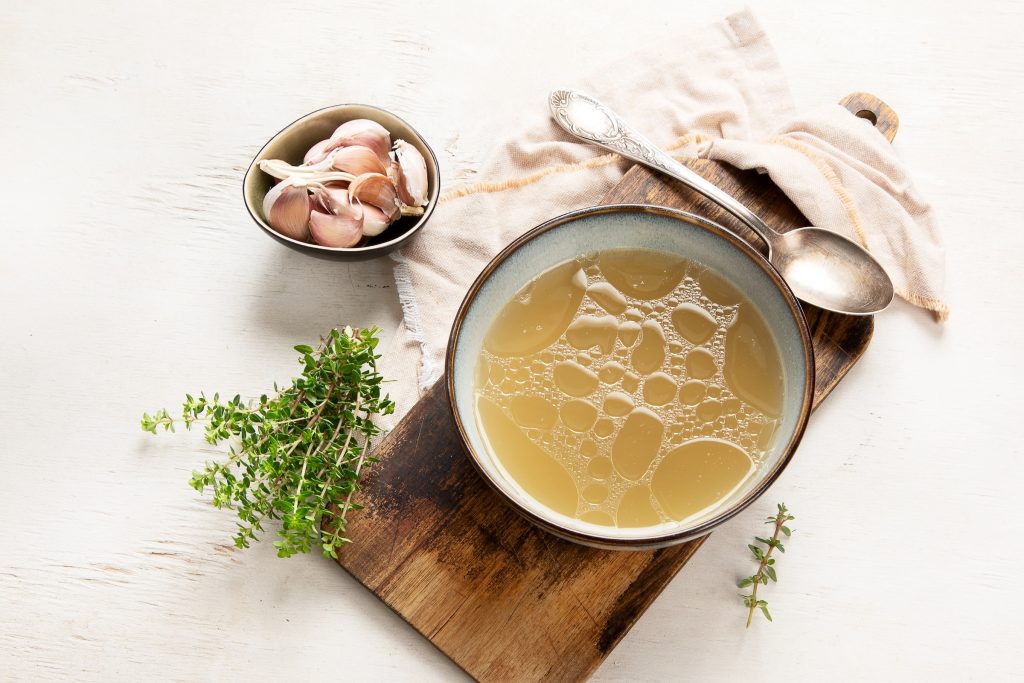
Bone broth is made by simmering animal bones in water for several hours, which extracts collagen, amino acids, and minerals. It’s long been valued for its comforting flavor and potential health benefits.
However, a 2019 study found that bone broth isn’t a reliable or strong source of collagen-building nutrients compared to collagen supplements. The study tested different bone broths to see how much collagen-related amino acids they contain. Results showed that bone broth has far fewer key amino acids (like glycine and proline) than collagen supplements and that the amounts vary a lot depending on the recipe.
Still, bone broth stays a comforting, nutrient-dense drink that can be part of your collagen-supporting routine—especially when made with high-quality bones from a trusted butcher.
2. Chicken
Chicken is one of the richest collagen food sources. Its skin, bones, and connective tissues are particularly high in type II collagen, which supports joint and skin health.
Researchers found that collagen peptides from chicken bones can help slow skin aging caused by UV light and other damage. In tests on mice, these peptides reduced skin damage and inflammation, increased collagen production, and helped keep the skin firm and healthy. This means chicken collagen could be a natural way to support youthful skin.
Tip: Opt for darker cuts (like thighs) or use the bones for broth to get the most collagen benefits.
3. Fish and Shellfish
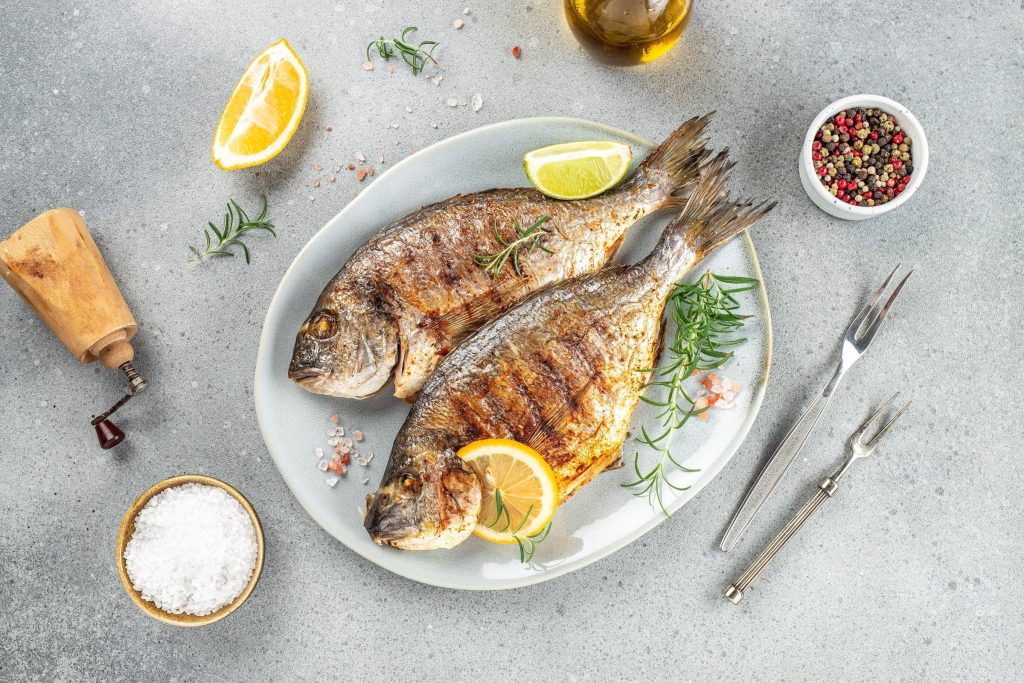
Meet marine collagen—it’s one of the best foods that contain collagen and the ocean’s anti-aging secret. Found in fish skin and scales, it’s especially well-absorbed by the body.
Here’s the proof. A review published in Marine Drugs found that collagen from marine sources aids in wound healing, reduces signs of skin aging, and supports bone health.
Fish heads, scales, and skin are richest in collagen, though regular fish and shellfish meals additionally bring you omega-3 fatty acids, which are one of the nutrients your skin loves.
4. Eggs
So, do eggs have collagen? Not exactly—but they do contain the amino acids your body uses to make it. Egg whites are rich in proline, an essential building block for collagen synthesis, while the yolk adds vitamins that support healthy skin and tissue repair.
Scramble, poach, or throw them in a power bowl—they’re a simple and effective collagen-supporting staple.
5. Citrus Fruits
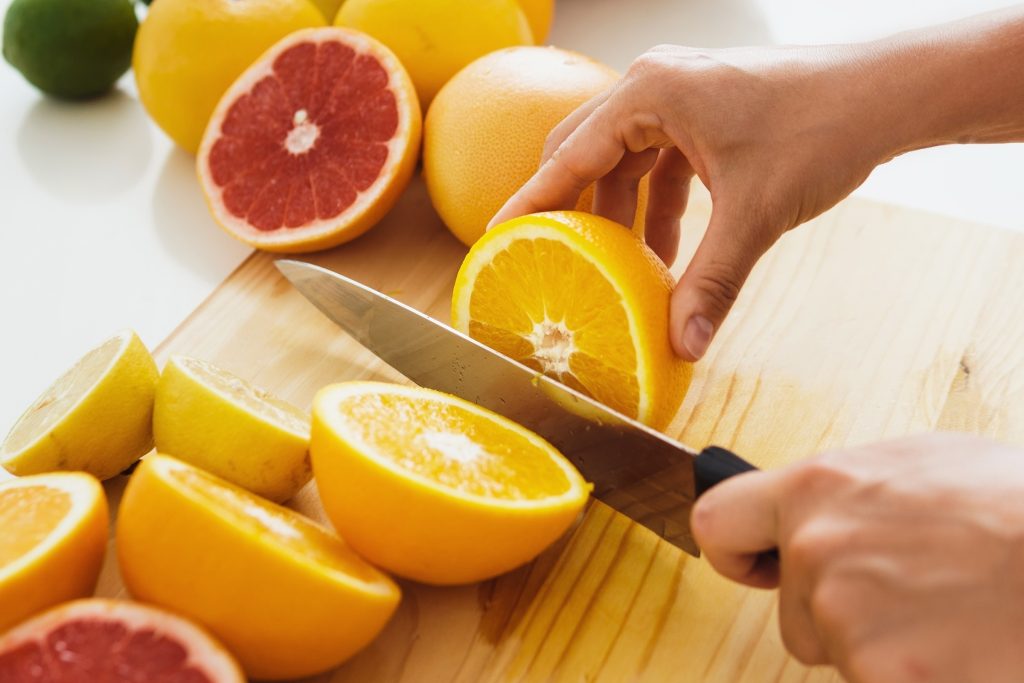
Citrus fruits such as oranges, grapefruits, and lemons are classic collagen-boosting foods. They’re packed with vitamin C, a key nutrient your body needs to synthesize collagen. Vitamin C stabilizes collagen molecules and promotes the production of new fibers, keeping skin firm and resilient.
And while vitamin C in skincare products is a real superstar, research still isn’t clear on whether topical application is more effective than getting it through your diet for collagen support and overall skin health.
The best approach? Choose both. Stock up on citrus for your meals or morning smoothies, and pair that with a safe, well-formulated serum or moisturizer—the OnSkin app can help you check all your candidates.
6. Berries
Berries are another vitamin C powerhouse—plus, they’re rich in antioxidants that protect collagen from damage. They help protect existing collagen from oxidative damage caused by UV rays and pollution, making them an ideal part of a collagen-rich diet for skin.
Other Collagen-Boosting Foods
Already got your favorites, but curious about what foods have collagen beyond the basics? Here are a few more everyday options that help your body make collagen and protect itself naturally:
- Garlic: Contains sulfur, which helps synthesize and prevent the breakdown of collagen.
- Cashews: Provide copper and zinc—two minerals vital for collagen and elastin formation.
- Oysters: High in zinc and amino acids like glycine and proline that help build collagen naturally.
- Pork rinds: Made from pig skin, they’re a direct source of collagen (in gelatin form) and glycine.
Feed Your Glow
At the end of the day, your skin is a reflection of how you nourish yourself. Collagen isn’t just about beauty—it’s about strength, vitality, and resilience.
So yes, you can eat your way to better collagen. Once you know what foods have collagen, you’ll see that everything from a steaming bowl of chicken soup to a handful of berries or a perfectly poached egg can help your skin glow from within.
Because real beauty starts on your plate.


-
1.
Collagen. (2021.) https://nutritionsource.hsph.harvard.edu/collagen/
-
2.
Effects of oral collagen for skin anti-aging: A systematic review and meta-analysis. (2023.) https://pmc.ncbi.nlm.nih.gov/articles/PMC10180699/
-
3.
Collagen peptide supplementation in combination with resistance training improves body composition and increases muscle strength in elderly sarcopenic men: a randomised controlled trial. (2015.) https://www.cambridge.org/core/journals/british-journal-of-nutrition/article/collagen-peptide-supplementation-in-combination-with-resistance-training-improves-body-composition-and-increases-muscle-strength-in-elderly-sarcopenic-men-a-randomised-controlled-trial/9426E375742D094F91029FD0364815C4
-
4.
Biological effect of hydrolyzed collagen on bone metabolism. (2015.) https://www.tandfonline.com/doi/full/10.1080/10408398.2015.1038377
-
5.
Bone broth unlikely to provide reliable concentrations of collagen precursors compared with supplemental sources of collagen used in collagen research. (2019.) https://pubmed.ncbi.nlm.nih.gov/29893587/
-
6.
Oral intake of chicken bone collagen peptides anti-skin aging in mice by regulating collagen degradation and synthesis, inhibiting inflammation and activating lysosomes. (2022.) https://pmc.ncbi.nlm.nih.gov/articles/PMC9032939/
-
7.
Marine collagen: a promising biomaterial for wound healing, skin anti-aging, and bone regeneration. (2022.) https://www.mdpi.com/1660-3397/20/1/61
-
8.
Protein and amino acid content in four brands of commercial table eggs in retail markets in relation to human requirements. (2020.) https://pmc.ncbi.nlm.nih.gov/articles/PMC7142600/
-
9.
The roles of vitamin C in skin health. (2017.) https://www.mdpi.com/2072-6643/9/8/866