The Ultimate Guide to Dimethicone: Benefits, Uses, and Myths

Your guides through the skincare chaos
You know that feeling when your skin is acting all moody, makeup just doesn’t sit right, and your hair is one humidity spike away from a frizz rebellion? Well, it turns out the answer might be a sneaky little ingredient that’s already living in your favorite products: dimethicone. Let’s take a deep dive into what dimethicone in skin care does and why it’s such a popular ingredient.
What Is Dimethicone?
So, first things first: what is dimethicone exactly? Well, it’s a type of silicone, which you can find in a lot of beauty products. It’s what gives your primer that velvety feel and helps your foundation glide like a dream. Dimethicone is a non-soluble silicone, meaning it doesn’t dissolve in water and tends to stick around until you wash it off.
Silicones, in general, are a broad family of synthetic compounds derived from silica (a naturally occurring mineral). In the ingredient lists, you’ll recognize them by names that end in “-cone,” “-conol,” “-silane,” or “-siloxane.”
These ingredients are super handy in cosmetics because they give products a silky smooth texture and help lock in moisture. Dimethicone does this well—it forms a barrier on your skin, keeping hydration in without being greasy.
Plus, it’s considered non-comedogenic, so it won’t clog your pores. And you’ll find it in everything from moisturizers to makeup and hair serums, adding that soft, smooth finish we all love.
How It Works
Dimethicone creates an invisible film on your skin. This film retains moisture and keeps the good stuff (like active ingredients) from escaping.
But here’s the catch. If your product doesn’t have any active ingredients underneath, you’re basically just sealing in… nothing. It’s like wrapping an empty box. That’s why dimethicone in skin care works best in formulas with ingredients that do something, like hyaluronic acid or various emollients.
Want help figuring out if your product has the right stuff? OnSkin can decode ingredient lists for your skin type, so you’re not guessing in the beauty aisle.
What Does Dimethicone Actually Do?

So why does dimethicone show up in your fave primer, foundation, or moisturizer? Because it’s a multitasking icon. Here’s what it does:
1. Forms a barrier. It sits on top of your skin like an invisible shield. Not to lock things out, but to keep good stuff in.
2. Keeps moisture in. That barrier prevents water from evaporating, helping your skin stay hydrated longer.
3. Improves texture. Feels velvety, makes skin look smooth, fills in fine lines and pores, and helps makeup glide like a dream.
Is Dimethicone Safe?
Yep, dimethicone is a silicone, but that’s not a red flag. It’s hypoallergenic and non-comedogenic, meaning it won’t clog pores.
That said, some people with oily or acne-prone skin say it feels heavy or causes buildup. It’s not universal, but it’s a vibe check you should trust. Listen to your face!
The only real downside is for the planet. Some silicones don’t break down easily in water, and once they enter wastewater systems, they can persist in the environment. So, it’s worth being mindful of the types of silicones used, especially in products that may be rinsed off or washed away.
What Skin Types Love It—and What Don’t
❤️ Dry skin? You’ll probably love dimethicone. It helps lock in moisture and smooth rough texture, especially in colder months or dry climates.
🤔 Oily and combo skin? Maybe not. Since it forms a film, it can feel too heavy—your skin already produces a lot of oil, which can build up underneath. You might prefer more breathable, lightweight products. What’s even more important is to make sure your product is non-comedogenic. To avoid clogged pores and breakouts, check out this guide to comedogenic ingredients first.
🧴 Skin with eczema or a damaged barrier? Even better. Dimethicone can be a helpful ally for atopic or eczema-prone skin, as it helps protect and reinforce a compromised barrier. When used in combination with emollients (including moisturizing natural oils, squalane, triglycerides, ceramides, and fatty alcohols), it can trap moisture and support skin repair.
🤷♀️ Important note. If you’re using a product that’s just dimethicone and no hydrating or active ingredients… Again, it’s the “empty box” situation. Nothing to lock in means no real benefit. Always look for a formula that has something worth sealing under that protective layer.
Where You’ll Find Dimethicone
Moisturizers and creams. You’ll spot dimethicone in moisturizers and soothing creams. A dimethicone cream acts like a moisture shield, sealing in hydration and smoothing rough patches.
Serums. Especially the kind that promises hydration or anti-aging benefits. Dimethicone locks in the good stuff and gives the formula a silky texture.
Makeup primers and foundations. Here, dimethicone is working overtime. It fills in fine lines and uneven texture, so your foundation applies smoother and wears longer. Think filter-like finish IRL.
Concealers and color cosmetics. Helps makeup sit better, blend more evenly, and not crease. In color cosmetics, it literally fills tiny gaps for a more even application.
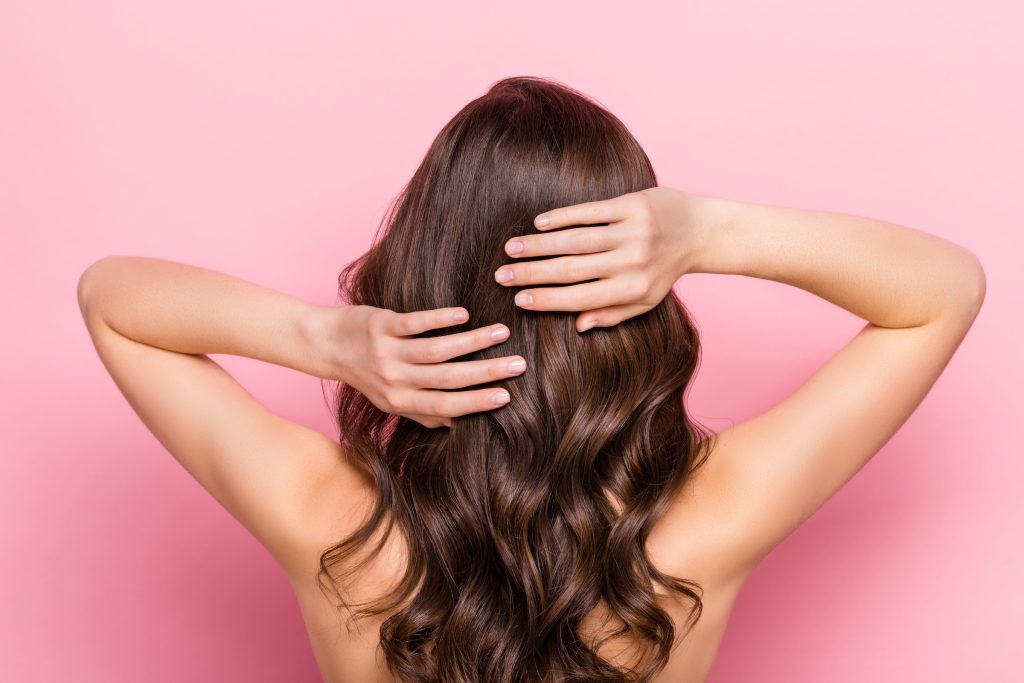
Hair сare products. From conditioners to leave-ins and serums, dimethicone coats hair strands to reduce frizz, add shine, and protect from heat styling. It’s especially popular in products that promise sleek, glassy locks.
Final Thoughts
Dimethicone isn’t some shady ingredient hiding in your skincare. It’s a legit game-changer—when used right. It can hydrate, smooth, protect, and perfect. But like any skincare star, it works best when it’s paired with the right co-stars (hello, humectants and actives!).
So next time you see dimethicone in skin care, check what else is in the formula. If it’s got the goods, dimethicone will help seal the deal—literally.
Now go forth and decode those labels like a skincare detective.


-
1.
Silicone in dermatology: an update. (2023). https://pmc.ncbi.nlm.nih.gov/articles/PMC10298615/
-
2.
Silicones in cosmetics and their impact on the environment. (2021). https://cosmethicallyactive.com/wp-content/uploads/2022/01/Silicones-in-cosmetics-and-their-impact-on-the-environment.pdf