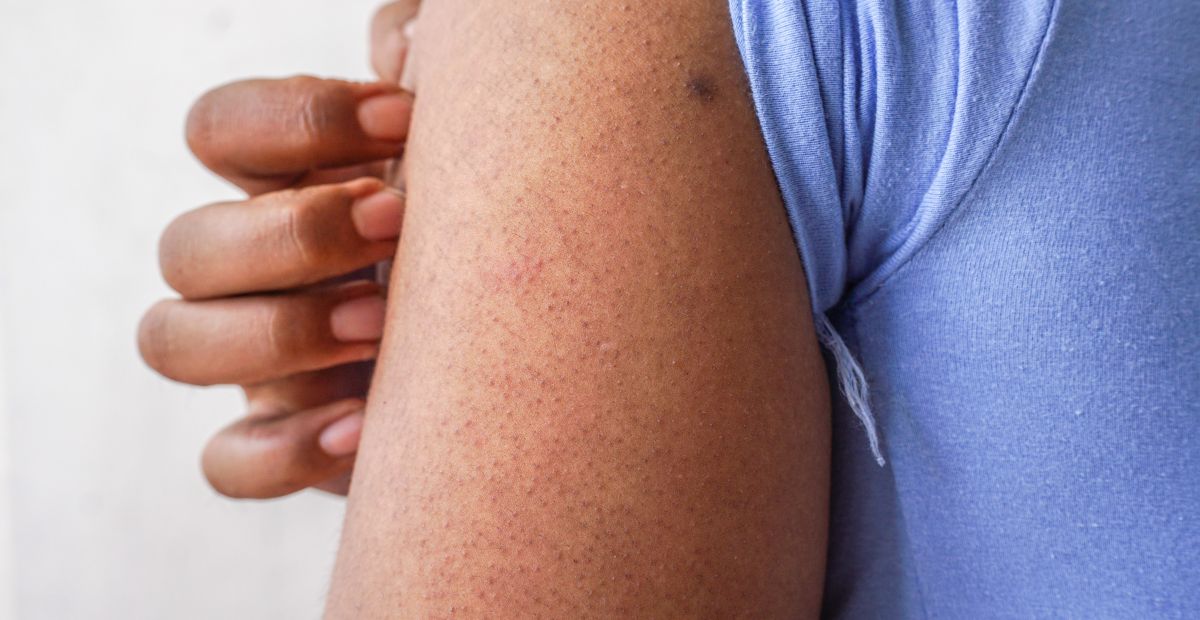
Sunburn Relief: What to Do When the Sun Hits Back

Your guides through the skincare chaos
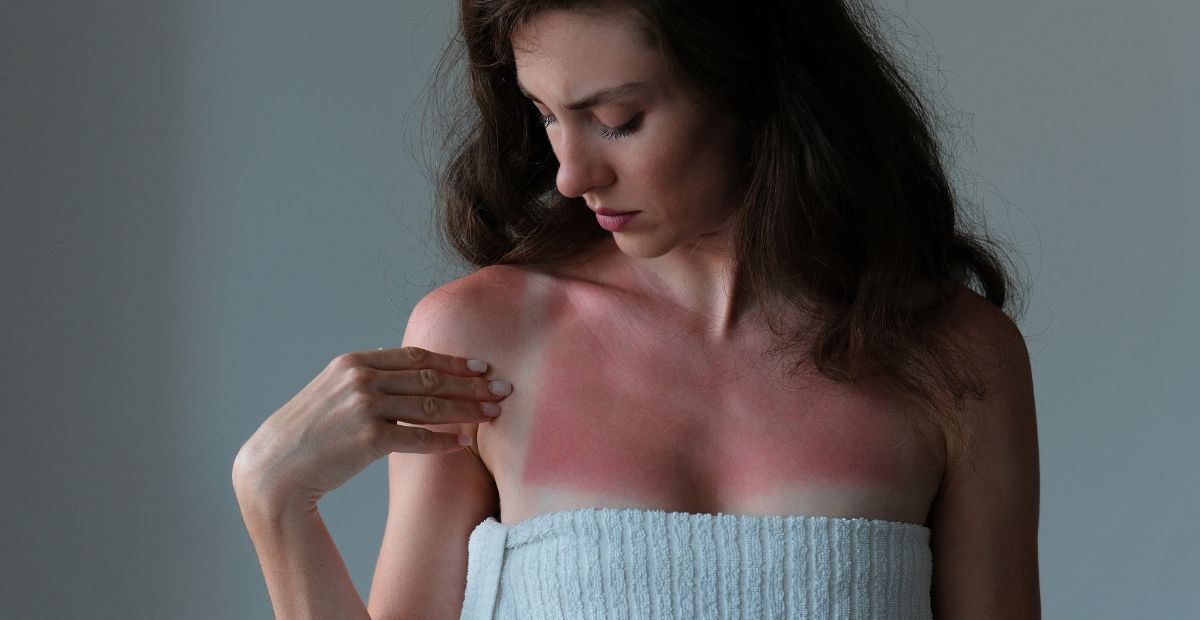
Too much sun, not enough SPF—and suddenly the skin is red, tight, and burning. It only takes a few hours for the damage to show up, but with the right care, healing can begin just as quickly. This guide breaks down the tricks for fast and effective sunburn relief, as well as how to prevent it from happening again.
Why Skin Protection Matters
Before we dive into recovery mode, let’s quickly rewind to why this happens.
Sunburn is your skin’s reaction to excessive exposure to ultraviolet (UV) radiation, primarily UVB rays. While UVA rays are responsible for photoaging, UVB rays cause the red, painful burn. Both increase the risk of skin cancer, so sun protection is about more than just your comfort.
What helps? Daily SPF and reapplying it every two hours. Select a broad-spectrum sunscreen with SPF 30 or higher. “Broad-spectrum” means it protects against both UVA and UVB rays. The SPF number, in turn, shows how well a sunscreen guards against sunburning rays (this SPF guide will break down the topic in detail).
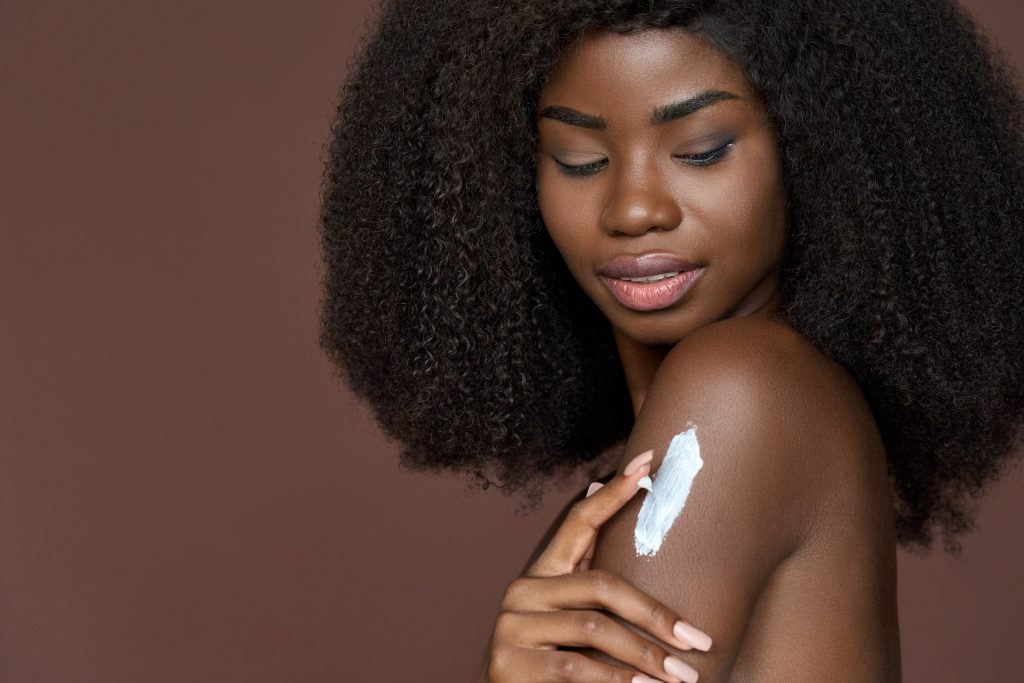
Be familiar with what’s in your sunscreen. Prefer something gentle? Mineral sunscreens with zinc oxide or titanium dioxide are ideal for sensitive skin. Want a formula that is lightweight and invisible under makeup? Look for newer chemical filters like Tinosorb S or Mexoryl SX.
Pro tip. Use OnSkin, which tells exactly what’s inside your bottle and helps you choose the perfect fit for your skin type and conditions.
Now let’s talk about how to treat sunburn—step by step.
Cool Down the Burn
The moment you realize you’re sunburned, act quickly. The first step in sunburn relief? Cool it down. The faster you cool the skin, the more damage you might prevent.
Start with a cool (not ice-cold) shower or a bath. If you’re taking a bath, add about 2 ounces (60 grams) of baking soda as an extra sunburn remedy. A colloidal oatmeal bath can be another sunburn relief to ease your discomfort.
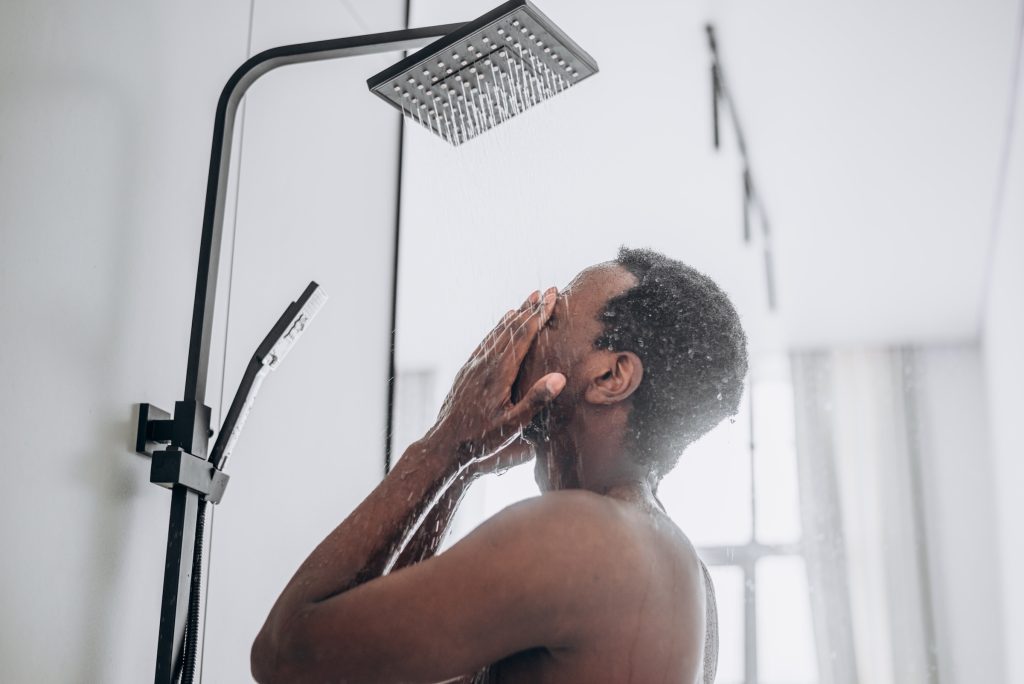
Cool your skin for about 10 minutes a few times a day. Every time, gently pat yourself dry with a soft towel. Additionally, you can apply a cool, damp cloth to the burn in 10–15-minute sessions.
Main advice here: avoid hot water—it’ll only irritate your skin more.
Also, skip soap or shower gels that could strip away moisture. Right now, your skin needs gentle care, not aggressive cleansing.
Rehydrate From the Inside
Sunburn doesn’t just damage the skin—it dehydrates it.

Drink water. Then drink more. Coconut water, herbal teas, and electrolyte-rich drinks are great, too. You want to replenish all that lost fluid because your body is sending extra water to the skin’s surface to deal with inflammation.
Keeping your internal hydration levels up is one of the simplest and most effective sunburn relief steps.
Take the Meds
If your skin is sore or inflamed, over-the-counter pain relievers like ibuprofen or acetaminophen can reduce swelling. For some, a topical pain-relieving gel may offer relief, too (but read the label first). And consult with your doctor if you have any hesitations.
This isn’t about toughing it out. The goal is to feel better and help your body recover, and give sunburn treatment when needed.
Use a Soothing Moisturizer
A good moisturizer helps lock in hydration and supports the healing process. The American Academy of Dermatology (AAD) recommends looking for products with aloe vera or soy—both are known for their calming and soothing effects. For added comfort, store your moisturizer in the fridge.
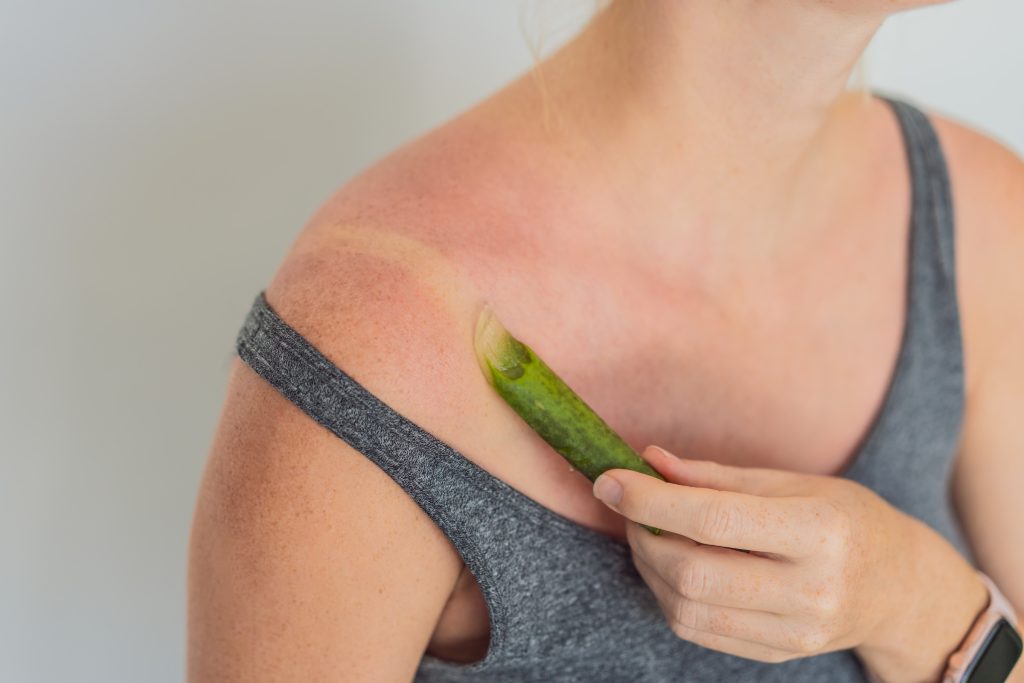
At the same time, avoid anything with alcohol or synthetic fragrance. These can dry out or irritate your skin further, and not help with sunburn relief.
Not sure if your go-to lotion is a match? Use OnSkin to scan the label. It’ll analyze the ingredients and show whether the product suits your skin type and concerns.
Leave Sunburn Blisters Alone
If sunburn blisters appear, it means your burn is more serious—a second-degree burn. That bubble is your skin’s natural bandage, helping your skin heal and protect you from infection.
Leave it alone. Don’t pick, scratch, or pop it. Instead, apply petroleum jelly to protect blisters while they heal.
If a blister breaks on its own, clean the area gently with mild soap and water, then cover with a sterile, nonstick bandage.
When It’s Time to See a Doctor
Most sunburns heal at home with proper care. But sometimes, things escalate. If you’re experiencing intense symptoms, it’s time to seek medical help.
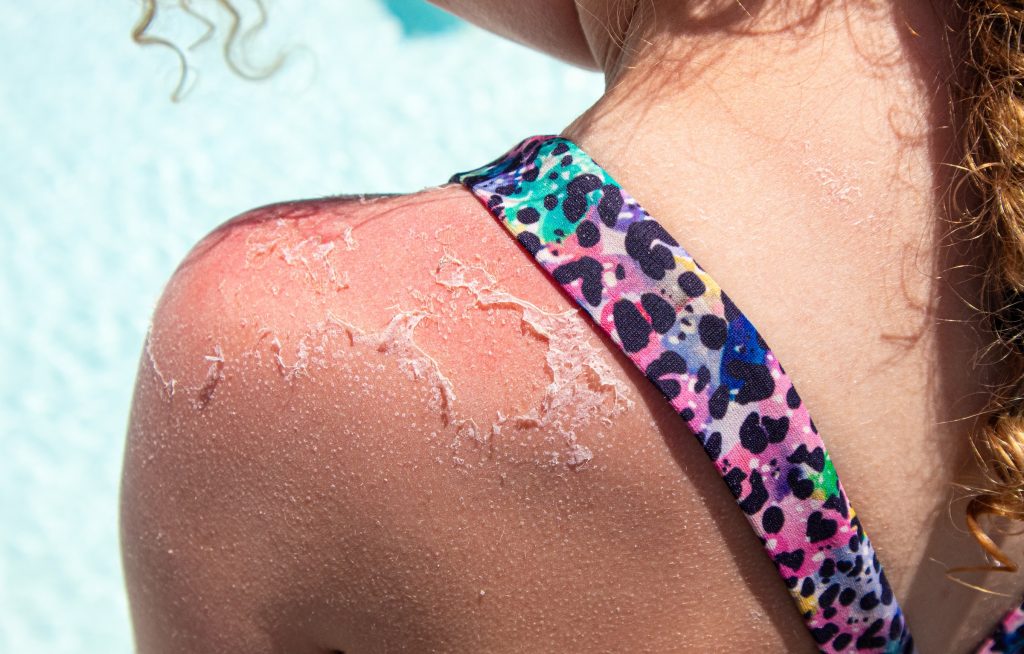
Get checked if your sunburn includes large blisters or blisters on the face, hands, or genitals. Also, contact a healthcare provider if you experience worsening pain, fever, chills, nausea, vomiting, headache, or signs of infection such as swelling, pus, or red streaks near a blister.
These are not just discomforts—they can signal deeper issues that require professional treatment.
Final Thoughts
Sunburn isn’t just a cosmetic issue, but skin damage. And while it can happen to anyone, how you respond makes all the difference.
Focus on cooling the burn, staying hydrated, soothing with the right moisturizer, and resisting the urge to poke or peel. Keep an eye out for warning signs that call for medical attention. And above all, take what you’ve learned into your next sunny outing.
Because the best sunburn relief is never needing it in the first place. But if you do? Now you know exactly how to get rid of sunburn fast—and heal like a pro.


-
1.
How to treat sunburn. Dermatologist sunburn tips https://www.aad.org/public/everyday-care/injured-skin/burns/treat-sunburn
-
2.
First aid. Sunburn https://www.mayoclinic.org/first-aid/first-aid-sunburn/basics/art-20056643