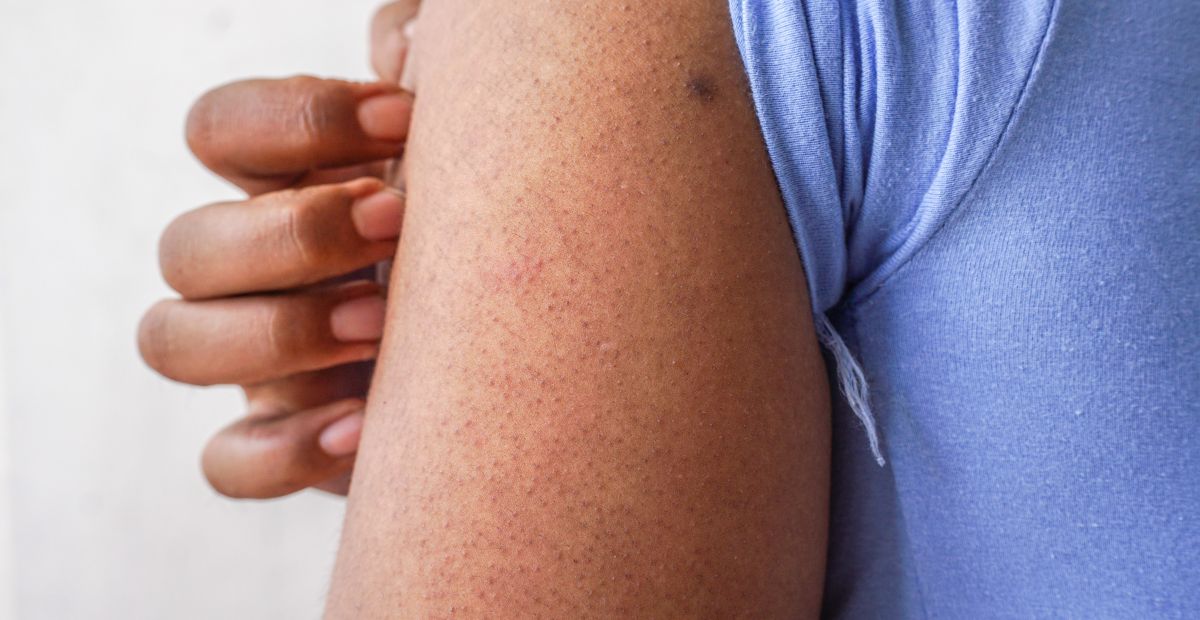
Rambutan: The Surprising Skin Care Benefits You Need to Know

Your guides through the skincare chaos
Exotic rambutan fruit isn’t just delicious but also commonly used in skincare. Rich in antioxidants, vitamins, and collagen-boosting properties, it’s becoming a top shelf ingredient for improving skin elasticity, hydration, and protection against aging. Whether you’re looking for a gentler alternative to retinol or a natural way to enhance sun protection, rambutan might just be the ingredient you’ve been searching for. Read on to explore its incredible benefits and how it can transform your routine!
What Is Rambutan?
Rambutan, scientifically known as Nephelium lappaceum, is a medium-sized tropical tree that grows in Southeast Asia. Its fruit is easily recognizable by its bright red, spiky appearance that resembles a small, thorny ball.
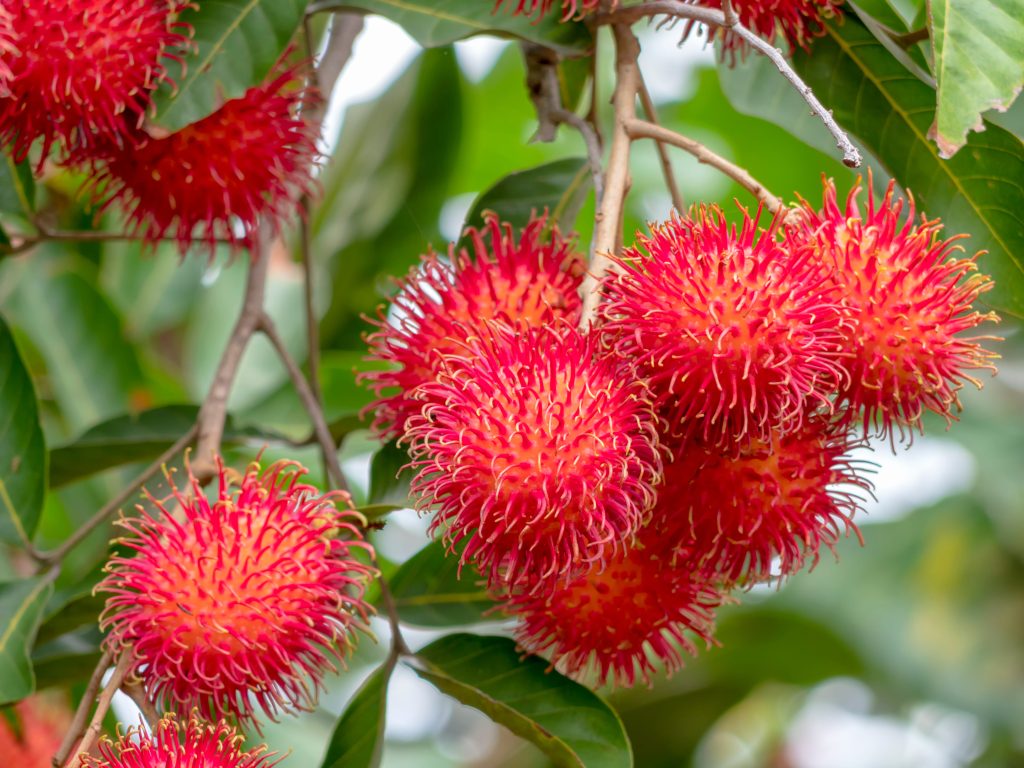
In skincare products, rambutan is typically listed as Nephelium lappaceum seed extract, leaf extract, or peel extract, depending on which part of the plant is used.
What Are the Benefits of Rambutan in Skincare?
Since the earliest times, plants have been respected not only for their medicinal properties but also for skincare. Some of them offer particularly remarkable benefits for skin health.
Rambutan is loaded with minerals, antioxidants, fiber, and vitamins. It’s a good source of natural sugars, calcium, magnesium, potassium, fiber, vitamin C, and several other B vitamins.
To be more specific,
It’s a potent antioxidant
Scientists say that rambutan extract, which contains ellagitannin, is as powerful as vitamin C in protecting the skin from free radicals. These are unstable molecules that possess an unpaired electron, which causes them to steal electrons from other molecules and initiate oxidation. Over time, this process accelerates skin aging, contributing to wrinkles and atypical pigmentation.
It stimulates collagen production
Collagen is a fibrous protein that acts as a primary element of connective tissue in our bodies. It gives the skin both strength and flexibility.
As we grow older, our skin naturally thins, leading to a decline in collagen production. It leads to a loss of elasticity and resilience in the skin, which ultimately causes wrinkles. Such factors as an unhealthy lifestyle, inadequate nutrition, and deficiencies in essential nutrients can all negatively impact collagen production.
All extracts of rambutan, at a concentration of 0.1 mg/mL, stimulate collagen biosynthesis, as demonstrated by the Sirius Red method (a standard diagnostic stain used to detect collagen fibers in tissue samples). The extracts taken from the leaves and branches showed the highest increase in collagen production. However, this result is still lower than the standard vitamin C (L-ascorbic acid) approximately by fifty percent. To cut the story short, it means that rambutan can promote collagen production, but it isn’t as effective as L-ascorbic acid.
If you’d like to learn more about the benefits of vitamin C for your skin, don’t hesitate to check our article on this ingredient.
Rambutan can boost your sun protection
To understand how rambutan can enhance sunscreen, let’s plunge into the basics first. Protection against harmful UV radiation is an important step in skincare to prevent aging and skin cancer. Sunscreens achieve this by incorporating active ingredients, which can be either organic or inorganic filters.
Inorganic filters (titanium dioxide and zinc oxide) protect the skin by reflecting or scattering UV radiation. Organic filters (like Tinosorb M and Octinoxate) work by absorbing high-energy photons from UV radiation. When these molecules absorb energy, they become excited and then release the energy as harmless heat or light at a safe wavelength. In simple words, this helps protect the skin from the damage caused by UV rays.
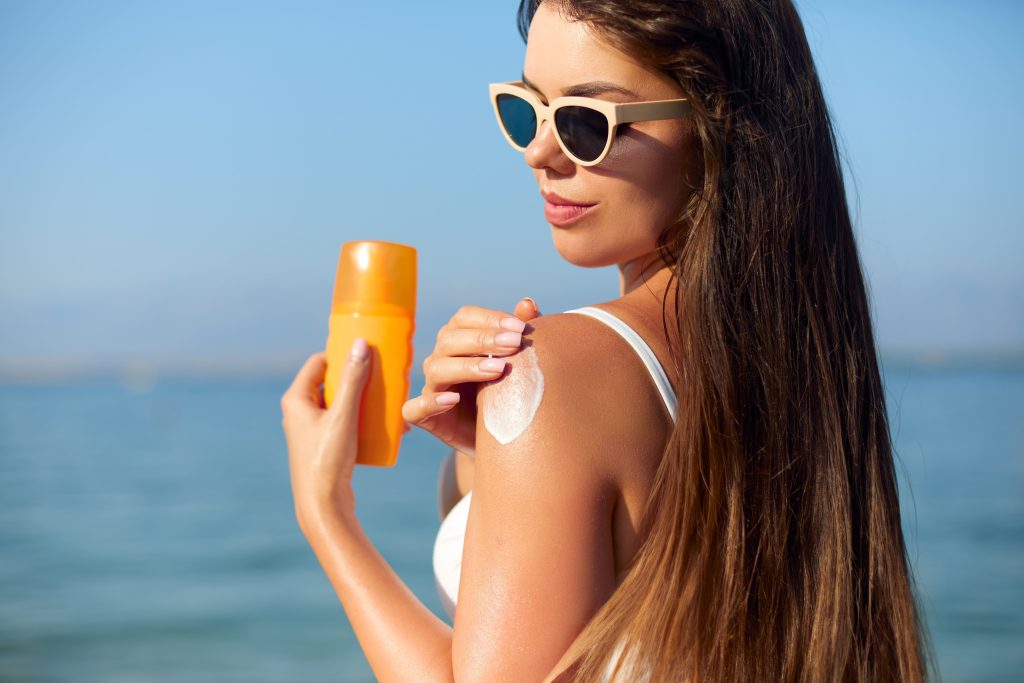
One study has shown that the peel (exocarp) of rambutan fruit contains a high concentration of substances with potential photoprotective properties. Adding 1.00% rambutan extract to a sunscreen formulation containing 7.5% ethylhexyl methoxycinnamate (EHMC) increased its photoprotective efficiency by 134%. Rambutan extract could potentially reduce the need for synthetic photoprotectors by approximately 64%, while still achieving an SPF of 26.3—a value close to the recommended SPF of 30 for effective sun protection. Moreover, adding rambutan extract to sunscreen formulations at a 1.00% concentration may help reduce the risk of harmful effects associated with synthetic ingredients.
So, what does it all mean in the end?
All considered, rambutan extract can improve sunscreen formulations while reducing the need for higher concentrations of organic filters, some of which may cause skin irritation, allergic reactions, or other adverse effects on the body.
If you don’t want to plunge into the whole world of ingredients, concentrations, and scientific studies, you can use the OnSkin app. It’ll analyze the formula of the product, tell you everything about its pros and cons, and check the compatibility with your skin type. All you need to do is snap a photo of the product or its barcode, and the app will do the rest.
It moisturizes the skin
Nephelium lappaceum oil contains high levels of very-long-chain fatty acids, which are known for their exceptional emollient and moisturizing properties. Scientific studies confirm that triglycerides (a type of fat found in your blood) containing these fatty acids effectively nourish and hydrate the skin, making them a valuable ingredient in skincare products.
Why Is Rambutan Often Compared to Retinol?
Retinol, a derivative of vitamin A, is famous for its powerful skincare benefits. It rejuvenates the skin, stimulates collagen production, fights acne, reduces pigmentation, and evens skin tone. However, it also has its drawbacks.
In skincare, in addition to retinol, you can also meet other forms of over-the-counter retinoids, such as Retinyl Linoleate, Retinyl Palmitate, Retinal, and more. The effectiveness of these retinoids depends on their form and concentration in the product you’re using.
As far as drawbacks are concerned, over-the-counter retinoids are not recommended during pregnancy or breastfeeding and can sometimes cause side effects like dryness, peeling, irritation, and even retinoid dermatitis.
This is where rambutan comes in as a gentler alternative. It can’t fully replicate the strength and effectiveness of retinol but offers a softer option. It is generally regarded as safe for use during pregnancy and breastfeeding, making it a good choice for those seeking milder skincare solutions.
Another popular retinol alternative is bakuchiol, which we’ll explore in a separate article. In the meantime, feel free to check out our guide on the benefits of retinol and how to use it effectively right here.
Where to Find Rambutan and How to Apply It
Manufacturers add Nephelium lappaceum, or rambutan, to a whole bunch of skincare products. However, it tends to be most effective in leave-on formulations like serums, moisturizers, and sunscreens.
There aren’t any guidelines to follow when applying these products. The most important thing is to ensure the product works well for your skin type—it shouldn’t overdry your skin, clog your pores, or cause breakouts. Good news is that rambutan isn’t a comedogenic ingredient, meaning it’s unlikely to clog your pores and trigger acne, making it suitable for a variety of skin types.
However, other ingredients in a product might not be appropriate for your skin type. To learn more about the ingredients in a specific product and determine if they’re right for you, try using the OnSkin app. It’ll tell you everything you need about the formula and its compatibility with your skin type, considering any current skin concerns you may have.


-
1.
Rambutan, a tropical plant with ethno-pharmaceutical properties. (2024). https://www.researchgate.net/publication/338914007_RAMBUTAN_A_TROPICAL_PLANT_WITH_ETHNO-_PHARMACEUTICAL_PROPERTIES
-
2.
Biological characterization and quantification of rambutan (Nephelium lappaceum L.) peel extract as a potential source of valuable minerals and Ellagitannins for industrial applications. (2022). https://pubs.acs.org/doi/10.1021/acsomega.2c04646
-
3.
In vitro anti-ageing activities of ethanolic extracts from pink rambutan (Nephelium lappaceum Linn.) for skin applications. (2023). https://pmc.ncbi.nlm.nih.gov/articles/PMC10102410/
-
4.
Sunscreen protection factor enhancement through supplementation with rambutan (Nephelium lappaceum L) ethanolic extract. (2020). https://www.sciencedirect.com/science/article/abs/pii/S1011134419316276
-
5.
Characterization of Nephelium lappaceum and Schleichera oleosa seed oils for the potential applications in cosmetics and dietary supplements. (2024). https://journals.sjp.ac.lk/index.php/fesympo/article/view/6861
-
6.
Epidermal hyperplasia and elevated HB-EGF are more prominent in retinoid dermatitis compared with irritant contact dermatitis induced by benzalkonium chloride. (2010). https://pmc.ncbi.nlm.nih.gov/articles/PMC2917682/