The Swimming Guide: Is Chlorine Bad For Your Skin and Hair?

Your guides through the skincare chaos
If you’ve ever felt your skin tighten after a swim or noticed your hair looking extra dry, you’re not alone. So, is chlorine bad for your skin? Or is it just a natural part of the pool experience? Let’s talk about how chlorine really affects your body, from head to toe.
What Even Is Chlorine?
Let’s get nerdy for a sec. Chlorine is that sharp-smelling disinfectant added to pools to keep things clean and bacteria-free. So, is chlorine good for your skin? Well, it’s a bit of a double-edged sword.
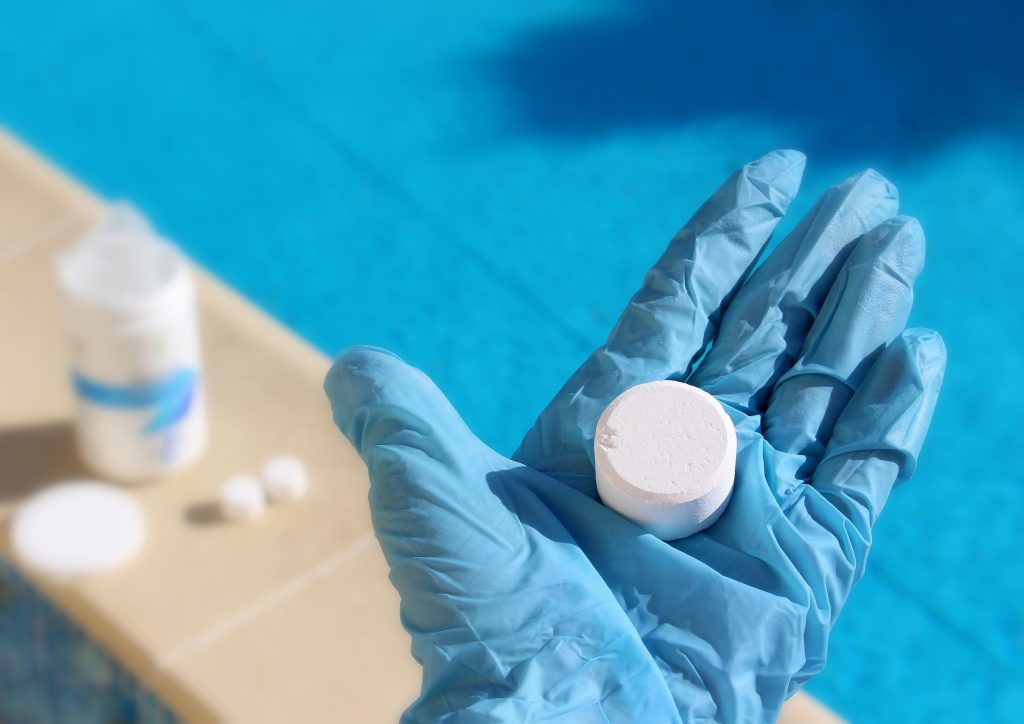
In its natural form, chlorine is actually a highly toxic and irritating chemical. But when mixed with water, it transforms into hypochlorous acid and hypochlorite anion. These are two real killers that wipe out bacteria, viruses, and other pathogens in your pool. And in the right concentration, they’re considered safe.
However, not everyone’s skin agrees. Some people are more sensitive to chlorine than others, and too much exposure can cause dryness, irritation, or even full-on skin freakouts. Plus, what if the chlorine levels in a pool are too high? That’s when you can start to feel it—burning eyes, itchy skin, and that ugh tight feeling on your face.
So, how bad is chlorine for your skin and hair? Let’s break it down.
How Pools Affect Your Skin
If you’ve ever stepped out of a pool and noticed your skin feeling dry or tight, you already know that chlorine can have an effect on your body. But let’s get into the specifics.
1. Chlorine Can Dry Out Skin
Ever wondered, “does chlorine dry out skin?” Well, the answer is YES. Chlorine can strip your skin of its natural oils, leaving it feeling tight and rough. And the American Academy of Dermatology backs this up.
There are also studies showing that. In one small study with 9 women, researchers found that after swimming for just an hour in a public pool, their skin’s pH increased while its moisture levels dropped. The good news? These effects were temporary and returned to normal by the next day.
Still, it’s a real thing! And a well-chosen moisturizer is your best friend here (OnSkin will help find your perfect match.)
2. Chlorine Can Cause Itchy, Red Skin or Hives
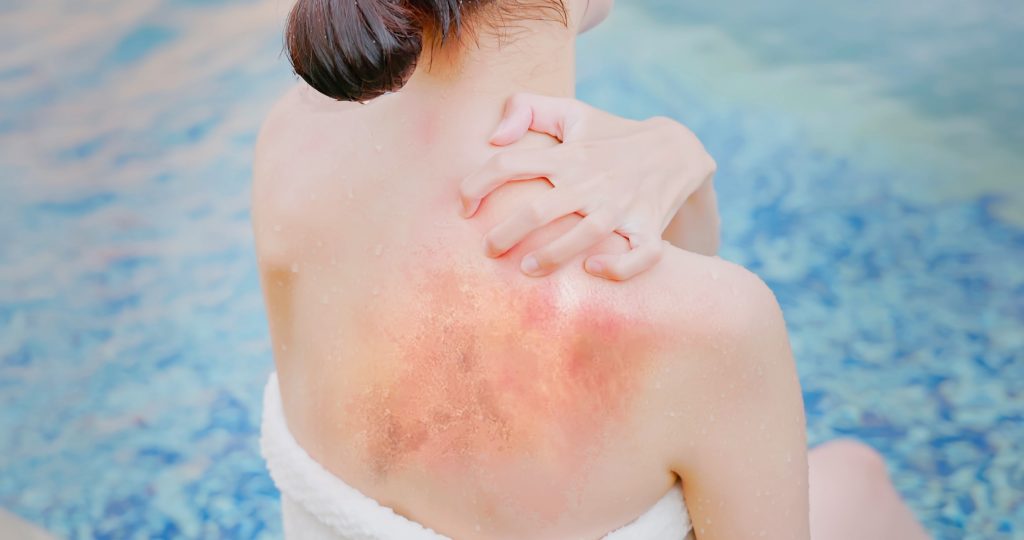
Some people experience chlorine sensitivity, which can lead to hives or even a full-on rash. This isn’t exactly an allergy (since chlorine isn’t a true allergen), but it’s your skin basically saying, “No thanks, chlorine, I’m good.” So, is chlorine bad for your skin? For those sensitive to it, the answer could be yes.
In 1994, it was a 4-week study that observed 385 school swimmers using pools with three different disinfectants. It showed that 4-8% of them developed a skin rash within a day of swimming in chlorine-treated pools. This risk is two times higher compared to swimming in bromine or ozone pools.
Another study—on aquatic athletes—gave vivid examples of roughness and flakiness that might come with frequent swimming. But that’s about athletes—not us. Unless there’s a professional swimmer here, huh? 😏
3. Chlorine Can Trigger Eczema Flare-Ups
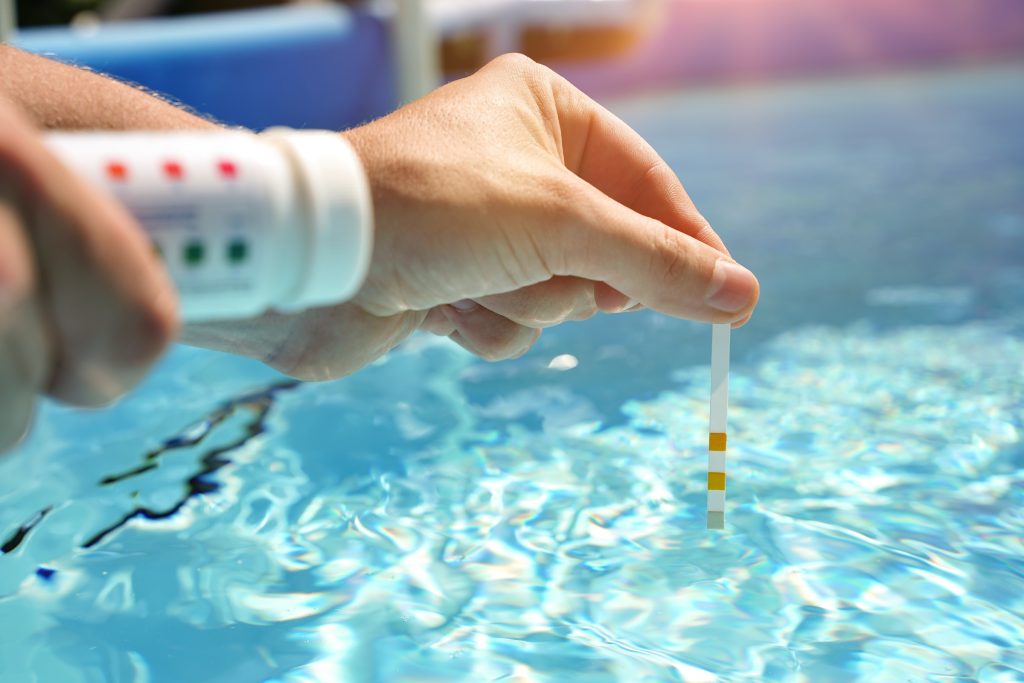
In general, it’s recommended to stay away from the pool if you have any of the following: itchy, red, and oozing skin; a skin infection; open sores or raw skin; a severe eczema flare.
For example, if you have eczema, chlorinated water can be both a blessing and a curse. Since chlorine might dry out the skin, for some it can trigger flare-ups, leading to unbearable itching and irritation. But for others, swimming in chlorine-treated pools might be tolerable (and even bring a soothing effect!)
Honestly, it’s a 50/50—you never really know how your skin will react.
4. Chlorine Can Lead to Hair Breakage
Let’s not forget about our hair.
When you swim, chlorine dissolves the lipids (natural fats) that coat and protect your hair, making it weaker and prone to breakage. Hello split ends! Even worse, chlorinated water can break down the protein bonds in your hair, leading to more damage.
And if you’re blonde, watch out for that greenish tint, as chlorine reacts with copper in the pool water. Consider wearing a swim cap next time you take a dip!
How to Protect Your Skin and Hair
Okay, now that we’ve covered the bad stuff, let’s talk about solutions. Because giving up pool days? Not happening. Here’s how to protect your skin and hair like a pro:
Before Swimming
✅ Limit your pool time. If you can, reduce the amount of time you spend in chlorinated water. Less exposure = less damage.
✅ Wear a swim cap. Not the most stylish, but it’s a game-changer if you’re serious about hair protection.
✅ Rinse with fresh water. Why? Because wetting your skin and hair before swimming helps prevent chlorine from being absorbed as much.
✅ Apply a waterproof moisturizer. A thin layer of petroleum jelly or a heavy-duty moisturizer can help shield your skin from drying out—in case the rules for the use of the swimming pool allow this.
After Swimming
🚿 Shower immediately. Is it bad to leave chlorine on your skin? Yes! The longer it sits, the more damage it can do. Rinse off ASAP.
🧴 Moisturize, moisturize, moisturize. After showering, lock in hydration with a rich body lotion to counteract chlorine’s drying effects.
🧖♀️ Deep condition your hair. You can use a chlorine-removing shampoo and follow up with a deep conditioner to restore moisture. OnSkin, in turn, will always help you find the perfect match for your skin and hair.
Summing It Up
All in all, is chlorine bad for your skin? It depends. If you’re an occasional swimmer, you might not notice much of an impact. But if you’re hitting the pool frequently (especially daily swimmers or lifeguards), you might want to take extra steps to protect yourself.
Plus, with summer around the corner, outdoor swims are calling. But that brings up another question—is salt water good for your skin? Spoiler: it has its own pros and cons, but many find it gentler than chlorine. To give you the details, we have another guide—check it out here.


-
1.
Will swimming in a pool trigger my child’s eczema? https://www.aad.org/public/diseases/eczema/childhood/triggers/swimming
-
2.
Variations of skin biophysical properties after recreational swimming. (2009). https://pubmed.ncbi.nlm.nih.gov/19832953/
-
3.
Skin irritation in users of brominated pools. (2021). https://www.researchgate.net/publication/12071556_Skin_irritation_in_users_of_brominated_pools
-
4.
Dermatological conditions of aquatic athletes. (2015). https://www.wjgnet.com/2218-6190/full/v4/i1/8.htm
-
5.
Swimming with eczema: What you should know before you take the plunge. https://nationaleczema.org/blog/swimming-eczema/
-
6.
Must-try summer hair care. https://www.aad.org/public/everyday-care/hair-scalp-care/hair/summer-hair-care