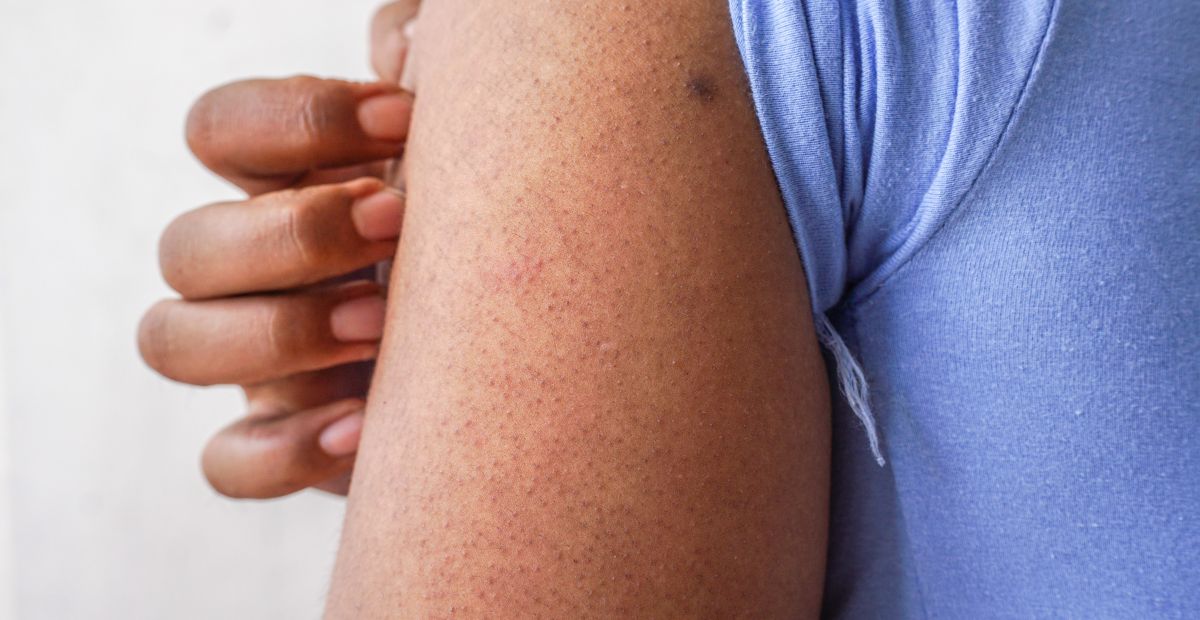
Is Aloe Vera Good for Your Face: Benefits, Risks, and Secrets

Your guides through the skincare chaos
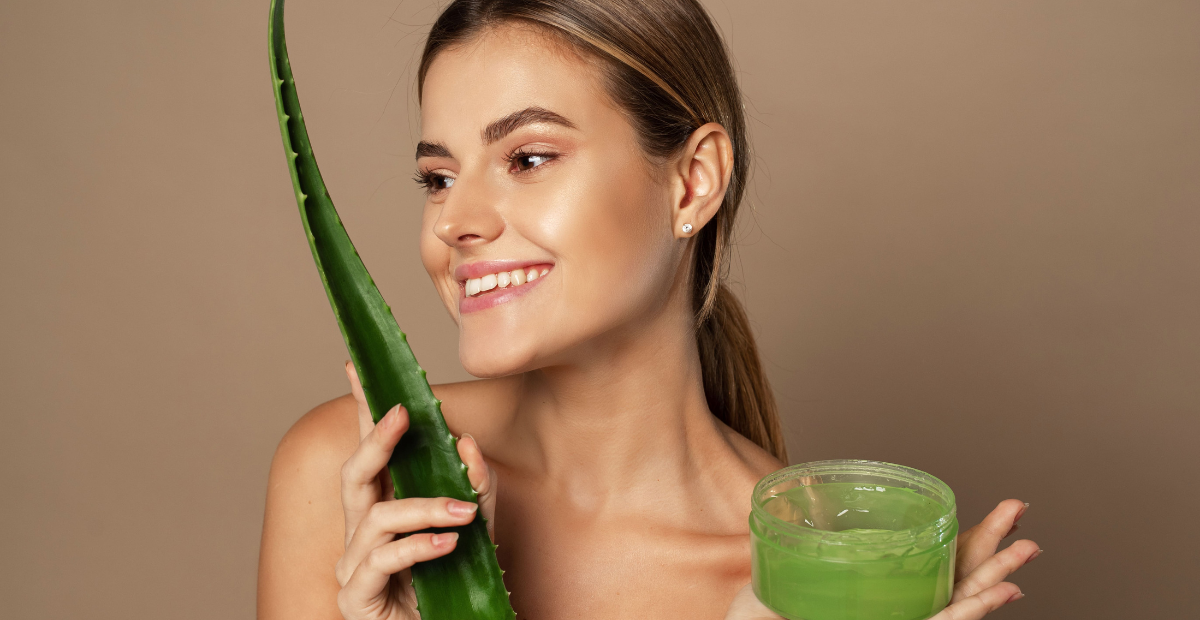
Aloe vera has been cherished by doctors and healers for centuries and has earned a good reputation in skincare as well. But what exactly makes this plant so remarkable? Are its benefits truly extraordinary, and are there any risks to be aware of? Let’s dive into the facts behind this natural wonder and find out if this skincare solution is a perfect match for your face.
What Is Aloe Vera?
Aloe vera is a succulent plant that is characterized by thick, fleshy, and engorged parts, adapted to retain water in dry climates. One of the leaf’s layers of the plant contains a clear gel, consisting of 99% water. Among its 400+ known species, Aloe vera, scientifically known as Aloe barbadensis Miller, is the most widely recognized and frequently used variety in Aloe-based products. By the way, “vera” in Latin means “true,” as it was considered to be above all other Aloe species.
But let’s leave linguistics aside. Aloe vera has been valued for centuries for its diverse uses in health, beauty, medicine, and skincare, being called a universal panacea more than two thousand years ago. It was used for therapeutic purposes in Ancient Greece, Egypt, Japan, China, and other countries.
The plant boasts more than 75 active compounds, including vitamins A, C, and E, folic acid, calcium, magnesium, zinc, and much more.
Is Aloe Vera Good for Your Face?
Aloe vera is undoubtedly beneficial for skincare, but the key question is: which skin issues does it address? There are too many legends about the ingredient, so we’ll focus on the scientifically proven facts.
It May Help You Treat Sunburns
Exposure to sunlight, especially UVA rays, can cause premature aging of the skin, leading to wrinkles and uneven pigmentation. UVA rays also increase the risk of cancer and cause inflammation and changes in skin pigmentation. While herbal remedies like Aloe vera are often used to protect against UVA damage, the exact ways they work aren’t fully understood.
One of the studies explored how Aloe vera helps protect skin cells (HaCaT keratinocytes) from UVA damage. It showed significant ability to reduce skin damage in both lab tests and real-life conditions, even though it doesn’t directly neutralize harmful radicals. The thing is, it works by keeping cell membranes and organelles (internal parts of cells) intact. This stability decreases the formation of damaging waste products and reduces cell death.
To sum it up, Aloe vera helps protect skin at the cellular level, which makes it a useful ingredient in skincare products to guard against UV damage.
It Moisturizes the Skin
Research has confirmed Aloe vera’s moisturizing effects in cosmetic formulations. In one of the studies, products containing 0.25% and 0.50% Aloe vera extract significantly improved skin hydration after just one application. After two weeks of daily use, all formulations (including 0.10%) showed enhanced hydration levels. Moreover, the extract didn’t alter transepidermal water loss, meaning it helps retain moisture without affecting the skin’s natural barrier.
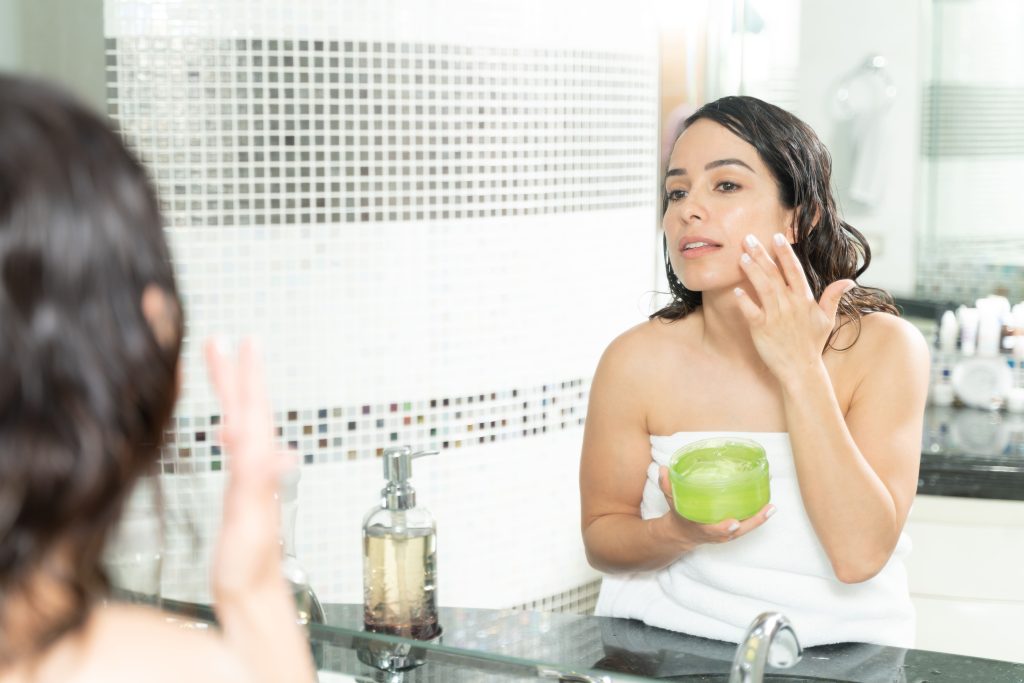
Aloe vera helps keep your body hydrated by keeping moisture. It boosts the production of collagen and elastin, which makes your skin more stretchy and smooth and reduces wrinkles. Additionally, it helps flaky skin stick together, leaving it softer. Studies show Aloe vera is great for dry skin, improving its texture, reducing redness, and smoothing out fine wrinkles.
It Improves Wound Healing
Aloe vera obtains wound-healing properties due to a compound called glucomannan. It boosts collagen production (which speeds up the wound healing process) and strengthens the wound area.
While vitamin C also promotes collagen production, vitamin E acts as a strong antioxidant and supports the healing process. Additionally, Aloe vera’s antimicrobial and anti-inflammatory properties help reduce inflammation and neutralize harmful free radicals, aiding in faster and more effective healing.
It Can Be a Part of Therapy to Fight Acne
Different research has shown that Aloe vera can be an effective part of a non-drug acne therapy. A study combined ultrasound to enhance Aloe vera gel absorption and a soft mask application. Participants undergoing this treatment experienced a significant reduction in papules, improved skin texture, diminished hyperpigmentation, and enhanced local blood circulation.
By the way, did you know that your daily routine could be making your acne worse? Here are 8 common habits to avoid.
Are There Any Risks?
Experts from the Cosmetic Ingredient Review have evaluated the safety of ingredients derived from Aloe vera (Aloe barbadensis). They concluded that, in general, these ingredients are safe for use in cosmetics. However, Aloe vera may contain substances called anthraquinones, which can pose issues in high concentrations. Fortunately, manufacturers follow strict processes to keep anthraquinone levels extremely low, ensuring the safety of Aloe vera skincare products.
Anyway, there’s no need to dive deep into the world of ingredients and formulas, trying to memorize all the pros and cons. The OnSkin app makes it simple—just scan the product you’re using or considering, and it will provide insights into the benefits of the active ingredients in its formula.
If you’re using Aloe vera whole leaf extract, be aware of potential side effects. These include skin irritation, diarrhea, and hives, particularly for those allergic to plants in the lily family (e.g. onions and tulips).
The CIR experts also noted that aloe used in sprays or aerosols is safe because the particles are too large to be inhaled into the lungs.
How to Apply Aloe Vera
The safest option is to use Aloe vera as an ingredient in skincare products. If you’re using a cream or gel that contains it, just follow the instructions of the manufacturer. Remember the golden rule—the closer Aloe vera is to the beginning of the ingredient list, the higher its concentration will be, which means better effect.
And just a quick reminder—if you’re unsure about a product’s formula or how it suits your skin type, you can use the OnSkin app to analyze the product and clear up any doubts before making a decision.


-
1.
Aloe vera: a short review. (2008). https://pmc.ncbi.nlm.nih.gov/articles/PMC2763764/
-
2.
Mechanism of aloe vera extract protection against UVA: shelter of lysosomal membrane avoids photodamage. (2016). https://pubmed.ncbi.nlm.nih.gov/26815913/
-
3.
Moisturizing effect of cosmetic formulations containing aloe vera extract in different concentrations assessed by skin bioengineering techniques. (2006). https://pubmed.ncbi.nlm.nih.gov/17026654/
-
4.
The review on properties of aloe vera in healing of cutaneous wounds. (2015). https://pmc.ncbi.nlm.nih.gov/articles/PMC4452276/
-
5.
Collagen based materials in cosmetic applications: a review. (2020). https://pmc.ncbi.nlm.nih.gov/articles/PMC7578929/
-
6.
Efficacy of a new non-drug acne therapy: aloe vera gel combined with ultrasound and soft mask for the treatment of mild to severe facial acne. (2021). https://pubmed.ncbi.nlm.nih.gov/34095172/
-
7.
Final report on the safety assessment of aloe andongensis extract, aloe andongensis leaf juice, aloe arborescens leaf extract, aloe arborescens leaf juice, aloe arborescens leaf protoplasts, aloe barbadensis flower extract, aloe barbadensis leaf, aloe barbadensis leaf extract, aloe barbadensis leaf juice, aloe barbadensis leaf polysaccharides, aloe barbadensis leaf water, aloe ferox leaf extract, aloe ferox leaf juice, and aloe ferox leaf juice extract. (2007). https://cir-reports.cir-safety.org/view-attachment/?id=9bca1f11-8e74-ec11-8943-0022482f06a6