How to Get a Smooth Face Like a Baby Naturally

Your guides through the skincare chaos

Let’s be frank: we all want our skin to look fresh, smooth, and elastic. In a word, as soft as a baby’s. Baby-soft skin is the perfect goal for us, as we all had it once and wish we could get it back. For sure, that’s unlikely to happen, simply because our skin naturally changes as we grow (yes, we’re always fun at parties).
The bright side is that there are steps we can take to keep our face looking smooth and youthful for as long as possible. If that’s what you want, keep reading.
What Makes Baby Skin so Smooth?
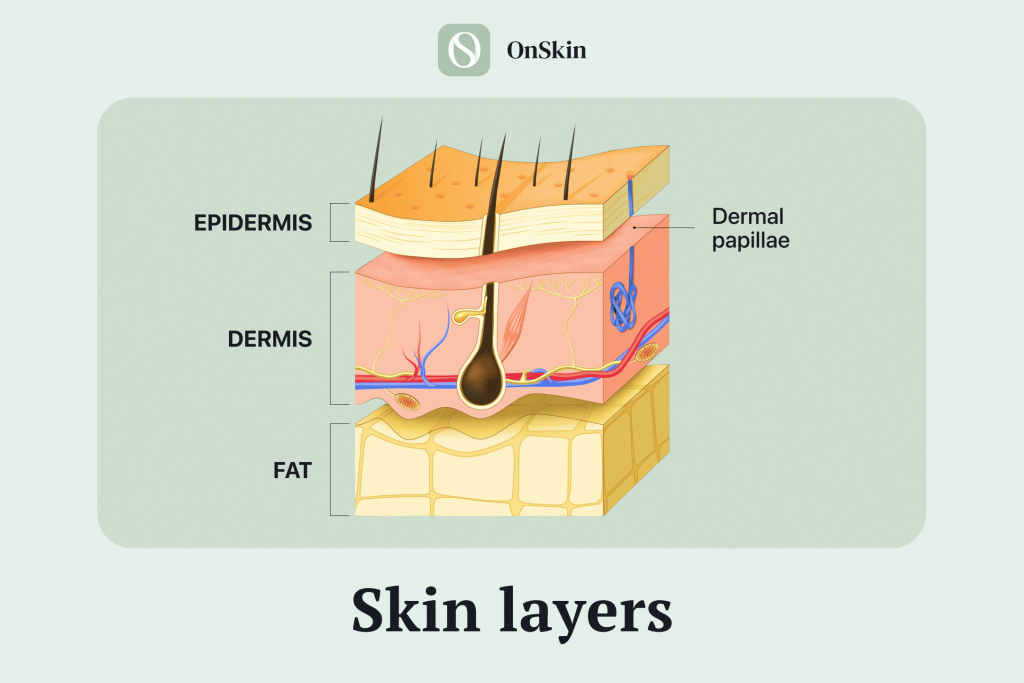
First, the structure of baby skin is different. The epidermis, which is the outer layer, is 20% thinner than in adults, and the stratum corneum (the top layer of epidermis) is around 30% thinner. This makes the surface more even and delicate.
In babies, the stratum corneum and the tiny bumps just below it (called dermal papillae) are more closely connected; they kind of work together more directly than in adult skin. In simple words, baby skin is more unified, which makes it softer, smoother, and more flexible.
Second, babies’ skin cells are about 10%-20% smaller, which means their skin renews faster.
Third, children’s skin absorbs and releases water more easily. That’s why it feels soft (but at the same time can dry out more quickly).
Why Skin Loses Its Smoothness
To begin with, it’s the course of nature. Our skin naturally changes as we grow, and unfortunately, one of the first things we leave behind is its smoothness.
Environmental factors are also in cahoots. Sunlight exposure and pollution can make your skin age even faster than it normally would. They slow down collagen production and break down the collagen we already have. And collagen is what keeps our skin firm.
Life habits, join the club. Eating unhealthy food, drinking alcohol, smoking, and skimping on sleep don’t make our skin any smoother either.
How to Get a Smooth Face (Like a Baby) Naturally
Proper Lifestyle
Babies aren’t usually sunbathing all day, sipping whiskey, smoking cigarettes, or staying up late because of a hockey match. But what about us?
If you want to keep your skin smooth for as long as possible, it’s best to avoid unhealthy habits. Babies are really the perfect role models in this respect.
Healthy food, by the way, can also help. Foods rich in vitamin C, for instance, boost collagen, keeping your skin plump and youthful. Find out more about how to enjoy tasty and healthy meals at the same time here.
Proper Skincare Routine
A good skincare routine should be as natural as brushing your teeth.
1. Wash your face twice a day, once in the morning and once in the evening, to get rid of oil, dirt, and makeup buildup. Don’t rely on water alone; use a gentle cleanser free of alcohol, harsh chemicals, or pore-clogging ingredients.

If you don’t have a cleanser that works for you yet, use the OnSkin app to find one with a safe formula suited to your skin type. A picture of a product or its barcode is enough for the app to figure it out.
2. After cleansing, apply moisturizer while your skin is still damp to lock in moisture. As you remember, hydration is key to smooth skin.
3. Finally, use sunscreen whenever you go outside. A minimum of SPF 30 will protect you from harmful UV rays.
Proper Skin Treatment
Here are a few ingredients to search for in skincare products that might help you maintain your smooth look:
– AHAs (Alpha Hydroxy Acids). This group of acids, derived from fruits and milk, includes glycolic acid, mandelic acid, lactic acid, and more. They sweep away dead skin cells and clear out gunk that clogs your pores. Use them regularly, and you’ll notice smoother skin, a brighter complexion, and even a fading of acne marks and dark spots. As one study put it, AHAs give “rise to a younger-looking skin.”
However, there’s one important precaution. AHAs increase your skin’s sensitivity to sunlight. You already know the way out: SPF, SPF, SPF. It’s also a good idea to apply AHAs at night, when you aren’t exposed to the sun.
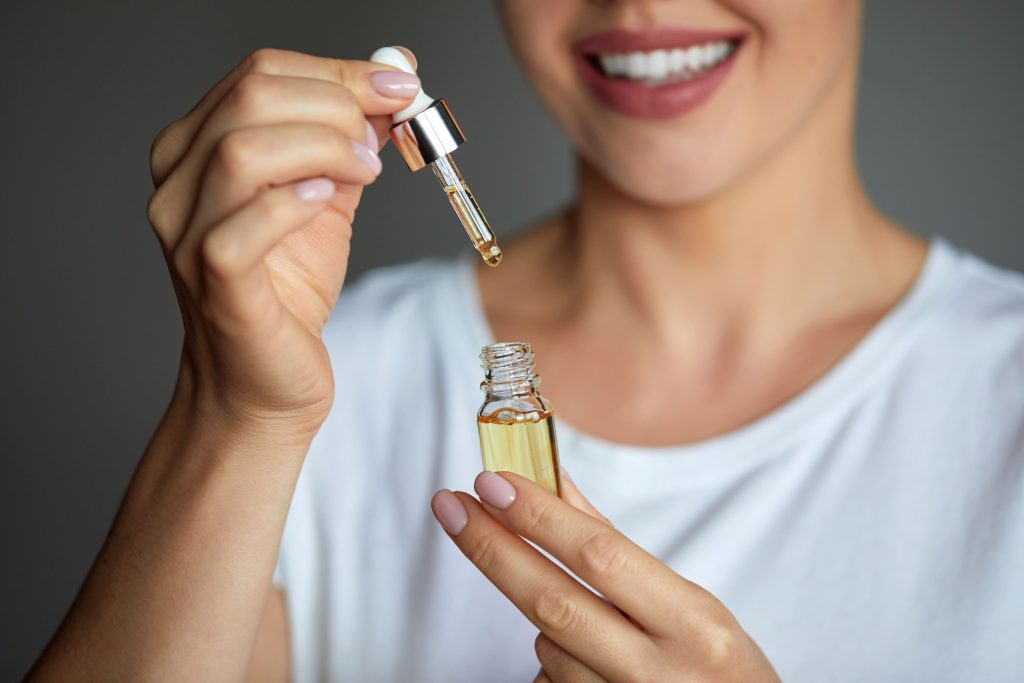
– Vitamin C isn’t only found in food. Serums, masks, creams, and other skincare products have it in their formula, and there’s a good reason for that. Vitamin C bolsters collagen production to help even out your skin tone and shields your skin from damage caused by free radicals.
Yet again, a little precaution. Some studies don’t recommend using vitamin C together with AHAs. However, many modern skincare products safely combine them in one formula, carefully balancing each ingredient at concentrations that don’t cause irritation.
– Hyaluronic acid is a natural substance produced by your body. It’s in charge of keeping our skin moisturized. The bad news is that, with age, its levels drop, making skin drier and less elastic. The good news is that you can find it in a bunch of skincare products, intended to draw water into the skin and keep it hydrated.
Once again, there’s a catch. Scientists say it’s best to keep concentrations under 2% to reduce the risk of irritation or dryness. The difficulty is that most products don’t list exact ingredient amounts (manufacturers aren’t required to). If that’s the case, use this old trick: check the product’s formula—the closer the ingredient is to the top, the higher its concentration.
– Niacinamide can help lock in moisture, protect you from the harmful effects of UV damage and pollution, and improve your skin tone. What’s more, it becomes even more effective when combined with vitamin C or hyaluronic acid.
And here we go again: the concentration of the ingredient also matters. The ideal concentration is probably around 3–6%, while more than 7% could potentially irritate your skin.
– Retinol also has a few tricks up its sleeve to help you achieve smooth and youthful skin. It stimulates collagen production, reduces water loss, helps prevent clogged pores and breakouts, and more.
However, it also has some important don’ts. You shouldn’t use retinol (as well as other retinoids) with exfoliating products, during the daytime, in thick layers, and, most importantly, if you’re pregnant or breastfeeding.
So, taking into account all the benefits and potential side effects, it’s best to patch test any product, especially if it’s your first time trying it. And if there’s a professional dermatologist in your neck of the woods, it’s always a good idea to consult them, particularly if you plan to use retinol.
DIY Remedies
Do-it-yourself skincare can also be a great trick if you want to achieve baby-soft skin. Here are a few products you can relatively easily make at home:
- An oatmeal mask.
- A cucumber-aloe gel.
- A green tea toner.
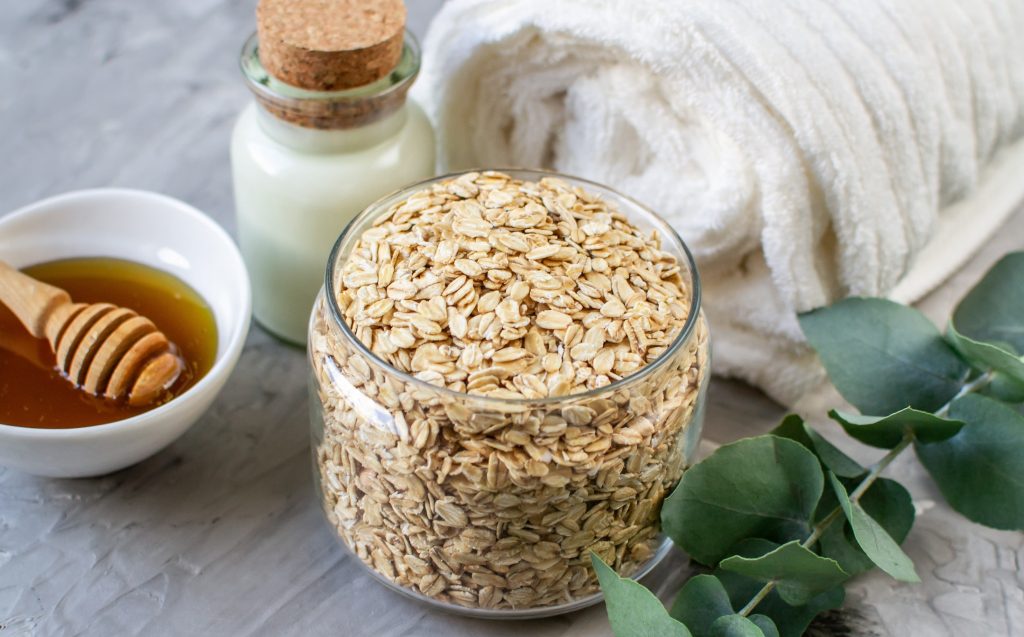
And here are the detailed recipes for each of them.
NB! As with any ingredient, you never know how your skin will react. That’s why a patch test before using DIY products is always a sound decision.
Quick Tips for Baby-Soft Skin
We can’t turn back time and get our baby skin back, but what we can do is to adopt habits and skincare routines that help keep our skin soft and glowing.
- Focus on a healthy lifestyle, gentle daily cleansing, moisturizing, and sun protection.
- Look for ingredients like AHAs, vitamin C, hyaluronic acid, niacinamide, and retinol to boost hydration, collagen, and skin renewal.
- You can also try simple homemade treatments like oatmeal masks, cucumber-aloe gels, or green tea toners to add a touch of interactivity to your routine.
If you stick to these habits and do them right, chances are you’ll enjoy your baby-soft glow again soon enough!


-
1.
Skin physiology of the neonate and infant: clinical implications. (2015) https://pmc.ncbi.nlm.nih.gov/articles/PMC4593874/
-
2.
Infant skin microstructure assessed in vivo differs from adult skin in organization and at the cellular level. (2010) https://onlinelibrary.wiley.com/doi/10.1111/j.1525-1470.2009.00973.x
-
3.
Change in skin properties over the first 10 years of life: a cross-sectional study. (2017) https://pmc.ncbi.nlm.nih.gov/articles/PMC5606948/
-
4.
Environmental influences on skin aging and ethnic-specific manifestations. (2012) https://pmc.ncbi.nlm.nih.gov/articles/PMC3583881/
-
5.
Signs of premature aging https://my.clevelandclinic.org/health/symptoms/23105-premature-aging
-
6.
A theory for the mechanism of action of the α-hydroxy acids applied to the skin author links open overlay panel. (1998) https://www.sciencedirect.com/science/article/pii/S0306987798907885
-
7.
Alpha hydroxy acids https://www.fda.gov/cosmetics/cosmetic-ingredients/alpha-hydroxy-acids