How Poor Sleep Hygiene Messes with Your Skin

Health and wellness writer focused on evidence-based insights and reader-friendly guides.
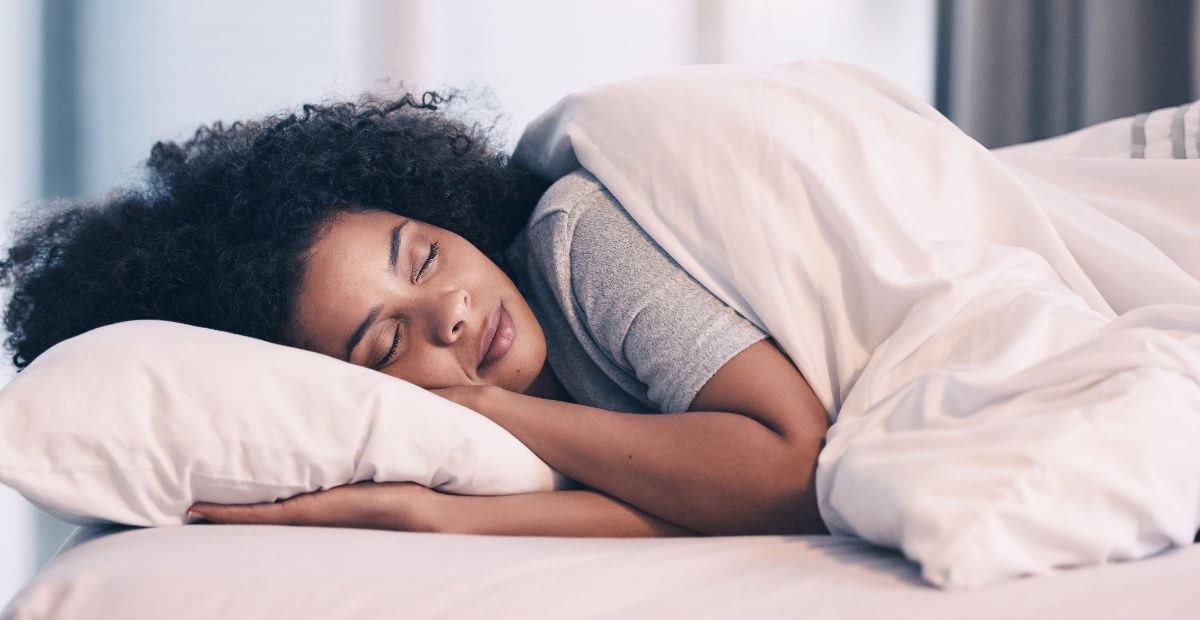
Your skin tells the story of your nights, and if you’re skimping on sleep, the signs are hard to miss. Wrinkles, dullness, dark circles… These are the ways poor sleep hygiene can wreak havoc on your glow. Let’s explore why sabotaging your sleep can be a bad idea and what habits are better to incorporate for your beauty sleep.
Why Sleep Matters for Your Skin
When you sleep, your body doesn’t just rest—it gets to work repairing and regenerating. Skin cells turnover faster, producing collagen and elastin, which keep your complexion firm and youthful.
Sleeping six hours or less every night? Well, there is some sad news for you. A study found that people who consistently sleep around six hours have a significant lack of hydration compared to those who have eight hours of nightly ZZZs. The result of this is drier, less elastic skin. That’s a direct impact of your poor sleep hygiene.
Plus, without enough deep sleep, your body produces more cortisol, a stress hormone that degrades collagen and increases inflammation. Add to that poor circulation of blood, and you’ve got the recipe for dull, tired-looking skin.
Pro tip. What else is essential besides healthy sleep? Skincare products that match your unique needs. Not sure where to start? OnSkin can help you find the perfect fit for your skin’s best glow.
5 Effects of Poor Sleep Hygiene on Your Skin
Well, bad sleeping habits don’t just leave you feeling groggy—it shows up on your skin, too. And here are the most common outcomes which are impossible to ignore.
More Wrinkles and Fine Lines
Every time you skimp on sleep, your skin loses its chance to produce enough collagen. Collagen, the protein responsible for elasticity, takes a hit with bad sleep hygiene. A small study of Korean women found that just one night of sleep deprivation led to decreased skin elasticity and more wrinkles.
This is why the effects are often called the sleep deprivation face. Those viral “face before and after sleep deprivation” posts? Yep, they’re based on real biology.
Worsened Complexion
Let’s talk about dull, tired skin. Your skin thrives on blood flow during sleep, delivering oxygen and nutrients that keep it glowing. But bad sleep habits can disrupt this process, leaving your complexion looking sallow and uneven.
As we already know, late bedtimes and insufficient sleep correlate with skin dehydration and increased water loss. All of these contribute to a lackluster complexion.
What about Dark Circles?
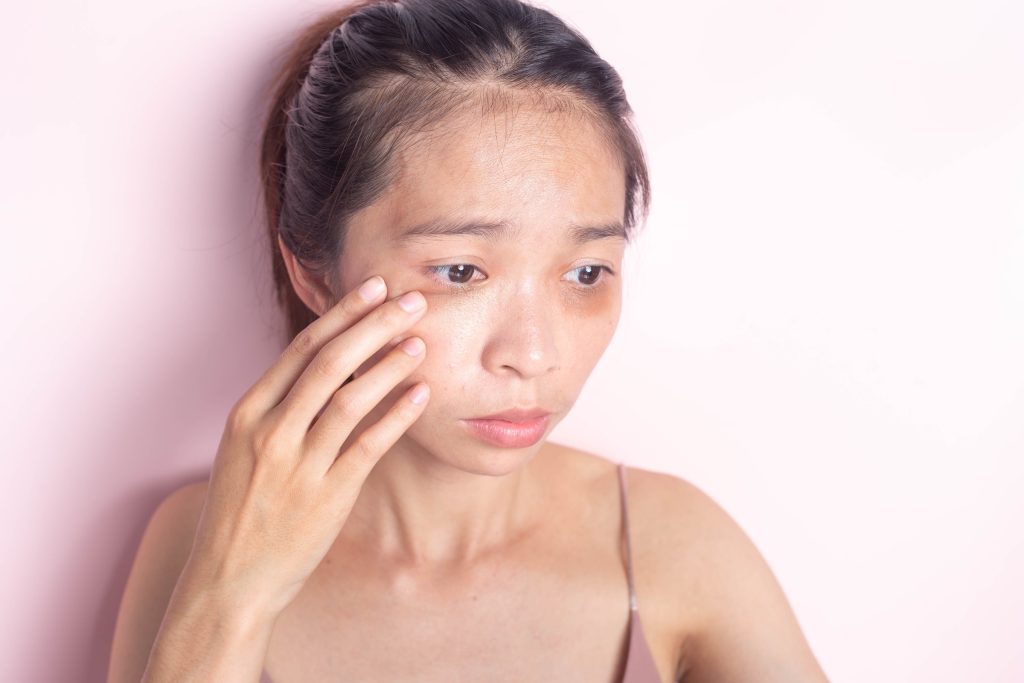
Ah, the dreaded dark circles. Nothing screams “I didn’t sleep” louder than puffy, shadowed eyes. One theory suggests that your bad sleep hygiene can cause blood vessels under your eyes to dilate and fluid to pool, giving you that telltale tired look.
Still, there’s no decent proof that you’ll get rid of dark circles with proper sleep. Researchers further insist that sleep alone doesn’t add dark circles to your face. Yes, genetics plays its huge part there, too.
Broken Skin Barrier
Your skin barrier is like a security guard for your face. It keeps out the bad stuff (pollutants, bacteria) and locks in the good (moisture). Sleep deprivation makes that barrier weaker, leaving your skin dry, sensitive, and prone to irritation.
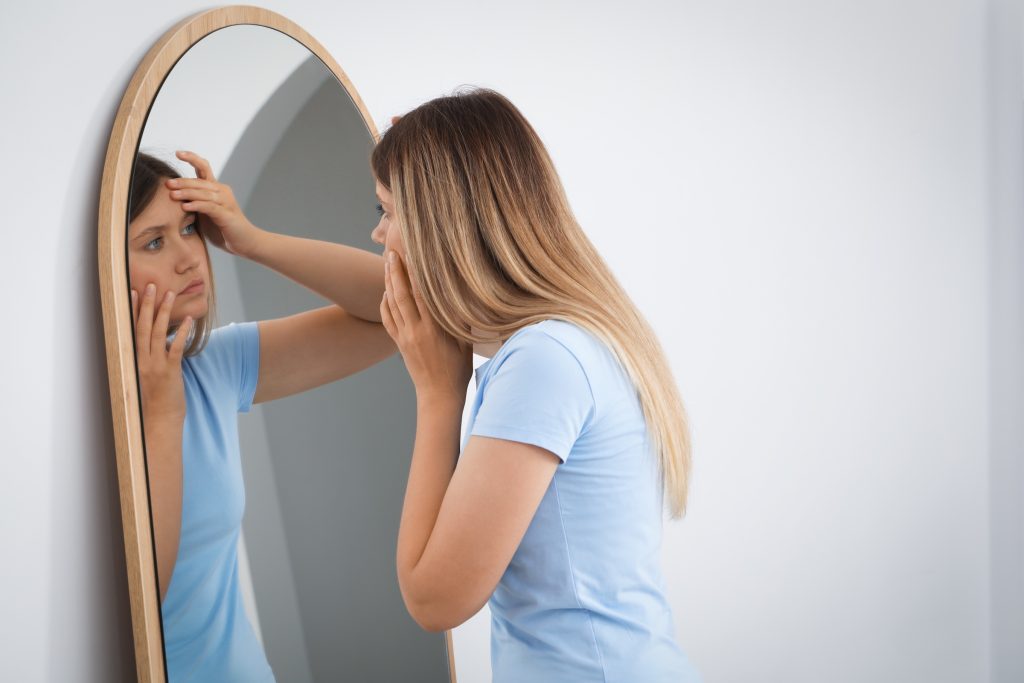
Studies even show that those with poor sleeping habits recover from skin damage more slowly than those who get their full eight hours. Are you sleeping seven hours and more? Congratulations! Your skin barrier function recovers 30% faster than those who lack sleep. This is a huge reason to make rest a top priority.
And this blog post will tell you in detail how to protect and repair your skin barrier.
Triggering Skin Conditions
If you’re already dealing with acne, eczema, or psoriasis, poor sleep hygiene is like throwing gasoline on the fire. Lack of sleep amps up your cortisol levels, and this hormone, in turn, triggers inflammatory skin conditions.
For example, one study linked sleep disruption to exacerbating rosacea. And if you suffer from this skin condition, our guide on the best ingredients for rosacea skin can be helpful for you.
Tips for Healthy Skin Through Sleep
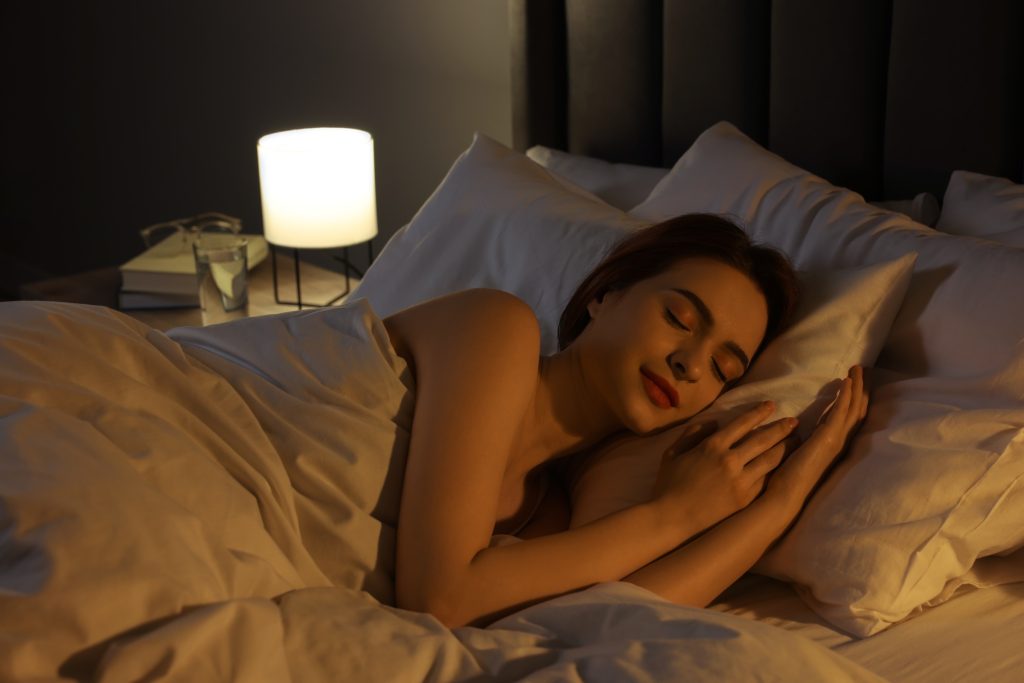
Okay, now that we’ve spilled the tea on how poor sleep hygiene wrecks your skin, let’s talk solutions. You don’t need a 10-step nighttime routine (unless you want one—no judgment). But some simple tweaks can make a massive difference.
1. Stick to a schedule. A regular bedtime and wake-up time (yes, even on weekends) keeps your circadian rhythm in check. A poor sleeping schedule throws your body off, so consistency is key.
2. Upgrade your sleep setup. Invest in blackout curtains, cozy pillows, and, if you’re feeling fancy, a silk pillowcase. Silk reduces friction on your face and hair, so you wake up looking a little less like a tornado hit you.
3. Power down electronics. Blue light from screens is one of the sneakiest things that affect sleep. Give your brain a break at least an hour before bed.
4. Hydrate (but not too much). Drink water throughout the day, but cut back before bed to avoid those 2 a.m. bathroom trips. Hydrated skin is happy skin.
5. Chill before bed. A shower, a calming book, or some meditation can signal to your body that it’s time to wind down. Skip the doomscrolling; it’s a simple habit that harms sleep more than you think.
What’s Next?
From wrinkles and dark circles to more serious skin conditions, poor sleep hygiene disrupts the delicate balance your body needs to stay healthy. The next time you think about sacrificing sleep, remember that it’s not just about feeling tired—it’s about giving your skin the chance to heal, regenerate, and glow. So get your rest, let your skin work its magic, and get ready for those “Wow, you’re glowing!” compliments to roll in!


-
1.
A study of skin characteristics with long-term sleep restriction in Korean women in their 40s. (2020). https://pubmed.ncbi.nlm.nih.gov/31692145/
-
2.
The influence of sleep quality on the development of periocular hyperchromia: a case-control study. (2020). https://pubmed.ncbi.nlm.nih.gov/31663247/
-
3.
Does poor sleep quality affect skin ageing? (2015). https://pubmed.ncbi.nlm.nih.gov/25266053/
-
4.
Relationship between rosacea and sleep. (2020). https://pubmed.ncbi.nlm.nih.gov/32291809/