Resveratrol: Say Goodbye to Dark Spots and Redness!

Your guides through the skincare chaos
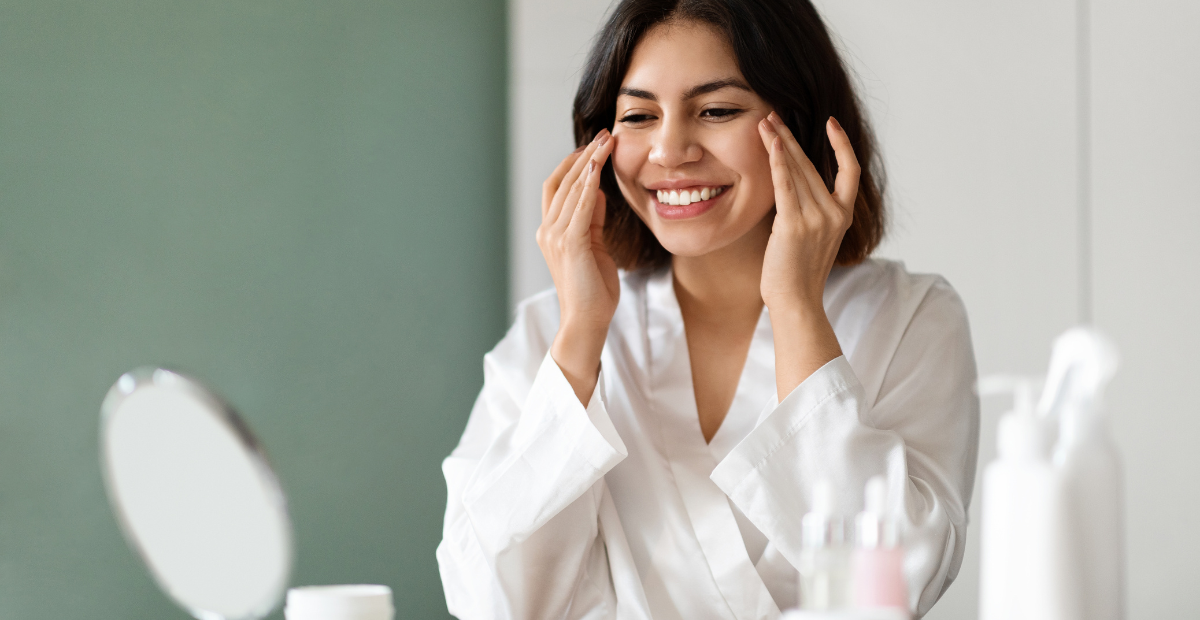
What do red wine and skincare have in common? No, it’s not about those rosy cheeks that might appear after a couple of glasses. Resveratrol, a popular skincare ingredient to fight signs of aging, is also found in this spirit. However, wine isn’t the only place it exists. And fighting aging isn’t its only benefit. Let’s find out what resveratrol is and why it can become irreplaceable in your personal skincare routine.
What Is Resveratrol?
Have you ever heard of the “French paradox”? Well, this concept was popularized by French scientist Serge Renaud in the early 1990s. Very briefly, it means that people in France have low rates of heart disease despite eating a lot of fatty foods. Why? Just keep the associative flow: French scientists, French paradox, French food… Right, wine! So, some scientists claim that it’s red wine that is responsible for the low mortality of the nation that eats fatty foods.
There are different theories on why wine reduces the negative effects of an unhealthy diet. Probably, one of the most famous is the oxidative modification hypothesis. The thing is that cholesterol that contains in food becomes harmful when it gets oxidized, meaning damaged by harmful molecules. This triggers inflammation and other changes in the blood vessels that can lead to heart disease.
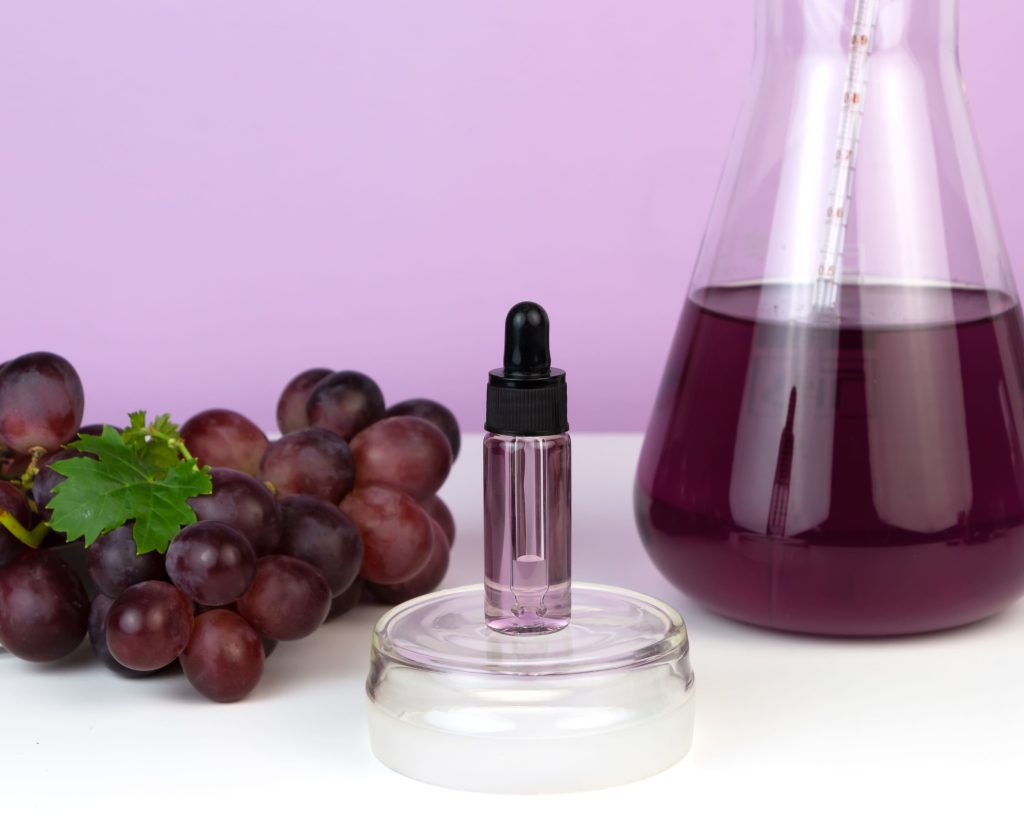
Red wine contains flavonoids and polyphenols—natural substances that help prevent this oxidation and protect the heart. Now guess what? Resveratrol is a substance that belongs to the group of polyphenols and shares its antioxidant and anti-inflammatory properties. Apart from wine, it can be found in the skin of grapes, berries, strawberries, mulberries, and nuts.
Resveratrol Skin Benefits
Let’s leave wine aside and explore resveratrol’s skincare benefits.
It makes your skin look younger
In 2014, scientists on purpose designed and tested a cream containing a mix of resveratrol (1%), baicalin (0.5%), and vitamin E (1%) to make a stable product that would absorb well through the skin.
12 weeks after using this cream, participants of the experiment observed improvements in fine lines, wrinkles, dark spots, skin firmness, elasticity, glow, and smoothness. An ultrasound scan even showed that the skin around the eyes got thicker by 18.9%, which means that deeper layers of the skin were repaired and renewed.
It’s a gentle option for treating dark spots
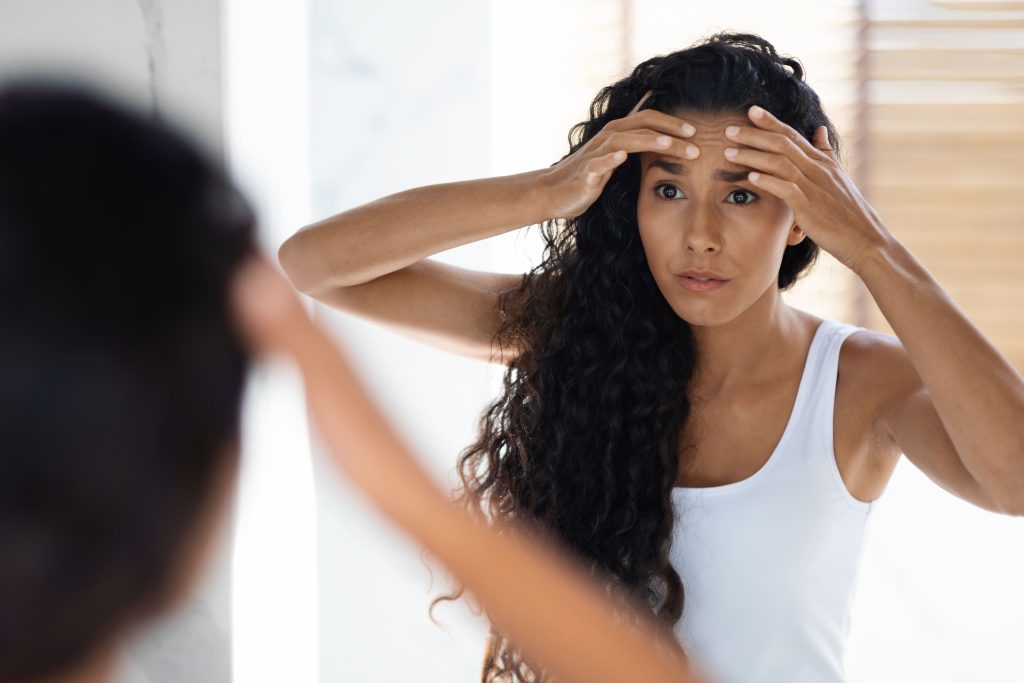
Dark spots often appear on the body when it’s irritated because of UV exposure or some skin issues. That’s because the skin makes inflammation chemicals, which tell pigment cells to produce more melanin (which is in charge of color). To fight pigmentation, doctors often recommend using products with hydroquinone, which, however, raises safety concerns. That’s why it’s always better to check the product’s formula with the OnSkin app before applying it.
Anyway, resveratrol is a safer and gentler option than hydroquinone. In comparison with other brightening ingredients, it’s a more powerful blocker of tyrosinase, an enzyme in charge of melanin production.
In addition to blocking tyrosinase, resveratrol can also reduce its activity indirectly. It can stop the gene that makes tyrosinase from being activated, block the signals from a hormone that triggers melanin production in skin cells, and lower the levels of certain proteins, which take part in melanin production.
All that makes resveratrol a powerful ingredient for brightening skin and reducing pigmentation.
It’s a strong antioxidant
Do you remember the wine part of the text, where we discussed the unhealthy process of oxidation triggered by harmful molecules? These molecules are called free radicals. They can damage the skin and lead to increased melanin production, which eventually results in the appearance of dark spots.
UV rays are one of the reasons that make free radicals appear. Resveratrol, being a strong antioxidant, fights free radicals and activates the skin’s own defenses, reducing the signal that tells pigment cells to make more melanin.
It can improve redness
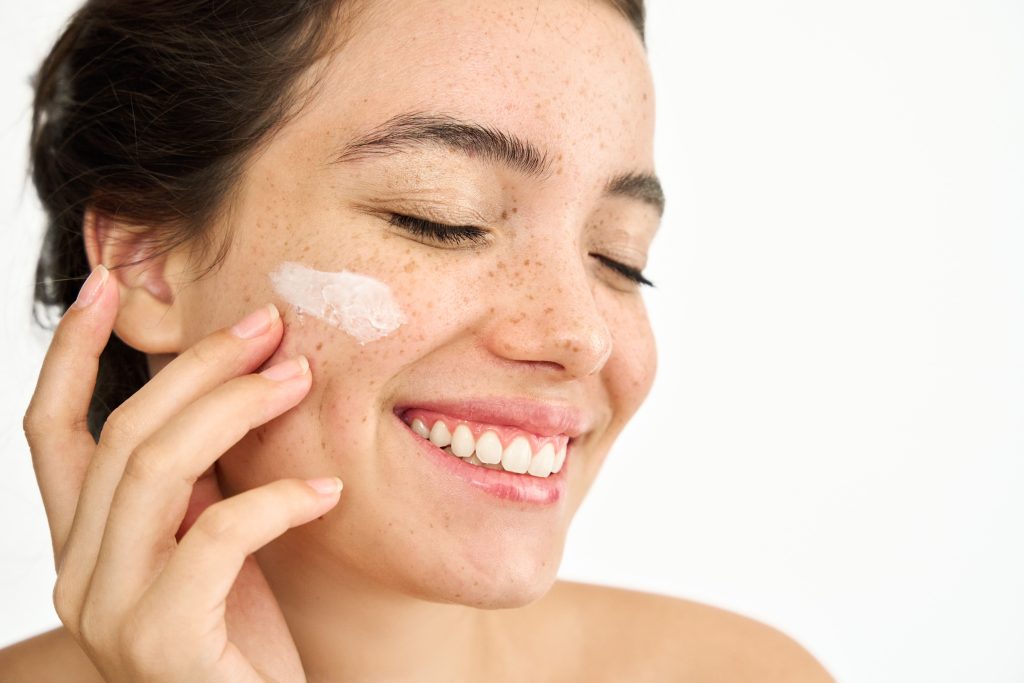
Once again, scientists tested a special product that combined three antioxidant ingredients—resveratrol, green tea extract, and caffeine. Sixteen people with facial redness applied it twice a day to their entire face.
The results showed that all sixteen participants’ issues improved. Most of them noticed a visible reduction in redness after six weeks of treatment, without any side effects.
But keep in mind that just because a product has resveratrol doesn’t mean it will work as expected. It could also have other ingredients that might be harmful to your skin. To be sure a product is right for you, try the OnSkin app. It looks at the ingredients, checks if they’re safe, and tells you if the product is a good call for your skin.
It can also help with pimples, eczema, and psoriasis
In one study, people used a resveratrol cream every day for 10 weeks. Their redness, pimples, and clogged pores improved by 96%, compared to just 2% in the group that didn’t use resveratrol.
In another study, people with exfoliative eczema, a serious skin condition with redness and flaking, used a resveratrol ointment. The area of affected skin shrank from 69% to 27%, and their itching became almost four times less.
Similarly, in a study on psoriasis, 80% of the patients who used the resveratrol ointment got better, compared to only 10% of those who didn’t.
Resveratrol Side Effects
Resveratrol is generally safe and doesn’t usually cause serious side effects. However, individual reactions can still occur. That’s why it’s always a good idea to do a patch test before using any new product.
How to Apply Resveratrol
It depends on the product that includes this ingredient. For instance, if it’s a serum, apply it after cleansing and before moisturizing, either in the morning or evening. To be 100% sure, check the instructions.
Where to Find Resveratrol
You can often find resveratrol in Korean skincare products. It’s usually combined with ubiquinone, niacinamide, vitamin C, and other antioxidants to bolster its effects.
Why Resveratrol Deserves a Spot in Your Routine
Resveratrol is a powerful antioxidant and anti-inflammatory ingredient that helps reduce dark spots, redness, and signs of aging. It blocks melanin production, calms inflammation, and repairs skin at a deeper level. Clinical studies have shown that it’s effective in improving skin texture, firmness, and even helping with conditions like acne, eczema, and psoriasis. It can also be called a safer alternative to harsher lightening ingredients like hydroquinone, which makes resveratrol suitable for sensitive skin.
The ingredient is generally considered safe and well-tolerated, but it’s still better to do a patch test before applying a new product. And check the ingredient list carefully—the OnSkin app can help you find out if a product is safe and suitable for your skin type.


-
1.
The French paradox: lessons for other countries. (2004). https://pmc.ncbi.nlm.nih.gov/articles/PMC1768013/
-
2.
Resveratrol as a factor preventing skin aging and affecting its regeneration. (2022). https://pmc.ncbi.nlm.nih.gov/articles/PMC9326919/
-
3.
Evaluation of efficacy and tolerance of a nighttime topical antioxidant containing resveratrol, baicalin, and vitamin e for treatment of mild to moderately photodamaged skin. (2014). https://pubmed.ncbi.nlm.nih.gov/25607790/
-
4.
Resveratrol as a multifunctional topical hypopigmenting agent. (2019). https://www.mdpi.com/1422-0067/20/4/956
-
5.
Topical use of resveratrol: technological aspects. (2020). https://www.researchgate.net/publication/343359501_Topical_use_of_resveratrol_Technological_aspects
-
6.
Reduction of facial redness with resveratrol added to topical product containing green tea polyphenols and caffeine. (2013). https://jddonline.com/articles/reduction-of-facial-redness-with-resveratrol-added-to-topical-product-containing-green-tea-polypheno-S1545961613P0770X/?_page=2