
Face Oil for Gua Sha: From Selection to Application

Your guides through the skincare chaos
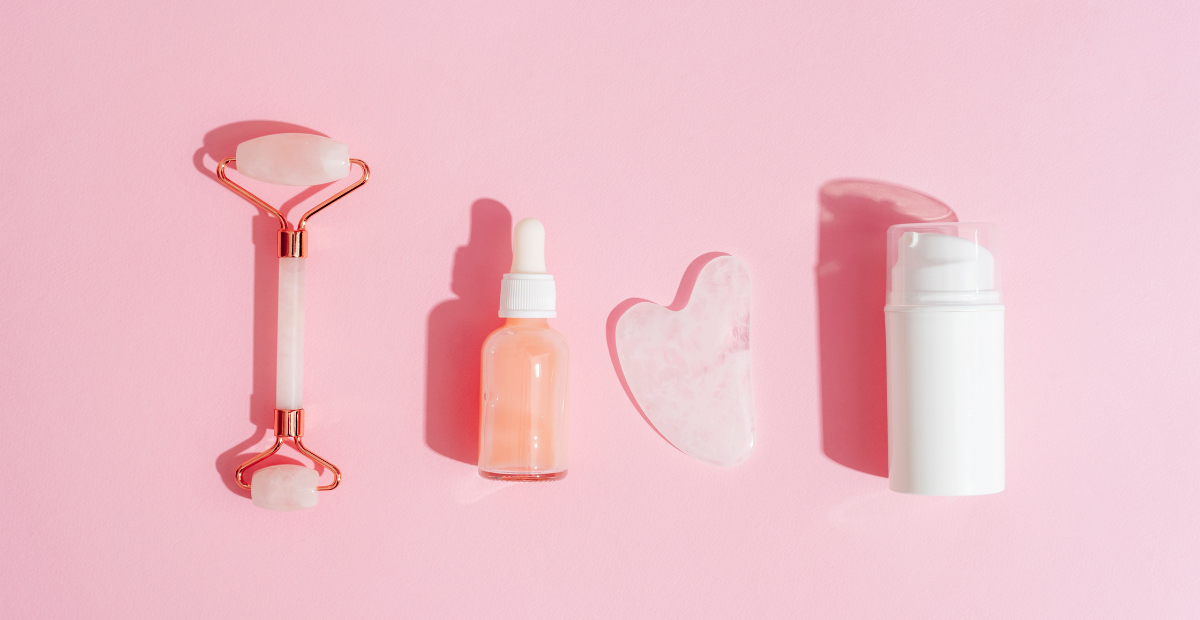
If you plan to have a relaxing day entirely dedicated to self-care, the gua sha facial massage seems like a natural choice. It feels nice, it’s meditative, and it helps take your mind off other things. So, make a playlist, light a scented candle if you’re feeling fancy, choose a face oil for gua sha that works best, and get ready to relax.
Speaking of gua sha oil: there are plenty of options out there, but only some will give you the glide you need to prevent tugging, hydrate your skin, and help keep your pores clear.
Here are a couple of things to keep in mind.
Why oil matters
Two words: safety and efficacy. You want just enough slip to avoid accidentally scraping your skin and a formula that’s less likely to cause breakouts.

Slip and protection
The primary goal of a face oil for gua sha is to create a slick barrier between the stone and your skin. If you try to move a tool over a dry face, you risk causing friction that can lead to microtears, redness, and even broken capillaries. A high-quality facial oil for gua sha allows the stone to glide effortlessly, so the pressure targets the muscles beneath the skin without irritating the surface.
Easier absorption
Your skin is much more receptive to active ingredients when it’s warm, like after a gentle massage. A gua sha session can not only enhance the absorption of active ingredients, but also positively affect hydration.
How to choose the oil
Not all oils are created equal, and the best facial oil for gua sha does more than make the process easier—it matches your skin’s specific needs.
Go noncomedogenic
Be aware of which ingredients clog your pores. If you’re prone to breakouts, check any new facial oil for compatibility with your skin before you commit to purchasing it. The label might not always say it outright, so you’ll need to do a little homework and investigate not only what ingredients are commonly considered pore-clogging, but also what breaks you out.

Stay lightweight
A lightweight texture is the safest bet here. You want just enough to provide a smooth glide without feeling like you’ve been dipped into a tub of grease. A face oil for gua sha should absorb well but still leave enough slip for your tool to move freely.
Top choice for each skin type
Here’s a breakdown of the best gua sha face oil options based on your skin type.
Any skin: Jojoba oil
If you’re unsure where to start, jojoba oil is your safest bet. It usually suits most skin types, including acne-prone and oily skin. Plus, it’s rich in vitamin E, which makes it an excellent moisturizer. It’s unlikely to break you out, which is why it’s a reliable choice for just about anyone.
Dry skin: Rosehip oil
For dry, mature, or scarred skin, rosehip oil is the top choice. It’s packed with vitamins A and C, which promote skin regeneration and help improve your complexion. This oil has a very low comedogenic rating, so it’s gentle and effective for tackling fine lines and uneven tone.

Sensitive skin: Squalane oil
Sensitive and dehydrated skin types can both benefit from squalane oil. It’s incredibly lightweight and non-greasy, which is how you get all that deep hydration without a heavy feel. Squalane is a fantastic choice if your skin tends to get irritated easily. Much like rosehip, its comedogenic rating is very low.
Congested skin: Grapeseed oil
If you’re battling breakouts and congestion, grapeseed oil is worth considering. It’s extremely light, has brightening qualities, helps with hyperpigmentation, and has a soothing effect on the skin. It’s a great option for those who are prone to acne but still want the benefits of a facial oil.
Gua sha step by step
Now that you’ve picked your face oil for gua sha, here’s how to use it to get the most out of your new relaxing routine.
Step 1: Cleanse your face
Make sure to wash off dirt and makeup to help the oil penetrate better and prevent impurities from being pushed back into your pores.
Step 2: Warm the oil
Start with 3–5 drops of your chosen gua sha facial oil. Rub the oil between your hands to warm it so it spreads more easily.

Step 3: Apply evenly
Gently press your palms to your face and spread the oil evenly from your neck and jaw to your forehead. You’re aiming for a light, even layer of oil, generous enough to create an ample cushion for the stone.
Step 4: Begin the massage
Hold your gua sha stone at a 15–30° angle and use gentle, upward, and outward strokes. Don’t press too hard: let the weight of the stone do the work. Start at the neck, moving up toward the jawline, then the cheeks, around the eyes, and finally the forehead. Repeat each stroke 3–5 times.
Step 5: Finish up
When you’re done, you have two options: leave the oil on so it keeps nourishing your skin, or gently pat off any excess with a tissue. Follow with your favorite serum or moisturizer.
Common mistakes
A few missteps are bound to happen, especially if you’ve never done gua sha before. Here’s what to watch out for.
Too little oil
If the stone doesn’t glide smoothly, you’re not using enough oil. Add another 1–2 drops mid-session if needed. Your goal is a smooth, slick surface where the tool feels like it’s floating, not dragging.
Wrong oil
An oil like coconut oil is way too thick, and your skin is unlikely to handle it without becoming congested. It’s considered to be highly comedogenic, so it’s definitely a skip for gua sha.

Dirty skin
Always wash your face first. If you wear makeup, consider double-cleansing: use an oil-based cleanser first, followed by a water-soluble one.
Key Takeaways
- Never skip the oil: You need the glide to prevent dragging.
- Choose wisely: Use noncomedogenic, lightweight oils.
- Avoid heavy oils: Steer clear of coconut oil; it can clog pores.
- Apply generously: Start with 3–5 drops, then add more if needed.
- Always start clean: Only apply oil to a freshly washed face.


-
1.
Influence of mechanical skin treatments on dermal penetration efficacy of active ingredients. (2022). https://pmc.ncbi.nlm.nih.gov/articles/PMC9502347/#sec4-pharmaceutics-14-01788
-
2.
Study of the antimicrobial effect of jojoba and wheat germ oils in vitro. (2025). https://ijhmr.com/wp-content/uploads/2025/03/8.pdf
-
3.
The effectiveness of a topical rosehip oil treatment on facial skin characteristics: A pilot study on wrinkles, UV spots reduction, erythema mitigation, and age-related signs. (2025). https://www.mdpi.com/2079-9284/12/3/125?utm_source=researchgate.net&utm_medium=article
-
4.
Ionic liquid-based grapeseed oil emulsion for enhanced anti-wrinkle treatment. (2024). https://pmc.ncbi.nlm.nih.gov/articles/PMC11510344/#sec1-pharmaceuticals-17-01273
-
5.
Clinical trial to evaluate the effect of grape seed extract-loaded hyalurosomes on skin wellness. (2025). https://www.mdpi.com/2079-9284/12/2/38
-
6.
A comprehensive review of plant-based cosmetic oils (virgin coconut oil, olive oil, argan oil, and jojoba oil): Chemical and biological properties and their cosmeceutical applications. (2024). https://pmc.ncbi.nlm.nih.gov/articles/PMC11541506/#sec1