Emollients Explained: Your Skincare Essentials for Barrier Support

Your guides through the skincare chaos

Dry, flaky, or irritated skin? Yeah, we’ve all been there. Emollients jump into action here. These are skincare superheroes working behind the scenes to soothe, soften, and protect your skin from the daily grind.
Whether you’re battling seasonal dryness or managing skin conditions like eczema or psoriasis, an emollient in the ingredient list of a face cream can transform your beauty routine. So, let’s name these emollients and dive into the magic of these skin saviors.
What Is an Emollient?
So, what is an emollient exactly?
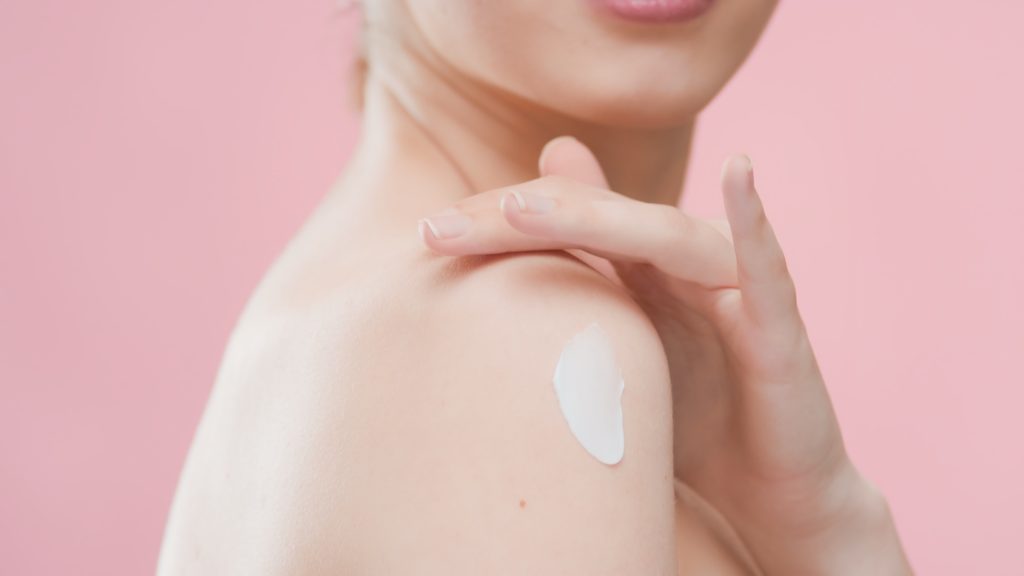
The skin is the body’s largest organ, and its outer layer, the epidermis, plays a major role in keeping moisture in and irritants out. When that barrier gets disrupted (from dryness, cold weather, or certain skin conditions), your skin starts losing water fast, leading to flaking, tightness, and even irritation.
That’s exactly where emollients come in. These ingredients fill in the tiny cracks between skin cells with nourishing lipids (fats), helping to smooth, soften, and soothe. As a result, emollients support the barrier, lock in hydration, and protect your skin from external stressors like wind, pollution, and harsh air. Sounds great? 🙌
In short, let’s make the emollient meaning clear: it’s an active skincare ingredient that can support severely dry skin and conditions like eczema, atopic dermatitis, and psoriasis. It’s your BFF in case your skin barrier is compromised and needs extra care.
Types of Emollients
If you’ve already used OnSkin, you know how important ingredient labels are in understanding what’s in your beauty bag. The app helps you find safe products that suit your skin and avoid anything questionable.
When it comes to emollients, these ingredients come in different types. Here are the emollient examples you can find on ingredient lists:
🥥 Natural plant oils. Shea butter, avocado oil, coconut oil, almond oil, castor oil, and even rapeseed oil—they’re lipid-rich and can nourish the skin deeply.
🧪 Synthetic emollients. Like squalane, triglycerides, and ceramides. These mimic your skin’s natural lipids.
🧴 Fatty alcohols. Think cetearyl alcohol, which helps trap moisture.
These emollients can help you replenish lost lipids in the skin, boost hydration, and increase elasticity. As a bonus, your makeup goes on smoother and lasts longer, too.
Next, let’s zero in on all the major cases where emollients can be your skin’s best friends.
Emollients for Extra Dry Skin
If your skin flakes like a croissant or cracks in winter like sidewalk concrete, you may be dealing with lipid deficiency and a compromised barrier. In that case, your cue is clear: emollients for dry skin.
These ingredients act like bodyguards for dry skin, locking in moisture and shielding your skin from cold winds, dry air, and harsh indoor heating. Use them regularly, and your skin will feel softer, smoother, and more comfortable.
Emollients for Eczema
Good news—there’s evidence that emollients can help manage eczema. Eczema refers to a group of conditions that cause inflammation, redness, and itching of the skin. If you’ve ever experienced it, you know how much it can disrupt daily life. As a chronic condition, it often leads to inflamed skin lesions.

So, what does the research say? A big systematic review looked at 77 studies with over 6,600 people and found that using emollients can:
- Lower how often flare-ups happen,
- Make the eczema less severe,
- Reduce how much you need steroid creams,
- Keep flare-ups away for longer,
- And even help with itching a bit.
Certain types of emollients stood out: urea creams helped with dryness and cutting down flare-ups, while those with glycerin improved skin condition and severity.
Emollients for Atopic Dermatitis

In particular, emollients can be effective for atopic dermatitis, the most common form of eczema. It’s a chronic inflammatory condition that causes intense itching and irritation. While treatments like steroids or calcineurin inhibitors are often prescribed during flares, emollients play an important role, too.
How do they help? Emollients help keep the skin hydrated, support the barrier, and make it harder for irritants to sneak in. Studies show that an emollient can be a helpful hand for treating atopic dermatitis. To be clear, they don’t replace medicine, but keep your skin healthier between flare-ups.
Emollients for Psoriasis
Psoriasis is another chronic inflammatory condition that goes beyond flaky skin. It weakens the skin barrier, leading to redness, dryness, and scaling. While prescriptions do the heavy lifting, emollients offer much-needed support.
How exactly? Emollients help keep dry, irritated skin more comfortable. They support the skin barrier, soothe itchiness, and may even help reduce inflammation. Studies suggest they’re especially helpful for milder cases, sensitive areas like skin folds, and when stronger treatments aren’t a good option, like during pregnancy.
Give Your Skin the Care It Needs

Emollients aren’t just for eczema or older skin—they’re for anyone dealing with dryness, irritation, or environmental stress. Knowing what an emollient is and picking the right one is as essential as daily SPF.
To sum it up, whether you have dry skin, eczema, or psoriasis, emollients are here to protect and repair your skin. Next time you grab a moisturizer, look for ingredients like triglycerides, ceramides, plant oils such as coconut oil and shea butter, and more. Alternatively, OnSkin will help you find the most suitable option in a snap.
Remember this: healthy skin isn’t just soft—it’s strong.


-
1.
Emollients: benefits, key elements, and clinical application. (2020). https://pubmed.ncbi.nlm.nih.gov/32892528/
-
2.
Atopic dermatitis: an overview. (2012). https://pubmed.ncbi.nlm.nih.gov/22962911/
-
3.
Emollients and moisturisers for eczema. (2017). https://pubmed.ncbi.nlm.nih.gov/28166390/
-
4.
Therapeutic moisturizers as adjuvant therapy for psoriasis patients. (2009). https://pubmed.ncbi.nlm.nih.gov/19209948/