Dry Shampoo: A Useful Trick or Hair Care Trouble?

Your guides through the skincare chaos
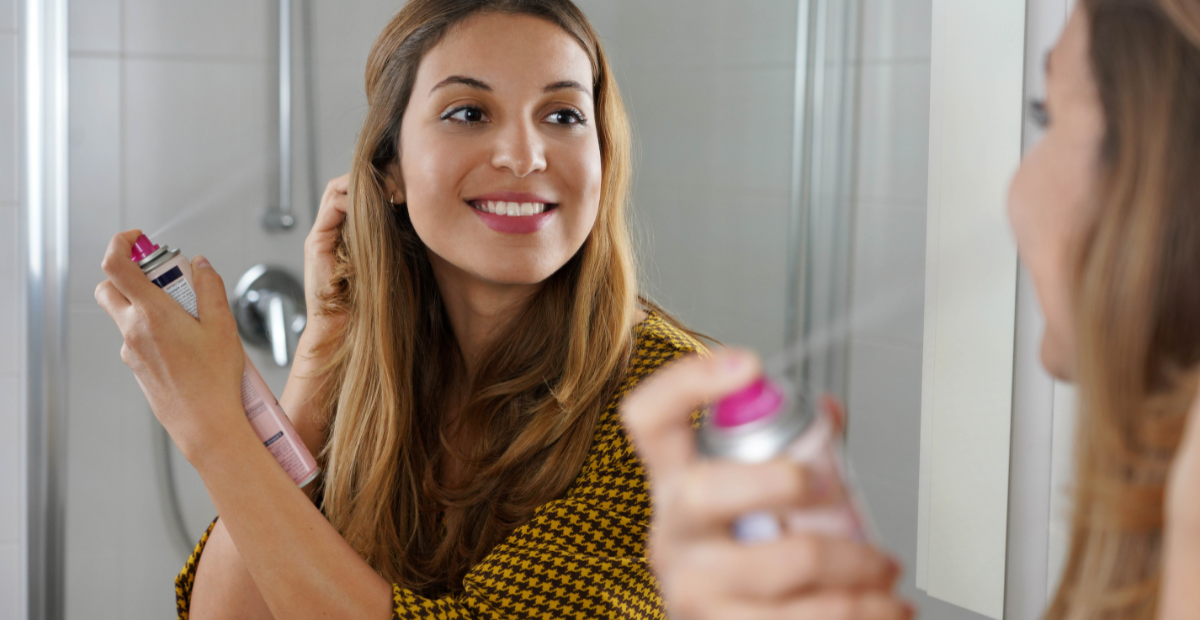
Dry shampoos have become a discovery for skincare enthusiasts. These magical products can make your dirty hair look fresh in seconds, without the need to soak, wash, and dry it. But is it truly harmless magic, or will it eventually disappoint you by bringing a bunch of skin issues? Let’s find out!
What Is Dry Shampoo?
The word “shampoo” originally meant “to massage” and comes from the Hindi word champo. Both traditional and dry shampoos require some massaging to work effectively.
However, there’s a key difference. Traditional shampoo cleans your scalp, while dry shampoo only absorbs oil and doesn’t remove dirt or sweat. Instead, it makes hair look refreshed between washes by soaking up excess grease. To cut a long story short, dry shampoo is a quick fix rather than a cleansing solution.
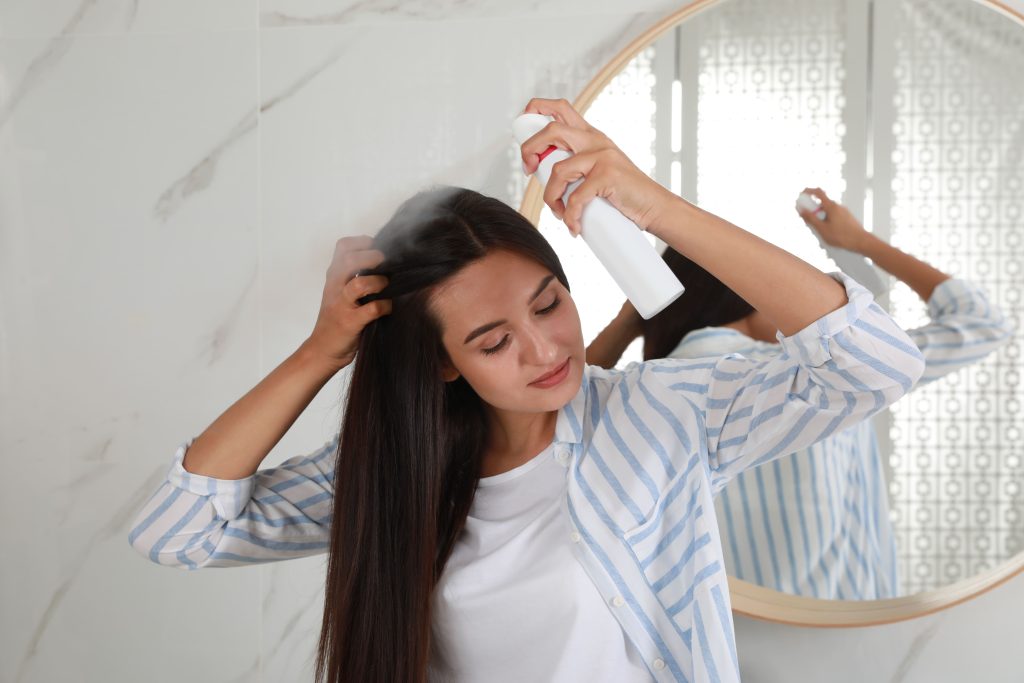
Moreover, excessive use can lead to skin problems. Incorrect application and lack of regular washing may cause dryness, rashes, and inflammation.
How Does It Work?
To understand how dry shampoo works, let’s take a quick look at hair anatomy first.
The visible part of the hair (the shaft) is made of dead cells. Its condition is affected by the environment, heat styling, salon treatments, and home care.
The living part is the root (or hair follicle), which lies beneath the skin and isn’t visible to the eye. Each adult has between 100,000 and 150,000 hair follicles, depending on hair color. Attached to each follicle is a sebaceous gland that produces sebum—an oil that coats the hair and forms a water-lipid film on the scalp. This film plays a very important role: it protects against bacteria and UV rays, and helps keep the skin from drying out by locking in moisture.
Now that we understand what sebum is and the role it plays, let’s look at how dry shampoo works with it.
Dry shampoo usually comes in spray form and contains a gas (like butane or propane) to disperse the product. It also contains an oil-absorbing powder—often corn or rice starch—which soaks up excess sebum. So, while it makes hair look cleaner, it doesn’t actually remove dirt or oil.
How to Use Dry Shampoo
Knowing the limits is key to safe use. As we already know, dry shampoos can’t fully replace traditional washing, so using them at the right frequency and applying them correctly can help you avoid issues like itchiness or dullness.
Opt for dry shampoos sold in stores.
The American Association of Dermatology strongly recommends not to use under-the-counter products. These homemade goods often include ingredients like baking soda or cocoa powder, which can irritate your scalp. Even if a store-bought product costs more, dealing with the effects of homemade dry shampoo could end up being even more expensive and unpleasant.
Buy a dry shampoo that matches your hair color and suits your hair type.
Modern products come with specifications for different hair colors and types. While this can sometimes be a marketing trick, it’s still a good idea to consider these factors when choosing a product.

Moreover, some formulas also include plant extracts, fragrance, or alcohol, so if you want to be 100% sure a product is right for you, use the OnSkin app instead of relying on the product’s label. Just scan the product or its barcode before buying, and the app will provide details on its ingredients, safety, and whether it suits your hair.
Don’t overdo it.
Apply dry shampoo only when necessary. As you remember, it absorbs excess oil, so focus on greasy areas. Start with a small amount at the scalp. Adding more is fine, but too much of it can make hair dry, stiff, or cause irritation.
It’s also better to always check the product’s recommended application time in the instruction. As soon as it’s expired, brush out your hair to remove the product together with oil.
Keep Washing Your Head.
Now the most important part. As dry shampoo absorbs oil between washes but doesn’t clean your hair, regular washing is essential to remove dirt and oil. Overusing dry shampoo without washing can lead to hair breakage and scalp issues like seborrheic dermatitis. The thing is dry shampoo leaves a buildup on your scalp. Over time, this can cause irritation, dandruff, or even rashes. While there’s no strict rule, the American Association of Dermatology suggests washing your hair after using dry shampoo once or twice to maintain healthy hair and scalp.
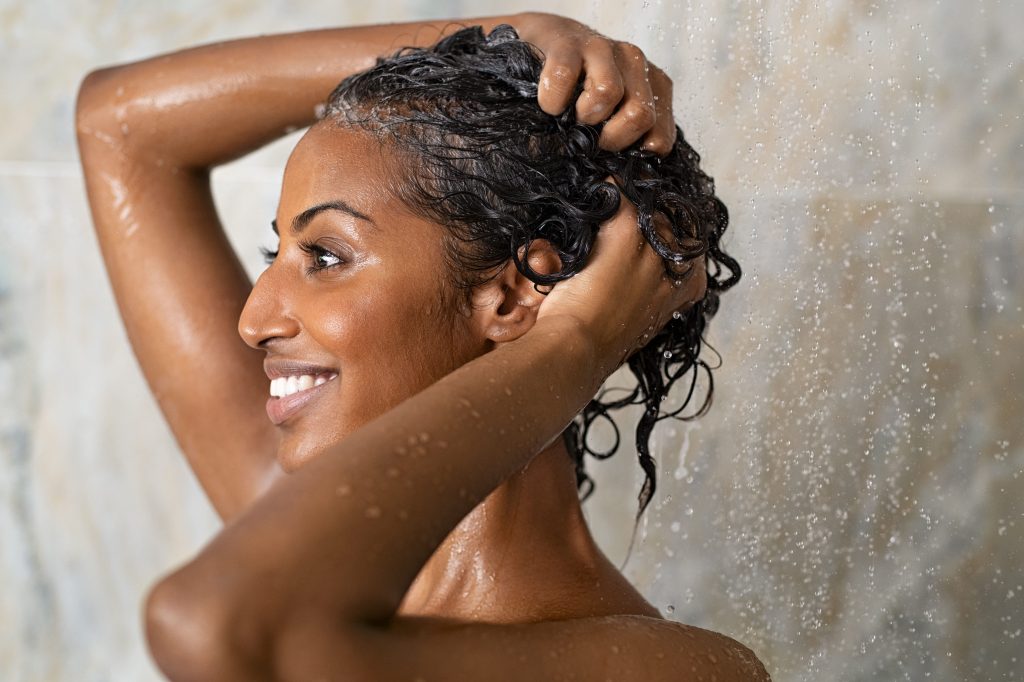
However, traditional hair washing also has its peculiarities. It’s always better to avoid harsh shampooing, hot water, and products with strong ingredients in the formula, like fragrances, parabens, and alcohols. Here’s a detailed list of the most common bad habits that are harmful to your hair.
Scalp exfoliation is one more thing to help your hair glow. To learn everything you need about this process, its types, and benefits, check out our essential guide on the topic.
Just a reminder: you can use the OnSkin app to check a product’s safety and learn about any potential drawbacks of its ingredients.