Does Icing Your Face Help with Acne? Read This Before You Grab That Ice Cube

Your guides through the skincare chaos

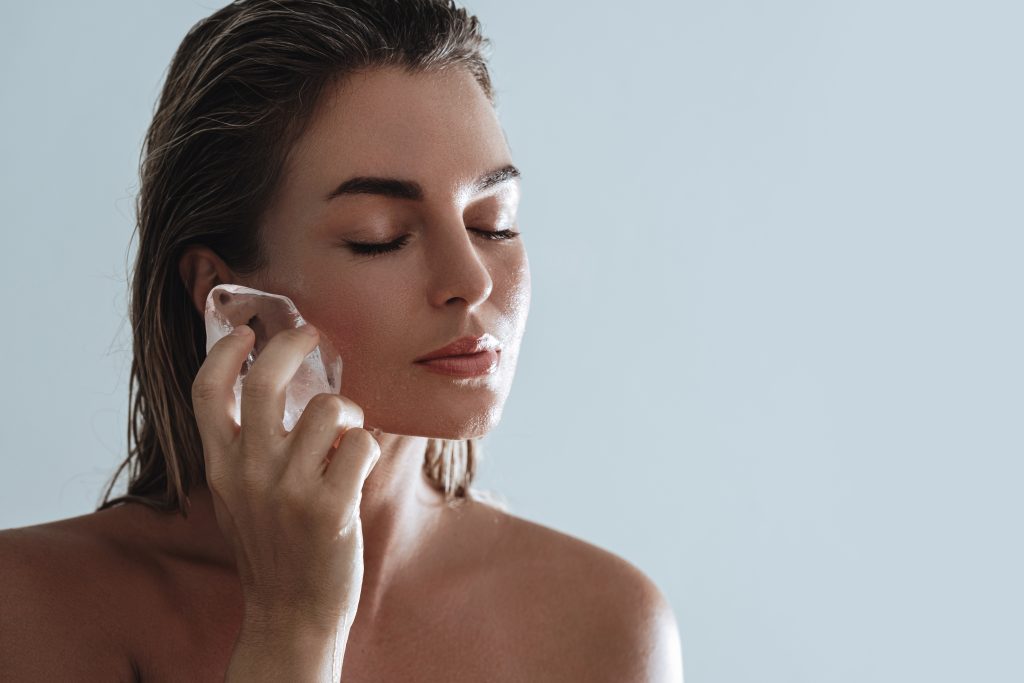
Listen, just do it. Brace yourself, take a deep breath, and press those ice cubes to your face. 1… 2… 3… Ugh, if you’ve ever massaged your face with ice cubes or splashed cold water on your face, you know the feeling. At first, it’s a shock, but then it starts to numb, and you think, “It’s all for my skin!”
And you’ve heard the buzz: icing is supposed to help soothe zits, refresh your skin after a long week, and even depuff your under-eye area. Plus, it may feel like the more uncomfortable it is, the better the payoff, right? But is that true for ice? Does icing your face help with acne, and what does science say about it?
Does Icing Your Face Help with Acne?
Let’s cut to the chase—no scientific data is proving that icing is effective for acne, just some anecdotal evidence, Reddit comments, and maybe your own experience.
When applied to inflamed acne, ice might help calm the redness, making inflammatory pimples like pustules and cysts less noticeable. It can also ease pain in these kinds of pimples thanks to its temporary numbing effect. While ice can reduce inflammation and make pimples feel less painful, it won’t eliminate what’s inside. Unfortunately, it’s also unlikely to have much effect on non-inflammatory pimples like comedones (i.e., blackheads and whiteheads).
That’s because clearing up acne isn’t about relying on just one method—whether it’s icing or clay masks. Instead, it’s about finding an effective daily routine that your skin loves and responds well to, and the best way to do that is by consulting a dermatologist.
If that’s not an option for you, and you often feel lost when shopping for skincare—online or in-store—and need a guiding hand (without bringing a health expert), try OnSkin. Simply type in a product name, snap a picture of its packaging or barcode, and instantly open its full profile. You’ll see how safe the product is, whether it contains harmful ingredients (and why they might be problematic), and if it’s suitable for your skin, along with its reasoning.
What to Know If You’re Eager to Try Anyway
Imagine your skin just chilling, enjoying a relatively stable temperature, and then… whoosh! Something extra cold lands on it. Any skin expert would say that such temperature spikes could cause your skin to react in various ways, especially when applied for too long. Some potential reactions include:
- Ice burns, frostbite — While you might associate frostbite with extreme situations like mountaineering or getting lost in the woods, it can also occur from prolonged direct contact with cold packs, ice, or other frozen items on your skin.
- Increased redness, irritation
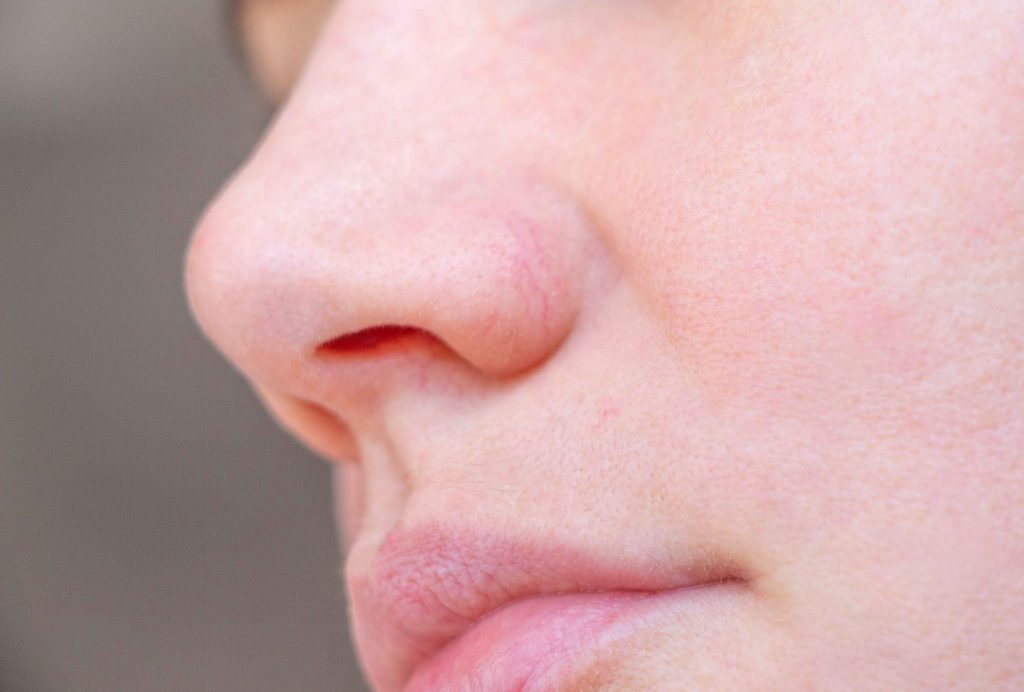
- Broken capillaries — Sudden cold exposure can cause tiny blood vessels (capillaries) to break, leading to visible red “threads” on the skin. In some cases, these broken capillaries can stick around for good and might need non-invasive treatments to remove them. Not to freak you out, but if you’re prone to them or they run in your family, it’s best to skip the ice to avoid any unwanted damage.
- Overdrying the skin — Frequent icing can strip the skin of its natural (and so much needed!) moisture, making it dry or flaky.
- Triggering skin conditions — If you have eczema, rosacea, sensitive skin, or any other skin issues, icing can exacerbate them instead of helping.
How to Apply Ice Safely
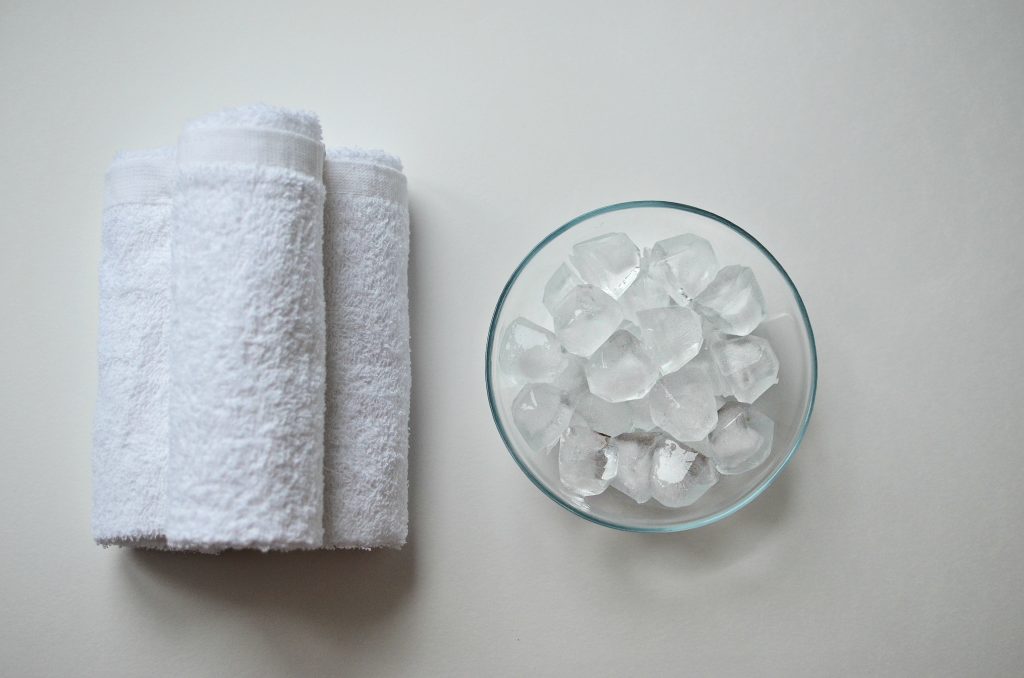
Here are just a few quick tips before you venture on the “cold therapy”:
- First, Captain Obvious here 🦸🏼♀️ — be sure to cleanse your skin beforehand, just as you would with any other treatment. But hey, we know you love your skin and already follow this rule religiously—consider this just a friendly reminder.
- Wrap the ice 🧊 — Avoid applying ice directly to the skin—use a barrier like a washcloth or a towel instead. This way, you protect your skin from potential ice burns, irritation, and excessive cold exposure while still getting the cooling benefits.
- Limit contact time 🧊 — Apply for no more than 1–2 minutes at a time, with breaks in between.
- Avoid excessive use 🧊 — Once or twice a day is enough to see benefits without risking damage.
- Be cautious on sensitive areas 🧊 — Be cautious near the eyes or on thin skin, no matter how much someone swears it helped depuff their eyes in seconds.
- Hydrate and moisturize 🧊 — After such a rollercoaster of sensations, your skin deserves some good pampering to restore its balance and hydration.
But wait—we mentioned eczema, rosacea, and sensitive skin, and you might be wondering: is there any way for people with these conditions to try icing safely?
The best approach is to explore other, more effective, and often gentler treatments. However, if you still want to try cooling therapy, opt for cold compresses instead of direct ice to minimize the risk of irritation.rect ice to minimize the risk of irritation.
So Does Icing Your Face Help with Acne?
Although ice may help reduce inflammation and ease the pain of a surprise zit, science has yet to give this method a definitive yes or no for treating acne. If it works for you, use it sparingly. If you’re just about to try it, our advice remains the same—go gently, avoid direct contact with ice, and prioritize consistent skincare over quick hacks and trends.


-
1.
Is it time to put traditional cold therapy in rehabilitation of soft-tissue injuries out to pasture? (2021). https://pmc.ncbi.nlm.nih.gov/articles/PMC8173427/