A Guide to Sleep Wrinkles: How to Stop Them in Their Tracks

Your guides through the skincare chaos
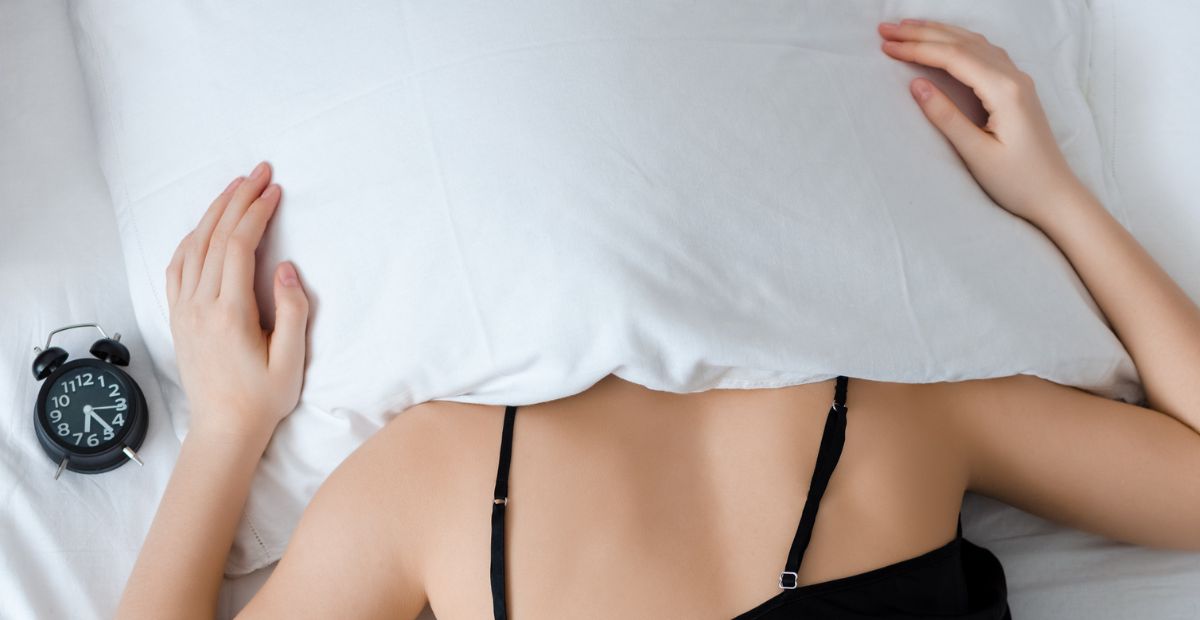
Ever woken up with mysterious sleep lines on face that refuse to disappear right away? At first, they look harmless—like pillow marks that will fade. But over time, some of those sleep marks on face stick around. That’s when temporary impressions evolve into sleep wrinkles. And unlike laughter lines, these ones don’t feel like a reward for happy memories.
What Are Sleep Wrinkles?
Simply put, sleep wrinkles are lines and creases that develop from your face being pressed into a pillow night after night. They’re not the same as “smile lines” or forehead furrows that come from emotions. Nope—these are mechanical. Caused by squishing, folding, and compressing your skin while you snooze.
Back in 1987, Dr. Stegman introduced the term “sleep creases” to describe diagonal or vertical lines that didn’t fit the usual wrinkle categories. Unlike wrinkles caused by sun damage, smoking, or repeated facial expressions, these lines are triggered by specific sleep habits.
Since then, researchers have confirmed: these aren’t an urban beauty myth. They’re a real phenomenon linked directly to our sleep positions and habits.
How Do Sleep Wrinkles Look on the Face?
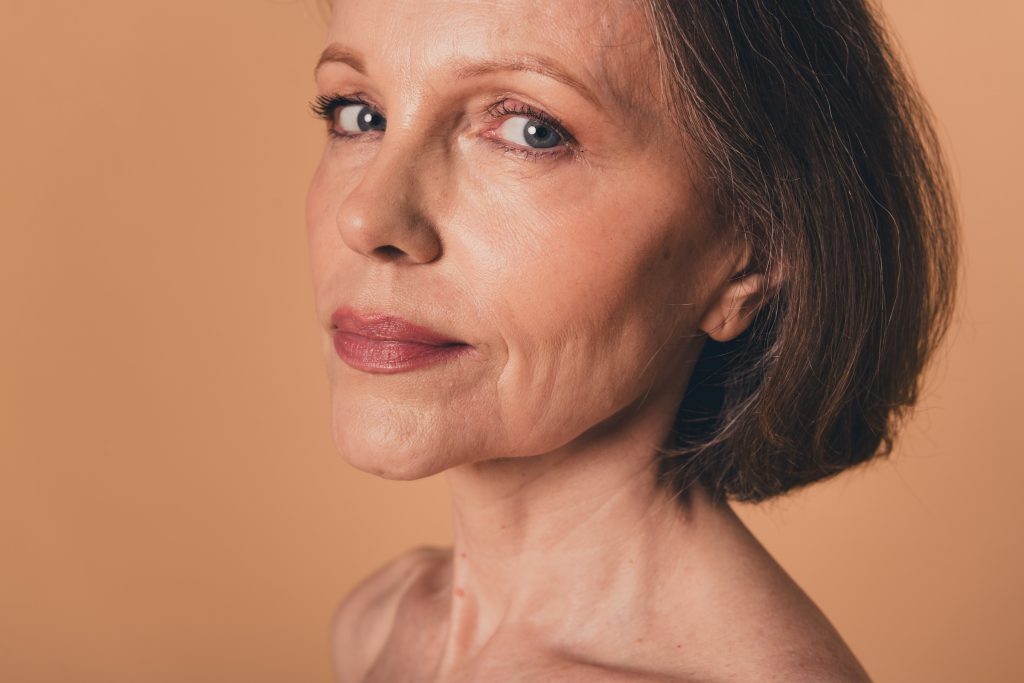
So, what do they actually look like? Unlike expression wrinkles that run horizontally across the forehead or fan out at the corners of your eyes, sleep lines often appear vertically or diagonally. Think lines on the cheeks, chin, around the eyes, and even across the forehead.
And here’s the kicker: they’re especially noticeable in the morning. Sometimes they fade as the day goes on—especially in younger skin. But over time, the creases stop disappearing. As skin ages, elasticity decreases, and the marks no longer fade, deepening into lasting sleep wrinkles.
How Do Sleep Wrinkles Form?
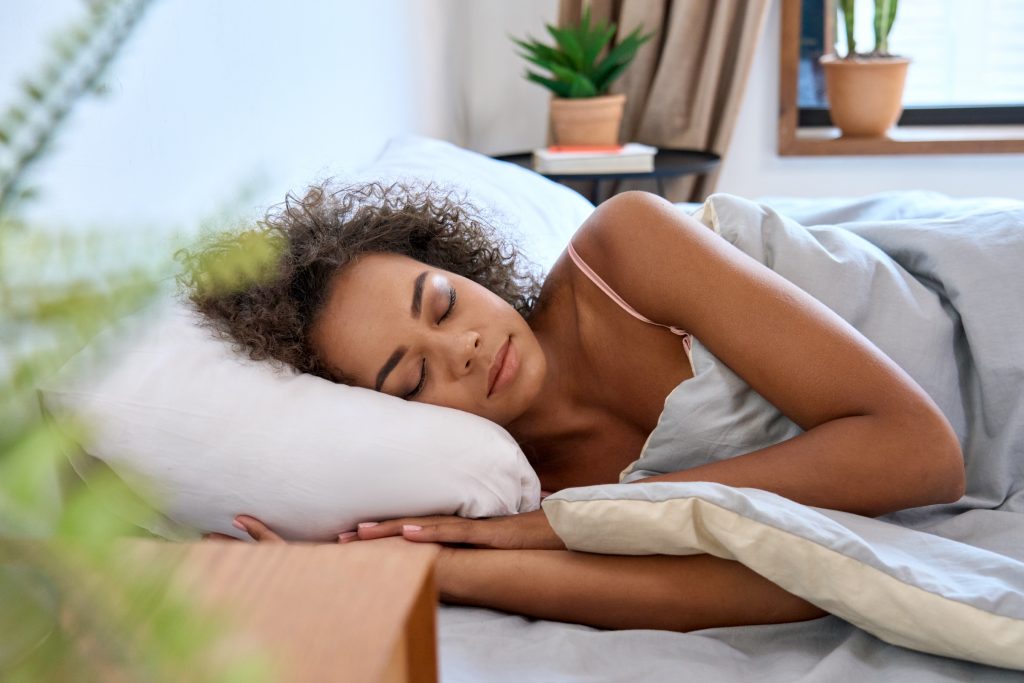
Sleep position plays a huge role. Side and stomach sleeping press the face into the pillow, folding and stretching the skin. Gravity adds extra pull, and with time, those repeated distortions create sleep wrinkles.
In younger skin, these creases often vanish quickly. But as collagen breaks down with age, skin can’t spring back as easily. Studies confirm that middle age, especially post-menopause, accelerates the development of permanent sleep wrinkles.
Habits amplify the problem. Always sleeping on one side, skipping moisturizers, or neglecting hydration all increase the skin’s vulnerability.
How to Have Fewer Sleep Marks
So, what can actually help? The focus here is prevention.
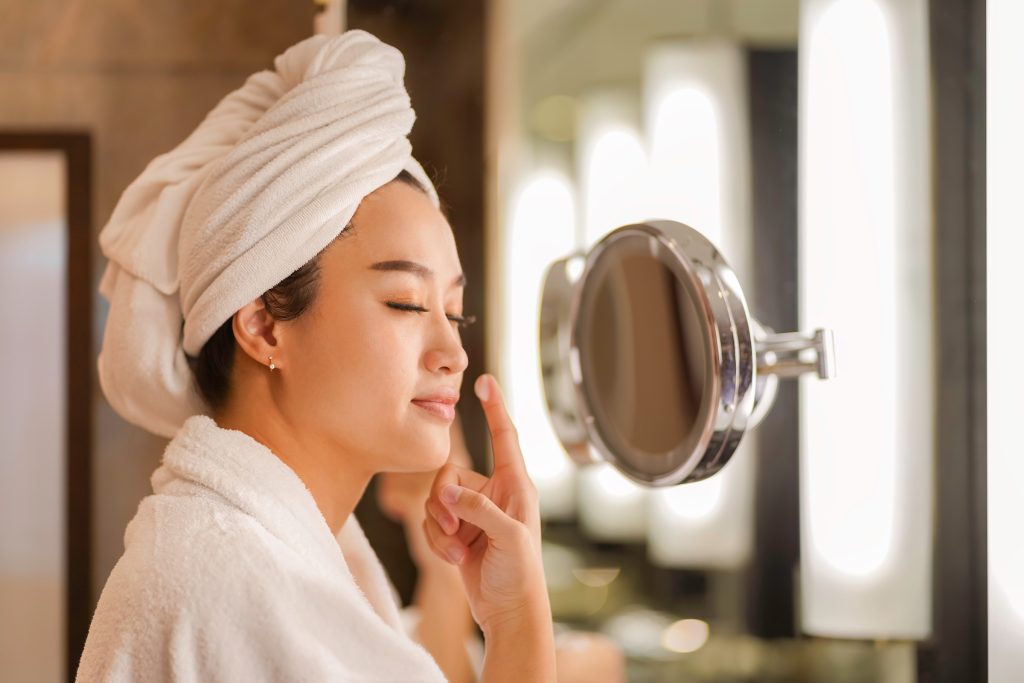
Moisturize properly. Hydrated skin resists compression better. And to make sure hydration really works, tools like OnSkin can help find the right moisturizer for your skin type and needs.
Change your sleeping position. Back sleeping minimizes face-to-pillow contact. Easier said than done, but worth trying.
Switch pillowcases. Fabrics matter. A silk pillowcase reduces friction and lets your skin move smoothly, lowering the risk of sleep lines. Some studies even show copper-infused pillowcases improve skin elasticity and reduce wrinkles (here’s why you need one).
Follow a healthy lifestyle. Sun protection, quitting smoking, good nutrition, and staying hydrated all support skin resilience.
What about facial procedures? Treatments like Botox and fillers work wonders for expression lines, but they don’t do much for sleep wrinkles. That’s because these lines aren’t caused by muscle movement. Instead, they come from the skin being squished against the pillow night after night.
Could the Right Pillow Help?

Believe it or not, your pillow could literally be part of your anti-aging routine. Researchers have experimented with specially designed pillows that cradle your head while leaving most of your face suspended.
One Slovenian study tested a transparent PVC pillow filled with air to see how facial deformations happen during sleep—and then developed an alternative pillow that reduced them.
The results? After 28 days, participants who used the anti-wrinkle pillow showed about a 12% reduction in facial wrinkles. That’s not magic, that’s mechanics. By redistributing pressure away from delicate facial areas, these pillows stop temporary sleep marks on the face from evolving into permanent ones.
Of course, studies note some limitations—small sample sizes, short durations, and the fact that we naturally change positions multiple times a night. Still, the evidence is promising.
Sleep on This
Sleep wrinkles are proof that even rest can leave its mark. The good news: small changes—like the right pillowcase, proper moisturizer, or even adjusting sleeping position—go a long way in preventing sleep lines on the face from becoming permanent. Smooth, rested skin isn’t just about how much sleep you get, but how you sleep.


-
1.
Sleep Creases. (1987). https://journals.sagepub.com/doi/epdf/10.1177/074880688700400406
-
2.
Sleep Wrinkles: Facial Aging and Facial Distortion During Sleep. (2016). https://academic.oup.com/asj/article-abstract/36/8/931/2613967#google_vignette
-
3.
The Neglected Importance of Sleep on the Formation and Aggravation of Facial Wrinkles and Their Prevention. (2016). https://www.scirp.org/journal/paperinformation?paperid=67035
-
4.
The influence of the sleeping on the formation of facial wrinkles. (2012). https://www.researchgate.net/publication/224050876_The_influence_of_the_sleeping_on_the_formation_of_facial_wrinkles