Best Self-Care Apps: Small Steps That Make a Big Difference

Your guides through the skincare chaos
Between work, news, social obligations, and everything in between, it’s easy to forget about, well, you. Self-care apps put you back at the top of the priority list without stealing what little time you have to rest and unwind.
Let’s walk through the best wellness apps on iOS and Android, one by one.
Quick overview
- Insight Timer: Take advantage of a massive library of free guided meditations and sleep music.
- Down Dog Yoga: Generate a fresh, personalized yoga practice every time; beginner-friendly.
- OnSkin: Analyze any skincare product’s formula using an AI-powered scanner to ensure its safety and compatibility with your skin.
- Daylio: Note your emotional patterns and build habits with this quick journaling app.
- BrainGain: Train your memory, focus, problem-solving, math, and language skills with dozens of fun adaptive games.
Insight Timer: Your free meditation library
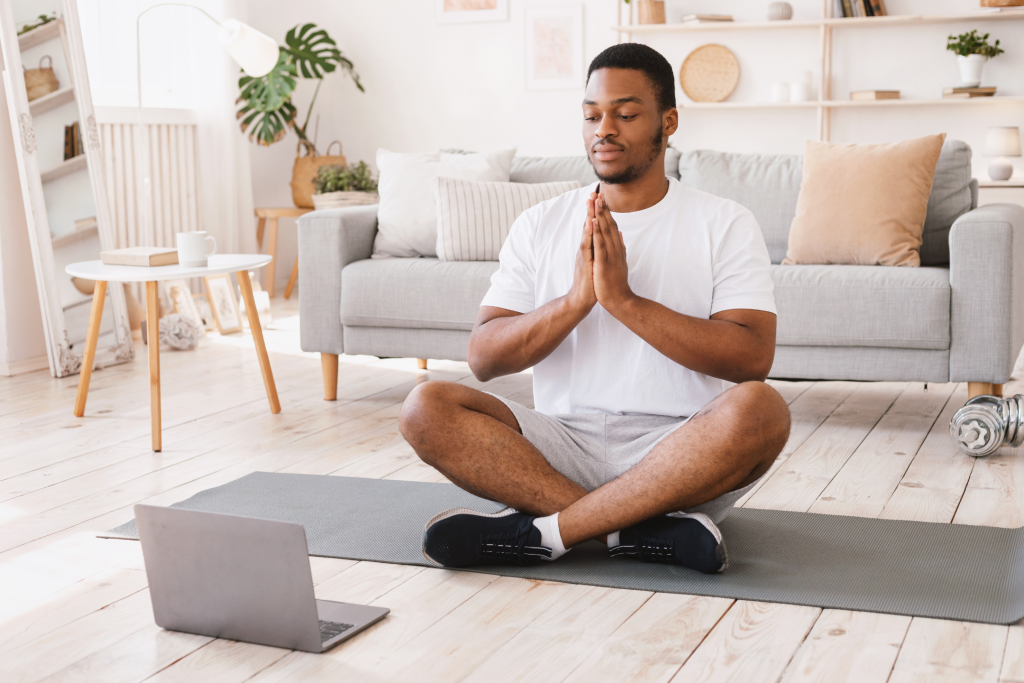
Free self-care apps offering more than the bare minimum are hard to come by. Insight Timer has one of the largest libraries of free guided meditations, with thousands of ambient sounds by world-renowned artists and talks from top meditation and mindfulness experts.
Key features:
- Vast library of free guided meditations on a variety of topics.
- Flexible options for beginners and advanced users.
- Lots of content available without a premium subscription.
- Community features and thousands of discussion groups.
Drawbacks to consider: The sheer volume of content in self-care apps like Insight Timer can be a little overwhelming for some users. Additionally, some users find the pop-up prompts and messages a bit intrusive.
The app is available on iOS and Android.
Down Dog Yoga: Your personalized yoga practice
If you’ve ever been intimidated by the idea of attending a yoga class, free wellness apps like Down Dog might be right up your alley. The app creates a new, personalized yoga practice for you every session. You can choose from styles like Vinyasa, Restorative, Yin, Wake-Up Yoga, and more, and set the duration, music, and instructor voice.

Key features:
- Highly customizable sessions tailored to your preferences.
- New sequences generated each time to keep things fresh.
- Clear instructions and modifications for all skill levels.
- One subscription covers multiple Down Dog apps.
Drawbacks to consider: Some users note that the “beginner” setting can include challenging poses, so it’s worth starting slow. Others note that while each flow is technically different, the generated sequences can start to feel repetitive after extended use.
The app is available on iOS and Android.
OnSkin: Your personal skincare scanner
AI wellness apps are getting personal. Really personal. OnSkin, for example, helps you make smarter decisions about your skin and hair care. Use the app’s scanner to analyze new products before you buy, and get practical advice based on the results. It demystifies ingredients and helps you find products that actually suit your unique skin and hair profile.

Key features:
- Practical, actionable advice based on dermatological research.
- AI-powered analysis with personalized routine recommendations.
- Instant product scanning with real-time feedback.
- A smart sorting system that decodes confusing labels in seconds.
Drawbacks to consider: While self-care apps like OnSkin can offer helpful guidance, remember they’re not a substitute for professional advice from a licensed dermatologist. If a skin condition persists, it’s better to err on the side of caution and schedule an appointment with your doctor.
The app is available on iOS and Android.
Daylio: Your mood-tracking journal
Self-care apps like Daylio help you understand your emotional patterns without cutting into your free time. If you’re not into lengthy journaling, this could be a great alternative. Select a mood from “rad” to “awful,” pick the activities you did that day, and you’re done! Each entry takes less than a minute. The app then compiles your entries into handy charts and statistics, so you can easily visualize your emotional trends.

Key features:
- Effortless mood tracking with quick entries.
- Automatic chart generation that reveals emotional patterns.
- Helps connect activities with emotional states.
- No spammy notifications or pressure to use the app.
Drawbacks to consider: The five-mood system is fairly basic and might not capture the full nuance of your emotional experience. And if your goal is task management over emotional awareness, this app’s focus on mood tracking may not be the best fit either.
The app is available on iOS and Android.
BrainGain: Your brain-training buddy
Apps for self-care do more than help you relax; they also give your mind a healthier alternative to hours of social media scrolling. BrainGain lets you train your brain on your terms. It offers adaptive games for memory, focus, math, and more, with sessions as short as 5 minutes or as long as 20.

Key features:
- Dozens of adaptive games targeting five cognitive skills.
- Mental self-assessment that includes IQ and ADHD tests.
- Daily game marathons with progressive difficulty.
- Detailed stats tracking across every skill category.
Drawbacks to consider: While the app offers free access to games and tests, some of the more personalized features are behind the paywall.
Key takeaways
- Start with five: The goal is to find a sustainable way to prioritize your well-being, not to download a million apps on your device.
- Mix it up: Different self-care apps help you take care of different areas of your life.
- Consider pros and cons: Make sure you understand what each app offers, so you’re certain it suits your needs.
- Explore free options: Many of the best self-care apps offer fantastic features without a subscription, so you can test them out before committing.


You May Be Interested In
View All