How to Get Your Skincare Routine Order Right (A Step-by-Step Guide)

Health and wellness writer focused on evidence-based insights and reader-friendly guides.
Ever looked at your bathroom counter and thought, “Actually, which one goes first?” That pile of creams, serums, and other bottles can feel like a puzzle. But wait: the proper skincare routine order can make a huge difference.
Get it right, and your skin drinks in every drop of goodness. Get it wrong, and it’s like pouring water over a waterproof jacket: slick, but useless.
In this guide, we’ll go through a complete skincare routine order, no matter your skin type. Promise: all without sticking you to a 20-step ritual.
The Golden Rule
Before we dive into the routine steps…
Here’s the simple rule for any skincare routine: thin before thick. It means lighter products go on first. Consider water-based serums and treatments: they’re meant to sink in quickly and get the good stuff straight to your skin. Heavier products like thicker creams, oils, and balms, in their turn, come last.
All in all, the right order of skincare products helps them work at their best. Skip the order, and your serums can end up just sitting on top of heavier creams. Who needs this?
Now let’s move on to your step-by-step routine for both morning and night.
Step 1: Cleanser (🌞 and 🌙)
Start your routine by getting your face clean. If you wear makeup or sunscreen, double cleansing can be the way to go. The first step of this skincare order melts away makeup, SPF, and excess oil. The second makes sure no dirt or dead skin cells are left behind.

First cleanse: For this step, use an oil-based balm or cleansing oil. It takes off your makeup, sunscreen, and sweat. Apply to dry skin with dry, clean hands, massage in gentle circles, then rinse with lukewarm water. Believe it or not, your skin will already start sighing with relief.
Second cleanse: Follow with a gentle, water-based gel or foam. This removes leftover dirt, oil, and dead skin cells, so you get a clean canvas for the rest of your routine.
Dermatologists, including those from the American Academy of Dermatology, recommend choosing gentle, alcohol-free cleansers with no sulfates or strong fragrances.
Is your skin sensitive? Be gentle in your cleansing. That means no foaming or strongly scented cleansers that can wash away natural oils and leave your skin tight and reactive. Cream or balm cleansers can be a good alternative for your best skincare routine.
And one tip. Pick a cleanser (like any other skincare product) for your skin type. OnSkin is here to help you choose those matches (as well as avoid unsuitable or unsafe ingredients). Just when you first open the app, take a short skin type quiz to help us understand your skin and goals.
Step 2: Exfoliator (🌙 only, 2-3 times a week)
Next, exfoliate. This step can be part of the correct skincare routine and helps remove dead skin cells that can clog pores and make your skin look dull.
Does your skin get oily or break out? This step is especially helpful. Do you have sensitive skin? This step is optional (and only when your skin feels strong). In general, the rule for exfoliation is clear: do it 2-3 times a week, not every day.
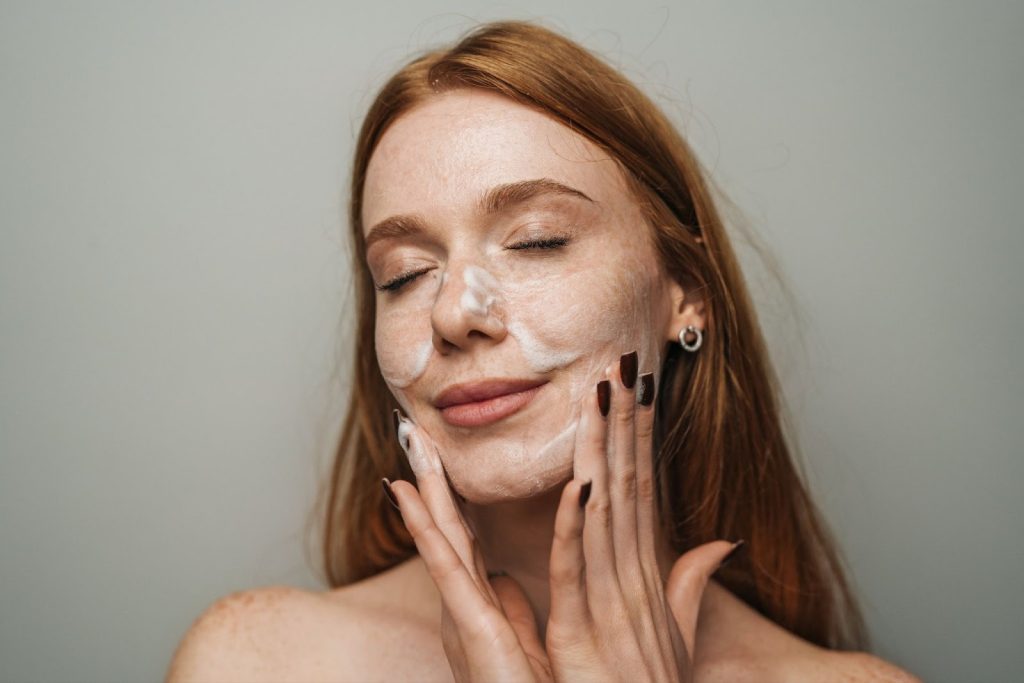
You can choose among these two types of exfoliants:
- Chemical exfoliants. They chemically remove the outer layers of the skin, helping you dissolve buildup. Meet those heavy lifters: mandelic acid (universal hero for all skin types and especially for those who are new to acids), glycolic acid, lactic acid, salicylic acid (a must-have for treating acne, blackheads, and clogged pores), and more.
- Enzymes. They’re gentler than acids, but still effective. Derived from fruits like papaya, pumpkin, and pineapple, enzymes can dissolve dead skin cells. All without causing irritation.
A quick but important heads up. To avoid irritation, never mix too many strong actives in the same routine. Still, if your skin feels irritated, scale back.
Step 3: Toner (🌞 and 🌙)
Toner comes right after cleansing (and exfoliation, if you’re using it). Think of it as a quick reset for your skin. Toner removes anything your cleanser missed and gets your skin ready for the next steps.

There are two main types of toners (and when to use each):
1. Hydrating toners. Great if your skin feels dry, tight, or sensitive. Look for ingredients like hyaluronic acid, niacinamide, or squalane. They add moisture and help your skin feel comfortable again.
2. Acid toners. These exfoliate. Ingredients like glycolic, lactic, or salicylic acid help with clogged pores, uneven texture, and excess oil. As a result, skin looks smoother and clearer over time.
Here are some quick rules for using toner:
- You can use hydrating toners morning and night. Acid toners are meant to be used mostly at night, a few times a week.
- Apply with a cotton pad or your hands (using your hands helps stretch the product, you’ll be surprised!). Pat or swipe gently, and please no scrubbing.
- Don’t rinse your toner off. Just let it absorb for a few seconds.
Step 4: Serum (🌞 and 🌙)
Serums are like the superheroes for your best skincare routine. They’re lightweight, packed with active ingredients, and fight your skin’s daily dramas. This can be dullness, acne, or even fine lines.
Just 2-3 drops from a small bottle of serum can brighten, smooth, or hydrate your whole face and neck. Plus, serums penetrate deeper than moisturizers. That means the good stuff actually reaches your skin instead of sitting on top.

Here are examples of what to look for:
- Vitamin C to brighten and fight dark spots
- Niacinamide to balance oil, shrink pores, and calm redness
- Hyaluronic acid to lock in moisture for plump skin
- Retinol to smooth fine lines (nighttime only!)
Quick serum rules:
- Less is more. Use a pea-sized amount for the face and neck.
- Don’t mix tricky actives: retinol + acids can irritate.
- Day vs. night: Vitamin C in the morning protects from pollution, retinol at night works while you sleep.
- Tap gently (no rubbing!)
- Start slow with strong ingredients and a patch test.
And keep in mind that serums don’t replace moisturizer. Your moisturizer is like the cozy blanket that locks in all that goodness a serum brings to your skin.
Step 5: Eye Cream (🌞 and 🌙)
Your eyes have the thinnest, most delicate skin on your face. They’re prone to puffiness, dark circles, and fine lines. That’s where eye cream comes in. Apply it right after cleansing, toning, and serum to keep your skincare steps in order.
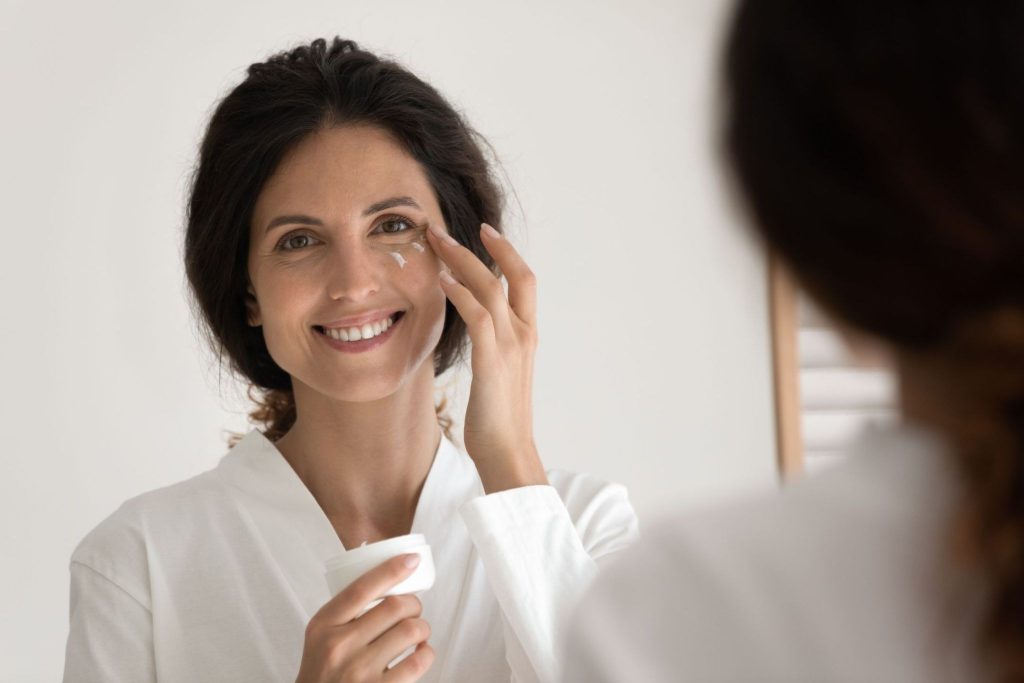
A few quick tips to get it right. Use your ring finger to gently dab the cream on slightly damp skin under your eyes. No rubbing, no pulling. Start with a pea-sized amount (about the tip of a pen for both eyes). And always keep an eye on irritation, because even a familiar product can surprise you.
Remember, eye cream isn’t mandatory for everyone. And if your under-eye area is smooth and happy, it’s optional.
Step 6: Moisturizer (🌞 and 🌙)
Moisturizer is a superhero that keeps your skin hydrated. Plus, it locks in all your serum goodness. That’s why it comes right after serum in your skincare routine order.
If you have dry skin, this step feels non-negotiable: you need that extra nourishment. But moisturizer isn’t just for dry skin.

Don’t skip moisturizer, even if you have oily skin. Why? Skipping it often backfires: dehydrated skin produces more oil as compensation.
Another trick is picking the right texture. Lightweight, gel-based creams work well for oily skin. For very oily skin, you might go without in humid weather. Combination skin? It’s fine to treat dry areas and leave your T-zone lighter.
Plus, always pick noncomedogenic formulas that won’t clog pores. Avoid coconut oil, cocoa butter, isopropyl myristate, and some fatty alcohols if you’re prone to breakouts.
Step 7: Sunscreen (🌞 only)
Morning routines need sunscreen. No excuses here. UV rays are like invisible troublemakers that can speed up aging, deepen pigmentation, and increase the risk of skin cancer. So apply sunscreen as your last step in the skincare routine order. Right before makeup, of course.
There are two main types. Mineral sunscreens (zinc oxide, titanium dioxide) sit on top of your skin and start working instantly. Chemical sunscreens absorb into the skin and need about 15-20 minutes to kick in. Plus, they’re usually lighter and easier under makeup (you may also like them if your skin is oily or combination).
What about SPF number… For daily city life, SPF 30 is usually enough. Spending more time outside or burning easily? Go for SPF 50. If the UV index is high, SPF 50+ is a must. And if you’re using acids or retinol, sunscreen is non-negotiable every single day.
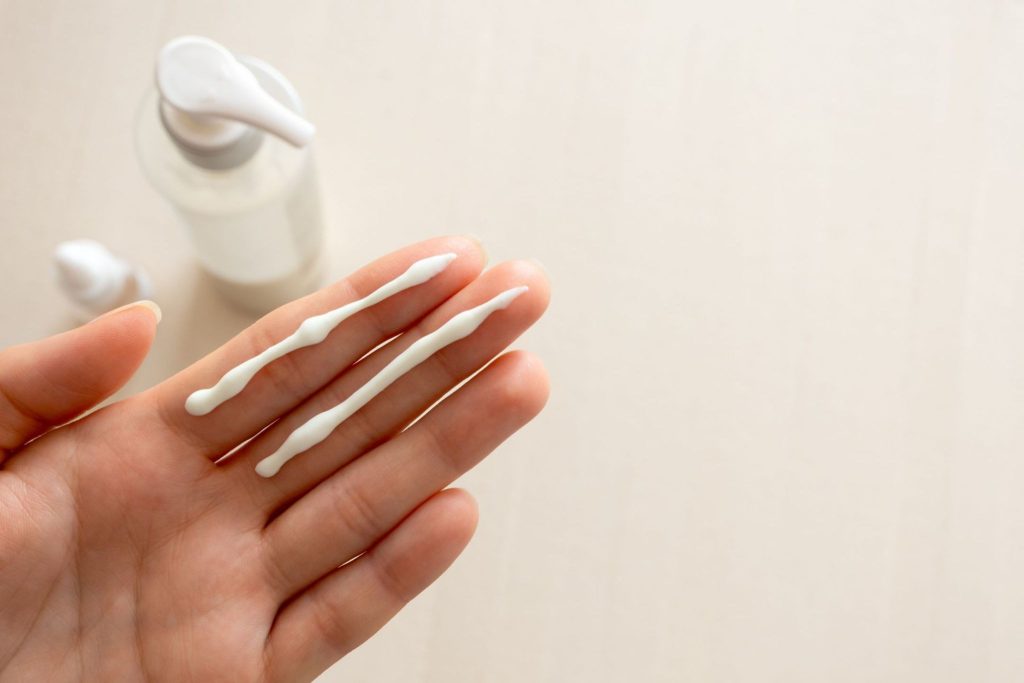
Application tip: Use two finger-lengths for your face, and don’t forget your neck and ears. Reapply every two hours (no matter the SPF number) if you’re outside (yes, even if it’s cloudy).
Key Takeaways
Even if you don’t hit every step every day, remember that consistency is key. The correct skincare routine order maximizes the impact of each product. Think of it as baking: you wouldn’t sprinkle chocolate chips before mixing the batter, right?
Here’s your skincare steps in order one more time:
Cleansing → Exfoliation (a few times a week) → Toning → Treatment (Serum) → Eye care → Moisturizing → Sun protection
Now, keep these simple rules in mind:
Layer wisely. Water before oil, thin before thick, active before gentle.
Be gentle. Especially around the eyes: ring finger only.
Listen to your skin. More isn’t always better. Too many actives can irritate your skin.
Hydration matters. Even oily skin needs it; just pick lighter textures.
And remember: your best skincare routine isn’t the longest one. It’s the one where every product works, in the right order.