How to Get Rid of Whiteheads Effectively

Your guides through the skincare chaos
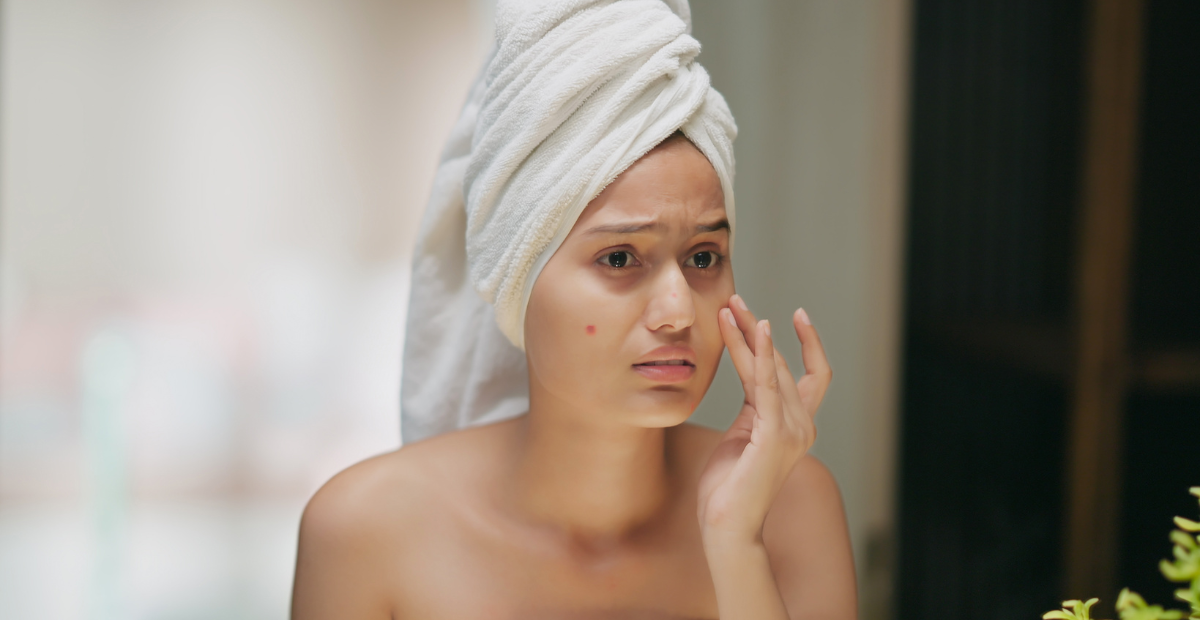
Sudden whiteheads can catch you off guard, but there’s really no need to worry. Understanding what causes them and how to treat them effectively can save you a lot of frustration. And that’s exactly what we’re going to share with you.
What Are Whiteheads?
Whiteheads are one of the most common types of acne. They look like small, round bumps on the skin, often white or light grey in color. Just like blackheads, they form when your pores become clogged. But there’s one important difference: in whiteheads, the pore remains closed, which is why they’re often called closed comedones (a comedone is simply the medical term for a clogged pore).
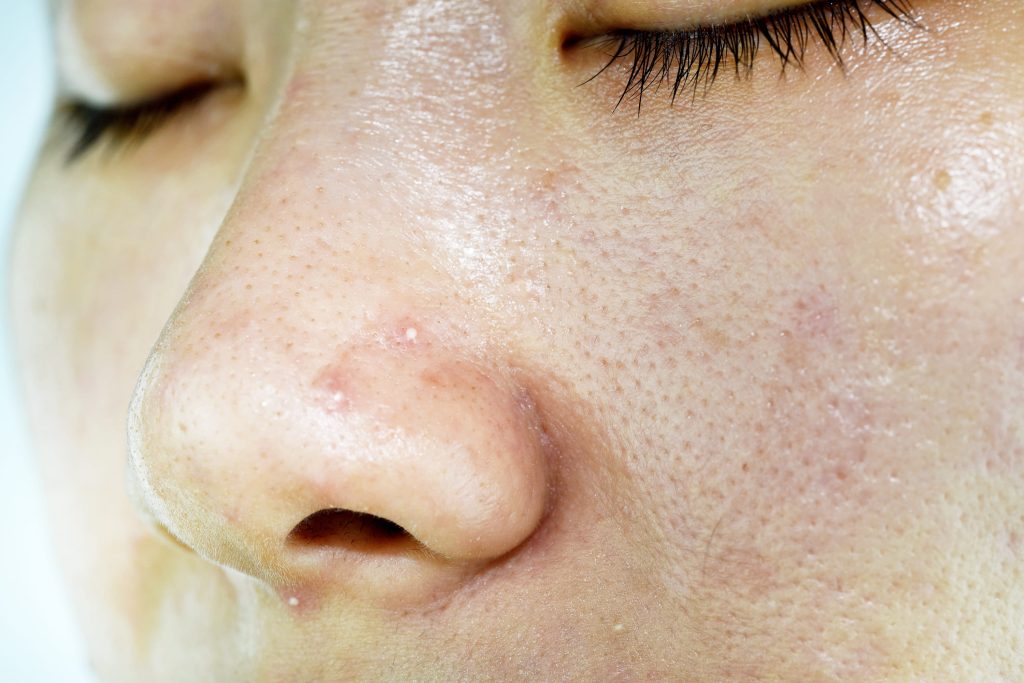
Whiteheads usually appear on the face, neck, back, and shoulders, but they can actually show up anywhere on the body. While they might look annoying (and sometimes a bit alarming), the good news is that whiteheads are the mildest form of acne.
That’s why, with proper care, they’re relatively easy to manage.
What Causes Whiteheads
Whiteheads form when our hair follicles get blocked with oil, dead skin cells, and bacteria. Several factors can contribute to this:
Comedogenic products can clog your pores, especially if you have oily or combination skin. The most comedogenic ingredients include certain oils (like coconut or linseed), cocoa butter, emulsifiers, certain esters and derivatives such as isopropyl myristate and isopropyl palmitate, fatty alcohols, and more.
Pro Tip: If you don’t want to remember every ingredient list or spend time searching online each time, try the OnSkin app. It instantly highlights comedogenic or potentially pore-clogging ingredients in your cosmetics before you even buy them. Just take a picture of the product or its barcode, and the app will do the rest.
Overproduction of sebum. Acne is closely linked to changes in the skin’s oil (sebum). When the skin produces too much oil, it can mix with dead skin cells and clog pores.
Hormones. Androgens (male hormones) make the oil glands in the skin grow and produce more sebum. Estrogens (female hormones) do the opposite–they reduce the effects of androgens and help control oil production. So, it all depends on the balance between these two hormones. For instance, during pregnancy or just before their period, many women notice their acne getting worse. That’s because androgen levels rise compared to estrogen during these times.
Genetics can play a role, too. Scientists say that some people have genetic differences, called polymorphisms, which can make them more prone to developing acne.
Diet. It might sound unexpected, but one study that analyzed people between the ages of 7 and 30 showed that those who drank milk or consumed other dairy products like yogurt had a higher chance of developing acne compared to those who didn’t. The thing is, milk can influence hormones and insulin in the body, which can activate a growth pathway called mTORC1. This pathway is known to increase oil production and skin cell growth, both of which, as you already know, can contribute to acne. Diets high in sugar can make this effect even stronger.

Another study looked at dietary surveys from over 24,000 adults. It found that those with acne often ate high-fat foods like milk and meat, as well as sugary foods and drinks. In fact, adults with acne were 54% more likely to follow this kind of high-fat, high-sugar diet than those who never had acne.
All of this looks quite convincing; however, there’s one important “but” in it. These studies were observational, meaning they can only show associations, not direct cause and effect. In simple terms, people who consume more milk tend to have acne more often, but that doesn’t prove milk is to blame.
How to Get Rid of Whiteheads Topically
Benzoyl Peroxide
Benzoyl peroxide is an active ingredient commonly used to fight acne. It’s usually found in gels, creams, and washes. It works in two ways: it kills acne-causing bacteria and helps unclog pores.
However, there are two important warnings:
- Benzoyl peroxide can sometimes cause burning, dryness, peeling, erythema, hypersensitivity, and even bleaching of hair. So, when you start using it, apply it once a day to a small area to make sure your skin doesn’t react badly. If you notice any of these side effects, stop using it.
- The ingredient shouldn’t be used at the same time as tretinoin which belongs to the retinoid group (another treatment we’ll talk about a bit later), because it can break it down.
Azelaic Acid
Azelaic acid is also one of the best helpers to fight whiteheads.
First, it normalizes the way skin cells shed, preventing dead cells from clogging pores. Second, azelaic acid helps unclog the already blocked pores. Third, it can reduce oil production by blocking certain enzymes involved in sebum production.
The cherry on top is that it also fights bacteria, including the one that causes acne.
Salicylic Acid
Salicylic acid works similarly to azelaic acid.
It gently exfoliates the skin, removes dead cells, and helps unclog pores. It also has anti-inflammatory and antibacterial properties, which help reduce redness and swelling, and fight bacteria that cause acne.
Retinoids
We saved these for last, and there’s a reason for that.
Topical retinoids are vitamin A-based products that work by attaching to special receptors in skin cells, which then activate certain regulatory genes. This helps skin cells shed normally and prevents them from sticking together, reducing clogged pores.
The main downside? Retinoids aren’t recommended for those who are pregnant or breastfeeding, as they may harm babies.
Moreover, common side effects include dry, irritated skin, flaking, and increased sun sensitivity. For this reason, use them carefully, ideally under a doctor’s guidance.
If you still decide to try over-the-counter retinoids yourself, the best advice is to start slow. Use a low concentration a few times a week and gradually increase the frequency. Once your skin adjusts, you can move to a higher concentration. Apply in the evening on clean, dry skin, and don’t forget to use your SPF during the day.
4 Don’ts to Prevent Whiteheads from Getting Worse
Don’t scrub your body. If your skin feels oily or grimy, it might be tempting to scrub it hard. Try to avoid it. Scrubbing can irritate acne-prone skin and make breakouts worse.
Don’t try to pop your pimples unless you want the infection to spread and cause even more breakouts. We really mean it. Don’t do that.
Don’t use products with comedogenic ingredients. The Onskin app can help you spot them in formulas as easily as shelling peas.
Don’t hesitate to consult a dermatologist. Yes, whiteheads may be your mildest acne enemies, but it’s always best to work with a specialist to find the most effective treatment, especially if you notice any side effects.
Whiteheads in a Nutshell
Whiteheads may be the mildest form of acne, but that doesn’t mean you should ignore them. The reason behind them can lie in skincare products you use, hormones, genetics, or even diet.
Treating them usually involves targeted ingredients like benzoyl peroxide, azelaic acid, salicylic acid, or retinoids (with some important precautions!). The key to keeping whiteheads under control is gentle skincare, resisting the urge to pop or scrub, choosing products carefully, and knowing when to consult a professional.
With the right approach and a bit of patience, whiteheads won’t cause you much trouble.