Allantoin Skin Benefits: What Do We Know for Sure?

Your guides through the skincare chaos
You’ve probably seen it listed near the bottom of your moisturizer’s ingredient label, somewhere between the preservatives and the plant extracts. Allantoin. It’s not a flashy ingredient. It doesn’t get the same hype as retinol or vitamin C. But it quietly shows up in more than half of skincare products for sensitive skin. And there’s a reason for that.
So what is allantoin, and what does it actually do for your skin?
Let’s get into it.
What Is Allantoin?
Allantoin is a naturally occurring compound found in several plants, most notably in the comfrey root. In skincare, it’s typically used in its synthesized form, which is just as safe and effective as the plant-derived version.
What makes it special? In short, allantoin soothes, softens, and acts as an antioxidant. It’s non-toxic and hypoallergenic, making it suitable for all skin types, including sensitive skin.
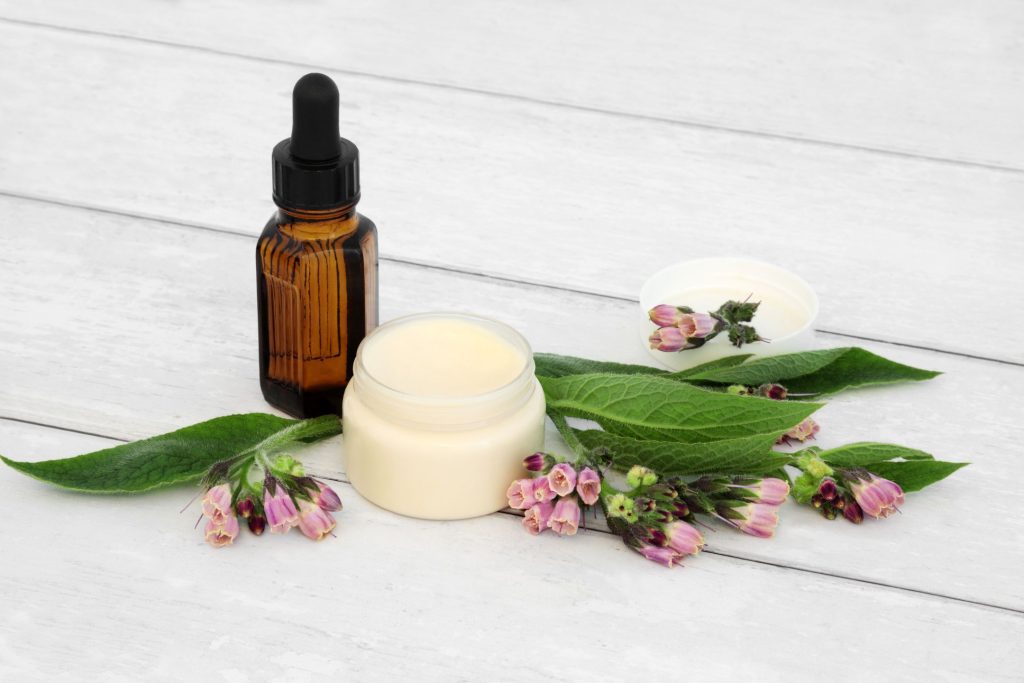
You can find it in everything from face creams and serums to wound treatments and scar gels.
Allantoin Skin Benefits (Backed by Science)
Before you scroll past it on your next ingredient label, here’s what allantoin for skin can actually do—based on real research, not marketing claims.
1. It Supports Skin Repair and Wound Healing
This is where allantoin earns its place.
A large review covering around 100 preclinical studies and 30 clinical studies looked at how allantoin works across multiple stages of wound healing. One of the key findings: chronic wounds often get stuck in an inflammatory state, which prevents the skin from moving on to actual repair. Allantoin helps break that cycle.
It’s basically a superhero in the world of wound healing. Here’s what the research found allantoin can do:
- Fight inflammation and oxidative stress, helping wounds exit that stuck phase
- Kill bacteria and fungi that delay healing
- Exert keratolytic action to help remove dead tissue and clear the way for healthy skin to grow
- Stimulate new cell growth and collagen production
- Support the formation of new tissue and potentially reduce scarring
Another study tested a fiber bandage combining silver nanoparticles and allantoin on wounds in rats. As a result, the wounds received a perfect healing score (12/12) on a standardized scale, matching the gold-standard treatment used as a comparison. The wounds showed strong new tissue growth, high collagen production (the protein that rebuilds skin), and low inflammation throughout.
2. It Can Soothe Irritation and Sensitive Skin
Got reactive skin that flares up at the slightest thing? Allantoin might be your new best friend.
Researchers analyzed 88 pharmacy skincare products formulated for sensitive or reactive skin across 19 major brands. Allantoin ranked the 3rd most common ingredient, appearing in more than half of the products.
There are two main reasons it was included:
1. Reducing skin inflammation
2. Supporting the skin barrier
3. It May Improve the Appearance of Scars
Raised, thickened scars, the kind that form after surgery or injury, are notoriously hard to treat. Allantoin has been studied as part of topical formulas targeting exactly these.
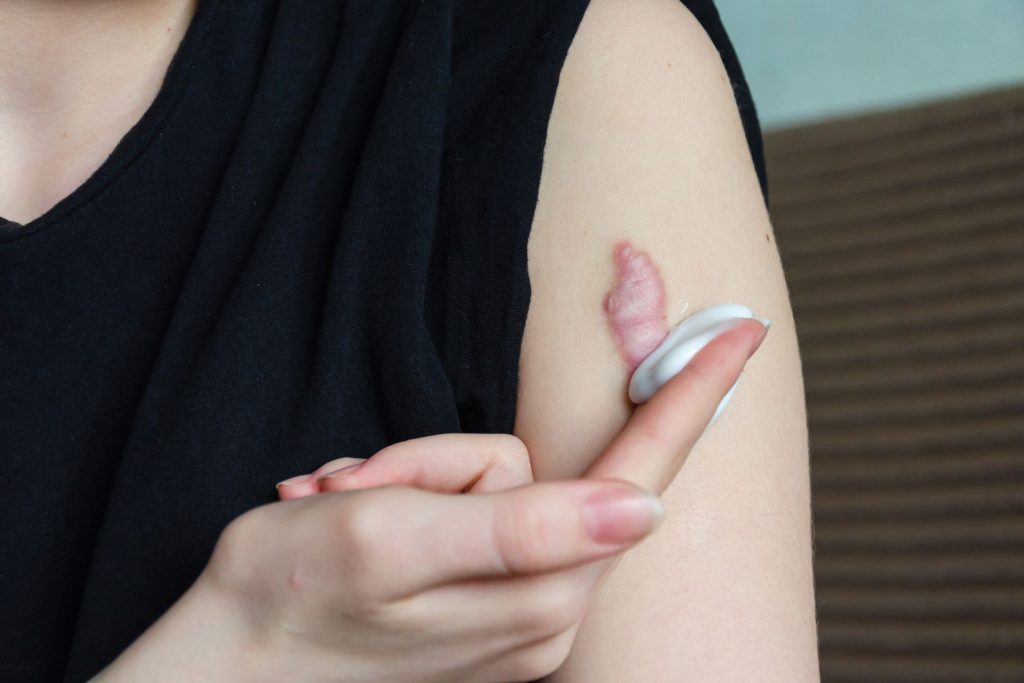
In a 24-week study involving 30 people with hypertrophic scars or keloids, participants were split into two groups: half applied a gel containing onion extract, allantoin, and pentaglycan twice daily, and the other half received no treatment. Researchers measured redness and blood vessel activity in the scar tissue at the start and end of the study.
By the end of the study, only the treated group showed a significant reduction in abnormal blood vessel growth, a key factor that keeps these scars active. Redness improved as well, along with the overall appearance of scars.
4. It Softens and Smooths Skin Texture
For rough or dry skin, allantoin has a trick up its sleeve.
It’s a keratolytic agent, meaning it loosens the “glue” between dead skin cells so they shed more easily. It also helps skin hold onto more moisture, which is what gives it that softening effect. Both mechanisms are confirmed by a 2023 review.
5. It Plays Well with Others
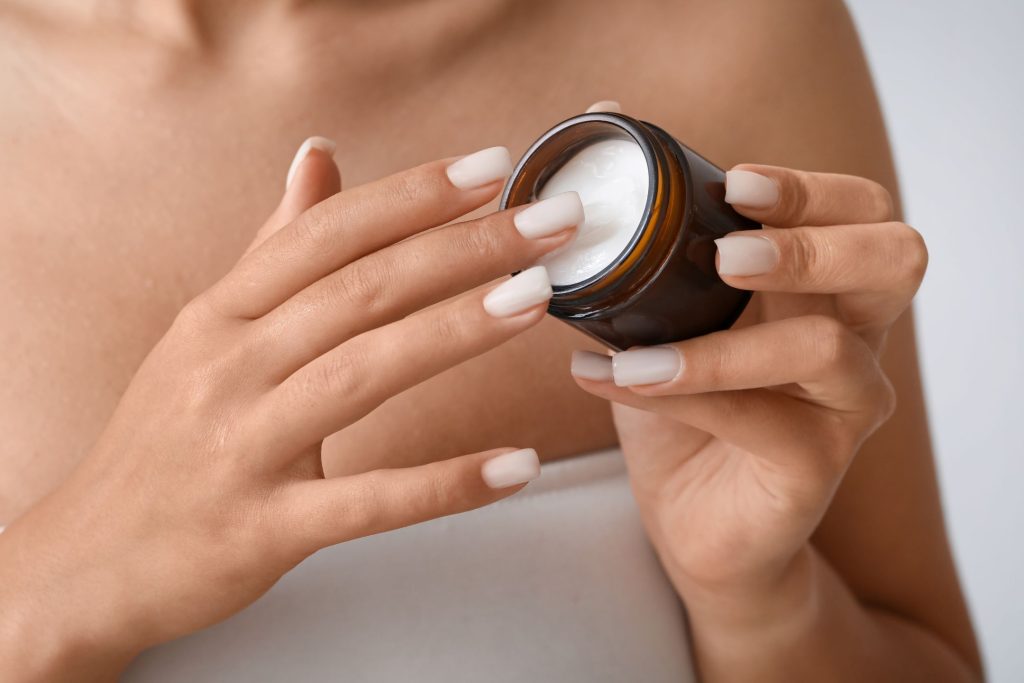
Allantoin pairs well with hydrating ingredients like hyaluronic acid and antioxidants like niacinamide. Its properties make allantoin useful across a variety of products, from body lotions to wound treatments and scar gels.
Plus, there are practically no medical contraindications for using allantoin in skin care. As mentioned earlier, it’s a non-toxic, hypoallergenic substance that is well tolerated even by very sensitive skin.
Key Takeaways
Allantoin isn’t trying to be the star of your routine. But it might be one of the most underrated ingredients in your cabinet. Here’s what allantoin skin benefits actually come down to:
- It supports wound healing
- It soothes sensitive and irritated skin
- It may improve the appearance of scars
- It softens skin texture
- It plays well with others