
How to Make Eyebrows Thicker: Do’s, Don’ts, and Maybe’s

Onskin Content Team
Your guides through the skincare chaos
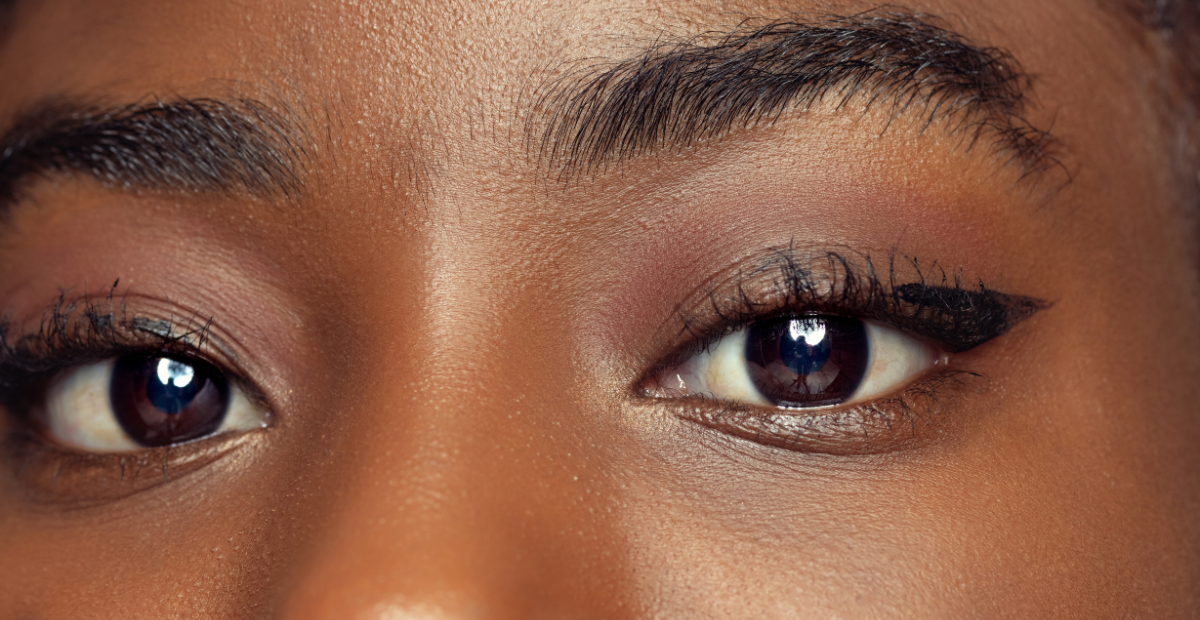
What is it now? Pencil-thin but full? Thick and a little unruly? A dramatic arch? Trends and beauty standards are constantly changing, but knowing how to make your eyebrows thicker is a useful skill to develop in case you need it at some point.
And for those struggling to grow thicker eyebrows right now, you’ve come to the right place. We’ll go over bad habits like overplucking, and the one question that’s probably been on your mind for some time: Is it too late?
Let’s talk about it.
Understanding the eyebrow growth cycle
Before we get to how to grow your eyebrows, you need to understand that your eyebrow hairs work on a different schedule than the hair on your head. Their growth cycle is much shorter, which is how they stay approximately the same length. But each follicle still cycles through active growth (anagen), a transition phase (catagen), and a rest phase (telogen), where the hair may shed (exogen).
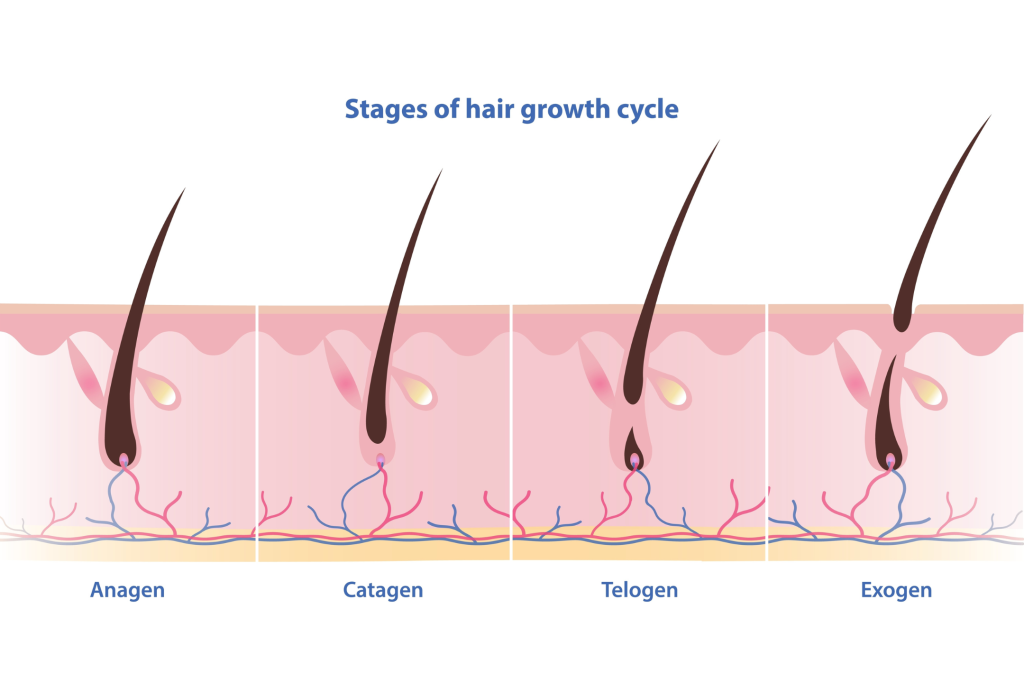
The whole cycle can take about 3 to 4 months (compared to the hair on your head, which takes years), so you’ll be able to see the fruits of your labor pretty quickly. Remember, when figuring out how to grow thicker eyebrows, your goal is to support their natural growth cycle, not to work against it.
To grow your eyebrows, you’ll want to:
- Encourage the growth of new, healthy hair.
- Avoid shocking follicles with aggressive grooming.
- Keep more hairs in the growth phase longer.
Let’s take it from the top.
Step 1: Encourage new growth
Your eyebrows need the right building blocks to grow strong, so your habits will play a huge role here.
Revise your diet
Focus on whole, nutrient-rich foods. Eggs, nuts, and salmon are rich in biotin, which helps turn food into energy for building new hair, and protein, which supplies the raw materials to do so. Spinach and lentils are great for iron, which helps deliver oxygen to your follicles.

Fish and walnuts offer omega-3s to keep your skin hydrated and healthy. Chickpeas and pumpkin seeds contain zinc, which supports hair tissue recovery and growth.
See, you don’t need exotic superfoods! A consistent, balanced diet will do just fine.
Note: If you’re experiencing significant, sudden, or patchy eyebrow loss, it’s a good idea to schedule an appointment with a dermatologist.
Step 2: Avoid aggressive grooming
Harsh handling is among the top reasons your brows stay sparse. If you’re determined to figure out how to make your eyebrows thicker, you’ll have to put down the tweezers.
Rethink your habits
To be safe, consider a full 4–6 week break from any plucking or waxing. Let the hair have a chance to surface. This alone can reveal your natural, fuller shape.
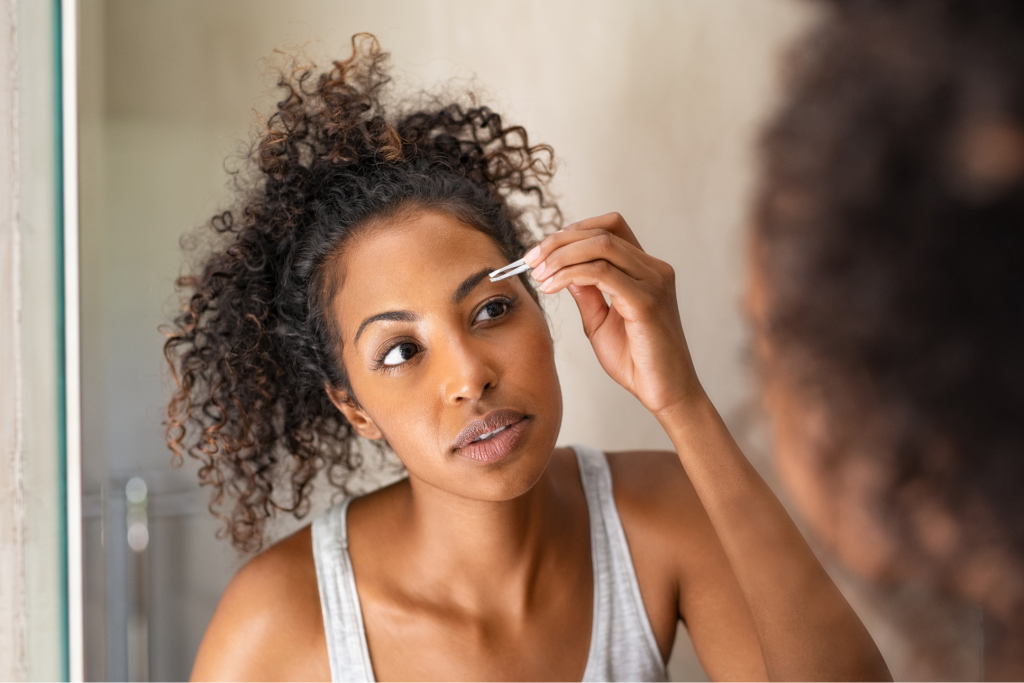
If you must groom, tweeze only obvious strays outside your main brow area. Always pluck in the direction of hair growth to avoid follicle damage. Be incredibly gentle when washing and drying your face.
Quick tip: Consider switching to shaving off stray hairs instead of plucking. You might need to do that more often, but you lower the damage to your follicles significantly as a trade-off.
Step 3: Support with topical treatments
Creating a healthy environment for your hair follicles to thrive in is a big step towards figuring out how to make your eyebrows thicker. The good news is, you don’t need a complicated, 10-step process to achieve that.
Choose a topical remedy for eyebrow hair growth:
- Castor oil
- Coconut oil
- Peptides

Castor and coconut oils are emollient, helping to condition the skin and hair, which in turn may reduce breakage and keep the area hydrated. Serums containing peptides may enhance eyelash and eyebrow growth.
Consistency matters! Apply your chosen product every night, a couple of hours before bed.
Quick tip: Apply your brow oil or serum before your moisturizer. This helps create a barrier so your cream doesn’t dilute the treatment.
Do eyebrows grow back?
The answer is often yes, but it takes some time. After you’ve overplucked or noticed thinning, if the follicle isn’t scarred or destroyed, it can recover. However, follicles damaged from years of plucking need a long break—think 6 months to a year of no tweezing or waxing.
When to seek professional help
Sometimes, while putting together a to-do list on how to make your eyebrows thicker, you’ll need to pause and consider the underlying causes of thinning hair.
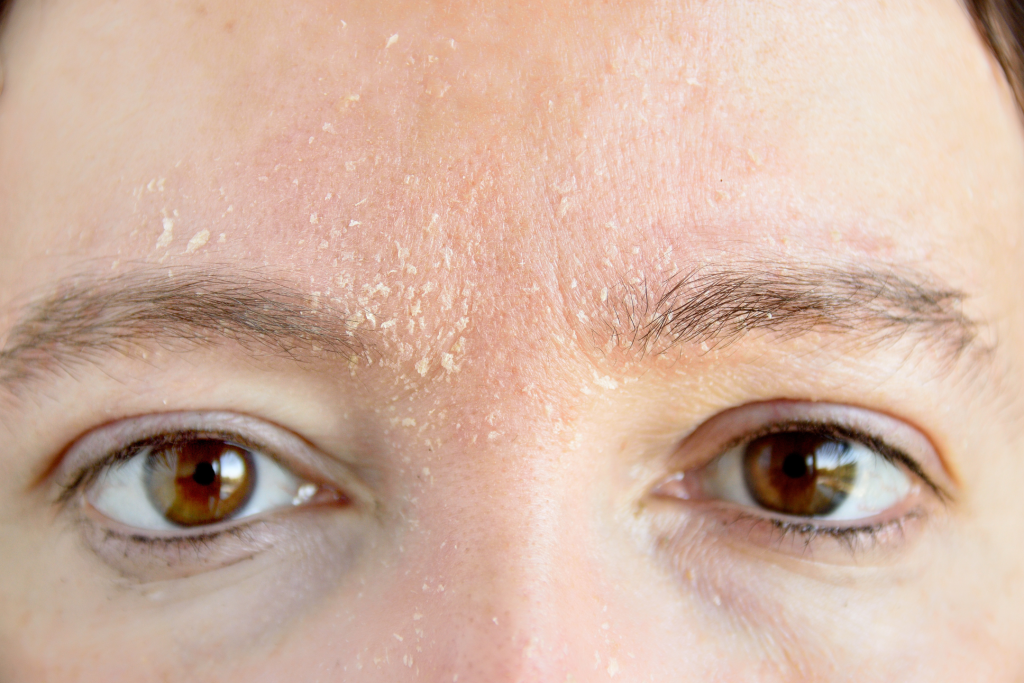
Conditions like seborrheic dermatitis (flaky, itchy skin) can affect brows, too. Using a ketoconazole shampoo (like ones for dandruff) on the area 1–2 times a week may help control inflammation and get eyebrow growth to where it needs to be.
If the issue persists, consider scheduling an appointment with your doctor.
Quick tip: If you have sensitive skin, patch test any dandruff shampoo on your arm before using it near your eyes, and use a skincare ingredient scanner to check for any potential irritants.
Common mistakes
You can’t account for every possibility. You can, however, steer clear of some well-known pitfalls when it comes to growing your eyebrows.
Save yourself time and frustration by avoiding these three common mistakes:
- Chasing old shapes. Your natural arch may have changed. Plucking to recreate a 20-year-old shape can permanently affect your current growth pattern.
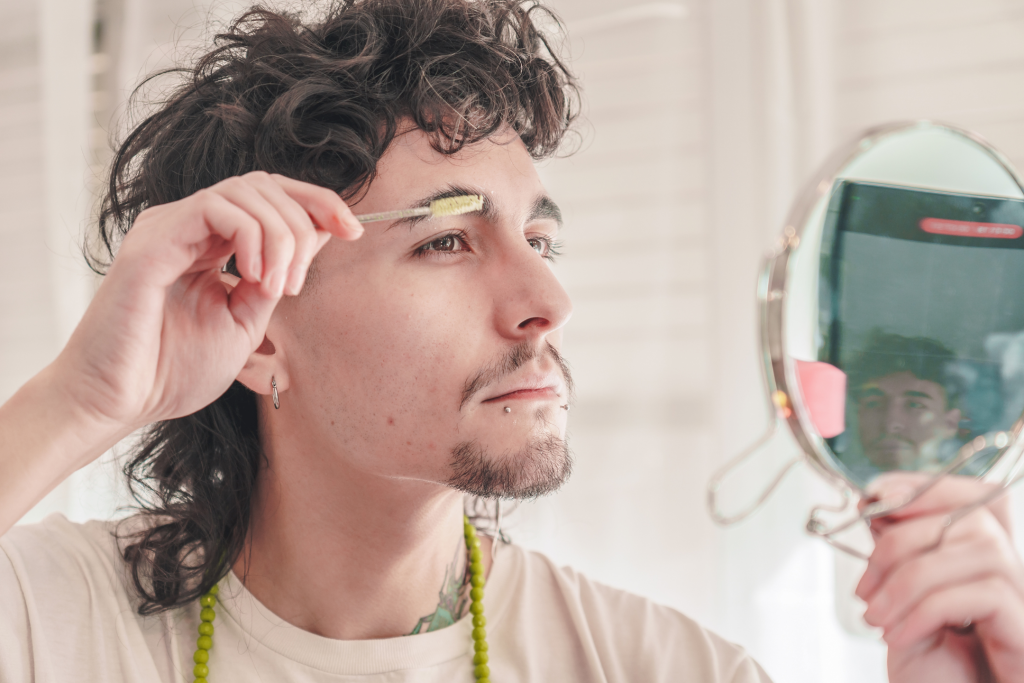
- Using dirty tools. Always clean your tweezers and spoolies. You don’t want bacteria getting into those follicles, causing folliculitis and leading to inflammation and hair loss.
- Neglecting sun protection. The brow area gets a lot of sun exposure. Use your facial sunscreen gently over the eyebrows to help protect the delicate follicles.
Quick tip: Store your tweezers in a small, clean case or bag. This keeps them dust-free and prevents accidental damage to the tips.
Key takeaways
Learning how to get thicker eyebrows is all about sticking to a routine and being patient. Encourage new growth with topical treatments, make smart lifestyle choices, keep in mind the shorter growth cycle, and avoid aggressive grooming for the time being.
Growing out your eyebrows is a marathon, not a sprint. You’ve got this!



FAQ
-
Where do I start with OnSkin?
Download the app and think of a product you’d like to know more about. Then, go to the main screen and choose how you’d like to get the info —by manually looking it up in the search bar, by scanning its barcode, or by simply taking a picture of the packaging. Once you’ve done any of these, you can see how safe the product is and if it suits your skin or hair (if this analysis is available).
-
What is Safety Rating, and how is it calculated?
In OnSkin, we base product rates on ingredients. Each is closely studied by our medical team and then evaluated. This way, each product gets a score from 0 to 100, with 100 as the safest level.
Safety Levels
- Excellent (76–100)
- Good (51–75)
- Not great (26–50)
- Bad (0–25)
These scores are backed by the latest scientific studies. You can find links to the resources we’ve used on each ingredient page. To assess the safety of product ingredients, we evaluate them according to the following parameters/criteria
- Endocrine disruption risk / Reproductive toxicity
Indicates the probability of mimicking, blocking, or interfering with the body hormones.
- Сarcinogenicity
Measures the potential risk of inducing cancer.
- Allergy risk
Estimates the probability of an allergic reaction.
- High concentration alert
Determines the risk of being unsafe in certain amounts.
-
What is Skin Match?
Based on the info you input about your skin type, age, skin care goal, and other “settings,” OnSkin checks how well a product is tailored to your unique skin needs — it’s basically like a dermatologist helping you find the right products, minus the fees and the long wait. The product you’re checking might be labeled as It’s a match!, Hit-or-miss, or Not a match for you. The app also detects ingredient groups such as Anti-acne, Anti-inflammatory, Moisturizes, May be drying, Comedogenic, and others — by tapping one, you see exactly what ingredients from this or that group are in the product.
-
I seem to have a problem with using the app. Who should I contact?
Please reach out to us at [email protected], and we’ll carefully look into your issue. Your ideas for improving the app are also very welcome!
-
Do you have an Android version?
Not yet! Hey Android users, we hear you, and we're thinking about making an Android version, but we haven't started the development yet.

Tracker Sent!
It’s on the way to your inbox.