
Dermaroller for Face: Benefits and How to Use

Onskin Content Team
Your guides through the skincare chaos
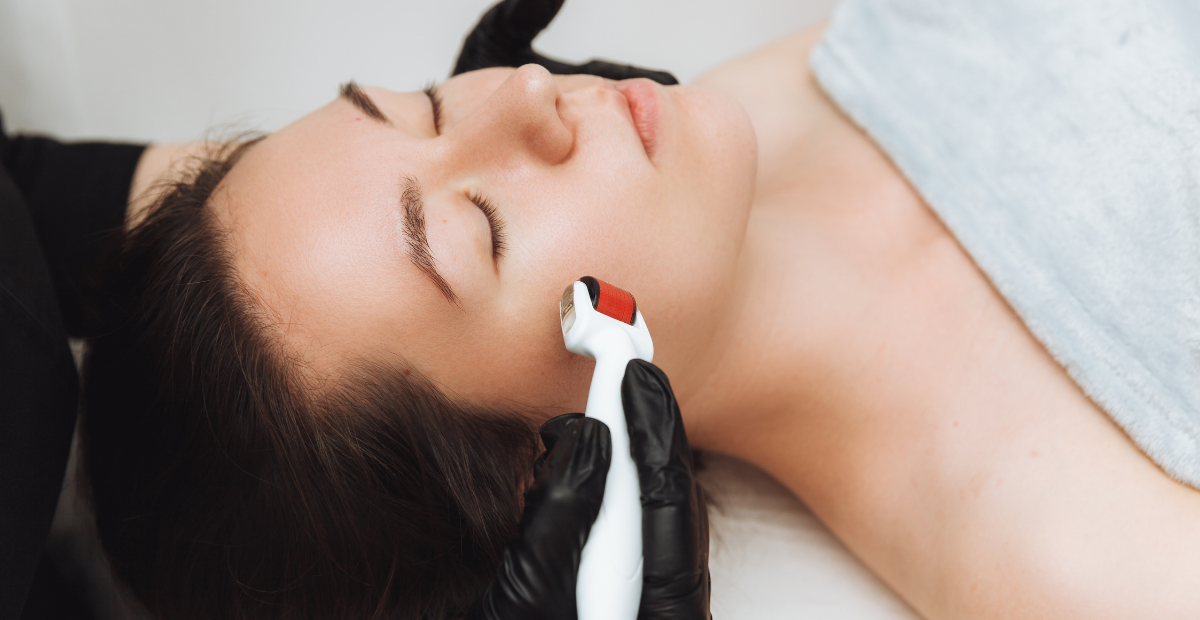
In this guide, we’ll explain what a dermaroller does, how it can improve your skin, the safest ways to use it, and when it’s best to avoid it.
What Is a Dermaroller?
A dermaroller is a handheld skincare device used to treat a range of skin conditions. It consists of a handle and a rolling head with dozens of needles that gently puncture the skin.
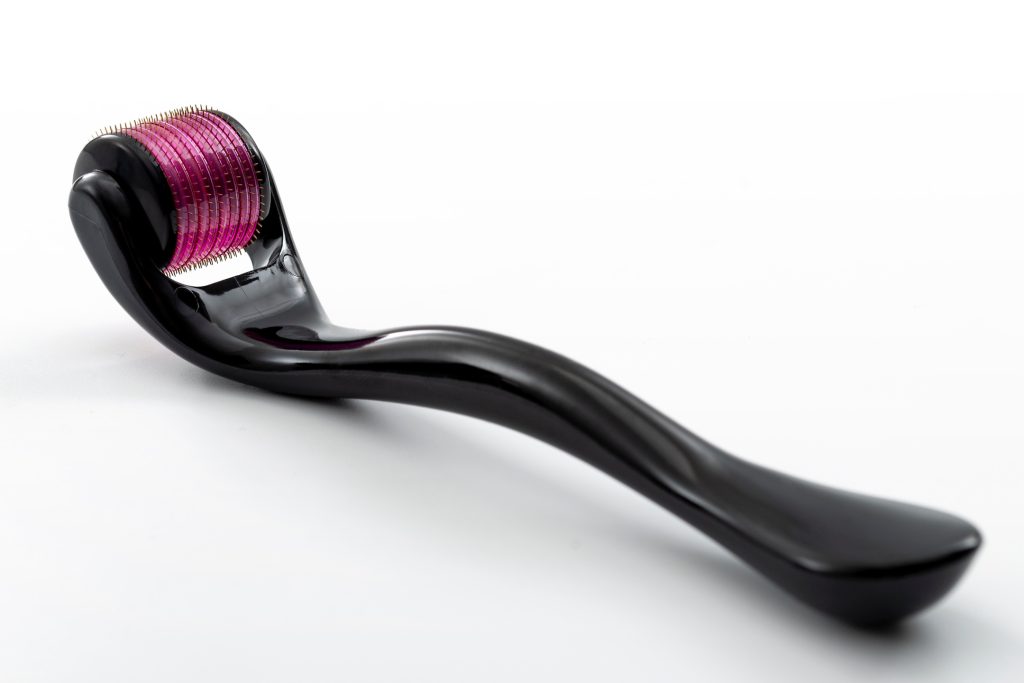
At first glance, it may resemble massage devices, but its function is different. Traditional massagers, like jade rollers, work by applying pressure to boost circulation and calm inflammation. A dermaroller, on the other hand, uses needles to create micro-injuries in the skin.
These injuries trigger the skin’s natural healing process. As the skin repairs itself, it produces more collagen and elastin—proteins that help keep the skin firm, smooth, and resilient.
It also encourages the formation of new, small blood vessels, which improve blood flow and nourish the skin. Over time, this can make scars, fine lines, and other signs of aging less noticeable.
Benefits of Dermarolling
1. It rejuvenates the skin
As you already know, microneedling helps refresh the skin by breaking down old collagen and encouraging it to make new collagen, elastin, and blood vessels. As a result, the skin looks younger: it has fewer fine lines and wrinkles, smaller pores, and better softness and elasticity.
The results can be even better when microneedling is combined with anti-aging products like vitamin C or tretinoin. You can use the OnSkin app to confirm a product’s ingredients are safe for your skin type before applying them.
2. It may improve scars
Stimulating collagen production can also reduce the appearance of scars.
In one small study, ten people with facial acne scars were treated with a dermaroller for three months (six sessions at two-week intervals). As a result, patients noticed clear improvements: their scars looked about half as noticeable, their skin texture felt smoother, and most of them (above 80%) were very satisfied with the results. Mild side effects like pain and swelling occurred but disappeared within a day. No serious complications were reported.
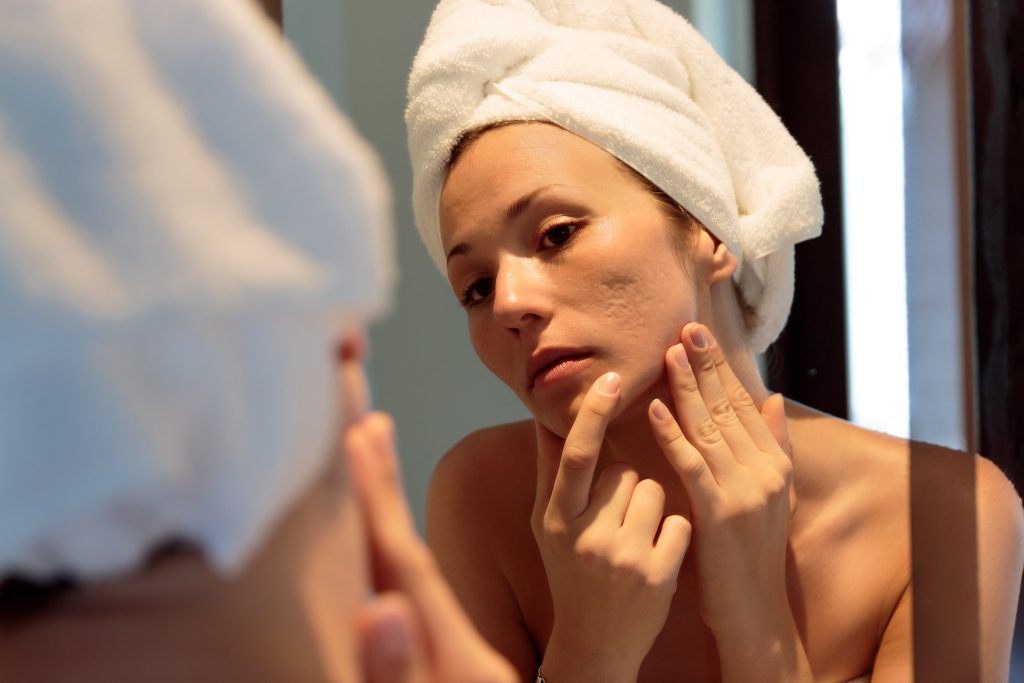
In another study, 37 people with sunken facial scars received dermaroller treatments and were followed for two months. Most of them (over 80%) were very happy with the results and rated their improvement as excellent. Moreover, almost all patients showed visible improvement. The cherry on top? There were no side effects observed.
In a separate study, 50 patients with acne scars were treated with three elements: microneedling, subcision (a technique that releases scars from beneath the skin), and a chemical peel. After six sessions, all patients with mild to moderate scars were completely healed. Even those with very deep scars showed progress. To sum it up, 100% of patients had at least some visible improvement.
As for side effects, some people experienced short-term redness, swelling, breakouts, temporary dark spots, or swollen lymph nodes in the neck. However, after proper treatment, they went away.
3. It can help treat melasma
One study compared the effects of a lightening serum alone and its combination with microneedling in fighting melasma. On 20 women, one side of the face was treated with microneedling plus the serum, while the other side received only the serum. After two sessions and specific home care, the side treated with microneedling showed much greater improvement in dark patches. Mild redness and swelling were observed but resolved within a few days.
In another study involving 60 patients, two treatment methods were compared: tranexamic acid injections versus tranexamic acid delivered through microneedling. Both methods reduced dark patches, but patients treated with microneedling experienced greater overall improvement—about a 44% reduction in melasma severity compared to about 36% in the injection group. Side effects were mild, such as temporary redness or burning, and resolved within a couple of days.
If uneven skin is your concern, here’s a full guide on its causes and treatments.
4. It can help deliver ingredients more efficiently
By creating tiny channels in the skin, microneedling helps medications absorb more effectively.
It works as a middle ground between topical creams and injections, allowing medicines to penetrate deeper than with creams alone, but without the pain of needles. In addition to delivering tranexamic acid to fight melasma, microneedling can also be combined with products like vitamin C and tretinoin to improve acne scars and skin texture.
In this sense, dermarollers work much like spicules in skincare, improving ingredient delivery and boosting effectiveness.
Types of Dermarollers
Dermarollers differ in their needle length and size, and the right one should be chosen based on the skin concern being treated.
Short needles are typically used to improve skin texture, soften fine lines, and help skincare products absorb more effectively. These are usually painless and gentle enough for regular use. Longer needles, on the other hand, penetrate deeper into the skin and are used to treat acne scars and more severe concerns.
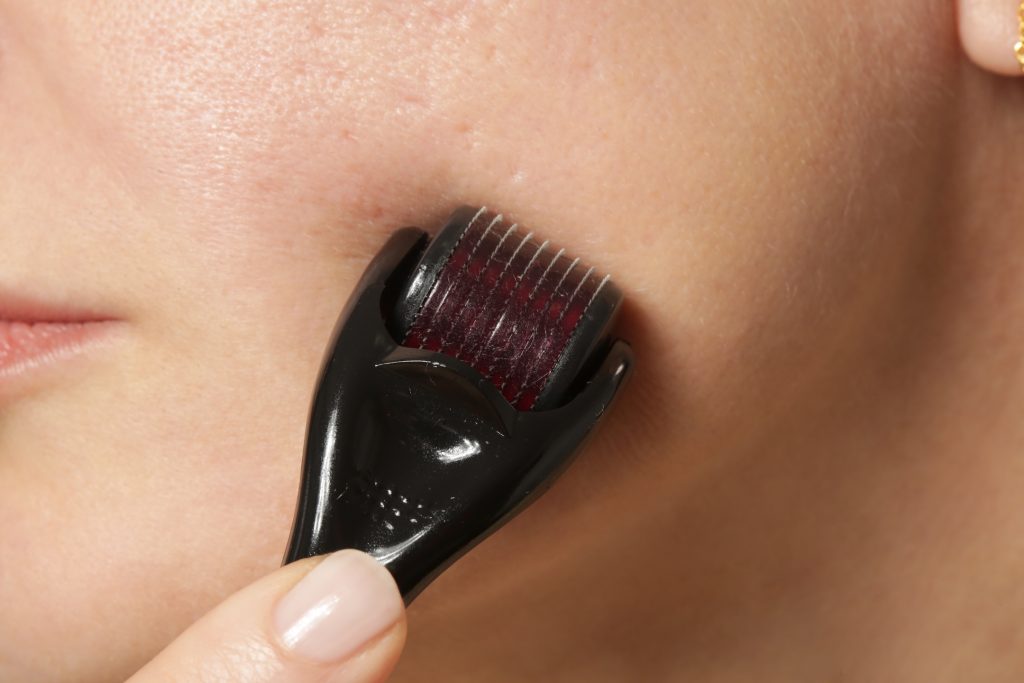
There are five main types of medical dermarollers. Among them, the C-8 is considered suitable for home use, as it has very short needles (up to 0.15 mm). These can be safely used to improve the appearance of pores, fine lines, and product absorption. For dermarollers with longer needles, it’s best to have the treatment performed by a trained professional to be sure it’s safe and effective.
How to Use a Dermaroller for the Face
- Sterilize your dermaroller before use.
- Cleanse your face.
- Perform the procedure according to instructions.
- Wash your face.
- Clean and sterilize the dermaroller once again.
- Finish with a gentle moisturizer.
The frequency of use depends on the type of dermaroller. For example, a C-8 dermaroller can be used 2–3 times a week. The deeper the needle, the more recovery time your skin needs.
When to Avoid Dermarolling
Microneedling shouldn’t be used if you have active acne, cold sores, warts, or any skin infection. It’s also not suitable for people with chronic skin problems like eczema or psoriasis. Those with blood disorders, who are taking blood thinners, or who have a tendency to form thick scars (keloids) should avoid microneedling as well. It’s also not recommended for patients who undergo chemotherapy or radiation treatment.
In Summary
1. What it is and how it works
A dermaroller is a small handheld device with tiny needles that gently puncture skin, triggering your body’s natural healing process. This encourages collagen and elastin production, firms the skin, and can make scars, fine lines, and uneven texture less noticeable over time.
2. Its benefits
Dermarolling can refresh the skin, reduce the appearance of scars, help lighten melasma, and improve how well skincare ingredients penetrate. Studies show that combining microneedling with serums like vitamin C or tretinoin can boost results even further. Side effects are usually mild and disappear quickly.
3. How to use a dermaroller for the face
Choose the right dermaroller based on needle length: short needles for texture and product absorption, longer needles for scars and deeper concerns. Sterilize the device, cleanse your face, follow instructions carefully, and moisturize afterward. Avoid dermarolling if you have active skin infections, chronic conditions like eczema, or are on treatments like chemotherapy.


FAQ
-
Where do I start with OnSkin?
Download the app and think of a product you’d like to know more about. Then, go to the main screen and choose how you’d like to get the info —by manually looking it up in the search bar, by scanning its barcode, or by simply taking a picture of the packaging. Once you’ve done any of these, you can see how safe the product is and if it suits your skin or hair (if this analysis is available).
-
What is Safety Rating, and how is it calculated?
In OnSkin, we base product rates on ingredients. Each is closely studied by our medical team and then evaluated. This way, each product gets a score from 0 to 100, with 100 as the safest level.
Safety Levels
- Excellent (76–100)
- Good (51–75)
- Not great (26–50)
- Bad (0–25)
These scores are backed by the latest scientific studies. You can find links to the resources we’ve used on each ingredient page. To assess the safety of product ingredients, we evaluate them according to the following parameters/criteria
- Endocrine disruption risk / Reproductive toxicity
Indicates the probability of mimicking, blocking, or interfering with the body hormones.
- Сarcinogenicity
Measures the potential risk of inducing cancer.
- Allergy risk
Estimates the probability of an allergic reaction.
- High concentration alert
Determines the risk of being unsafe in certain amounts.
-
What is Skin Match?
Based on the info you input about your skin type, age, skin care goal, and other “settings,” OnSkin checks how well a product is tailored to your unique skin needs — it’s basically like a dermatologist helping you find the right products, minus the fees and the long wait. The product you’re checking might be labeled as It’s a match!, Hit-or-miss, or Not a match for you. The app also detects ingredient groups such as Anti-acne, Anti-inflammatory, Moisturizes, May be drying, Comedogenic, and others — by tapping one, you see exactly what ingredients from this or that group are in the product.
-
I seem to have a problem with using the app. Who should I contact?
Please reach out to us at [email protected], and we’ll carefully look into your issue. Your ideas for improving the app are also very welcome!
-
Do you have an Android version?
Not yet! Hey Android users, we hear you, and we're thinking about making an Android version, but we haven't started the development yet.

Tracker Sent!
It’s on the way to your inbox.