Skin Purging vs Breakout: Which Is It?

Your guides through the skincare chaos
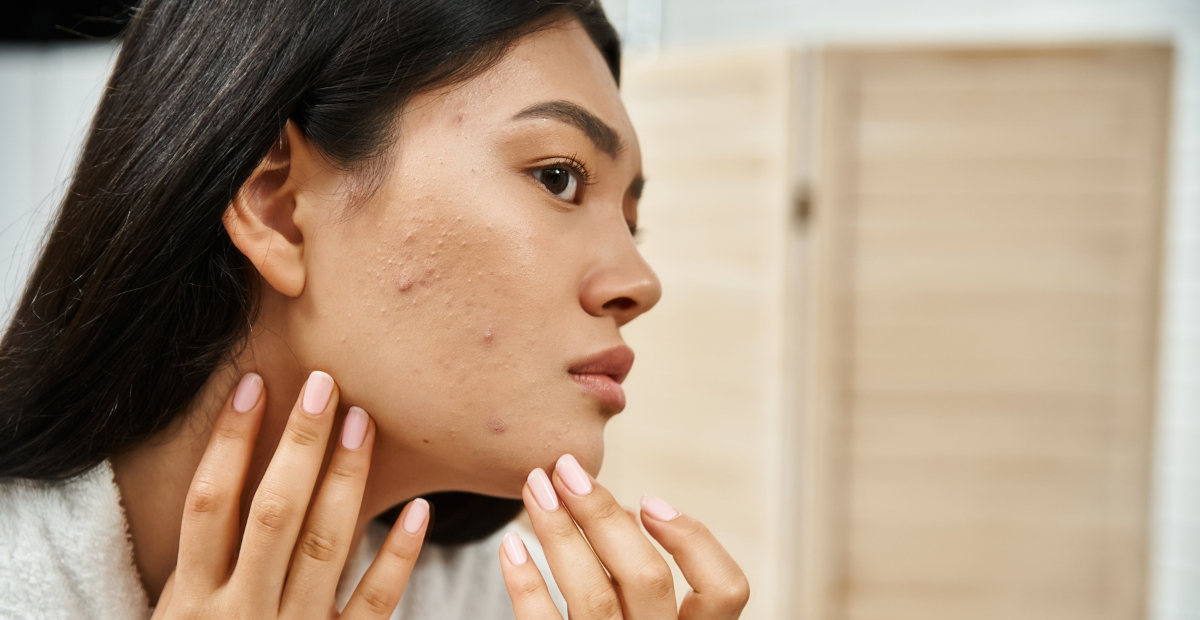
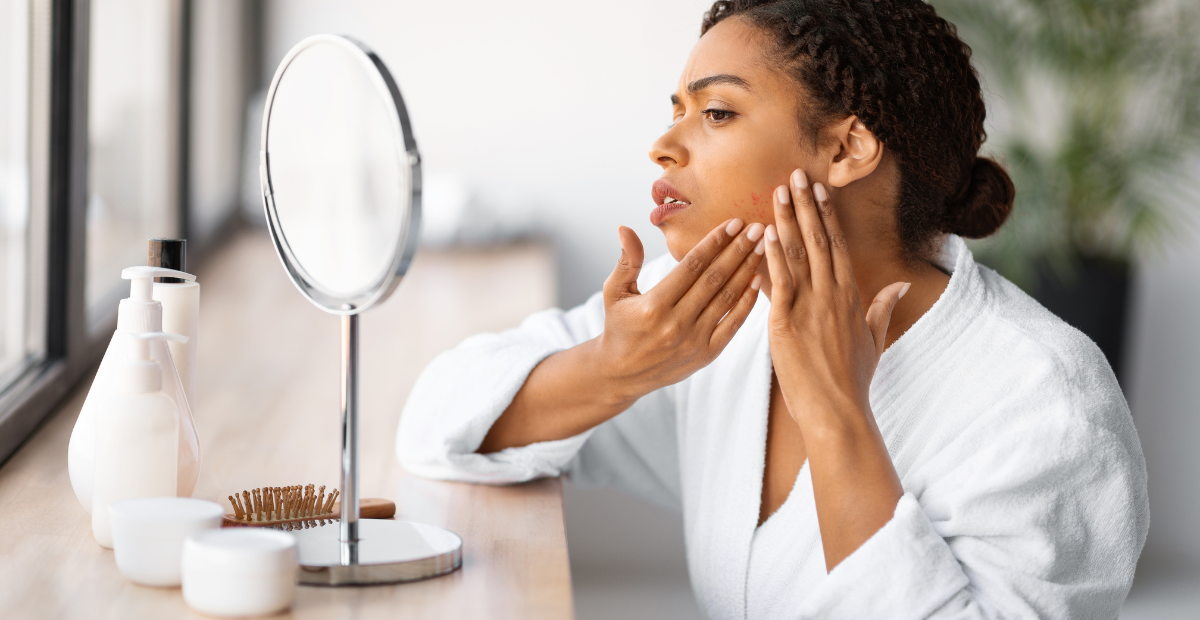
With skincare, things sometimes get worse before they get better (skin purging). And sometimes, you eat a bit too much sugar the day before, and it shows up on your face in the morning (breakout). Both can happen quickly and ruin your day even quicker if you don’t know what to do or which one you’re dealing with.
Let’s talk about skin purging vs. breakout—how to tell the difference, what to do (and not do) in either case, and how to recognize when it’s time to see a doctor.
What is skin purging?
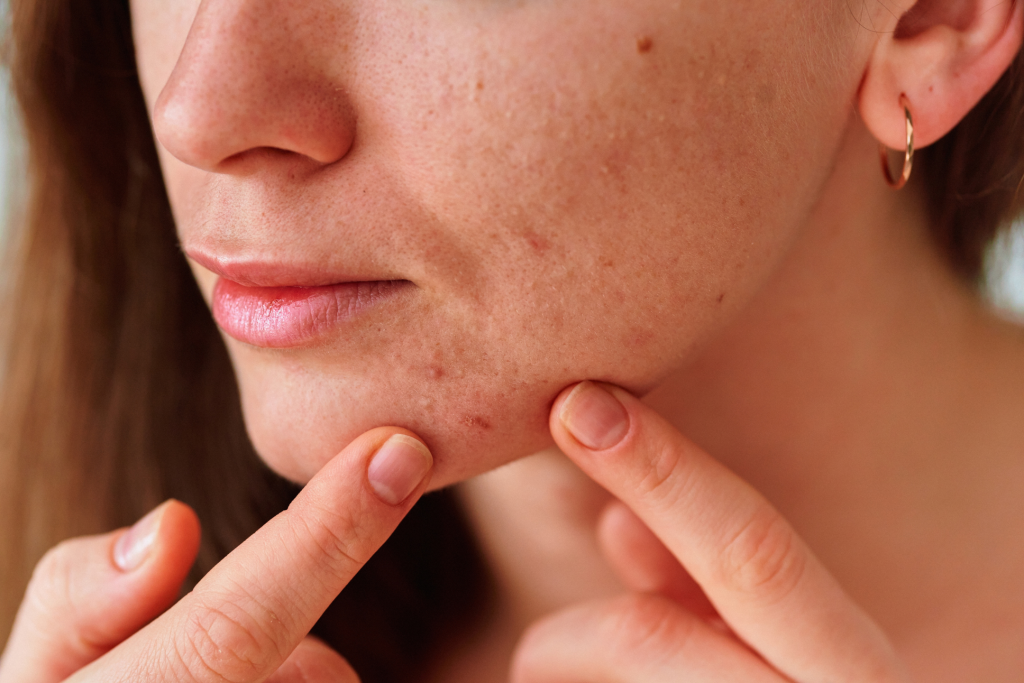
It’s your skin’s natural renewal cycle happening at a faster pace. When you use active ingredients like retinoids, all those microcomedones (invisible clogs deep in your pores) are forced to surface all at once.
Naturally, your skin may look a little scary at first after something that’s essentially a “deep clean.” Think about it this way: all that buildup would’ve surfaced anyway, just later and more gradually.
> Quick tip: If the blemishes appear in the exact spots where you usually break out, it’s likely purging. If they appear in new, random places, it might be something else.
The skin purging timeline
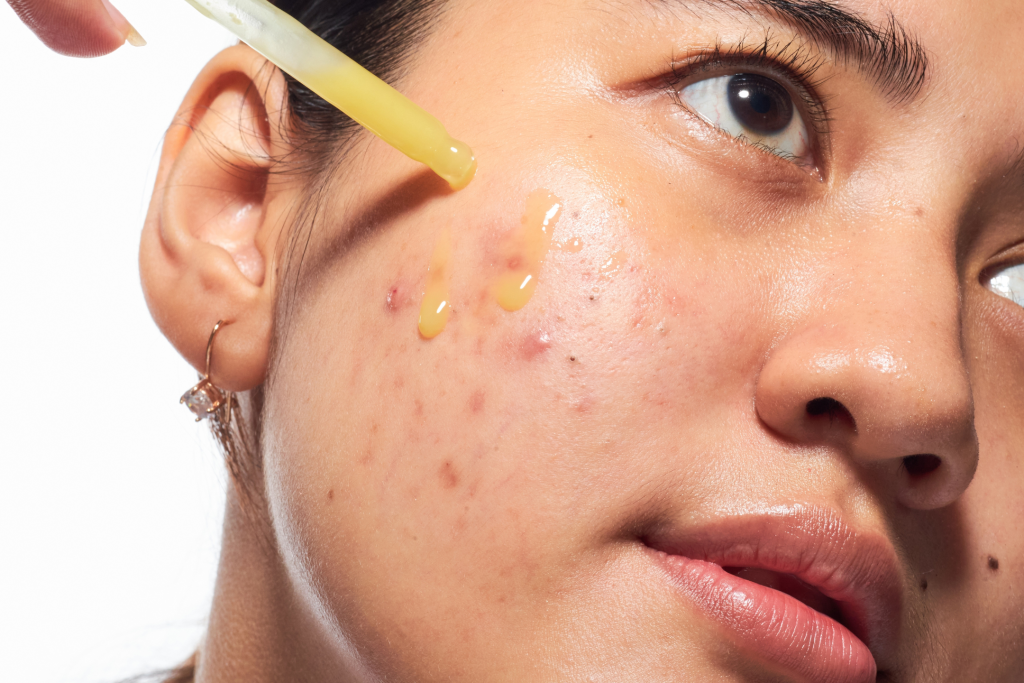
So, how long does skin purging last? Since a full skin cycle usually takes at least 28 days in young adults (1.5–2 months if you’re older), you need to give it at least three to five weeks to clear out.
- Weeks 1-2: Usually, not much happens at this stage, although you might see an increase in small, rough bumps and whiteheads.
- Weeks 3-4: These bumps reach a head and start to dry up.
- Week 6+: Texture smooths out as the new, healthy skin emerges.
> Quick tip: If your skin stings when you apply any product (or even after you wash it with just water), your skin barrier might be damaged. That’s your sign to stop using all actives immediately.
What is a breakout?
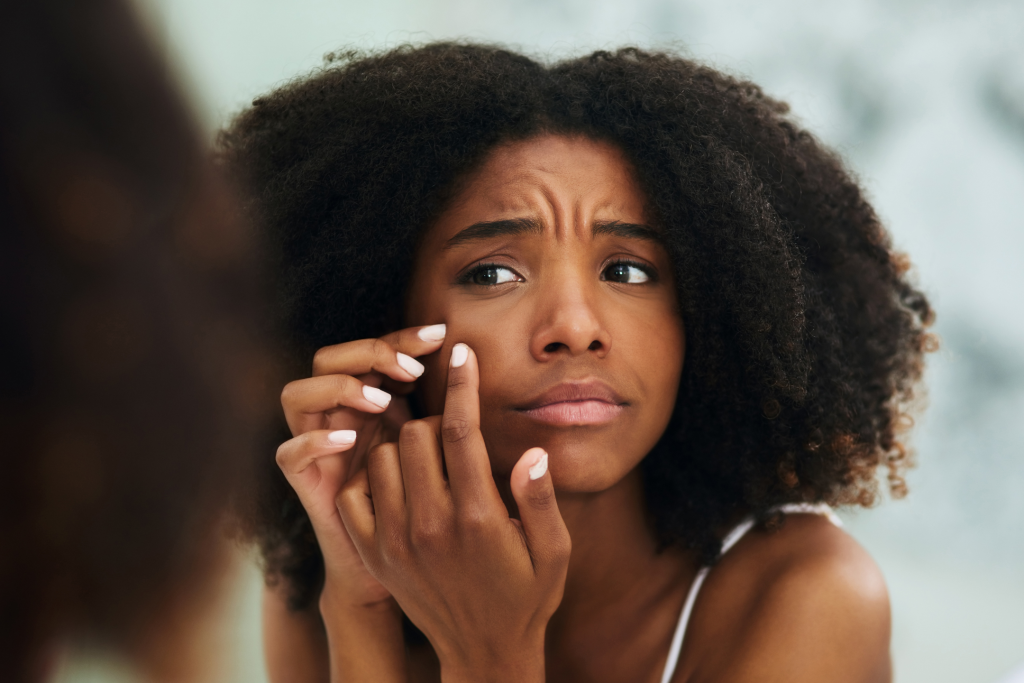
Your standard breakout could happen for several reasons, including (but not limited to) hormonal fluctuations, stress, dietary changes, or bacteria. It’s not necessarily a reaction to a specific skincare product or ingredient—in fact, you might see a breakout on skin that hasn’t been exposed to new products at all.
Breakout checklist
Here are three questions to ask yourself to figure out if what’s going on with your face is really a breakout.
- Have you been using a retinoid for 3–4 weeks? Your skin is most likely purging.
- Are your pimples drying up without turning into painful cysts? Again, probably purging.
- Are your breakouts painful, hot to the touch, and off the retinol timeline? That’s likely a breakout that’s best dealt with by seeing a doctor.
How to handle skin purging
The unfortunate thing about skin purging is that it gets annoying way before it gets better. You have to trust the process because there’s no skipping this phase.
Stick with your routine, and remember these steps to make the whole process less emotionally taxing.
How to survive a skin purge
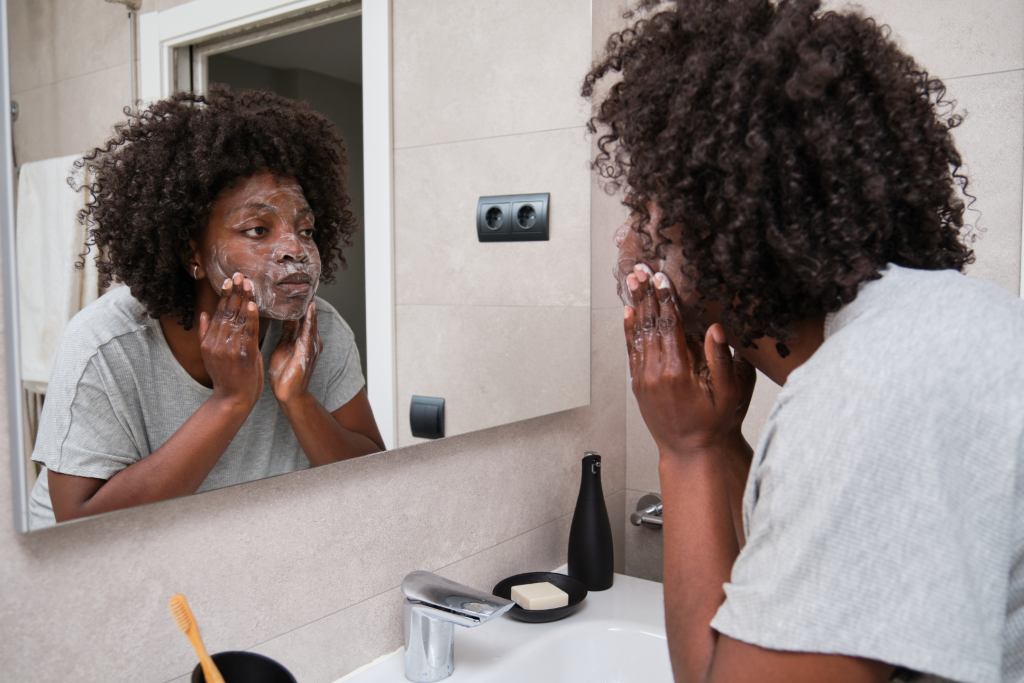
Cleansing. Use a gentle cleanser that best suits your skin.
Pacing. Remember to start slow to let your skin get used to the retinoid. If your skin’s reaction is too severe, stop using the product and see a doctor.
Sun protection. Use SPF 30 or higher every single day before you leave the house. New skin cells are fragile.
Resist picking! Let those pimples dry out on their own. Picking can introduce bacteria and turn a skin purge into an infection.
> Quick tip: To get the advertised SPF, you need to apply a fairly generous amount: 1 teaspoon, or the length of three fingers, just for your face, head, and neck.
How to deal with a breakout
With a breakout, the strategy changes. You’re not waiting for your skin to adjust; you’re helping it while addressing the underlying cause.
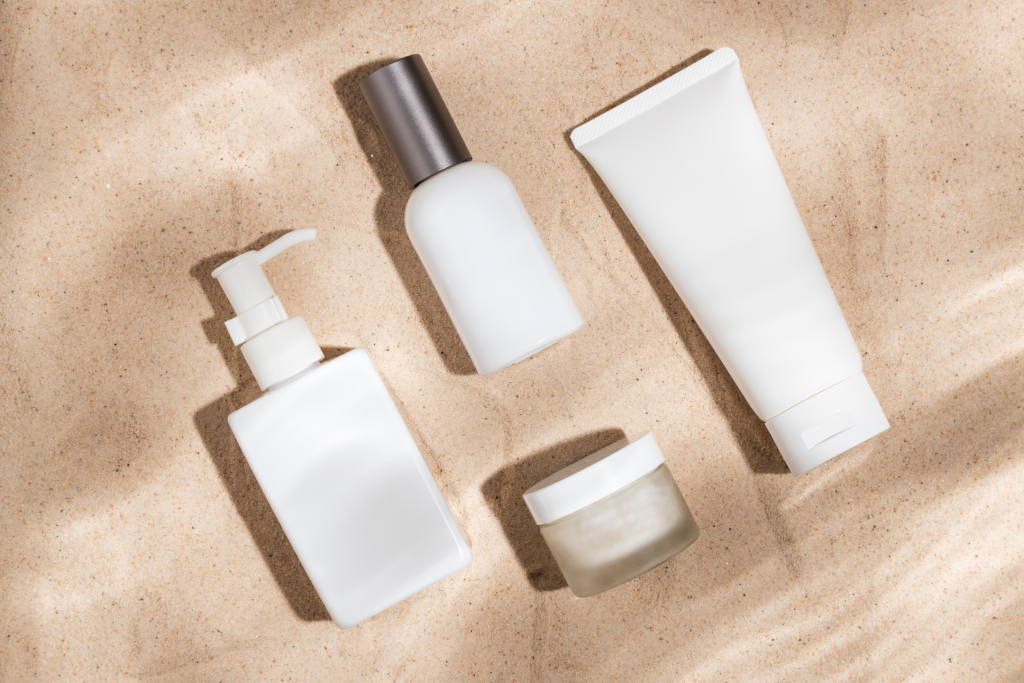
Meet your two new best friends: benzoyl peroxide and salicylic acid. They’re very effective on their own or when combined with other breakout treatments. Benzoyl peroxide is one of the most effective ingredients for killing the acne bacteria, and salicylic acid can help unclog pores by dissolving dead cells.
> Quick tip: If you notice your skin is too sensitive for salicylic acid, switch to its gentler alternative, azelaic acid. In fact, the combination of a strong retinoid with an azelaic acid treatment is one of the most popular recent skincare trends. Just be sure to decide on the strength of both products with your doctor.
When to see a doctor
Sometimes, things go south even after you’ve accounted for every possibility. If the situation is developing rapidly and is out of your control, be sure to schedule an appointment with your dermatologist.
Here are the signs you should look out for:
- Severe swelling
- Oozing lesions
- Intense pain or itching
And if the purging lasts longer than six weeks (or keeps getting worse), there’s a good chance the product just isn’t right for you.
Remember, when in doubt, schedule an appointment with a doctor. They can prescribe treatments for any skin concern that work much better than anything you can buy over the counter.

> Quick tip: If you break out easily, make sure to use products that won’t trigger a negative reaction. Use a skincare label scanner before buying a new product to make sure it works for your skin type.
Key takeaways
- Timing: Purging lasts 4–6 weeks; breakouts don’t follow a timeline.
- Trigger: Purging comes from faster cell turnover; breakouts come from bacteria, hormones, diet, etc.
- For purging: Start slow with a new active and always use SPF. See a doctor if your skin burns, itches, or hurts.
- For breakouts: Use benzoyl peroxide and salicylic acid. See a doctor if the situation doesn’t improve, so they can recommend a treatment that works.


-
1.
Skincare bootcamp: The evolving role of skincare. (2016). https://pmc.ncbi.nlm.nih.gov/articles/PMC5172479/#abstract1
-
2.
How to tell if your skin barrier is damaged and what to do about it. (2022). https://health.clevelandclinic.org/skin-barrier
-
3.
Sunscreens. (2015). https://pmc.ncbi.nlm.nih.gov/articles/PMC4577364/
-
4.
Minimum contact time of 1.25%, 2.5%, 5%, and 10% benzoyl peroxide for a bactericidal effect against cutibacterium acnes. (2022). https://pmc.ncbi.nlm.nih.gov/articles/PMC8922035/#S0002
-
5.
A comprehensive bibliographic review concerning the efficacy of organic acids for chemical peels treating acne vulgaris. (2023). https://pmc.ncbi.nlm.nih.gov/articles/PMC10608815/#sec5-molecules-28-07219

You May Be Interested In
View All