
Skincare Routine for Oily Skin: Turning Shine into Glow

Your guides through the skincare chaos
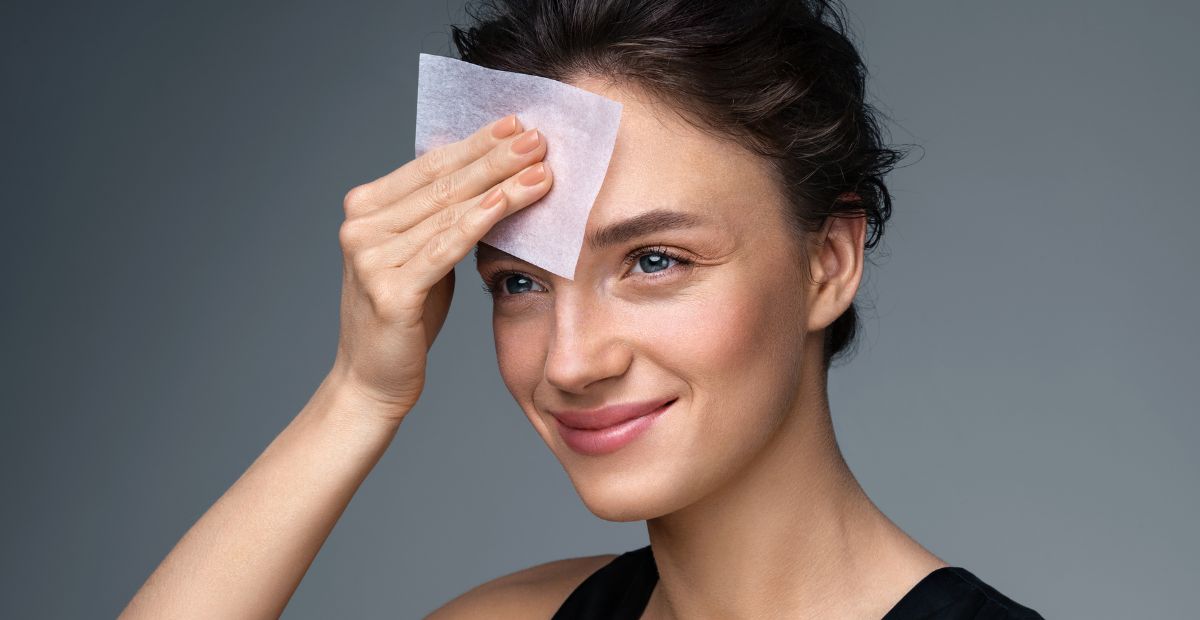
There’s always that one friend who looks fresh by noon while everyone else is blotting frantically in the bathroom mirror. Turns out, it’s rarely luck. It’s routine. Oily skin has its own rhythm, its own moods, and once you learn how to work with it instead of fighting it, everything changes. That’s when your skincare routine for oily skin stops feeling like a chore and starts feeling like an act of self-respect.
How to Define Your Skin Type
Before building the best skincare routine for oily skin, there’s one non-negotiable step: knowing your skin type. Guessing leads to clogged pores, irritation, and that “Why did I buy this?” moment.
There are two easy ways to figure out your skin type, and both can be done at home without overthinking it.
The first is the bare-faced method. Wash your face with a mild, fragrance-free cleanser, wait 30 minutes, and check your skin. Is there a noticeable shine? Does your skin feel greasy to the touch? That’s oily skin saying hello. Greasy T-zone but tight cheeks? Welcome to combination skin. Feel fine and balanced? You’ve hit the normal skin-type jackpot.
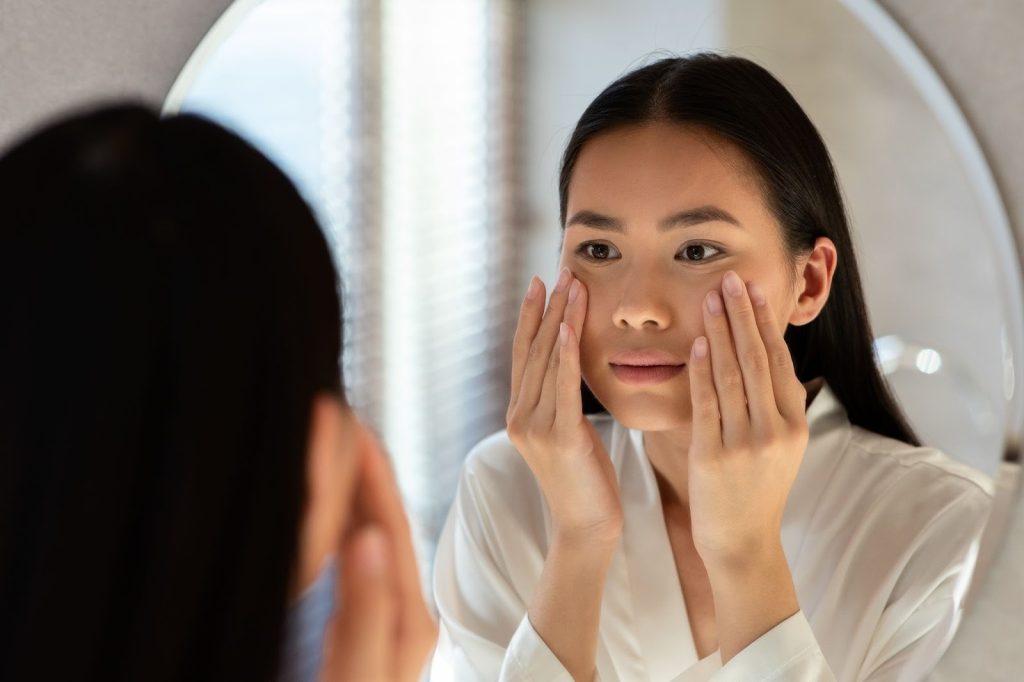
Climate can affect results, and hot, humid weather can make skin appear oilier than it is. So you can try another check: look closely at your pores in good lighting. Large, visible pores across most of your face usually signal oily skin.
Together, these two simple checks give you a clearer understanding of your skin type, making it easier to choose skincare products for oily skin that actually work.
But what if you’re still unsure? Well, a quick visit to a dermatologist can help clarify your skin type. And once you know it, tools like OnSkin are here to help you find out whether specific products actually suit your skin and concerns.
Building a Skincare Routine for Oily Skin
A solid skincare routine for oily skin doesn’t aim to erase oil entirely. That’s a losing battle. The goal is balance: to clear pores, calm inflammation, and add hydration without heaviness. Think of oil like background music—you want it low, not blaring.
Cleansing: The Foundation Step
Cleansing is where most oily-skin mistakes happen. Scrubbing aggressively or using harsh soaps feels satisfying, but it often backfires. When skin feels attacked, it produces even more oil to compensate.

The golden rule? Cleanse up to twice daily and always after sweating. Opt for a gentle, foaming cleanser that will remove dirt, excess oil, and makeup without stripping your skin. And listen to dermatologists: The American Academy of Dermatology, in particular, recommends alcohol-free cleansers without sulfates or strong fragrances.
For more advice, we have a guide to dos and don’ts for washing your face, which can be useful for everyone, no matter the skin type.
Exfoliation: Choosing the Right Helpers
Excess oil loves to trap dead skin cells, which is why exfoliation matters so much in a skincare routine for oily skin. Chemical exfoliants are here to help dissolve buildup and refine pores. Salicylic acid, in particular, is oil-soluble, making it ideal for oily and combination skin types.
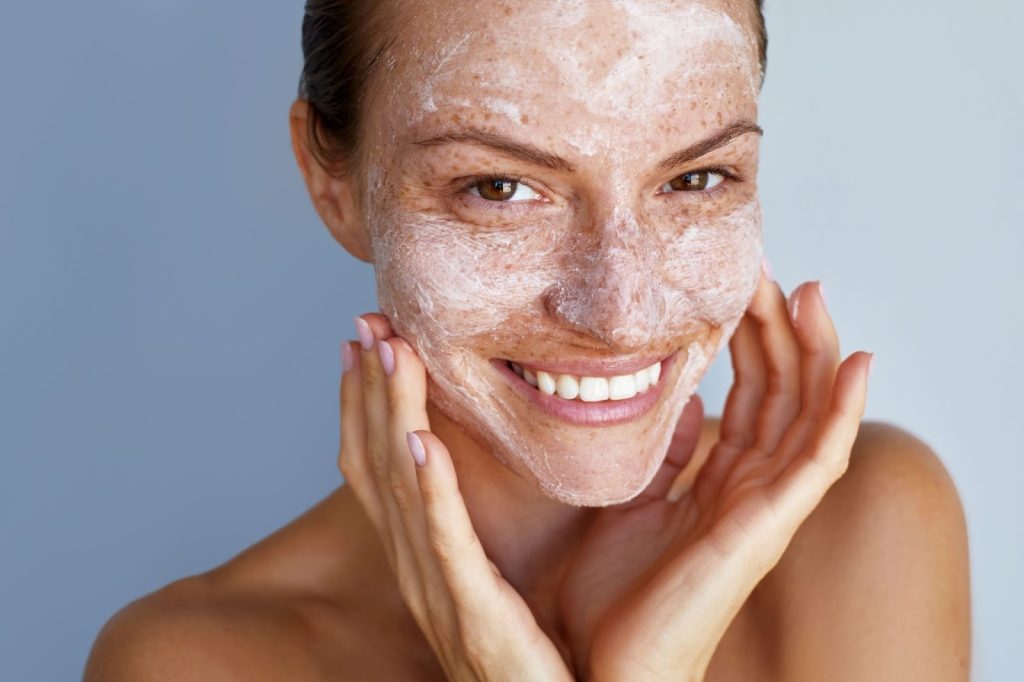
Enzymes are often underrated heroes. They’re gentler than acids, but still effective. Derived from fruits like papaya, pumpkin, and pineapple, enzymes dissolve dead skin cells without irritation. Papain, from papaya, is especially helpful for acne-prone skin. It clears pores and balances oil without that tight, stripped feeling. That’s why enzymes make a smart addition to any oily skin treatment.
Toners: Refining without Stripping
Toners get a bad reputation thanks to their alcohol-heavy past. But modern options are different. In an oily skin routine, opt for formulas with salicylic acid, glycolic acid, or lactic acid. These ingredients help refine the look of pores, balance excess oil, and prep skin for treatments to work better.
That said, even good ingredients can be too much. If your skin starts to feel irritated, take a step back. The best skincare works with your skin, not against it.
Actives: Targeting Texture and Acne
This is the step where targeted ingredients step in to address excess oil, clogged pores, and breakouts more precisely. These ingredients usually show up in targeted products like serums, spot treatments, and night creams—it all depends on how strong they are and what they’re meant to do.
Benzoyl peroxide is a powerful ingredient used to manage excess oil and fight acne, which is more common in oily skin. You’ll find it in gels, creams, and washes. Heads up—it can sometimes cause dryness, redness, or peeling.
The trick is to start slow: apply a little on a small area once a day and see how your skin reacts. If it irritates you, stop using it. Because it can be strong, it’s always best to check with a dermatologist before adding benzoyl peroxide to your routine.
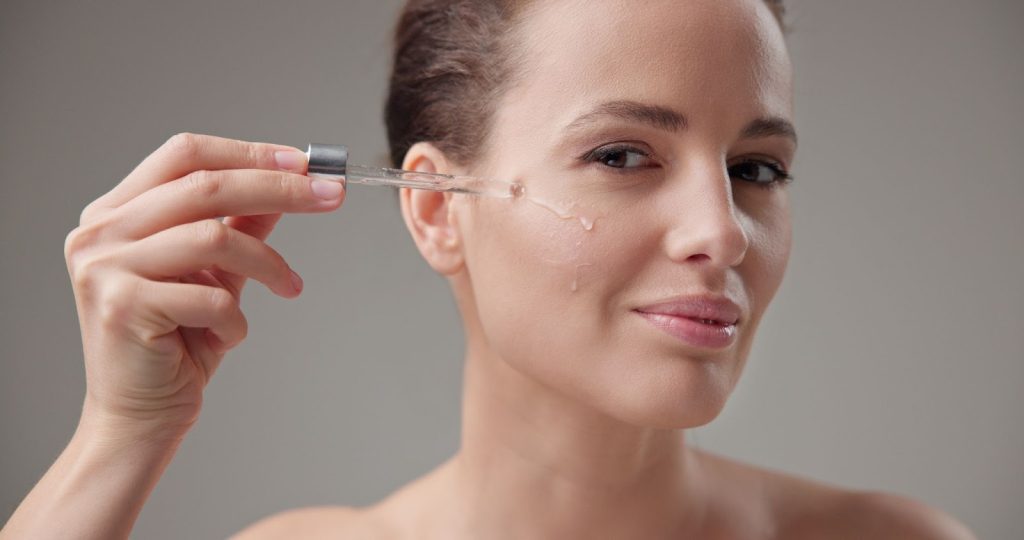
Azelaic acid is a gentle but effective option for an oily skin routine. It helps dead skin cells shed, unclogs pores, reduces oil by blocking enzymes involved in sebum production, and fights the bacteria that cause acne.
Salicylic acid is another multitasker that gently exfoliates, removes dead skin cells, and helps unclog pores. It also has anti-inflammatory and antibacterial properties, which can reduce redness, swelling, and acne, making it a solid addition to a skincare routine for oily skin.
Niacinamide is a holy-grail ingredient for oily skin. It helps control excess sebum, making breakouts less frequent and pores appear smaller. It can also help fade dark spots by limiting pigment buildup, improving overall skin texture.
Retinol is known for anti-aging, but it’s equally helpful for oily skin. Retinol speeds up cell turnover, helping to clear clogged pores and smooth texture. Common side effects? It can cause dryness, irritation, and sun sensitivity. So start slow with a low strength a few nights a week, apply at night on dry skin, and always wear SPF during the day.
Moisturizing: Yes, Really
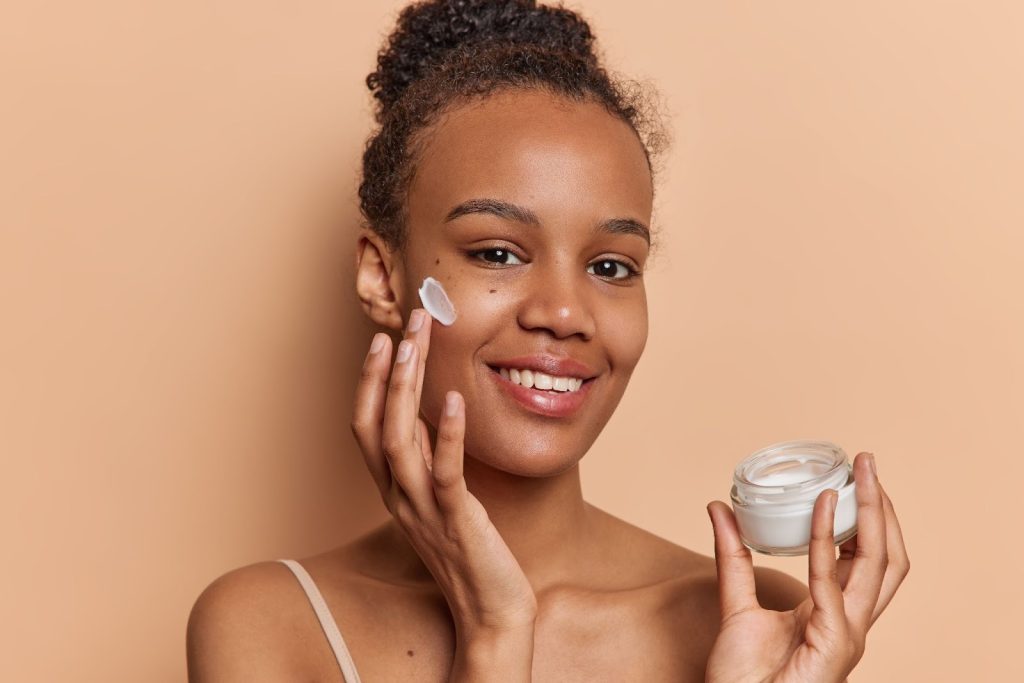
This is the step that gives people pause. Moisturizer? In a skincare routine for oily skin? Yes, and dermatologists confirm it. Skipping it often backfires because when skin is dehydrated, it tends to produce even more oil. The key isn’t avoiding moisturizer, but choosing the right texture.
Lightweight, gel-based formulas work especially well for oily skin. However, if your skin is very oily, you may find that you can skip moisturizer in humid weather. With combination skin, it’s fine to treat different areas differently—moisturize dry spots and leave the T-zone alone.
Whatever you choose, look for noncomedogenic formulas that won’t clog your pores. This is especially important if your skin is prone to breakouts. That means avoiding ingredients like coconut oil, cocoa butter, isopropyl myristate, and certain fatty alcohols. This guide makes ingredient-spotting much easier.
Sunscreen: Non-Negotiable
Sun protection is non-negotiable in a skincare routine for oily skin. Sun damage can throw oil production further out of balance, accelerate aging, and increase the risk of skin cancer.
For oily skin, mineral sunscreens with zinc oxide or titanium dioxide are great options, especially if they’re fragrance-free and oil-free.
If mineral formulas feel too heavy, lightweight fluids or hybrid sunscreens that combine chemical and mineral filters can offer strong protection without the greasy feel. Sunscreens with matte finishes help keep shine under control.
And don’t forget the extras—shade, wide-brimmed hats, and sun-protective clothing all add an extra layer of defense.
Makeup and Daily Habits
Makeup doesn’t have to be the enemy. Oil-free, water-based, matte formulas are among the best products for oily skin when you want coverage without shine. Sleeping in makeup, however, is a guaranteed fast track to clogged pores. Always remove it before bed.
Blotting papers are another oily-skin essential. Just press gently, wait a few seconds, and move on. But no rubbing—it will only spread oil and disrupt makeup.
Turning Shine into Glow
Oily skin isn’t a flaw to fix—it’s a skin type to understand. With the right skincare for oily skin, shine becomes manageable, breakouts become less dramatic, and confidence sneaks in quietly. A thoughtful oily skin routine isn’t about doing more; it’s about doing what works. Once you find that balance, your skin stops arguing back and starts cooperating.




FAQ
-
Where do I start with OnSkin?
Download the app and think of a product you’d like to know more about. Then, go to the main screen and choose how you’d like to get the info —by manually looking it up in the search bar, by scanning its barcode, or by simply taking a picture of the packaging. Once you’ve done any of these, you can see how safe the product is and if it suits your skin or hair (if this analysis is available).
-
What is Safety Rating, and how is it calculated?
In OnSkin, we base product rates on ingredients. Each is closely studied by our medical team and then evaluated. This way, each product gets a score from 0 to 100, with 100 as the safest level.
Safety Levels
- Excellent (76–100)
- Good (51–75)
- Not great (26–50)
- Bad (0–25)
These scores are backed by the latest scientific studies. You can find links to the resources we’ve used on each ingredient page. To assess the safety of product ingredients, we evaluate them according to the following parameters/criteria
- Endocrine disruption risk / Reproductive toxicity
Indicates the probability of mimicking, blocking, or interfering with the body hormones.
- Сarcinogenicity
Measures the potential risk of inducing cancer.
- Allergy risk
Estimates the probability of an allergic reaction.
- High concentration alert
Determines the risk of being unsafe in certain amounts.
-
What is Skin Match?
Based on the info you input about your skin type, age, skin care goal, and other “settings,” OnSkin checks how well a product is tailored to your unique skin needs — it’s basically like a dermatologist helping you find the right products, minus the fees and the long wait. The product you’re checking might be labeled as It’s a match!, Hit-or-miss, or Not a match for you. The app also detects ingredient groups such as Anti-acne, Anti-inflammatory, Moisturizes, May be drying, Comedogenic, and others — by tapping one, you see exactly what ingredients from this or that group are in the product.
-
I seem to have a problem with using the app. Who should I contact?
Please reach out to us at [email protected], and we’ll carefully look into your issue. Your ideas for improving the app are also very welcome!
-
Do you have an Android version?
Not yet! Hey Android users, we hear you, and we're thinking about making an Android version, but we haven't started the development yet.

It’s on the way to your inbox.
Don’t forget to check your spam folder!