Shilajit Benefits for Skin: Everything You Need to Know

Health and wellness writer focused on evidence-based insights and reader-friendly guides.
Imagine a time centuries ago, deep in the Himalayan mountains, where monks and healers discovered a strange, resin-like substance oozing from the rocks. They called it shilajit, believing it to be a gift from the earth, packed with life-giving energy.
Today, wellness enthusiasts swear by shilajit benefits, claiming it can boost everything from energy to skin health. But does science agree? Let’s step into the lab and see what modern research has uncovered about shilajit’s real impact on skin.
What Is Shilajit?
First things first—what is shilajit? Picture this: a sticky, dark substance loaded with bioactive compounds. Shilajit is a natural resin that seeps from mountain rocks in regions like the Himalayas, Tibet, Siberia, and the Andes.
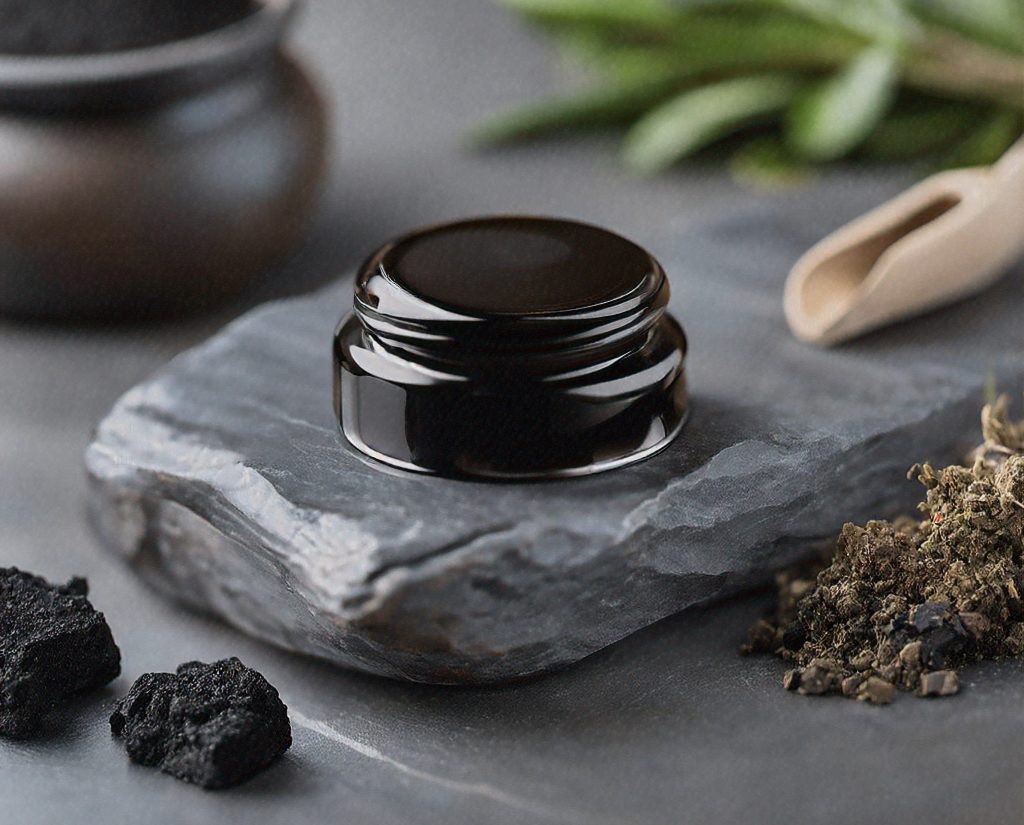
It’s known by many names—salajit, shilajatu, mimie, or mumiyo. And it’s been used in Ayurvedic medicine for centuries that may support everything from energy levels to brain health. And, as we’ll get into, possibly even your skin.
The Secret Sauce
At the heart of shilajit health benefits is fulvic acid, which is a potent antioxidant. Antioxidants work wonders to protect your cells from damage caused by free radicals—molecules that can lead to oxidative stress. Oxidative stress, in turn, is linked to aging, inflammation, and various diseases, including Alzheimer’s disease.
In simple terms, antioxidants act like bodyguards for your cells, neutralizing harmful molecules before they can cause trouble. They’re found in many natural sources, including vitamins (like vitamin C and E), minerals (like selenium and zinc), and compounds like fulvic acid, which is abundant in shilajit.
When it comes to skin, antioxidants protect it from environmental aggressors like pollution and UV rays, and toxins. They also can be found in skincare products. And if you want to know exactly what’s inside your skincare, OnSkin can help break it down for you.
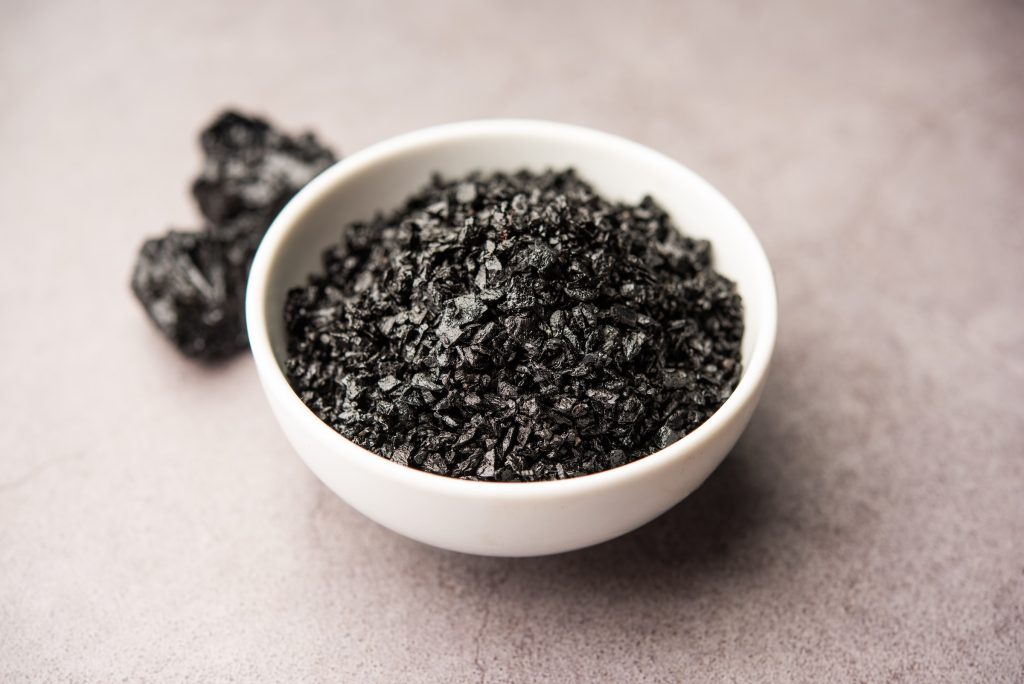
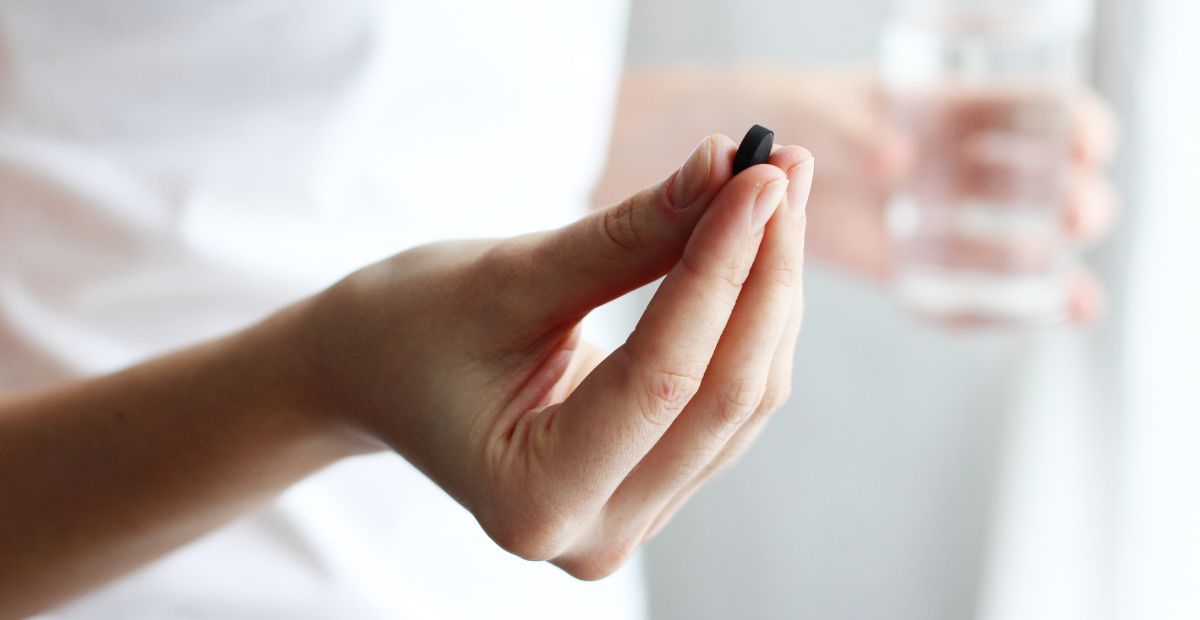
Shilajit is no joke—it’s been used for centuries as a nutraceutical (typically consumed in resin, powder, or capsule form), and some of the most commonly reported health benefits of shilajit include:
✔️ Boosting energy and reducing fatigue
✔️ Supporting cognitive function (hello, brain fog relief!)
✔️ Improving athletic performance and muscle recovery
✔️ Enhancing libido (yep, you heard that right)
✔️ Strengthening immunity
✔️ Supporting gut health and digestion
Plus, recent studies suggest that fulvic acid, found in shilajit, may have potential in preventing Alzheimer’s disease.
However, not all of these claims are fully supported by scientific evidence.
But now, let’s get to the juicy part—how this ancient remedy could level up your skincare game.
2 Shilajit Benefits for Skin—Backed By Science

So, does shilajit work for your skin? Well, some recent studies suggest it might. Let’s take a closer look at what researchers have discovered.
Improved Blood Circulation
One study showed that shilajit supports better blood circulation. To find this out, a team of scientists set up an experiment with 45 healthy women aged 30 to 65. They divided the participants into three groups: one received a placebo, while the others took either 125 mg or 250 mg of purified shilajit twice daily.
The researchers weren’t just relying on observation; they used the dermascopic imaging system to measure blood flow and took biopsy specimens. After 14 weeks, the results were clear: skin microcirculation had improved significantly in those who received the higher 250 mg dose of shilajit.
Why does this matter? Because better circulation means more oxygen and nutrients get delivered to skin cells, helping skin regenerate, glow, and heal faster.
Plus, it turns out, shilajit didn’t just improve circulation—it also activated genes involved in blood vessel growth and endothelial cell function, suggesting potential long-term benefits for skin health.
Boosted Collagen Production

Now, let’s fast forward to another study, this time focusing on collagen production—the magic protein that keeps skin firm, elastic, and wrinkle-free.
This time, scientists gathered 35 men, split them into groups, and gave them either 500 mg or 1000 mg of shilajit daily for 8 weeks, while a control group received a placebo. To measure its effects, they tracked serum levels of pro-c1α1, a biomarker that signals the body to produce type 1 collagen (the same type that gives youthful skin its bounce.)
The findings? Both shilajit groups saw a significant boost in collagen synthesis compared to those who took the placebo. And the higher dose worked even better. What can these shilajit benefits for collagen synthesis mean for your skin?
✔️ Smoother texture
✔️ Better elasticity
✔️ Fewer fine lines
What About Shilajit Side Effects?
Another aspect of skin health is its barrier function—essentially, how well your skin retains moisture and protects against pollutants. When researchers studied shilajit benefits, they also tested shilajit side effects. In particular, they checked its impact on skin hydration, elasticity, or barrier function.
📌 Their key findings are:
- No negative effects on trans-epidermal water loss (meaning the skin’s moisture barrier stayed intact)
- No worsening of skin condition, but also no major improvements in hydration or elasticity
- Overall, shilajit was well tolerated with no adverse effects
What does this mean for your skin? Well, while shilajit didn’t directly boost hydration or elasticity, it also didn’t cause irritation or damage.
So, Is Shilajit Safe? A Few Things to Consider
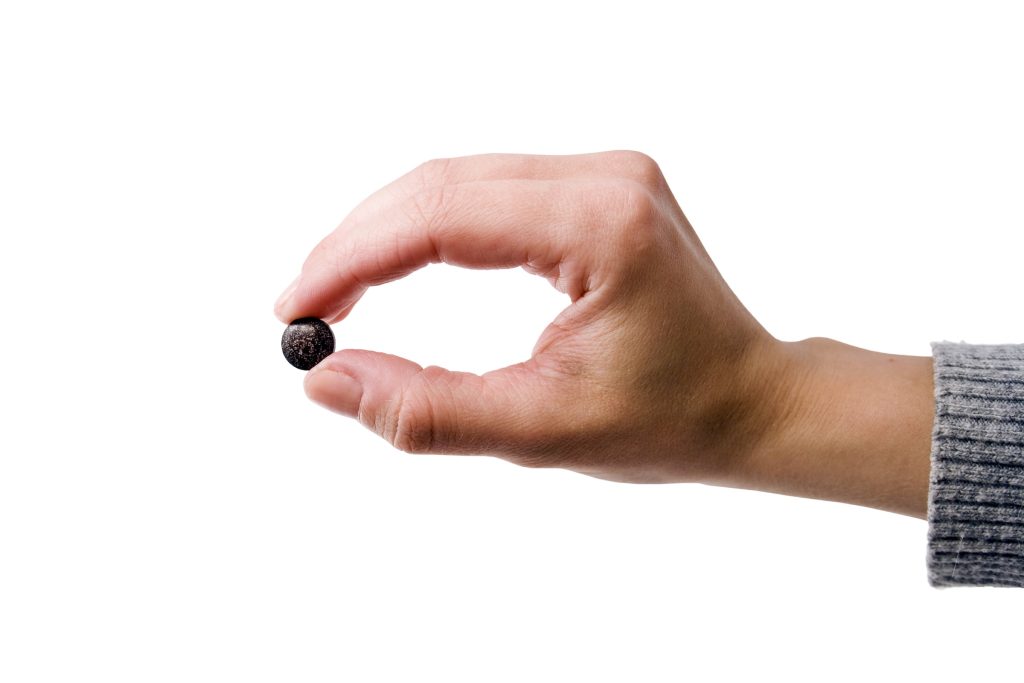
Okay, now let’s address the elephant in the room—is shilajit safe? Generally, it’s considered harm-free, but there are a few things you should be aware of:
⚠️ Not all shilajit is created equal. The composition varies based on the region it’s sourced from, and shilajit products may contain heavy metals like arsenic, lead, or mercury and toxins such as mycotoxin.
⚠️ Purity matters. As soon as studies indicate that unpurified shilajit can have heavy metals and toxins within, its consumption may lead to intoxication. So always choose a purified, lab-tested product.
⚠️ Quality varies. Some ayurvedic products (including shilajit) sold online have been found to contain heavy metals. In ayurvedic tradition, the practice of rasa shastra involves mixing herbs with metals, minerals, and gems, which some practitioners claim enhances benefits. Still, if not properly processed, it can lead to poisoning.
⚠️ If you’re pregnant or on medication, always check with your doctor first.
Also, while studies show shilajit didn’t negatively affect skin properties (hydration, elasticity, or barrier function), more research is needed to confirm its long-term effects.
Key Takeways
So, what is shilajit good for you when it comes to skincare? Here’s what science supports:
✔️ Shilajit can improve blood flow, helping with skin cell regeneration and healing.
✔️ It can stimulate collagen production, supporting anti-aging and skin firmness.
✔️ It appears safe, with no reported skin-related side effects in these studies.
However, there are still some unknowns:
❌ No studies directly examine shilajit as a topical skincare ingredient.
❌ Research on direct skin benefits is limited. More studies are needed.
Can you swap it for your holy-grail vitamin C serum or SPF? It’s better not to. Still, if you’re looking for a natural way to support skin health from within, shilajit could be a possible addition to your wellness routine. 🌿


-
1.
Shilajit, natural substance. https://www.britannica.com/science/shilajit
-
2.
Shilajit: A natural phytocomplex with potential procognitive activity. (2012). https://pmc.ncbi.nlm.nih.gov/articles/PMC3296184/
-
3.
Skin transcriptome of middle-aged women supplemented with natural herbo-mineral shilajit shows induction of microvascular and extracellular matrix mechanisms. (2020). https://pmc.ncbi.nlm.nih.gov/articles/PMC7027386/
-
4.
Effects of 8 weeks of shilajit supplementation on serum pro-c1α1, a biomarker of type 1 collagen synthesis: a randomized control trial. (2024). https://pubmed.ncbi.nlm.nih.gov/36546868/
-
5.
Skin transcriptome of middle-aged women supplemented with natural herbo-mineral shilajit shows induction of microvascular and extracellular matrix mechanisms. (2019). https://pmc.ncbi.nlm.nih.gov/articles/PMC7027386/
-
6.
Lead, mercury, and arsenic in US- and Indian-manufactured ayurvedic medicines sold via the internet. (2008). https://pmc.ncbi.nlm.nih.gov/articles/PMC2755247/