
Vitamin D3 Skin Benefits: Myths and Facts

Your guides through the skincare chaos

We bet you’ve heard about the benefits of vitamin D3 for your skin, especially in relation to sun exposure. It’s often mentioned in skincare articles as an essential nutrient for those lacking sunlight. At the same time, some claim this ingredient can help protect the skin from UV waves. But what are the actual benefits of vitamin D3? And can these two ideas coexist? In this article, we’ll answer the most common questions about this important skincare ingredient.
A Brief Plunge into History
Before we start answering questions, we’d like to ask you one. Have you ever come across the Greek historian Herodotus? He wrote The Histories, which is regarded as the fundamental text of history in Western literature. Cicero called him “The Father of History,” while his critics entitled him “The Father of Lies.” Anyway, if we factor out the question of historical legacy, he was the first known person to tell the world about the physiological effects of sunlight on vitamin D. Herodotus was amazed by how strong Egyptian skulls were and figured that it was because people there didn’t usually wear hats, allowing sunlight to hit their heads from a young age.
It was centuries ago, but one thing we know thanks to him is that vitamin D and sun exposure are interconnected.
So, What Is Vitamin D?
Nowadays, we have a more scientifically proven definition. Vitamin D is a hormone that our body needs to be healthy. It has two main functions. First, it helps regulate calcium levels in the bloodstream, which is crucial for maintaining healthy bones. Second, it affects how our cells grow, mature, and even die.
Is There Any Difference Between Vitamin D and Vitamin D3?
Well, yes and no. Vitamin D is a general name for its forms, and D2 and D3 are the most well-known. Both are useful for human organisms but are different in sources and molecular structure.
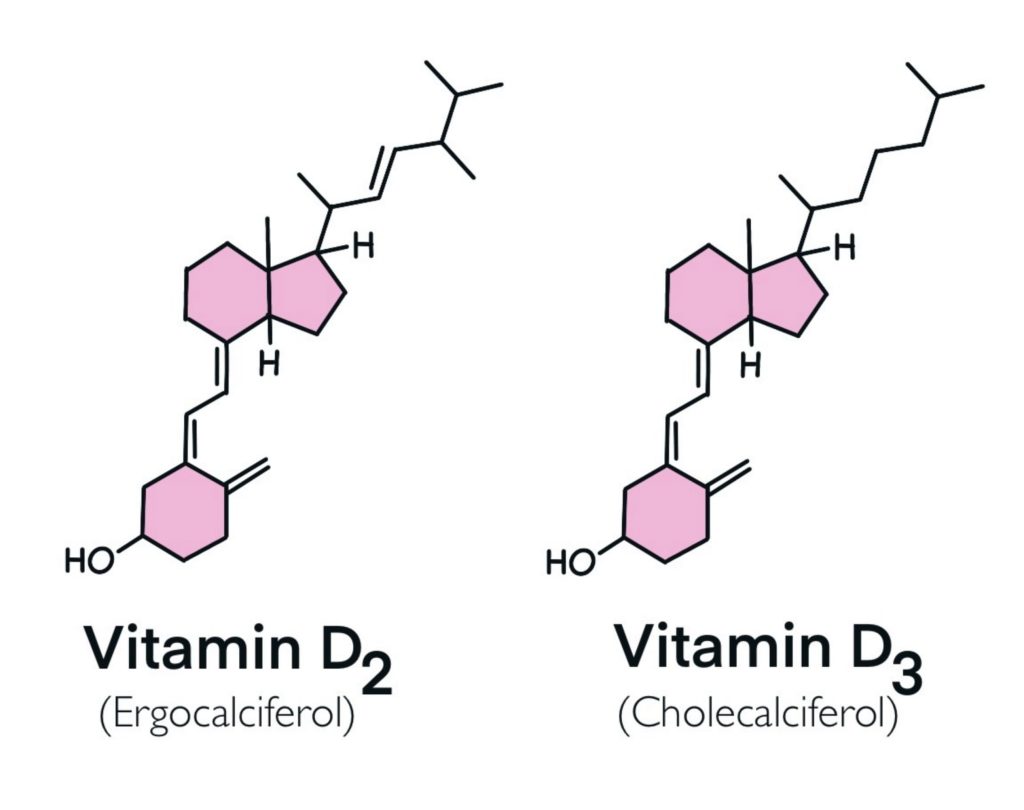
The main difference is that vitamin D2 is mostly found in yeast and plant-based sources like mushrooms. Vitamin D3 comes from animal sources like fatty fish, egg yolks, and liver. Your skin also naturally produces it when you spend time in the sun.
Both forms boost vitamin D levels in your body, but D3 is a bit more effective and long-lasting.
What are Vitamin D3 Benefits for Skin?
It improves skin hydration.
One research study has shown that higher vitamin D levels affect how well the skin barrier can hold moisture. As part of the experiment, 83 women stopped using moisturizers for a week. Later on, one group of participants started to use a moisturizer with vitamin D3 in its formula, while the second group used a regular moisturizer without this ingredient. The first group saw a significant improvement in skin dryness and flakiness compared to the second one.
It may help with atopic dermatitis.
A different study looked into the relationship between vitamin D levels in people with atopic dermatitis and various factors, including the vitamin D effect. Participants with lower levels of vitamin D were more prone to having bacterial skin infections. After taking vitamin D supplements, the patients showed a noticeable improvement in their symptoms.
It may support acne treatment.
A sufficient amount of vitamin D helps control skin cell growth and oil production. When your body doesn’t have enough vitamin D, it can lead to clogged pores, which may make acne worse. Studies suggest that vitamin D can lower certain proteins linked to acne-causing bacteria and prevent clogged pores, making it useful in acne treatment.

It slows down signs of aging.
Vitamin D3 helps protect the skin from aging and sun damage. It reduces inflammation, boosts the skin barrier, and heals damaged skin cells. It also acts as an antioxidant and prevents harmful effects on DNA that could lead to early skin aging or even skin cancer.
It may improve wound healing.
Vitamin D3 activates the vitamin D receptor in the body. It helps tissues repair, promotes skin cell regeneration, and prevents excessive cell growth during healing, which defends wounds from inflammation or infections.
Where Can Vitamin D3 Be Found?
As you can see, the main source is the sun. When your skin absorbs UVB rays, it starts a process that turns a natural substance called 7-DHC into vitamin D3. Your liver and kidneys then convert it into its active form, and it helps to keep your skin and body healthy. But be careful, the sunlight makes your body produce vitamin D3, but at the same time can harm your skin. Check out our guides on summer skincare tips and common sunscreen mistakes to keep your skin protected.

Skincare products are one more option. You can find the ingredient in serums, moisturizers, oils, creams, and more. However, the fact that a skincare product contains vitamin D3 doesn’t automatically mean it’ll be beneficial for you. There are many other ingredients that can harm your body. To avoid risks, you can use the OnSkin app. It’ll analyze the ingredient list and tell you whether they are safe or not. It’ll also tell you if a product is suitable for your skin type or can help with the issues you’re facing.
You can also find vitamin D3 in foods. The top 5 are sockeye salmon, rainbow trout, eggs, sardines, and beef liver.
If you can’t get enough vitamin D3 elsewhere, you can receive them from supplements. However, it’s best to consult your doctor before using them to determine the right dosage for you taking into account your age and medical history.
Can a Solarium Increase Vitamin D Levels?
Basically, no. Most tanning lamps emit UV-A light, which helps with tanning. However, it’s UV-B light that is needed for the production of vitamin D. Moreover, scientists say that tanning beds can be addictive and increase the risk of skin cancer. In 2005, the World Health Organization even recommended banning indoor tanning for those under 18.
Who Will Benefit from Vitamin D3?
In general, everybody will. But some people are more likely to have trouble getting enough vitamin D. According to the National Institutes of Health, this group includes:
Older adults. As people age, their skin produces less vitamin D when exposed to sunlight.
People with limited sun exposure. Those who don’t spend much time outdoors or cover their skin and face often get less vitamin D.
People with dark skin. Darker skin produces less vitamin D from sunlight compared to lighter skin.


-
1.
Vitamin D and the skin: focus on a complex relationship: a review. (2014). https://pmc.ncbi.nlm.nih.gov/articles/PMC4642156/
-
2.
A dermatologist's perspective on vitamin D. (2012). https://pmc.ncbi.nlm.nih.gov/articles/PMC3498088/
-
3.
A comprehensive review on the beneficial roles of vitamin D in skin health as a bio-functional ingredient in nutricosmetic, cosmeceutical, and cosmetic applications. (2025). https://www.mdpi.com/2076-3417/15/2/796
-
4.
Vitamin D and skin hydration. (2013). https://www.jaad.org/article/S0190-9622(12)01562-9/abstract
-
5.
Vitamin D effects in atopic dermatitis. (2013). https://pubmed.ncbi.nlm.nih.gov/23643343/
-
6.
Association of vitamin D with moderate to severe acne vulgaris. (2023). https://www.jcpsp.pk/article-detail/passociation-of-vitamin-d-with-moderate-to-severe-acne-vulgarisorp
-
7.
The impact of vitamin D on skin aging. (2021). https://pmc.ncbi.nlm.nih.gov/articles/PMC8396468/
-
8.
The role of vitamin d on the wound healing process: a case series. (2023). https://pmc.ncbi.nlm.nih.gov/articles/PMC10075270/

You May Be Interested In
View All