Urea Cream: Why Your Skincare Routine Needs It

Your guides through the skincare chaos
The word “urea” might make you think of something… well, gross. But don’t worry! Urea in skin care is lab-made and is one of the best ingredients for dry, rough, and irritated skin. And guess what? Science totally backs this up. So, let’s dive into what urea cream can do for your skin and why dermatologists love this ingredient.
What is Urea?
First things first: what is urea cream made of? Let’s clear this up. Urea is found in mammal urine, but the urea in skin care is lab-made and completely synthetic. Our bodies, in turn, naturally produce urea as part of its Natural Moisturizing Factor (NMF) to keep skin hydrated.
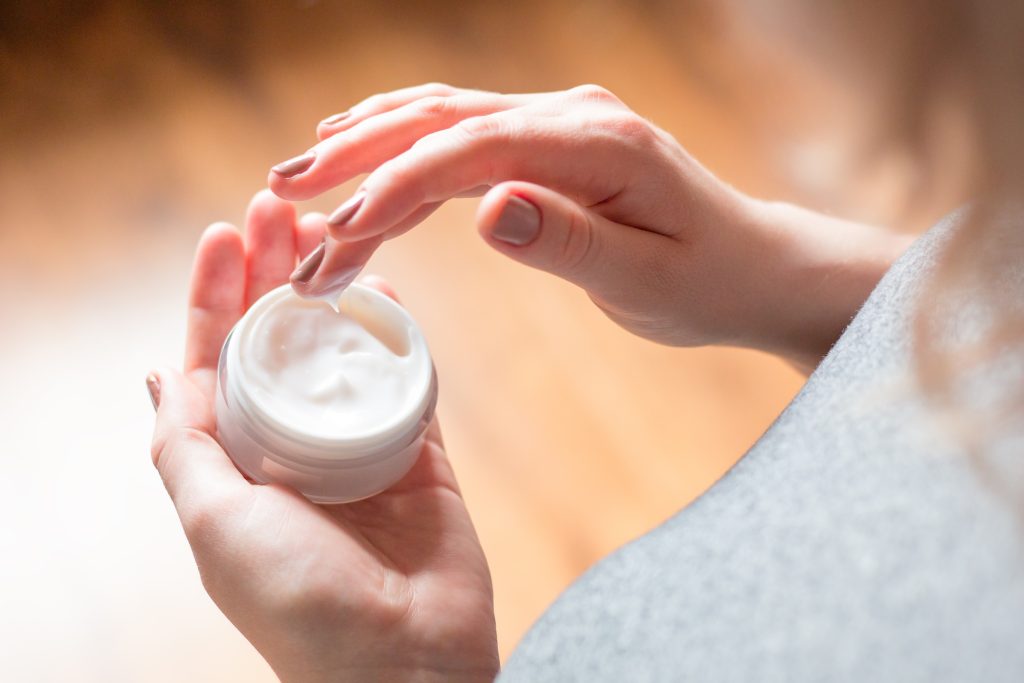
So, what does urea do for skin to be made in labs? Well, it’s a multitasker:
✅ It hydrates. Urea is a humectant, meaning it attracts moisture like a magnet and helps keep it in the skin.
✅ It exfoliates. It helps break down keratin, the protein that makes up your skin, nails, and hair. At higher concentrations, it gently dissolves dead skin, making it an effective exfoliant.
✅ It softens. Since urea gently exfoliates and hydrates, it also softens rough, dry skin, leaving it smoother.
Urea in Different Strengths
Not every urea cream is the same. You can find urea skincare products ranging from mild 5% concentrations to high-strength 40% formulas. And the percentage makes a difference:
- Below 10% → Acts as a moisturizer that hydrates and softens dry skin. Perfect for daily use.
- 10-20% → Now we’re talking about exfoliation. Such moisturizers with urea have a keratolytic effect, meaning they help with rough patches or callused skin.
- Above 20% → Heavy-duty stuff. These concentrations of urea may help treat nail fungus and soften thick nails.
But do you need to remember all this? Nope. Just read the label and follow the instructions. Also, you can always rely on OnSkin to find the product that perfectly matches your skin needs.
Urea for Skin Moisture

If your skin is thirstier than a marathon runner in July, urea cream might be your new best friend. Why? As mentioned before, urea is both a humectant (it attracts water) and an emollient (it locks moisture in).
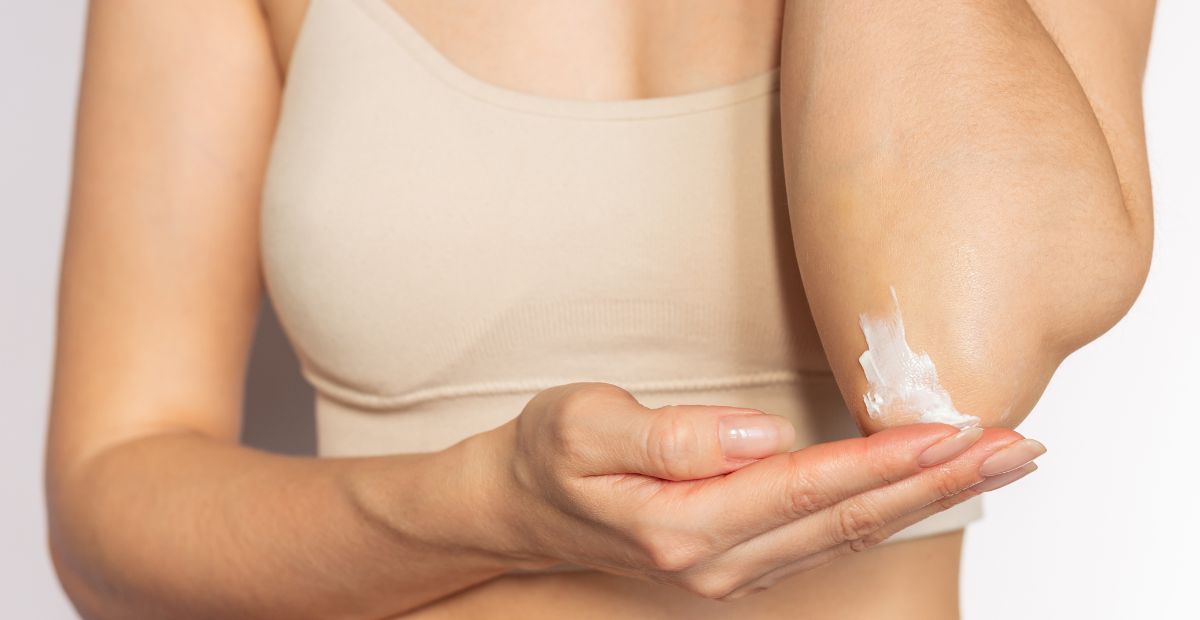
So consider using a urea face cream if you want baby-soft cheeks. For silky smooth skin all over, try a urea body lotion. This superstar ingredient is especially great for areas prone to dryness, like elbows or knees.
Urea for Certain Skin Conditions
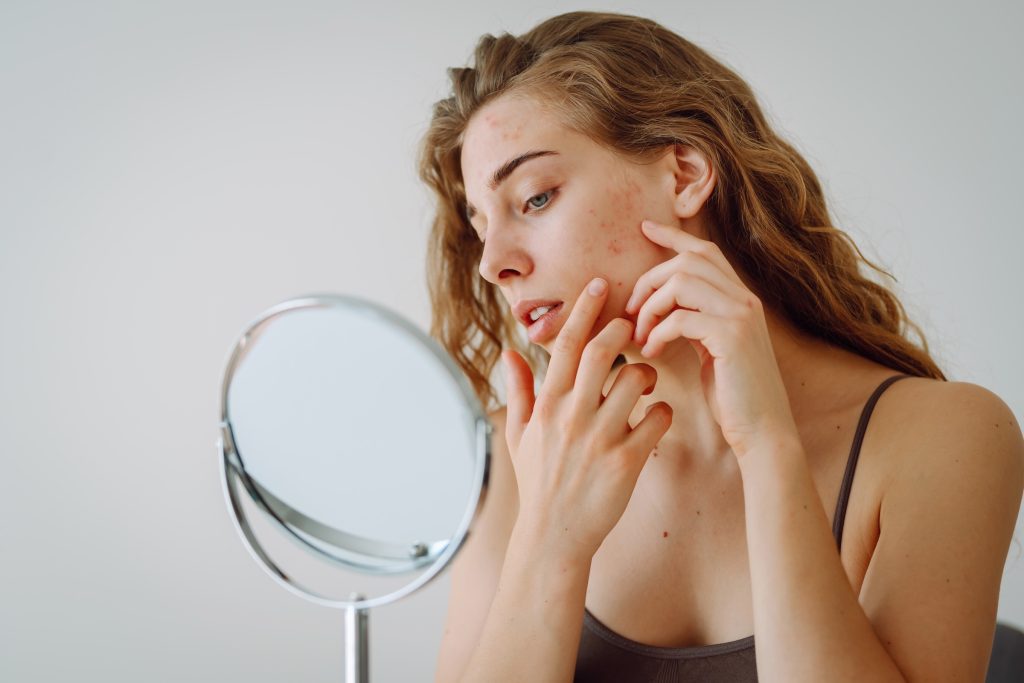
If you have one of those pesky skin conditions that make you wanna scream (looking at you, atopic dermatitis or psoriasis), a product with urea can be a total lifesaver. For instance, here’s what it helps with (and there are studies to prove this):
- Eczema. It keeps flare-ups at bay and reduces dryness.
- Psoriasis. It helps gently exfoliate rough, scaly patches.
- Ichthyosis. This skin condition causes severe dryness, scaling and itching skin. In one study, the dry legs of participants with ichthyosis improved more with urea cream than with a regular moisturizer.
Urea for Dry Feet
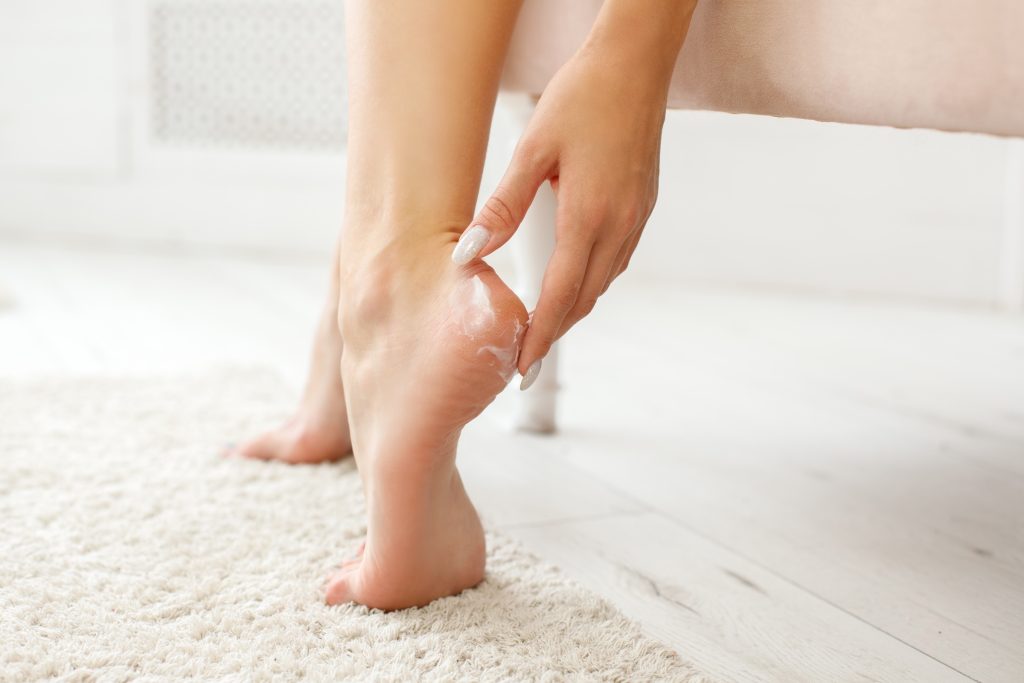
Summer is around the corner, which means sandal season! But if your heels are rough and cracked, urea can save the day. This powerhouse ingredient doesn’t just hydrate—it also softens and exfoliates, making rough feet smooth again. Whether it’s from walking barefoot, wearing sandals, or just naturally dry skin, a urea-based foot cream can bring relief.
Plus, if your feet are extra dry and flaky, you might have xerosis—a condition where the skin loses moisture and becomes rough. A systematic review found urea-based emollients to be the most researched treatment for xerosis. Studies confirm that urea creams at various concentrations (whether it’s 10%, 15%, or 20%) improve hydration by reducing water loss from the skin.
Looking for the best way to heal cracked heels fast? Here’s a step-by-step guide with tips and tricks.
A Few Things to Keep in Mind
Before you slather yourself head to toe in urea cream, a few safety tips:
✔ Patch test first—just to make sure your skin loves it as much as we do.
❌ Avoid sensitive areas. No urea near the eyes or lips, please!
🔍 Double-check the label. If you see “urea” on an ingredient list, make sure it’s the right one. So, imidazolidinyl urea and diazolidinyl urea don’t have the beneficial properties of true urea—they’re preservatives that work by releasing formaldehyde. Some people may develop allergies to formaldehyde or the preservatives themselves.
👩⚕️ Check with your doctor. If you’re using a urea cream (10% or higher) to manage a skin condition or you’re pregnant (or breastfeeding), it’s best to consult your doctor first.
Most people tolerate urea in skin care, but if you feel any irritation, scale back or stop using it.