Is Cica Worth the Hype? What Research Says About Сentella Asiatica

Health and wellness writer focused on evidence-based insights and reader-friendly guides.
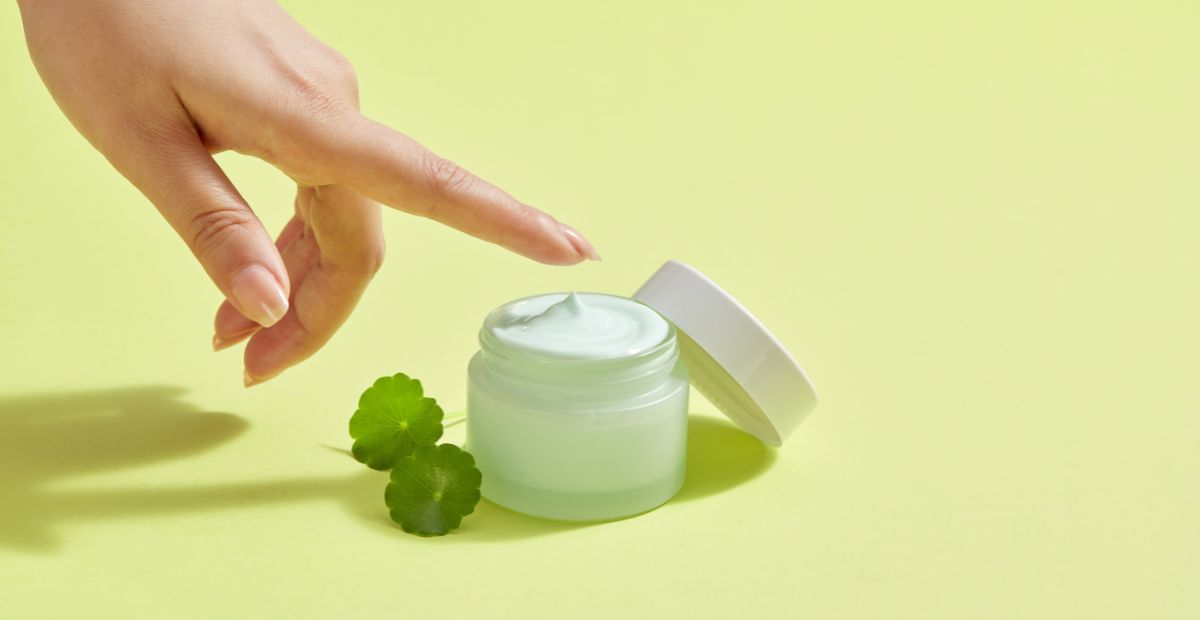
Scroll through K-beauty TikTok for five minutes, and you’ll spot the same word popping up everywhere: Cica. It’s in your toner, your serum, probably even your sunscreen, which makes you wonder: is it legit, or just hype? Well, Сentella Asiatica (Cica’s real name) has roots in Asian medicine and modern research behind it. Here’s what it actually does for your skin.
Quick Overview
- What it is: Centella asiatica (also called Cica, gotu kola, and tiger grass) is a plant that has been used in Asian medicine for ages and is now a K-beauty favorite.
- Where you’ll find it: In toners, serums, moisturizers, and sunscreens.
- Benefits: It hydrates skin, protects against UV and pollution damage, and calms inflammation. It also helps boost collagen (thanks to a compound called madecassoside), which can reduce fine lines over time.
- Safety: It’s gentle and well-tolerated, even at higher concentrations (up to 20%). Still, it’s smart to patch-test first, especially if you have sensitive skin.
- Best combinations: It pairs nicely with vitamin C, glutathione, allantoin, hyaluronic acid, and more.
- Who it’s for: Almost everyone; it’s non-comedogenic and can be used twice a day.
What Is Centella?
Сentella asiatica is a herbaceous plant traditionally used in skincare across Asia. You might know it by other names: gotu kola, tiger grass, Indian pennywort, or simply Cica.
It’s been part of Southeast Asian and Chinese medicine for centuries. More recently, it has become a K-beauty staple, now showing up in toners, serums, moisturizers, sunscreens, and even lip treatments.

Its main active compound, madecassoside, helps stimulate collagen production, which is one reason centella is so effective against photoaging. But that’s just a fraction of what it can do. So what else can centella do for your skin? Let’s go through it, benefit by benefit.
Does Сentella Asiatica Moisturize Skin?
Clinical research shows that Сentella asiatica extract improves skin hydration and reduces transepidermal water loss (TEWL), helping skin hold onto moisture instead of losing it.
In one study, researchers tested two skincare products (a cream and a gel), each containing either 2.5% or 5% Сentella asiatica extract. Over four weeks, 25 volunteers applied the products twice daily to their forearms. Researchers measured skin hydration and barrier function weekly and tested anti-inflammatory effects.
The 5% extract formula worked best. It improved skin hydration, reduced water loss through the skin, and calmed inflammation.

Bonus tip: Centella’s moisturizing properties also help it work well after exfoliation or retinoids. It’s great at calming skin down after strong treatments or irritation. Combine it with hyaluronic acid, ceramides, and collagen for an even stronger soothing effect.
Does Сentella Asiatica Protect Skin from Everyday Damage?
Yes, centella protects skin cells from everyday damage caused by UV rays, pollution, and aging. This is backed by research.
Researchers tested a serum made with 1% Centella asiatica extract to see how well it shields skin cells and fights free radicals. They found that the extract neutralized 67% of them.
The serum also strengthened the skin’s barrier. Over two weeks of daily use, it cut transepidermal water loss by 29%. This means the skin held onto moisture better and became more resilient against everyday stressors.
Does Сentella Asiatica Reduce Signs of Aging?

Сentella asiatica helps reduce signs of skin aging, in particular photoaging. This includes sagging, wrinkles, and loss of firmness caused by sun exposure. It does this by enhancing collagen production, the protein that keeps skin firm and elastic and naturally declines as we age.
In a six-month clinical trial, 20 women with sun-damaged skin applied a treatment combining madecassoside (found in Сentella asiatica) with vitamin C. The two worked together: madecassoside boosted collagen production, while vitamin C supported collagen-making cells and blocked the enzymes that break it down.
By the end of the study, participants got firmer, more elastic, and better-hydrated skin.
Is Сentella Asiatica Safe for Skin?
Сentella asiatica is considered safe at the concentrations currently used. Centella-derived ingredients have been tested in face creams, eye creams, cleansers, and more, typically at well under 1%, and repeated patch tests with over 100 participants showed no irritation or allergic reactions.
That said, no ingredient is entirely without risk, and a few case reports documented irritation. So our kind reminder is always to patch-test new products first, especially if your skin is sensitive.

Pro tip: If you aren’t sure whether a particular skincare product will work for you, you can check it with OnSkin. The app analyzes each ingredient and shows whether it’s suitable for you, plus how safe the product is overall—crucial if you have sensitive skin and want to avoid allergens or potentially harmful ingredients.
Key Takeaways
- Сentella asiatica, also known as Cica or gotu kola, is an Asian medicinal plant now widely used in K-beauty products.
- It boosts your skin’s hydration and minimizes transepidermal water loss, especially at a 5% concentration.
- It shields skin from oxidative stress caused by UV rays and pollution.
- It calms inflammation, which makes it especially useful after exfoliation or retinoids.
- Madecassoside, its active compound, increases collagen production and reduces signs of aging, especially when paired with vitamin C.
- Сentella asiatica is usually well-tolerated, though patch-testing is still a must (especially if your skin is sensitive).
- It pairs well with almost any ingredient, but works especially well with vitamin C, glutathione, and allantoin.
FAQ
Who can use Сentella asiatica?
Pretty much anyone. It’s non-comedogenic and gentle enough for regular use.
How often should you use it?
Twice a day, in leave-on products like toners, serums, or creams.
What does Сentella asiatica pair well with?
Centella works with basically everything, but it shines alongside vitamin C, glutathione, and allantoin.
Does centella have anti-aging benefits?
Can you use it after exfoliation or retinoids?
Yes, and it may even help soothe your skin afterward. Centella is one of the best ingredients for calming skin down after strong treatments, especially when combined with hyaluronic acid, ceramides, or collagen.


-
1.
Centella asiatica extract: INCI Ingredient. (2026.) https://www.specialchem.com/cosmetics/inci-ingredients/centella-asiatica-extract
-
2.
Moisturizing and antiinflammatory properties of cosmetic formulations containing Centella asiatica extract. (2016.) https://pmc.ncbi.nlm.nih.gov/articles/PMC4852572/
-
3.
Bioactivity and physicochemical characterization of Centella asiatica and Marigold extract serums: Antioxidant, anti-inflammatory, anti-tyrosinase and skin barrier function insights. (2025.) https://onlinelibrary.wiley.com/doi/10.1111/ics.70006
-
4.
Centella asiatica in cosmetology. (2013.) https://pmc.ncbi.nlm.nih.gov/articles/PMC3834700/
-
5.
Safety assessment of Centella asiatica-derived ingredients as used in cosmetics. (2023.) https://journals.sagepub.com/doi/10.1177/10915818231158272